← People

Pope Pius V

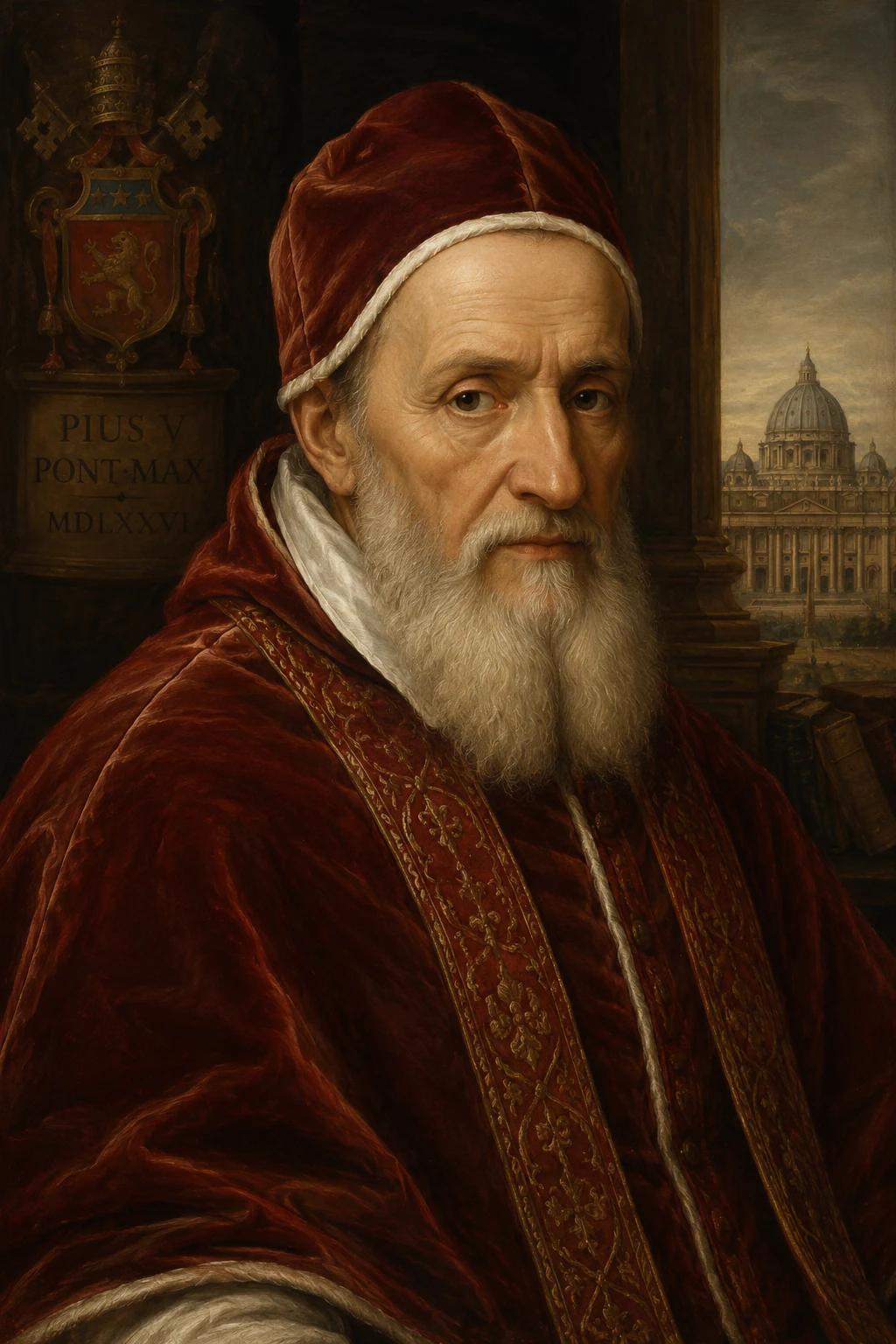
Pope Pius V was pope from 1566 to 1572. A Dominican reformer and Counter-Reformation leader, he issued Regnans in Excelsis in 1570, excommunicating Elizabeth I and releasing her subjects from obedience.

Born
1504 CE
Died
1572 CE
Role
Pope
Also known as
Pius V, Michele Ghislieri

Pope and Counter-Reformation leader (1504-1572)

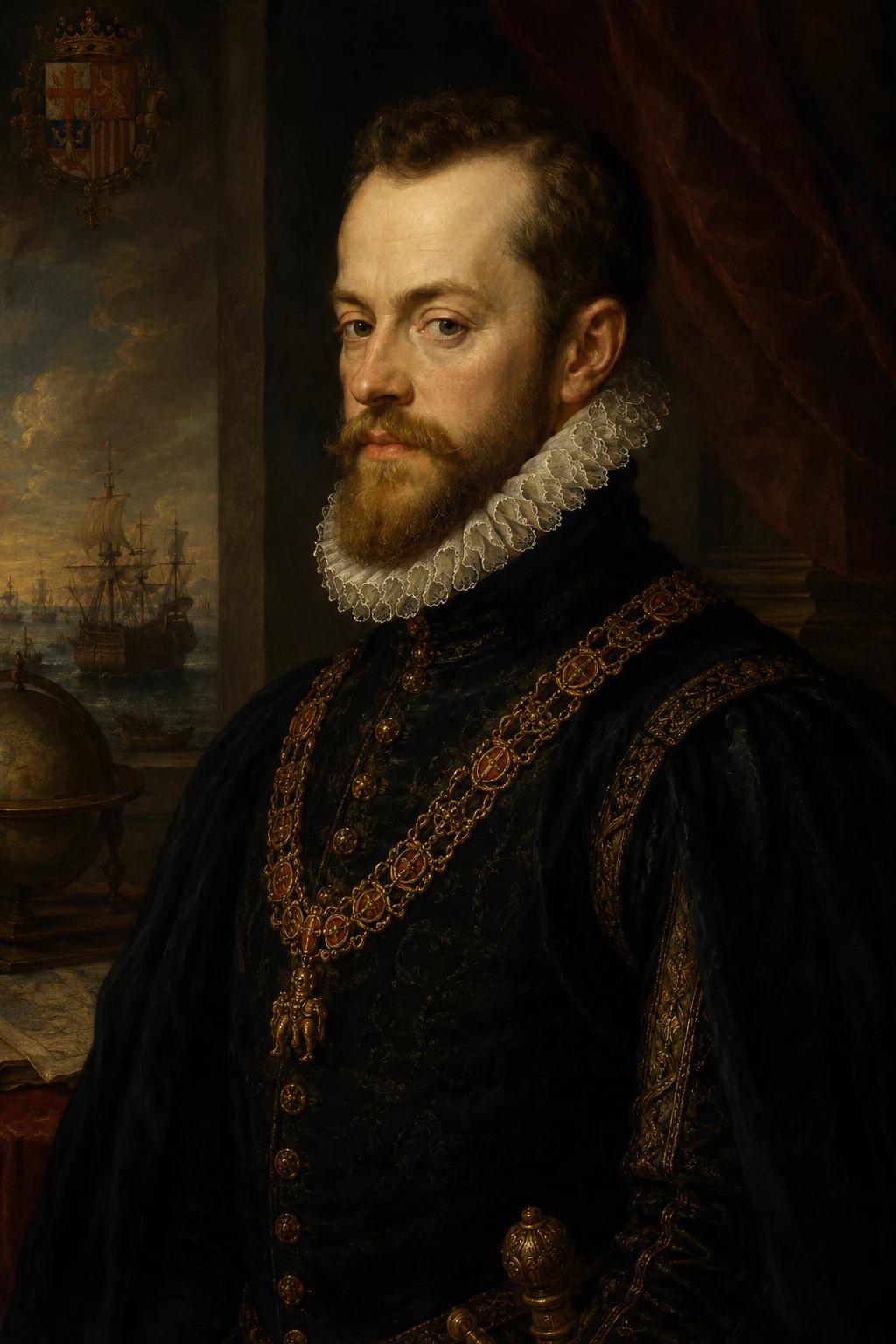
AI-generated portrait of Pope Pius V in papal robes
AI-assisted historical reconstruction

An illustrative reconstruction based on historical context. It is not a photograph or documentary likeness. Image policy

Life Journey

A reforming pope in an age of confessional conflict

Follow the key events and turning points in this life story.

Complete chronology

1504-1528

Dominican formation

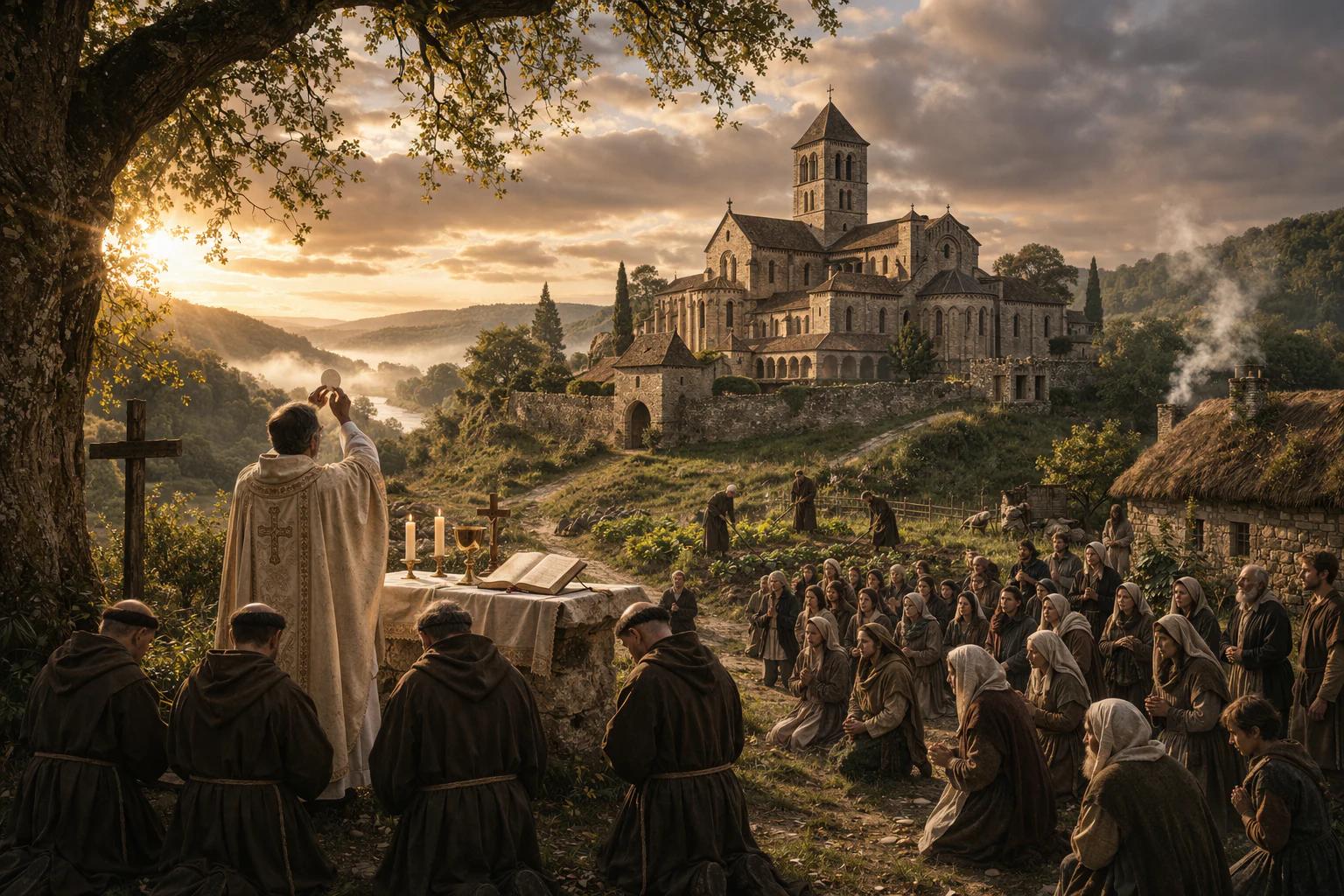
Pius V began life as Michele Ghislieri, born near Alessandria in 1504. His Dominican formation mattered deeply. The order valued preaching, doctrine, austerity and the defence of orthodoxy, all of which marked his later career. He rose through church office as a man associated with strict reform rather than Renaissance display, and that reputation helped carry him into senior responsibility during the Catholic response to Protestantism.
1566

Reform pope

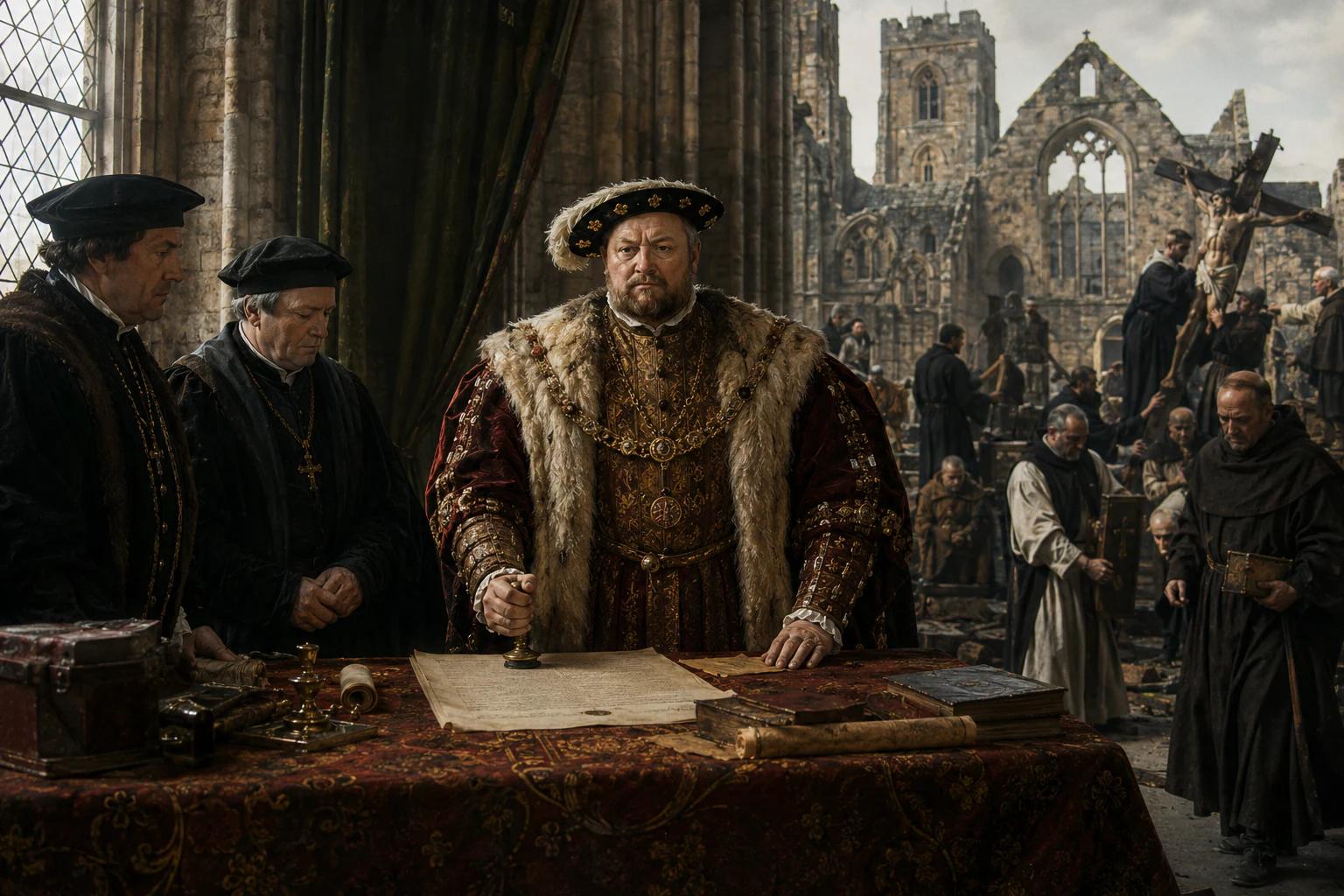
Pius V became pope in 1566, just after the Council of Trent had given Catholic reform a clearer institutional programme. He pushed clerical discipline, liturgical standardisation and moral reform while also treating Protestant expansion as an urgent spiritual and political threat. His papacy belonged to a Europe in which religious allegiance and state power were increasingly difficult to separate.

1570

Regnans in Excelsis

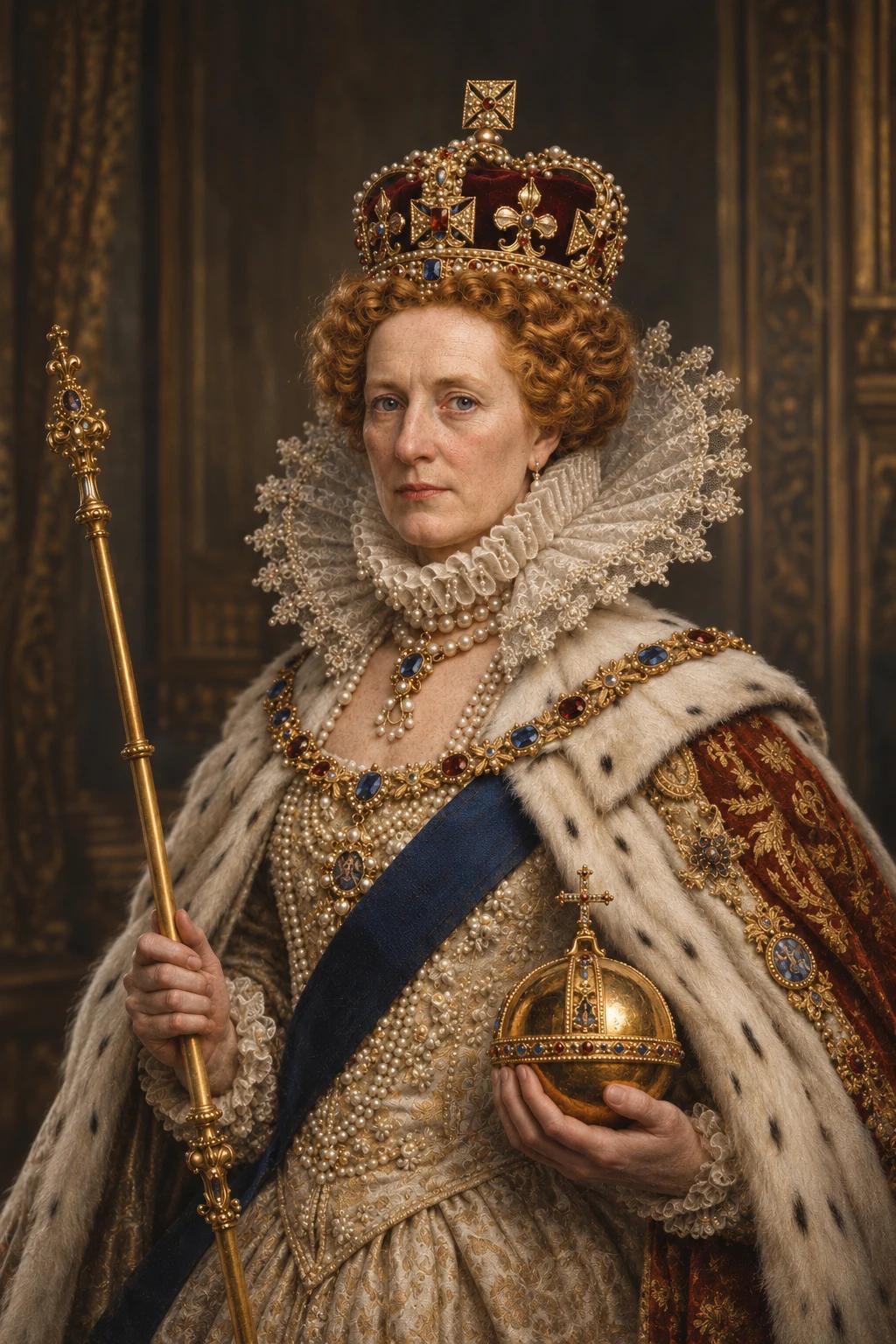
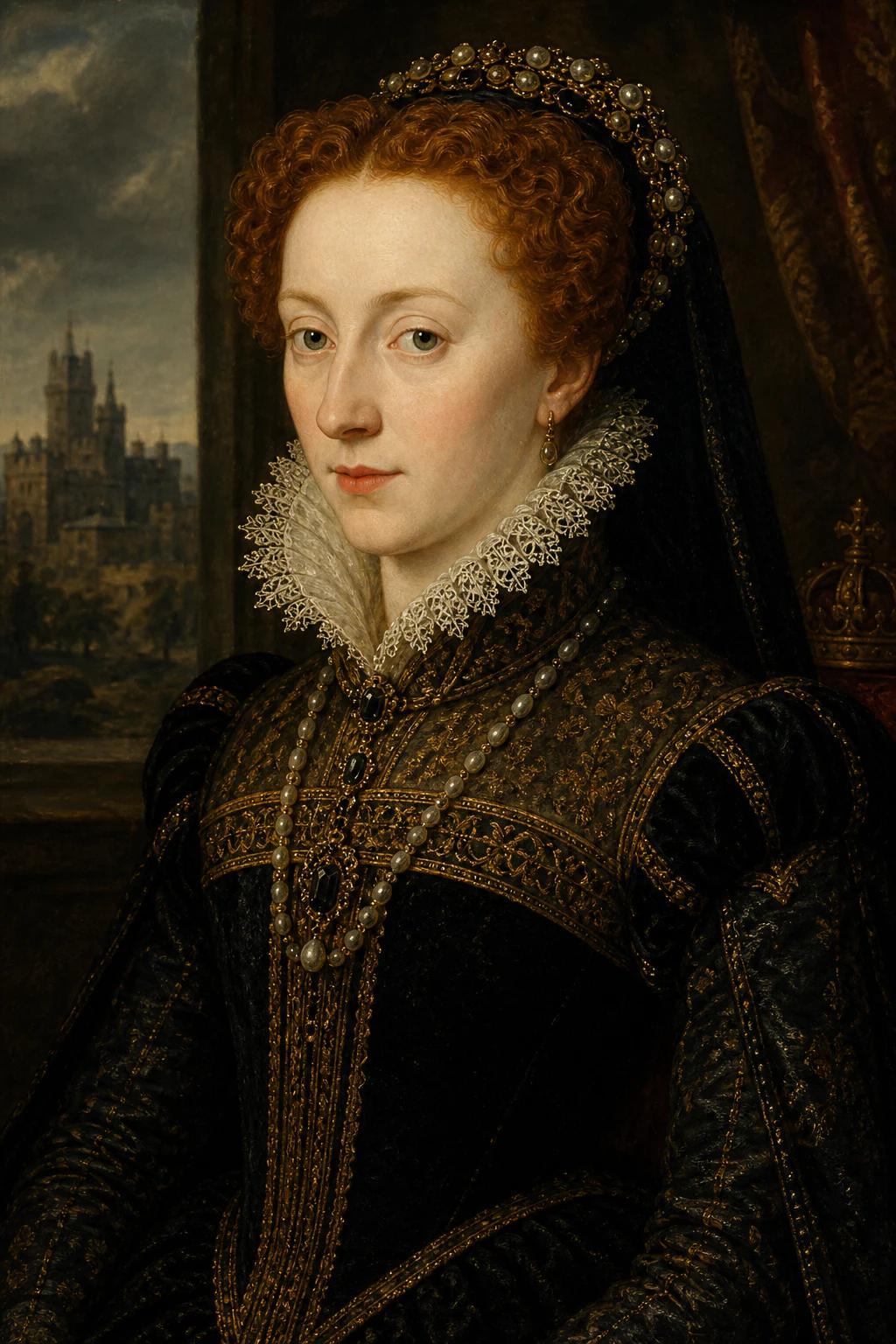
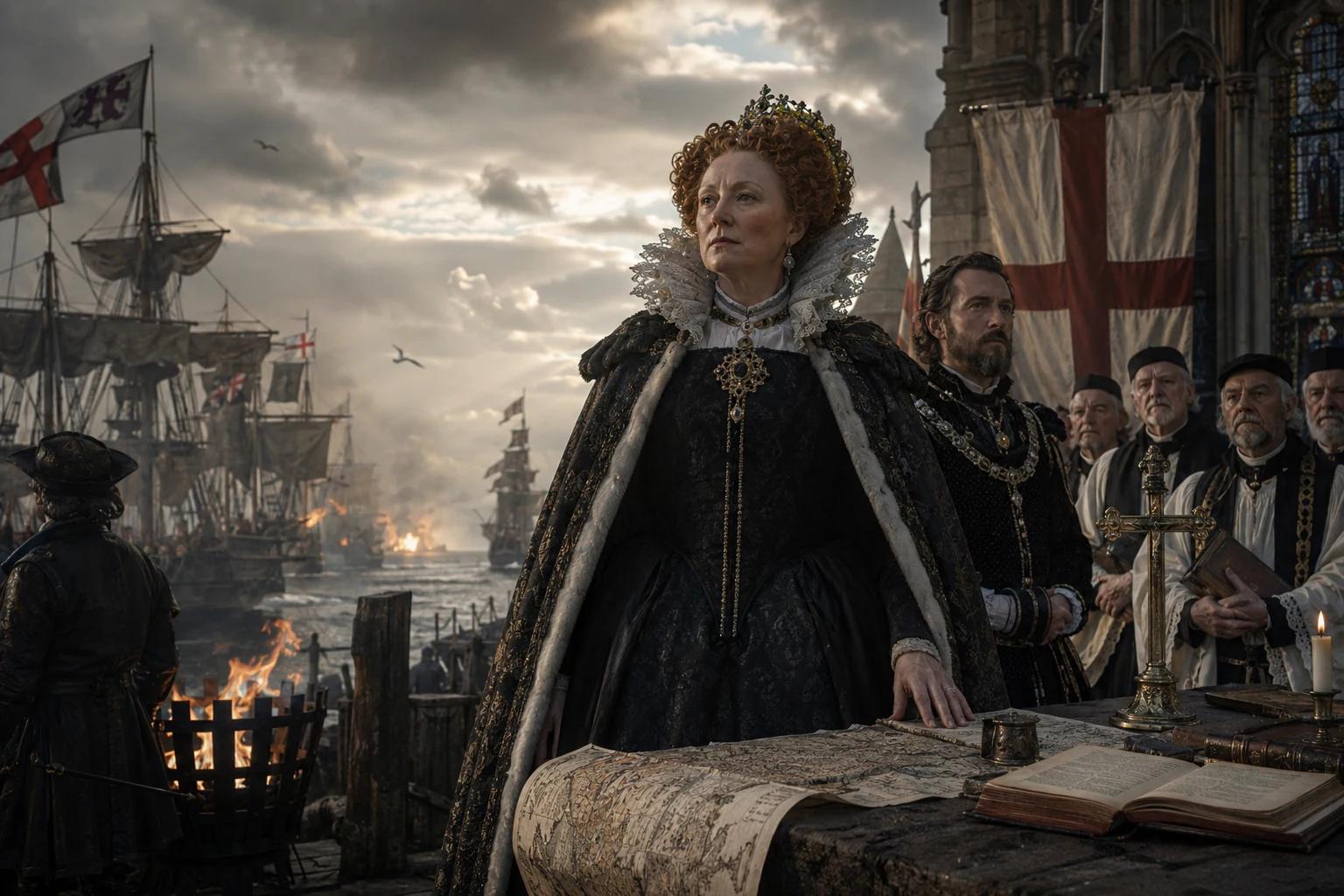
Regnans in Excelsis was one of the most consequential acts of Pius V's papacy. It declared Elizabeth I a heretic and claimed she had forfeited her right to rule. In theory it defended Catholic authority; in practice it made life more dangerous for English Catholics by allowing Elizabeth's government to treat Catholic allegiance as a security threat. The bull hardened the connection between faith, loyalty and treason in Elizabethan England.

after 1572

Legacy

Pius V died in 1572 and was later canonised. His legacy is bound to the Counter-Reformation: reforming zeal, doctrinal clarity, papal authority and sharp conflict with Protestant rulers. In England, his name is especially tied to the excommunication of Elizabeth I and the worsening position of Catholics under her rule. His actions show how European religious politics could reach directly into domestic security.

Continue in context

Connected stories

Move from the profile into the wider events and settings this figure belongs to.

Keep exploring

Content note

This profile is written for educational use and connects to related Stories of History pages. The main portrait is an AI-assisted historical reconstruction, included as an illustrative aid rather than documentary evidence. Image policy

References

Sources and historical notes

Sources used to check this page, selected recommendations and historical notes.

Sources used

  1. Dicastery for the Causes of Saints, “Pio V,”

    Covers Michele Ghislieri’s Dominican career, papacy and later canonisation.

    Open source
  2. Catholic Library, “Regnans in Excelsis, 1570,”

    Provides an English translation of Pius V’s bull excommunicating Elizabeth I.

    Open source
  3. Cambridge University Press, “Transmitting and Translating the Excommunication of Elizabeth I,”

    Examines how the bull circulated in England and at European courts.

    Open source

Additional sources and notes

Loading reviewed claim sources...

Our editorial approach · Report a historical error

A monthly route through history

Find out first about the latest published stories, feature notes and occasional Premium offers in one monthly email.