← People

Philip II of Spain

Philip II of Spain was king of Spain from 1556 to 1598 and ruler of a vast Habsburg empire. His reign was marked by Catholic militancy, war in the Netherlands, conflict with Elizabeth I and the Spanish Armada of 1588.

Born
1527 CE
Died
1598 CE
Role
King of Spain
Also known as
Philip II, Philip of Spain

King of Spain (1527-1598)

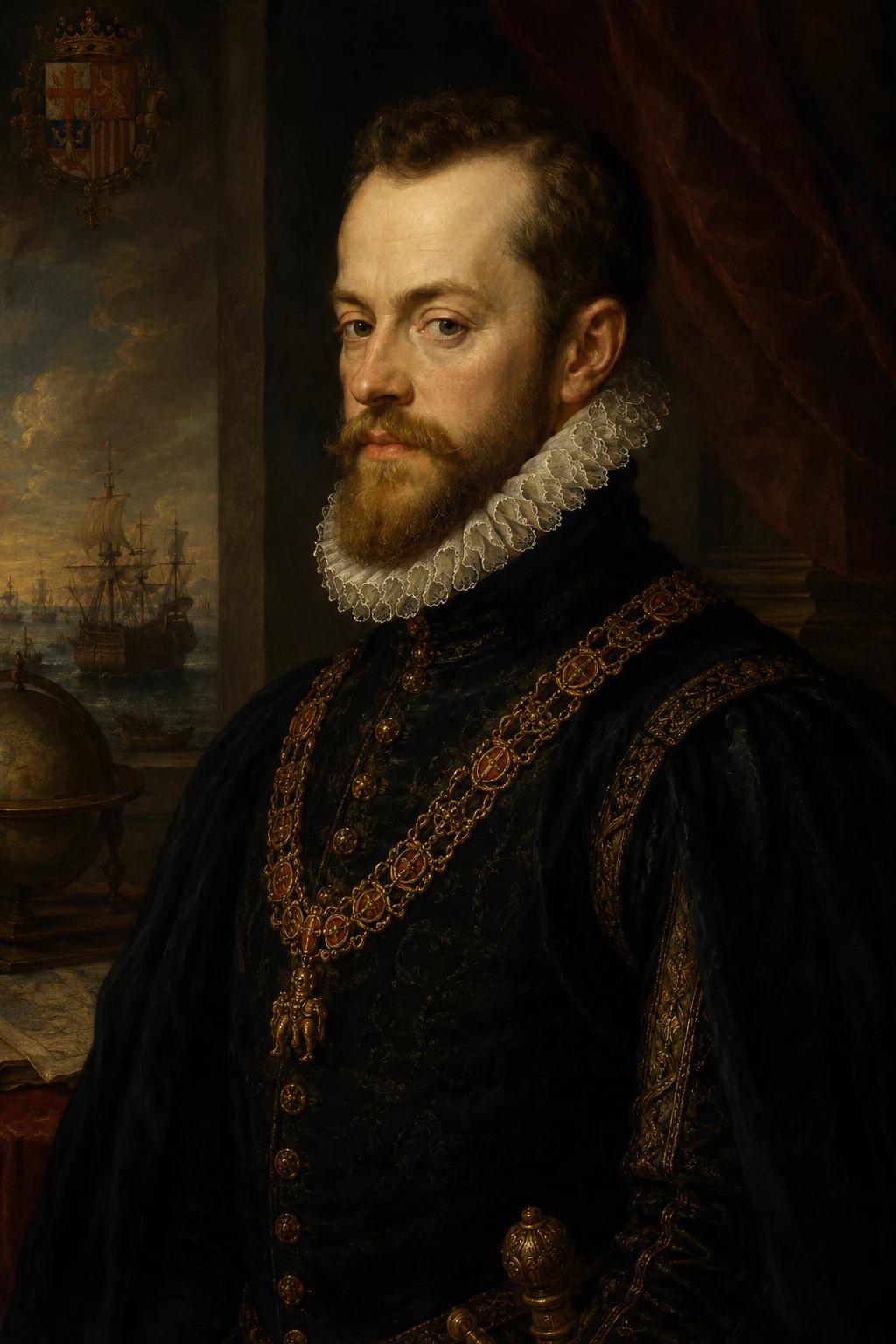
AI-generated portrait of Philip II of Spain in Habsburg court dress
AI-assisted historical reconstruction

An illustrative reconstruction based on historical context. It is not a photograph or documentary likeness. Image policy

Life Journey

Empire, Catholic monarchy and the Armada

Follow the key events and turning points in this life story.

Complete chronology

1527

Habsburg heir

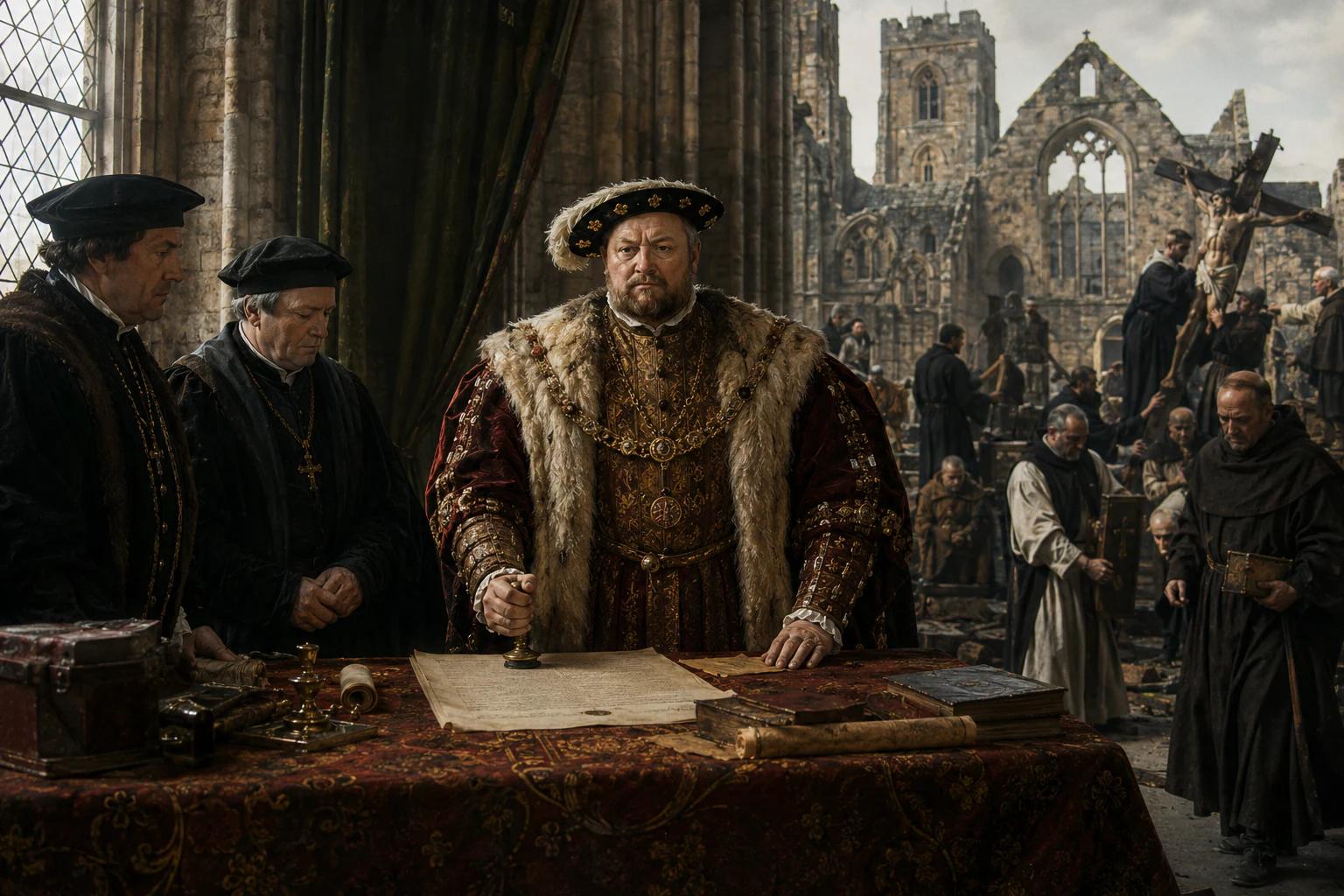
Philip II was the son of Charles V, whose possessions stretched across Spain, the Low Countries, Italy and the Americas. Philip inherited not a single compact kingdom but a composite monarchy held together by dynasty, administration, faith and military force. That inheritance made him powerful, but it also meant he spent his reign managing pressure on many fronts at once.
1554

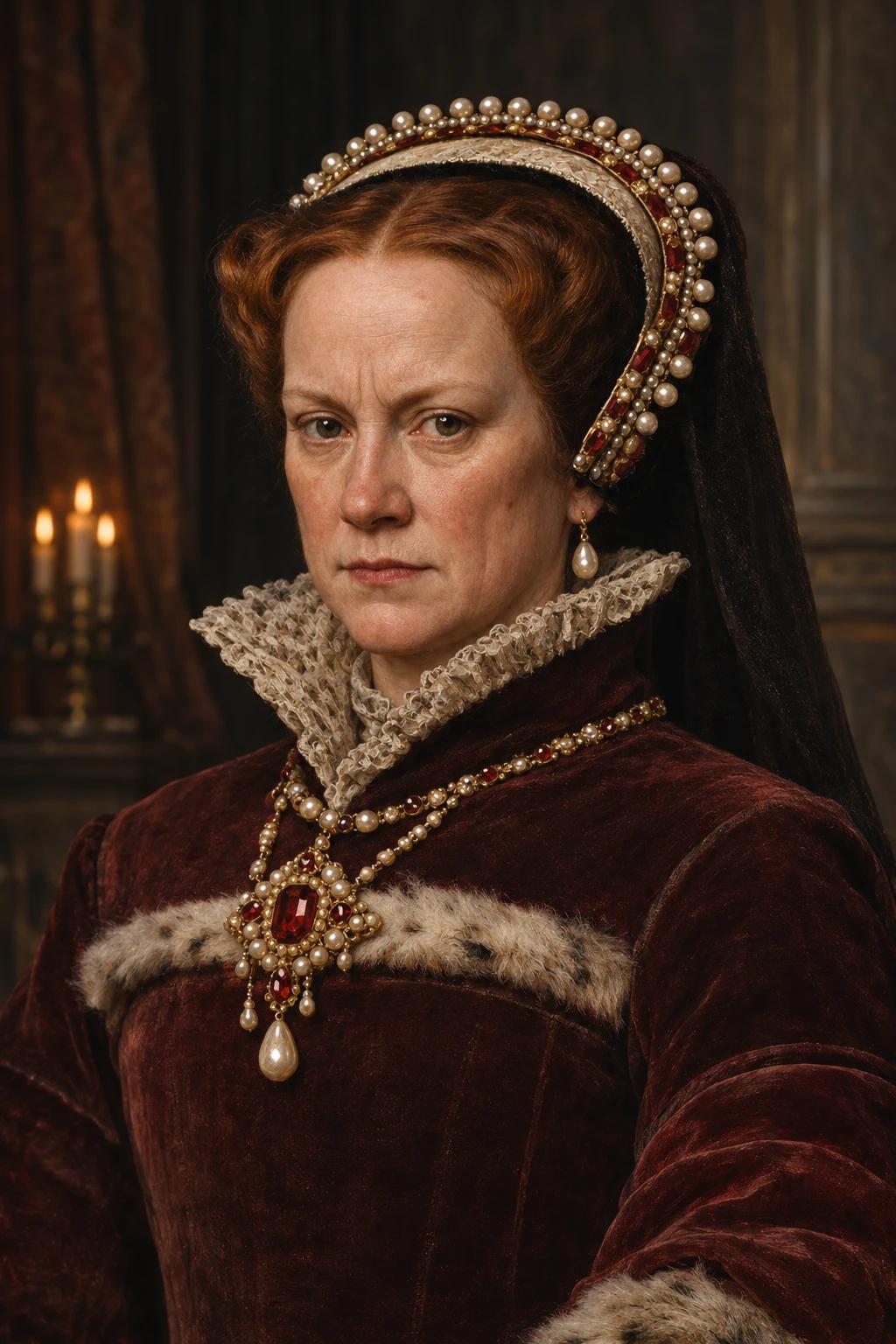
Marriage to Mary I

Philip's marriage to Mary I made him king consort of England, but the match was deeply unpopular among many English subjects who feared Spanish domination. Parliament limited his authority, and the marriage produced no heir. When Mary died in 1558, the connection ended, but the memory of Spanish Catholic influence remained politically powerful in Elizabethan England.

1560s-1580s

Conflict with Elizabeth

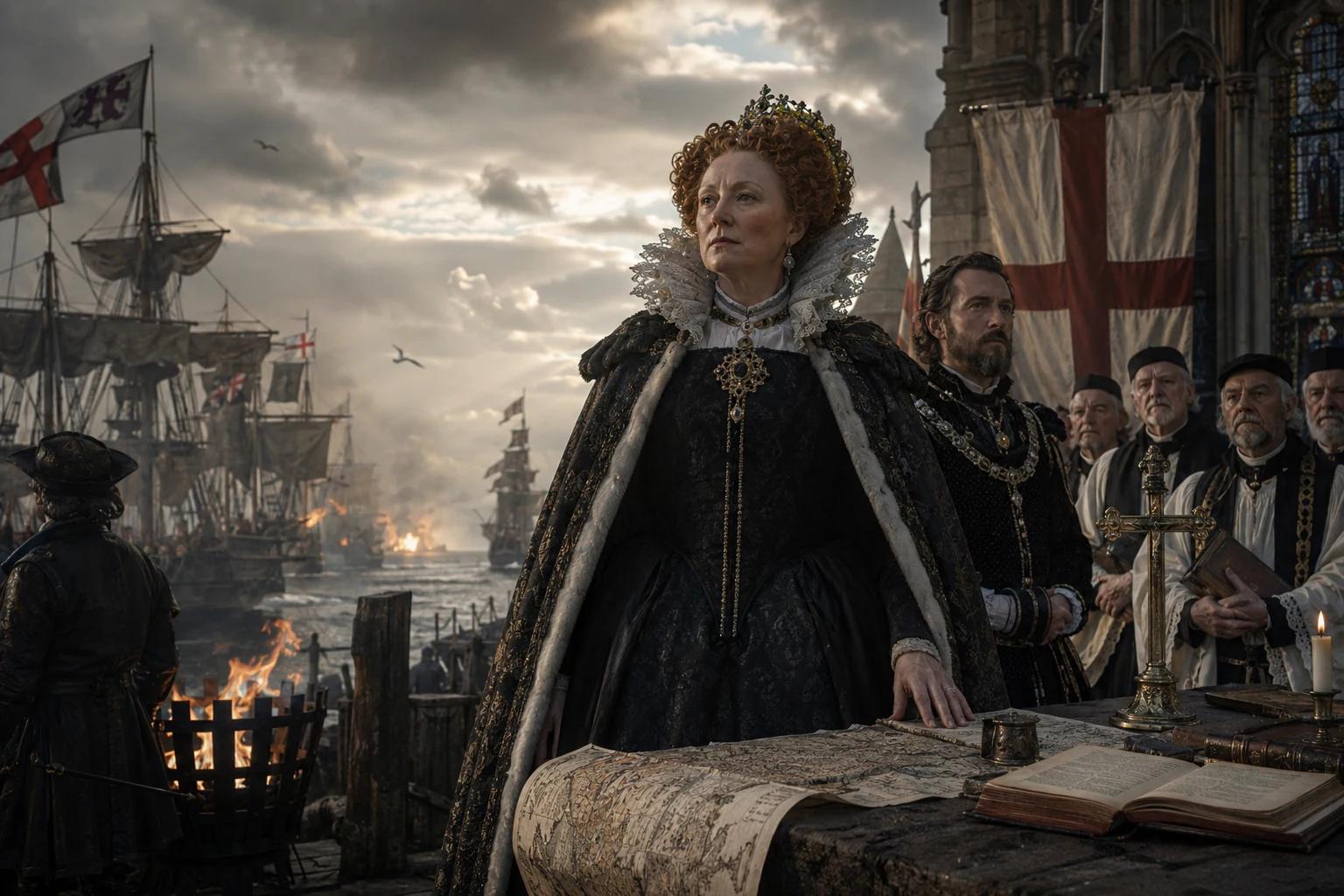
Philip and Elizabeth did not begin as inevitable enemies, but their interests steadily diverged. English privateers raided Spanish shipping, Elizabeth's government aided Protestant rebels in the Netherlands, and Catholic hopes attached to Mary Queen of Scots threatened Elizabeth's regime. By the 1580s, the conflict had become both strategic and confessional.

1588

The Armada

The Spanish Armada was meant to secure a crossing from the Netherlands and overthrow Elizabeth's Protestant regime. The plan was ambitious but difficult to coordinate. English ships disrupted the fleet in the Channel, fireships broke its formation near Gravelines, and storms wrecked many surviving ships on the return route around Scotland and Ireland. The defeat damaged Spanish prestige but did not end Spain's power.

Continue in context

Connected stories

Move from the profile into the wider events and settings this figure belongs to.

Keep exploring

Content note

This profile is written for educational use and connects to related Stories of History pages. The main portrait is an AI-assisted historical reconstruction, included as an illustrative aid rather than documentary evidence. Image policy

References

Sources and historical notes

Sources used to check this page, selected recommendations and historical notes.

Sources used

  1. Yale University Press, “Philip of Spain,”

    Introduces a scholarly biography of Philip and his management of a far-reaching monarchy.

    Open source
  2. The National Gallery, “Philip II, King of Spain,”

    Connects portraits of Philip to his reign, international marriages and patronage.

    Open source
  3. Patrimonio Nacional, “Royal Site of San Lorenzo de El Escorial,”

    Describes the monastery and royal complex commissioned by Philip II.

    Open source

Additional sources and notes

Loading reviewed claim sources...

Our editorial approach · Report a historical error

A monthly route through history

Find out first about the latest published stories, feature notes and occasional Premium offers in one monthly email.