This story discusses war, violence, persecution, and death in an educational historical context.
Reading mode
Accessible gives a lighter overview. Deep Dive tells the fuller story.
Quick Answers
What was the English Reformation?
The English Reformation was a series of sixteenth-century changes in church authority, belief and worship. Henry VIII rejected papal authority; Edward VI's government advanced Protestant reform; Mary I restored communion with ; and Elizabeth I established a Protestant settlement that remained contested.
At a glance
Date range: 1527 to 1603.
Henry VIII’s break with papal authority reshaped church government, while later rulers changed doctrine and worship.
Henry VIII's marriage crisis helped drive the legal break with ; religious reform involved wider convictions and conflicts.
The dissolution of the monasteries transferred enormous wealth and reshaped the social geography of England.
Common questions
Why did Henry VIII break with the Roman Catholic Church?
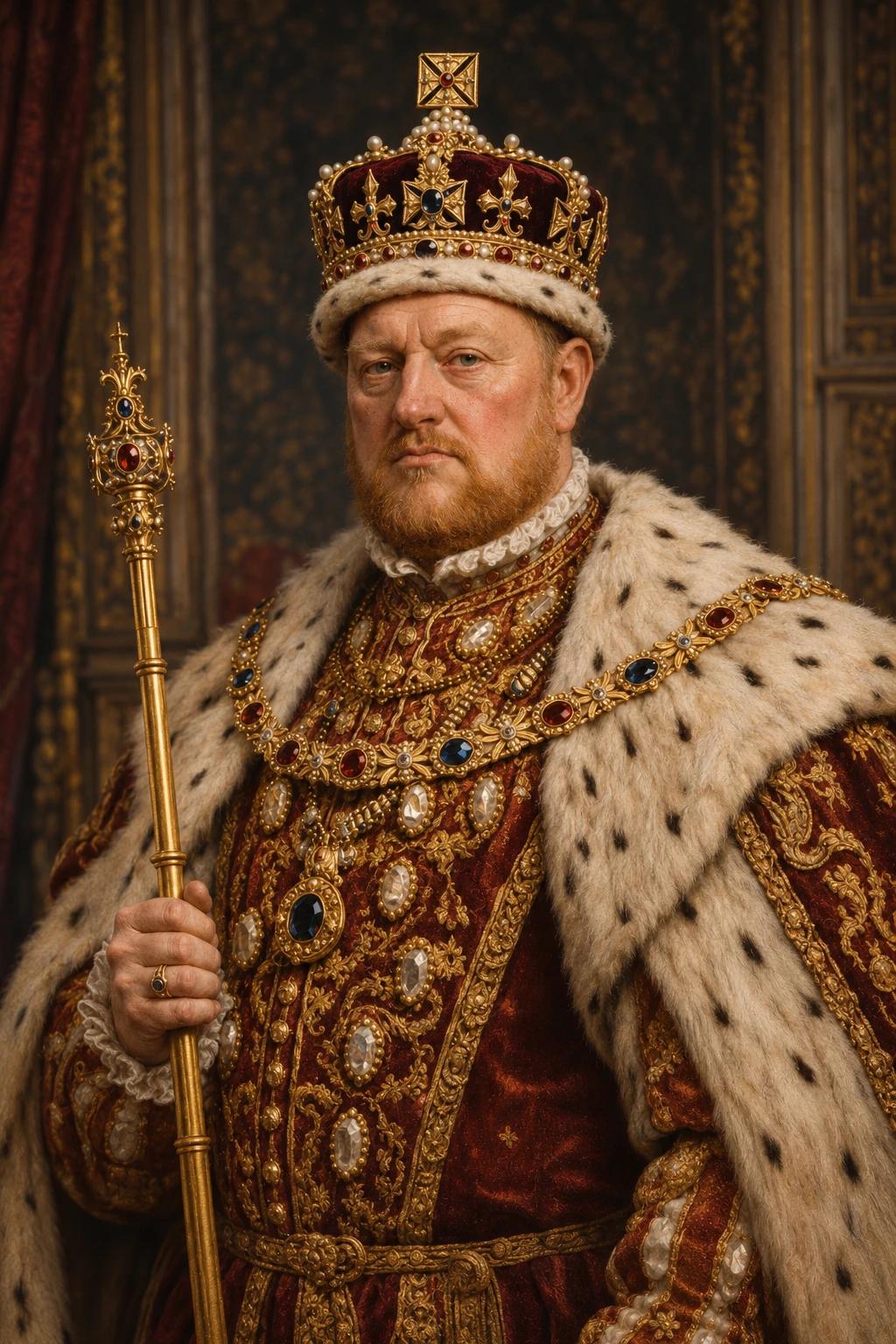
Henry sought an annulment of his marriage to Catherine of Aragon, which the papacy would not grant. Dynastic concerns, his wish to marry Anne Boleyn and disputes about authority helped drive the break. Parliament's legislation then expanded royal control of the church.
Royal supremacy replaced papal authority, monasteries were dissolved, worship changed, English Bibles spread, and religious identity became tied to politics and obedience.
How did Elizabeth I settle religion?
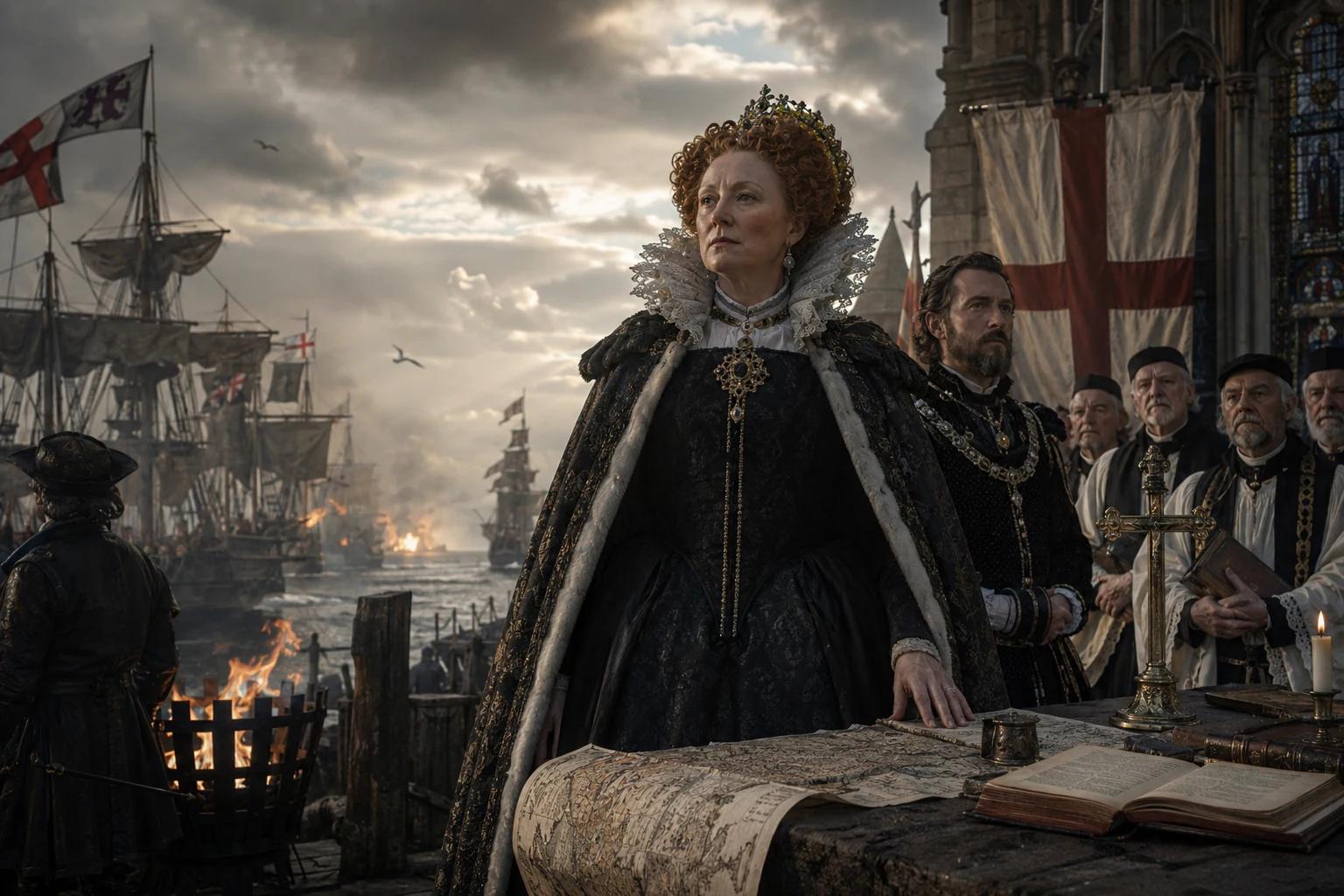
The 1559 settlement restored royal supremacy and Protestant worship while retaining bishops and some older ceremonies. Attendance was compulsory. Catholics and Protestants seeking further reform responded in different ways, and religious conflict continued.
Context
Introduction
Overview
Henry VIII's dispute over his marriage became a break between the English crown and . The change reached far beyond royal politics: monasteries closed, worship altered and communities faced new demands of loyalty. Successive rulers pushed religion in different directions, leaving a transformed church and kingdom.
Key forces
Henry VIII's marriage crisis helped drive a legal break with , while wider religious convictions shaped reform.
The dissolution of the monasteries transferred enormous wealth and reshaped the social geography of England.
Changes under four Tudormonarchs repeatedly altered worship and authority; Elizabeth's Protestant settlement remained contested.
The Reformation reshaped the relationship between church and crown and strengthened a Protestant public identity without eliminating other beliefs.
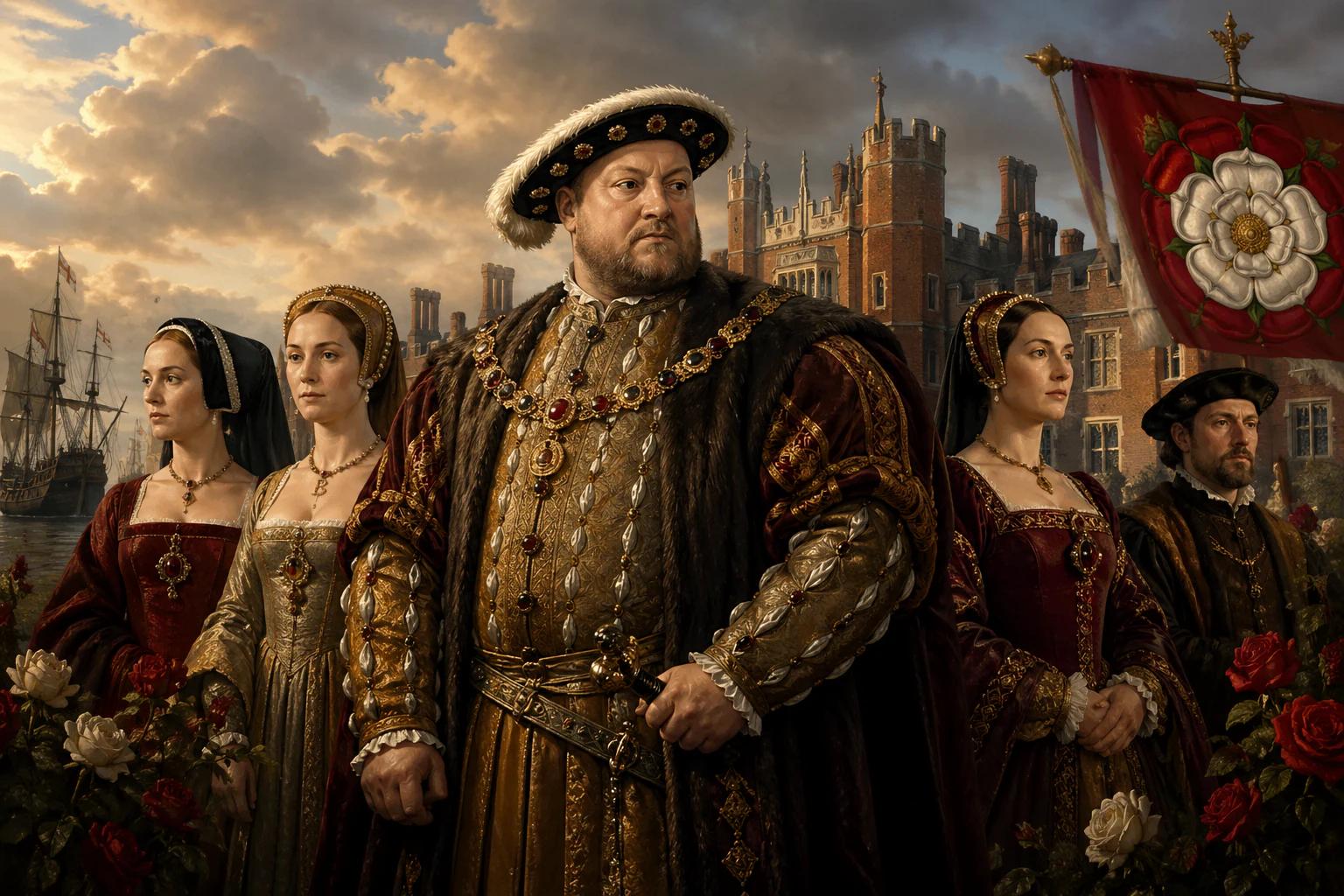
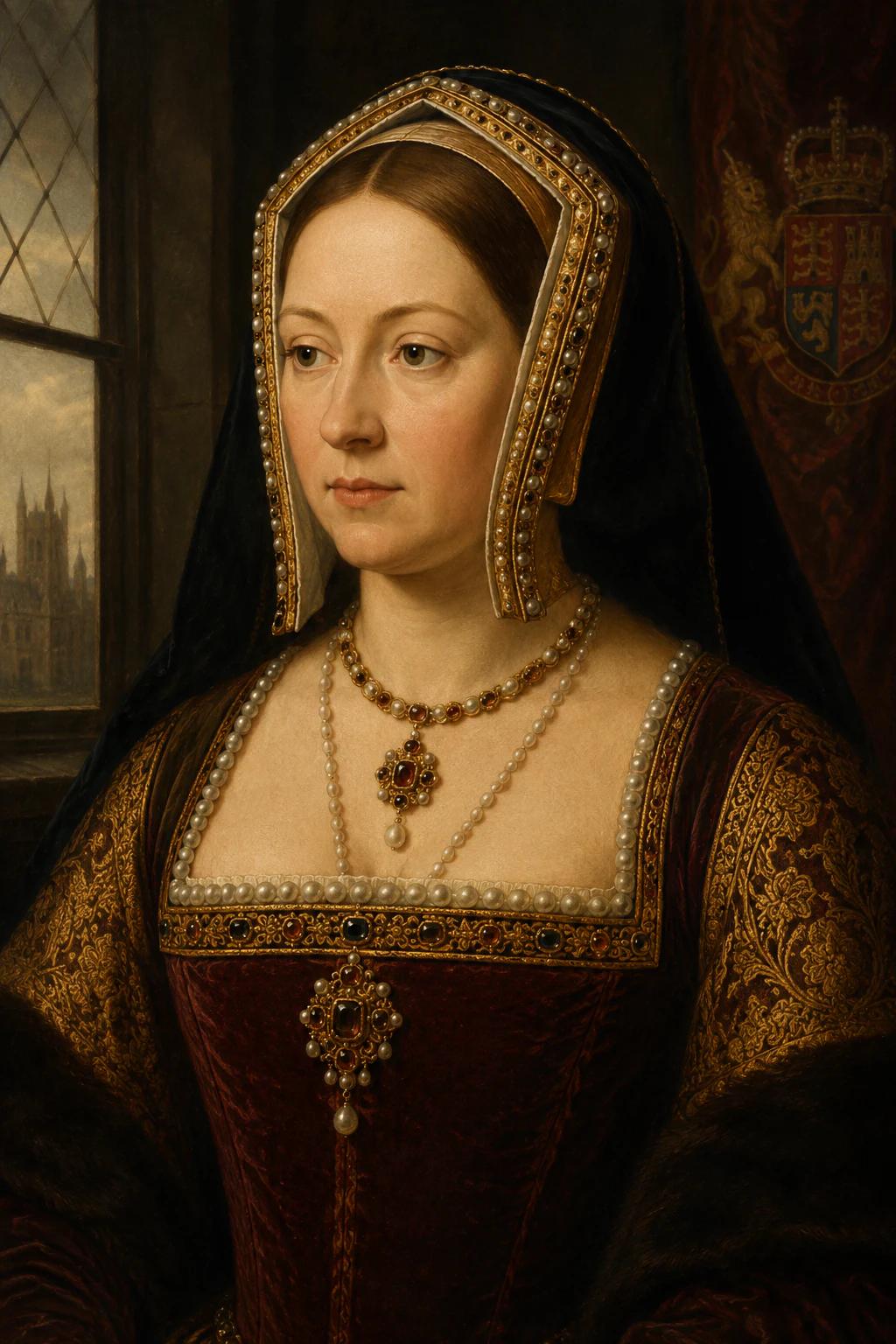
Henry had married Catherine in 1509. Of their children, only Mary survived. Henry wanted a legitimate son to secure the dynasty.
A daughter could inherit, but Henry feared a disputed succession. Memories of civil war made the future of the dynasty an urgent political concern.
Henry became convinced his marriage was invalid. He believed he needed an annulment from the Pope to be free to marry again.
Catherine defended the marriage. Her nephew, Emperor Charles V, was a powerful opponent of an annulment, and his forces' sack of in 1527 placed the pope under intense pressure.
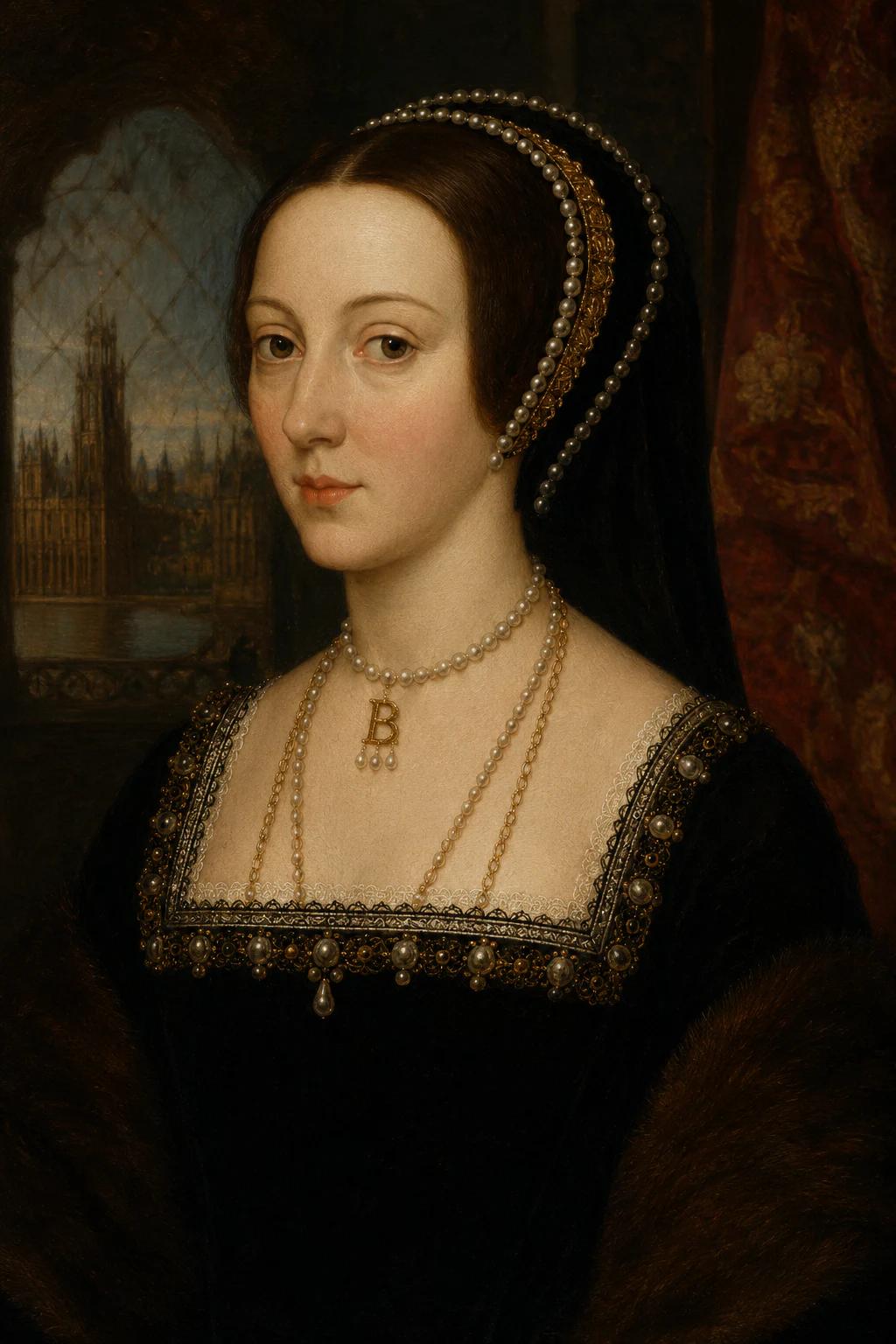
Henry also wanted to marry Anne Boleyn. His attachment to her and his hopes for a son added urgency to the legal and religious dispute.
What began as a personal problem became a political crisis. Henry could not get what he wanted through . That would push him to look for another way.
After years of failed diplomacy, Henry stopped waiting for the Pope.Parliament passed a series of laws transferring religious authority to the king.
The Act of Supremacy recognised Henry as Supreme Head of the Church of England.Parliament's laws displaced papal jurisdiction with royal authority.
Henry had already married Anne Boleyn secretly in January 1533. In May, Archbishop Thomas Cranmer declared his marriage to Catherine invalid and confirmed the new marriage.
Opposition could bring imprisonment and death. Thomas More refused the oath required under the succession legislation and was later convicted of treason for denying royal supremacy.
The change gave the crown far greater control over the church. It also made disputes about faith and conscience questions of loyalty to the king.
1536 CE
Step 3 of 101536 CEAccessible mode
The Dissolution of the Monasteries
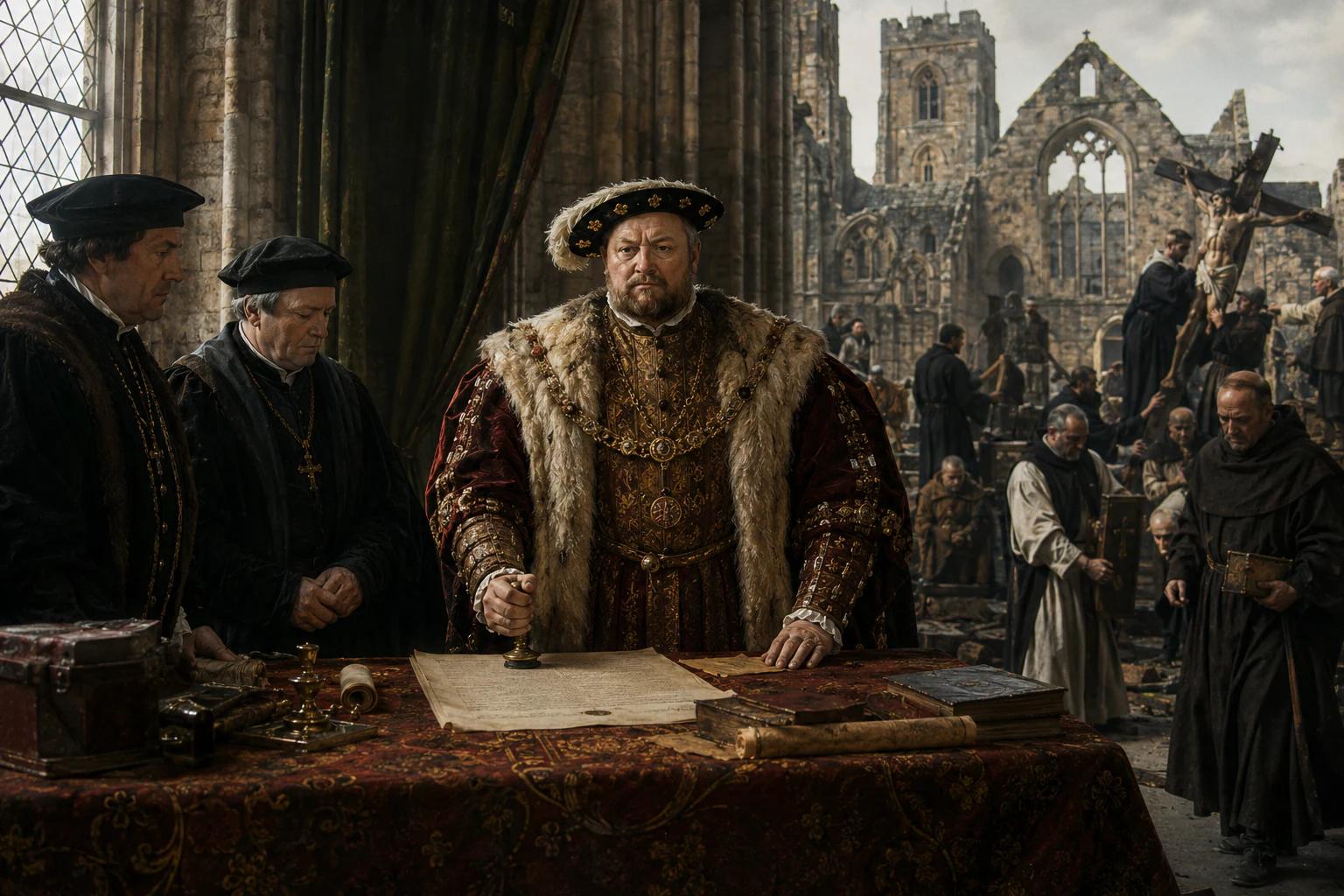
From 1536, Henry's government began closing England's monasteries and seizing their wealth.
Thomas Cromwell sent inspectors across the country to assess the monasteries. Their reports were used to justify closures, citing corruption and poor standards.
The smaller monasteries were dissolved first. The larger ones followed. By 1540, virtually every religious house in England had been shut down.
The crown gained enormous amounts of land, buildings, and treasure. Some of this wealth funded royal projects. Much of it was sold off to landowners and merchants.
The social impact was enormous. Monasteries had been centres of education, hospitality, and poor relief. Their closure left gaps in local communities that were not easily filled.
The landscape of England changed permanently. Ancient abbeys were stripped, abandoned, or converted into private houses. The physical presence of medieval Catholic life was dismantled.
The dissolution transferred much religious property into secular hands. New owners had a direct interest in retaining their estates, whatever their personal religious beliefs.
PremiumFree preview: 3 of 10 chapters
Continue The English Reformation
Sign up to a Premium account to read the remaining chapters of this story.
A paid Premium subscription also gives you full access to every other Premium story.