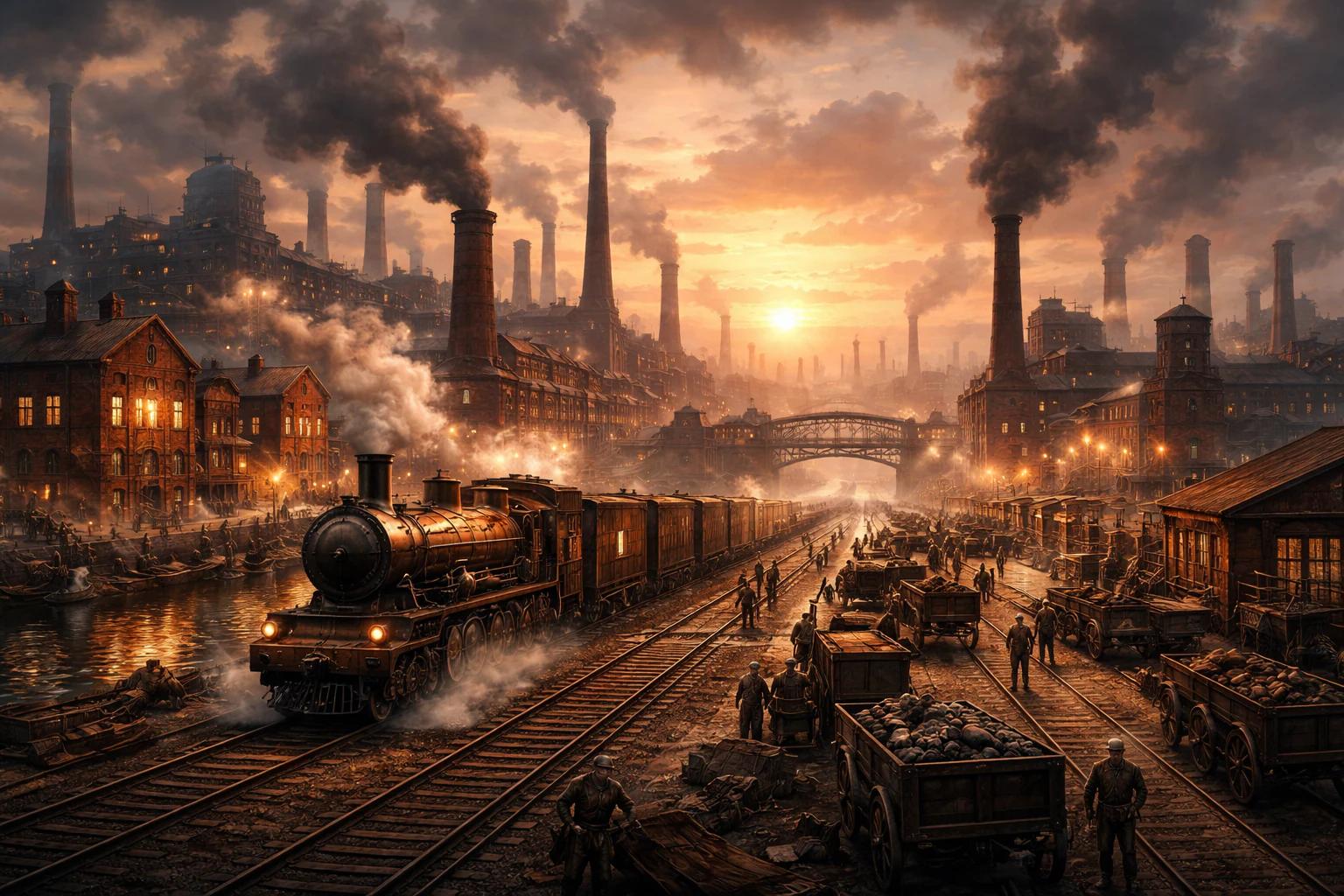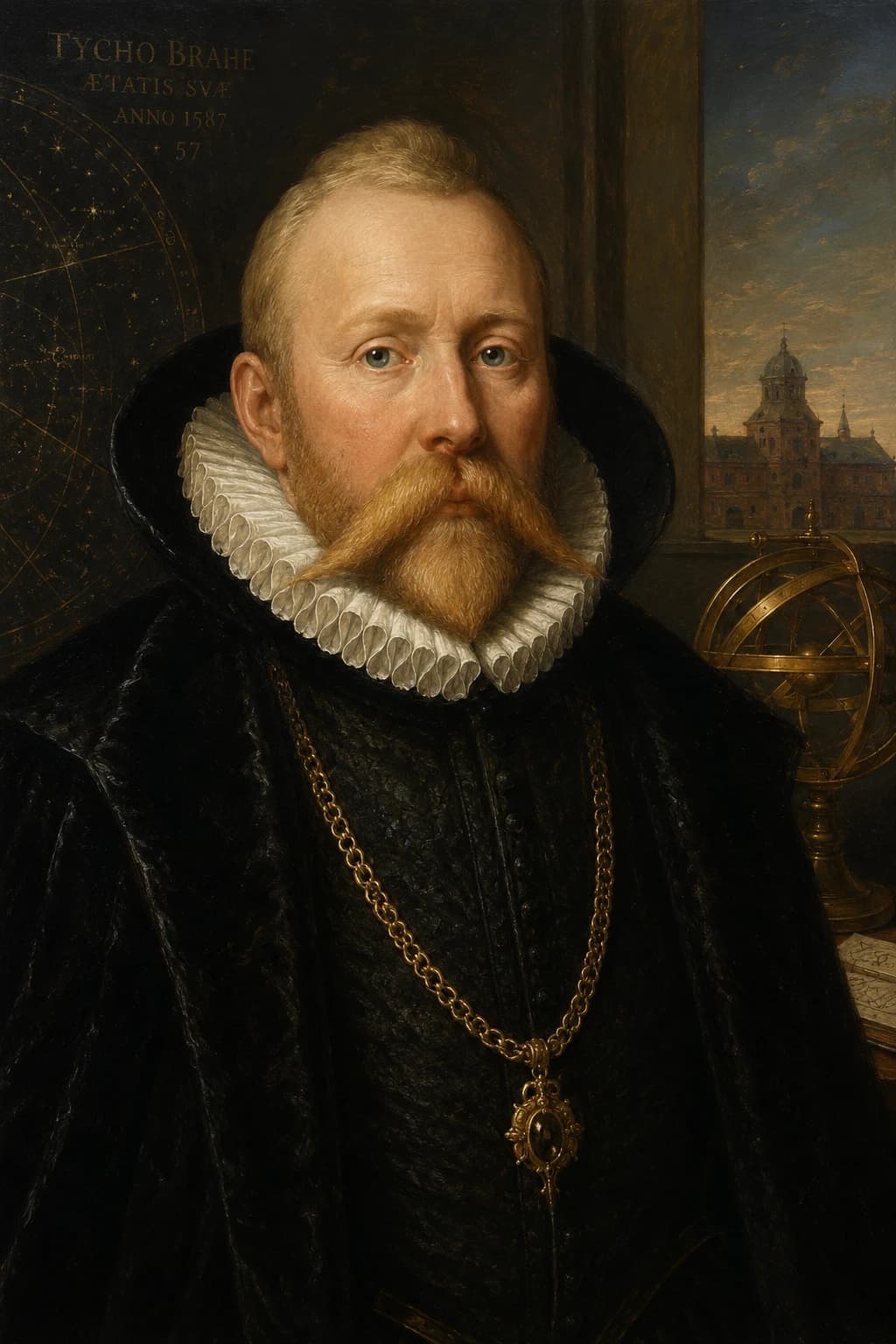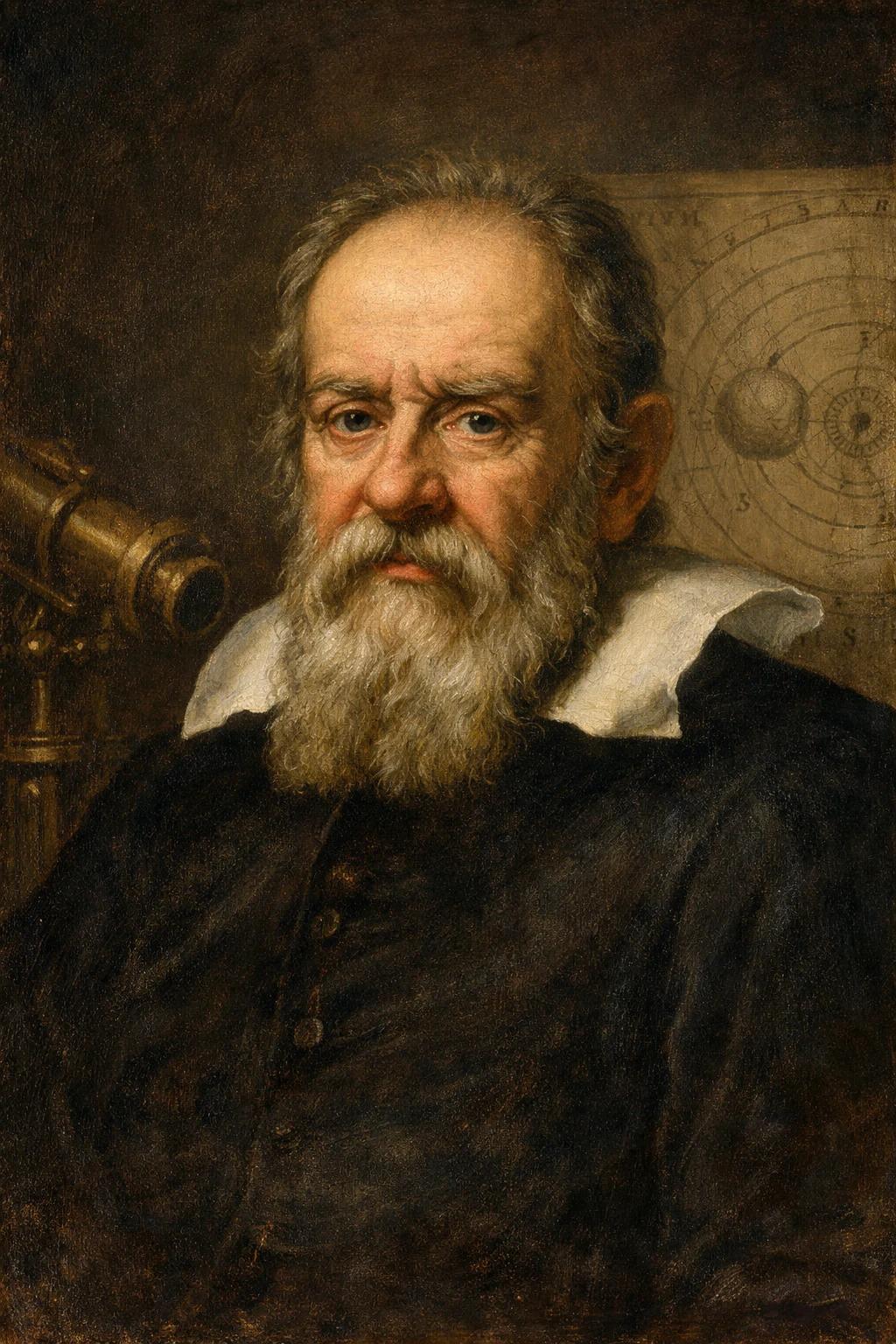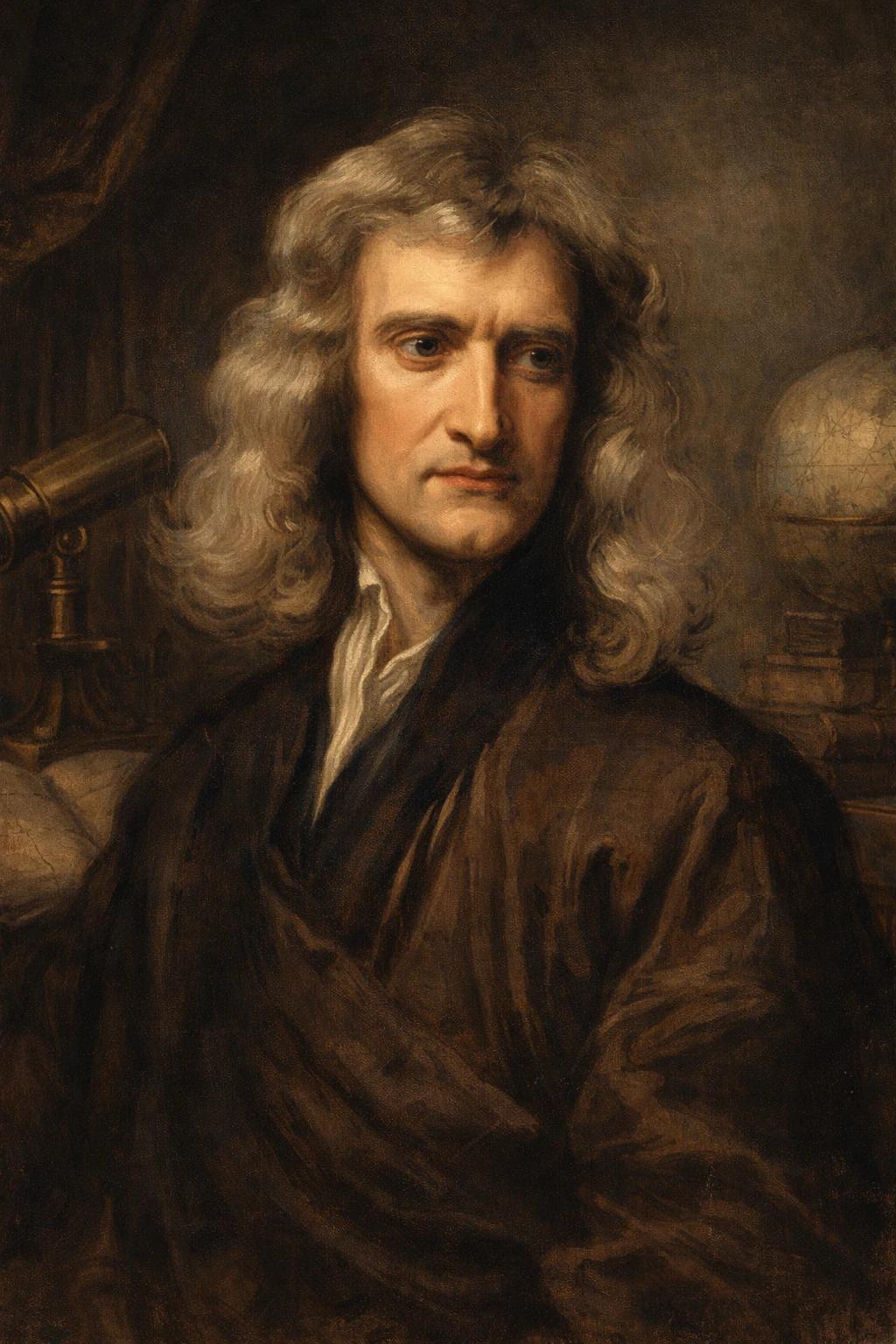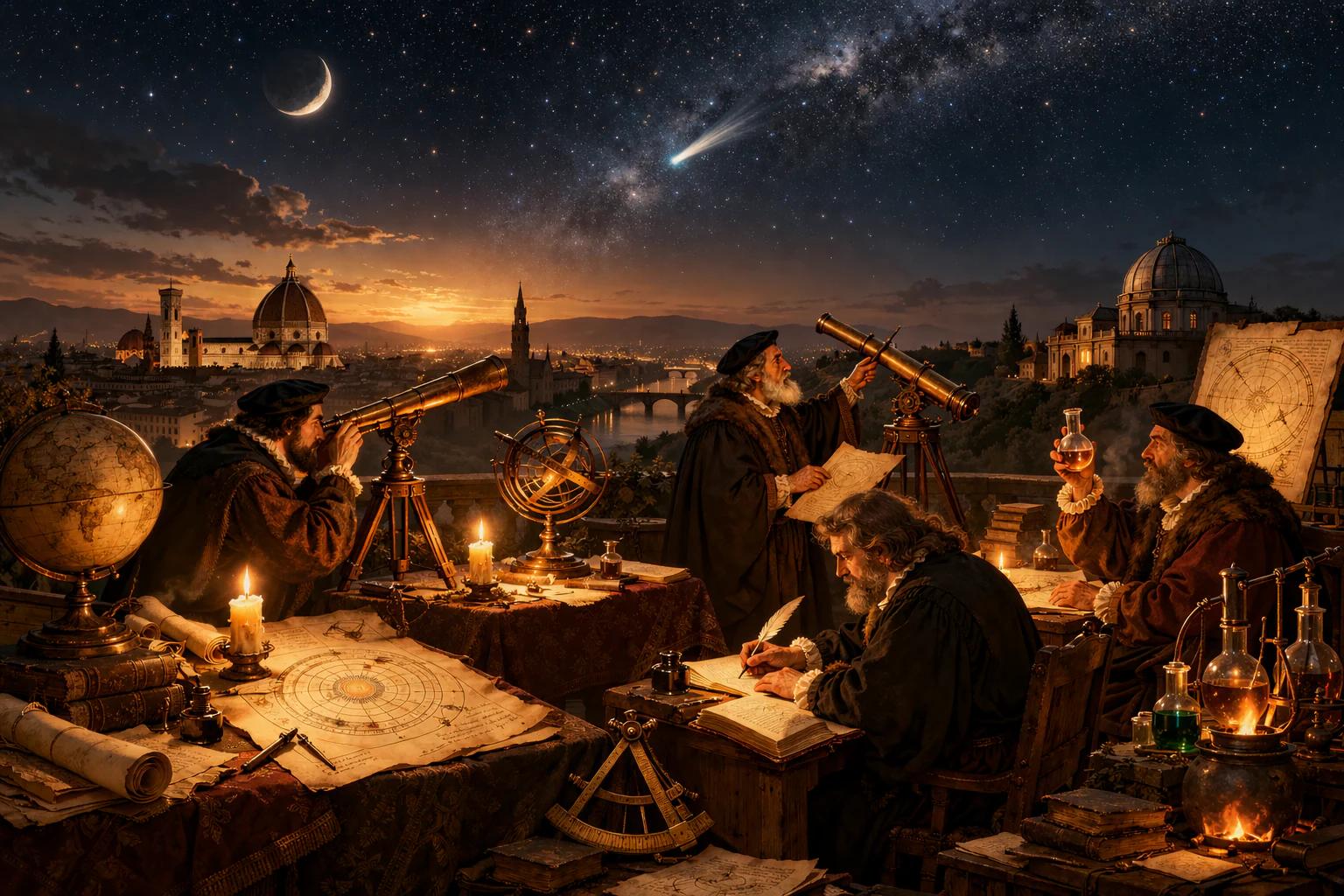
Early modern scientists observing the cosmos with telescopes and instruments.

Premium Story

The Scientific Revolution

Discover the Scientific Revolution, when observation, experiment, mathematics, and doubt remade human knowledge.

11 chapters

Next
Context

Introduction

Overview

The Scientific Revolution was the transformation of knowledge in early modern Europe, when observation, experiment, mathematics, and new instruments challenged older explanations of nature. Thinkers such as Copernicus, Galileo, Kepler, Newton, and others changed understandings of astronomy, physics, anatomy, and method. It helped create modern science, but also developed within older worlds of religion, philosophy, patronage, and debate.

Key forces

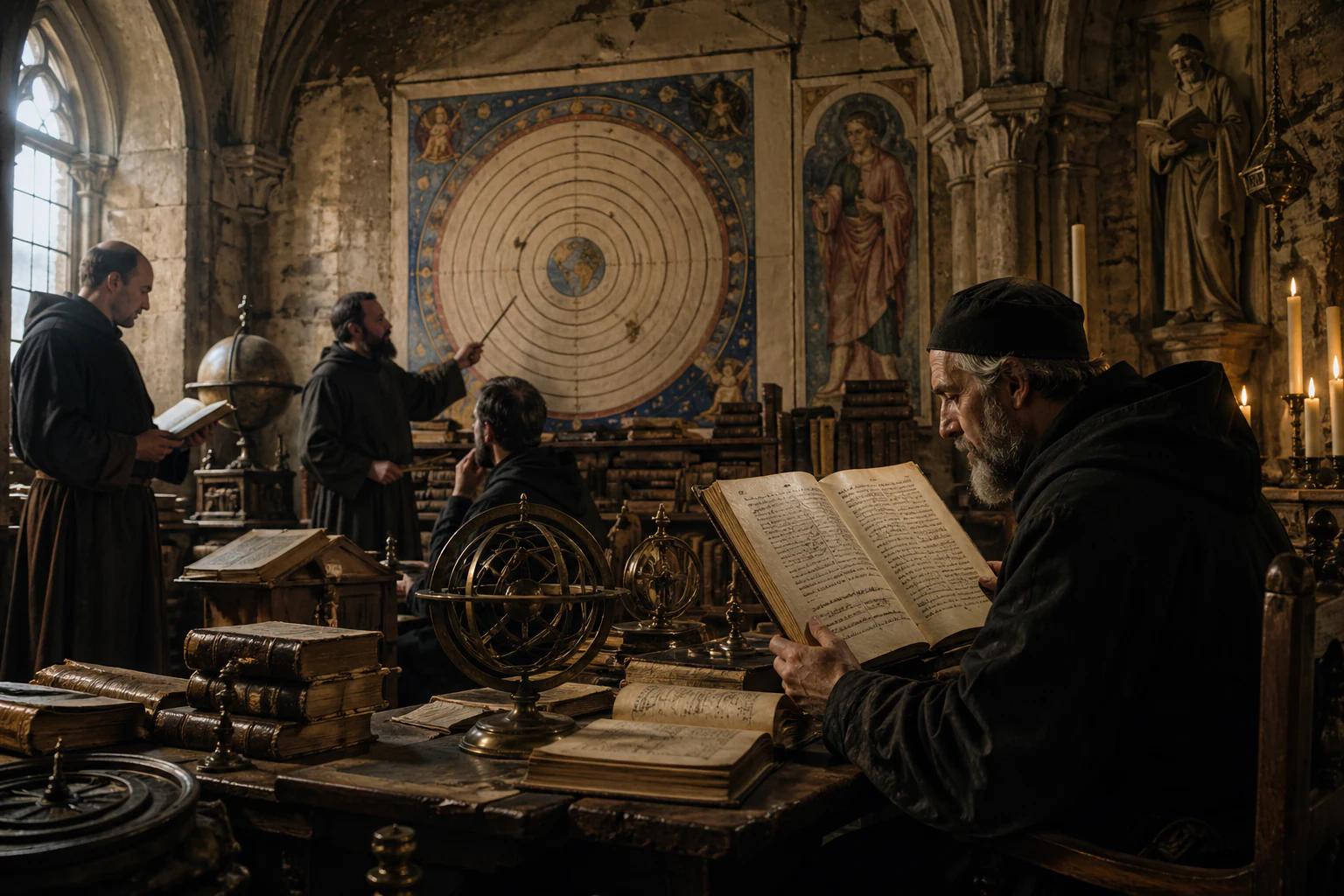
Medieval scholars studying Aristotelian texts and celestial diagrams in a candlelit scriptorium.
1200 CE
Step 1 of 101200 CEAccessible mode

The Medieval Framework of Nature

For most people in medieval Europe, the universe was not a mystery to be solved. It was an order to be understood.

Medieval thinkers built their picture of the world on the writings of ancient Greek scholars, above all Aristotle and Ptolemy. These men had lived over a thousand years earlier, but their ideas were still treated as definitive.

Aristotle's world was divided into two zones. The Earth sat at the centre, heavy and imperfect. The heavens above moved in perfect circles, driven by pure, unchanging forces. Everything had its natural place.

Ptolemy had mapped the night sky using this system. His model placed the Earth at the centre of the cosmos, with the Sun, Moon, and planets revolving around it.

The Church accepted and built upon these ideas. Scholars called scholastics worked to bring ancient learning and Christian belief together. They worked with inherited authorities, but also used observation and practical investigation.

This framework was influential, but medieval scholars also debated its limits and questioned particular explanations.

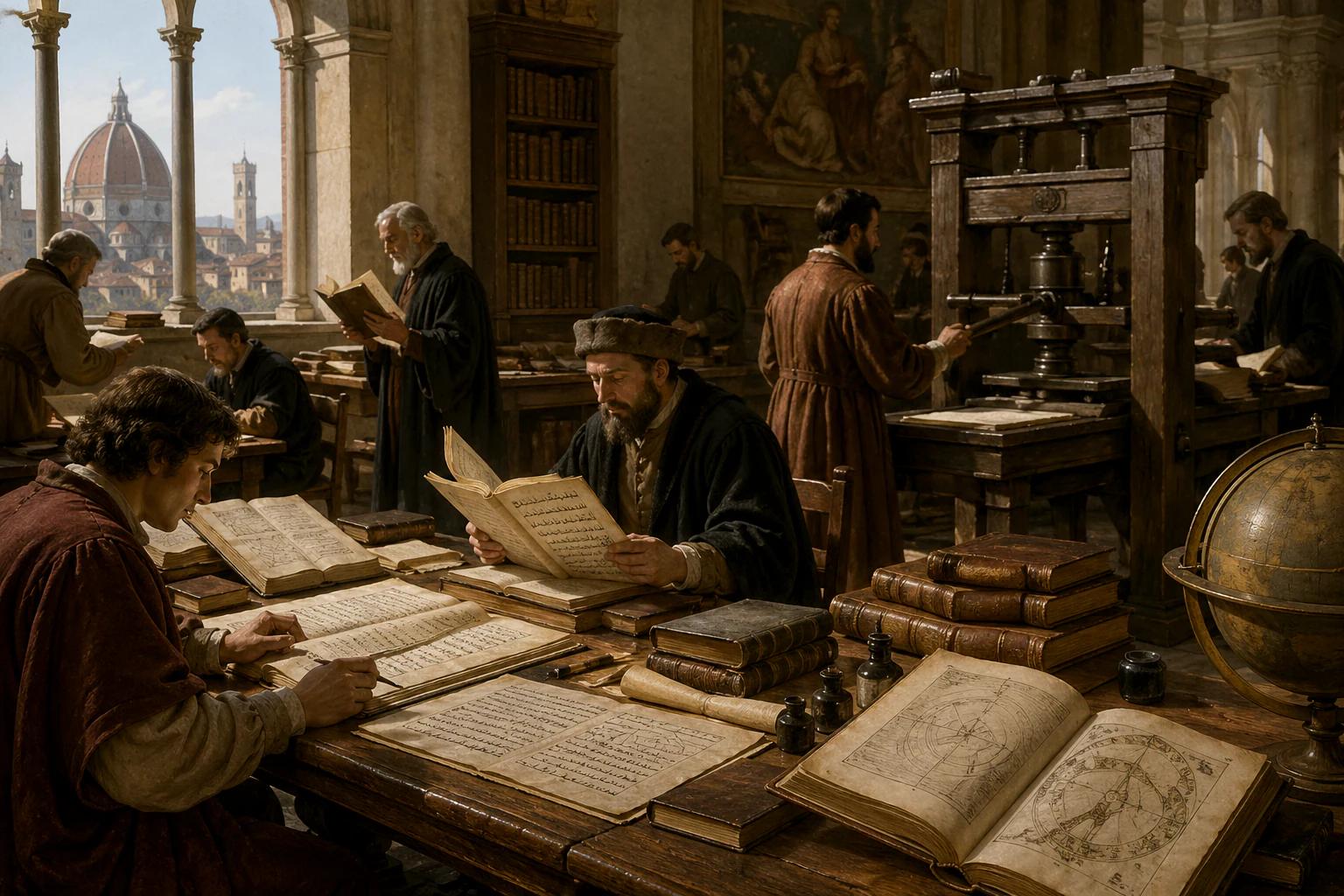
Renaissance scholars in Florence examining ancient Greek manuscripts alongside a printing press.
1453 CE
Step 2 of 101453 CEAccessible mode

The Recovery of Ancient Knowledge

Old knowledge travelled, changed hands, and opened new questions.

Greek scholars and manuscripts had been moving west before Constantinople fell to the Ottoman Empire in 1453. After the conquest, further movement added to the exchange.

This helped spark the Renaissance, a period when scholars and artists looked back to ancient Greece and Rome for inspiration. Reading old texts with fresh eyes sometimes meant seeing them differently.

Arabic scholars had also preserved and extended ancient knowledge. Works on mathematics, medicine, and astronomy had been translated and expanded for centuries. From the twelfth century, translations brought many of these works to Latin readers and universities.

In the mid-1400s, printing with movable metal type began transforming the circulation of books in Europe. Ideas that once stayed in a few libraries could now reach thousands of readers across Europe.

This spread of ideas created a climate where inherited authority could be questioned. Scholars could compare sources, spot contradictions, and ask whether the old masters had always been right.

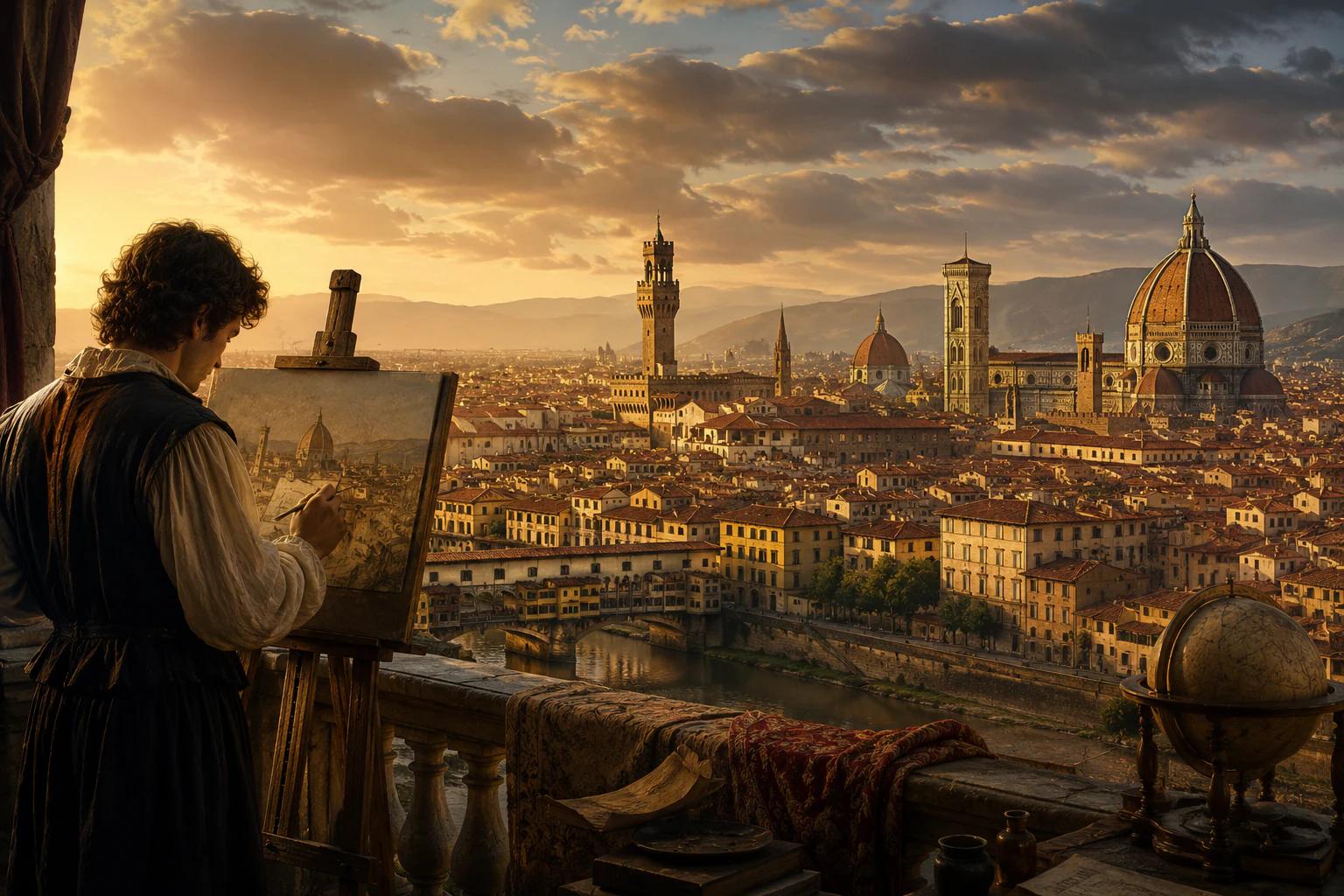
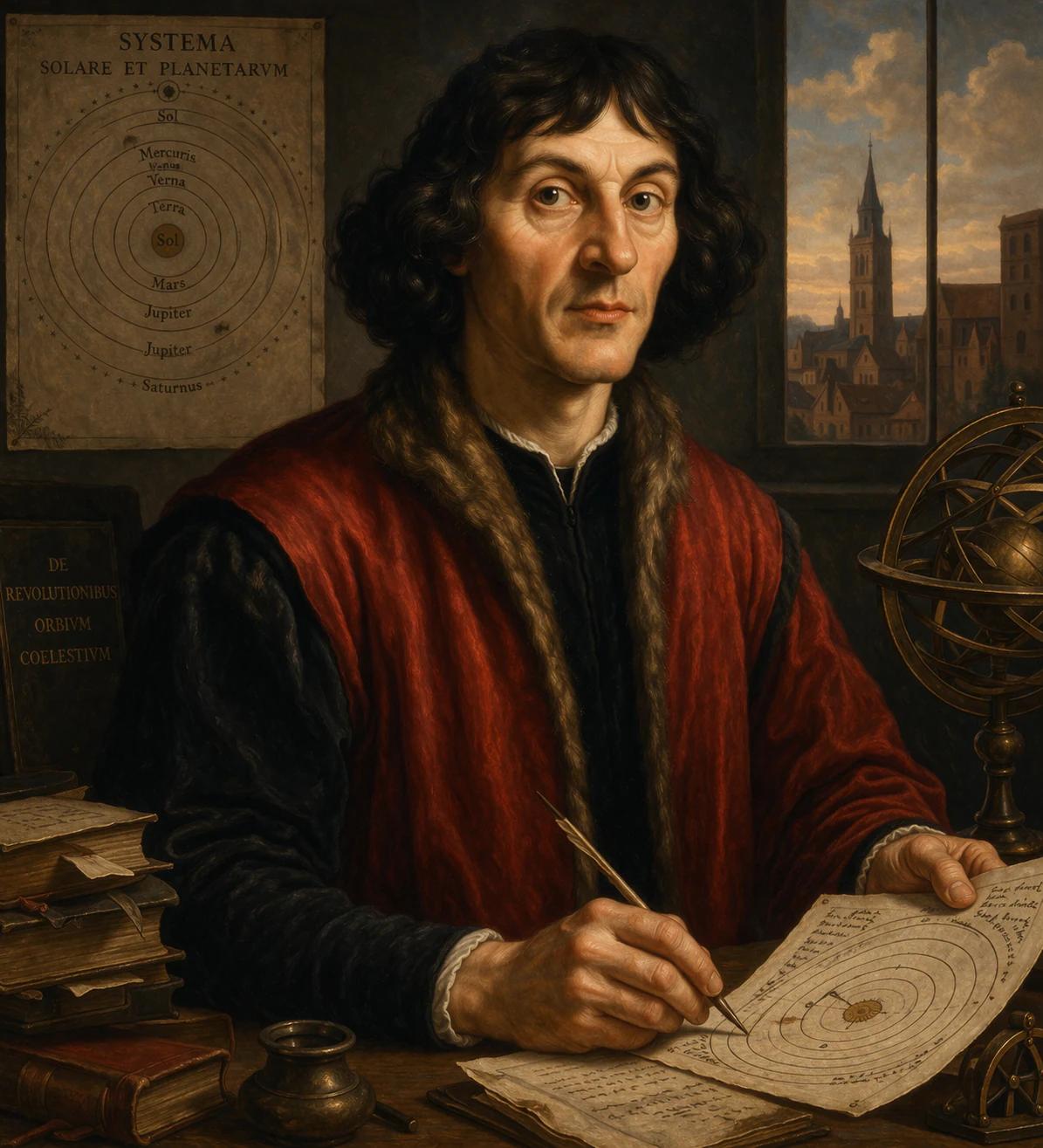
Nicolaus Copernicus at his desk in Frombork, surrounded by astronomical instruments and diagrams of a Sun-centred cosmos.
1543 CE
Step 3 of 101543 CEAccessible mode

Copernicus Reorders the Heavens

A Polish astronomer quietly rewrote where the Earth stood in the universe.

Nicolaus Copernicus spent decades studying the movements of the planets. The existing system, which put Earth at the centre of the cosmos, needed constant adjustments to match what astronomers actually saw.

Copernicus proposed a different idea: the Earth was not the centre. The Sun was. The planets, including Earth, orbited the Sun in circular paths.

He published his model in 1543, the year he died. He called it De revolutionibus. The book laid out the heliocentric system with careful mathematics, not religious argument.

The immediate reaction was muted. Some scholars found it useful for calculations. Others rejected it. But the idea was now in print, available to anyone who picked up the book.

Copernicus did not overturn ancient astronomy overnight. But he placed a question at the heart of it that could not easily be put aside: what if the Earth was not special?

PremiumFree preview: 3 of 10 chapters

Continue The Scientific Revolution

Sign up to a Premium account to read the remaining chapters of this story.

A paid Premium subscription also gives you full access to every other Premium story.

See Premium options

Coming next

  1. Chapter 4Vesalius Remakes Anatomy
  2. Chapter 5Kepler Finds Mathematical Order
  3. Chapter 6Galileo Challenges the Old Cosmos

And 4 more chapters to follow.

Keep exploring

Follow the connected history

Explore closely connected stories and free figure profiles. Premium stories open with a public preview.

References

Sources and historical notes

Sources used to check this page, selected recommendations and historical notes.

Sources used

  1. Stanford Encyclopedia of Philosophy, “Ancient and Medieval Empiricism,”

    Medieval observation, experience, and practical investigation.

    Open source
  2. Stanford Encyclopedia of Philosophy, “Galileo Galilei,”

    Galileo’s telescopic observations and their implications.

    Open source
  3. Stanford Encyclopedia of Philosophy, “Newton’s Philosophiae Naturalis Principia Mathematica,”

    Venus’s phases and competing planetary systems.

    Open source
  4. The Royal Society, “Peer review from the archive,”

    The gradual development of journal review practices.

    Open source
  5. The Metropolitan Museum of Art, “Balkan Peninsula, 1400–1600 A.D.,”

    Greek scholars in Italy before the fall of Constantinople.

    Open source
  6. Encyclopaedia Britannica, “Scientific Revolution,” Open source
  7. Rice University, “The Galileo Project,” Open source
  8. Fordham University, “Internet Modern History Sourcebook: Scientific Revolution,” Open source

Image references

  1. Museo Galileo, “Collections,” Open source

Additional sources and notes

Loading reviewed claim sources...

Our editorial approach · Report a historical error

A monthly route through history

Find out first about the latest published stories, feature notes and occasional Premium offers in one monthly email.