← People

Togo Heihachiro

Togo Heihachiro was a Japanese admiral who commanded the Combined Fleet during the Russo-Japanese War and won the decisive Battle of Tsushima in 1905.

Born
1848 CE
Died
1934 CE
Role
Admiral of the Imperial Japanese Navy
Also known as
Admiral Togo

Japanese admiral (1848-1934)

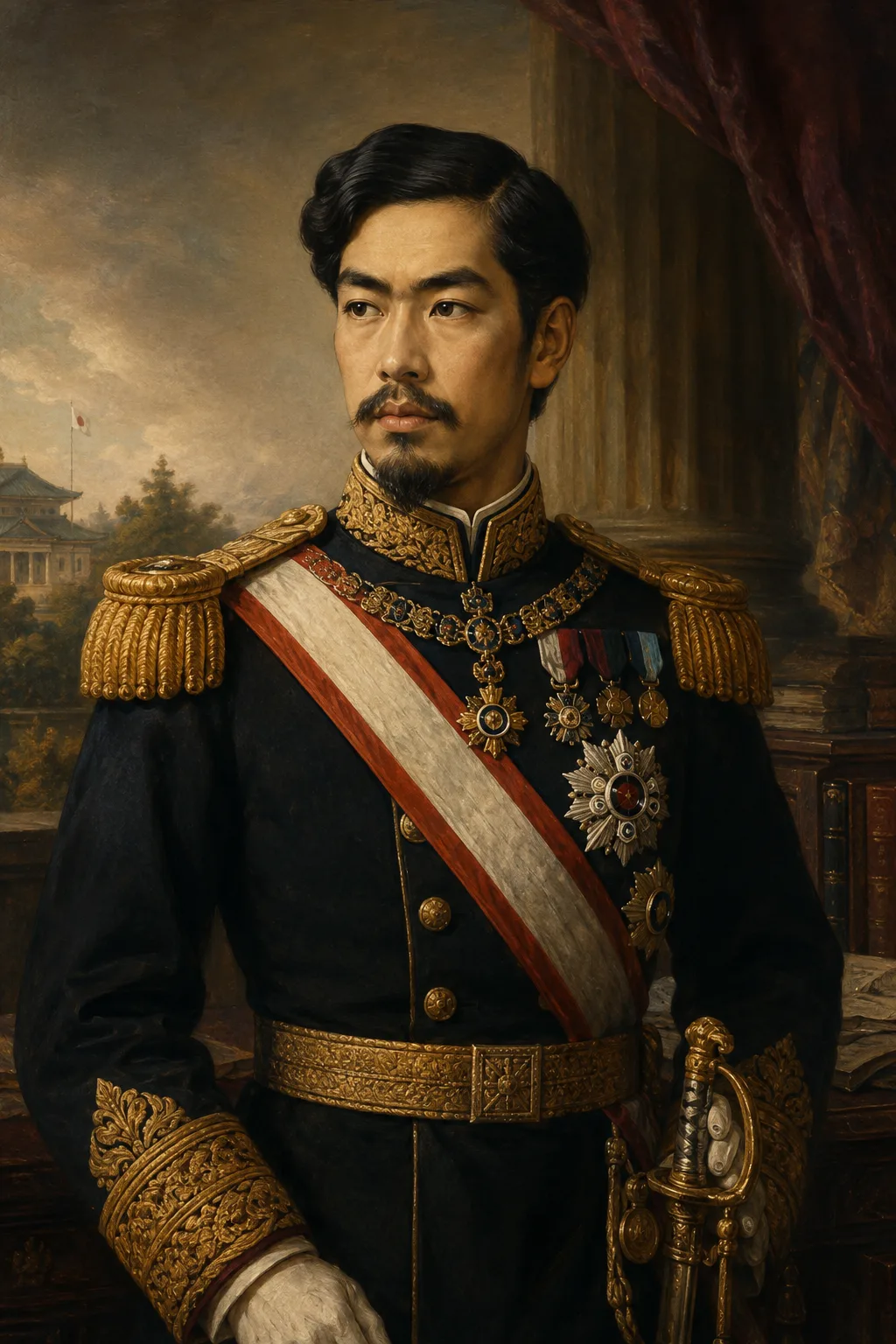
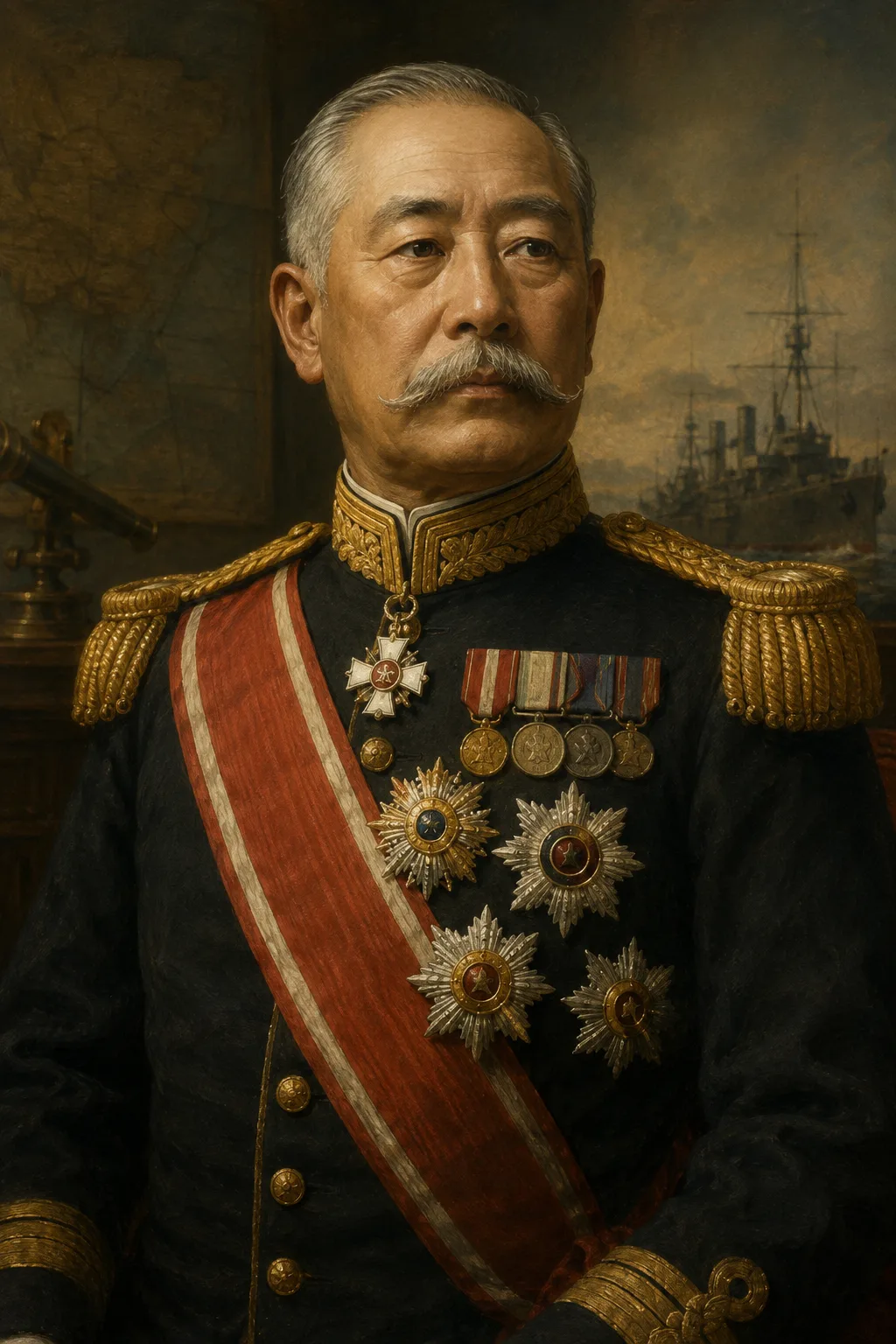
AI-generated portrait of Togo Heihachiro in Japanese naval uniform
AI-assisted historical reconstruction

An illustrative reconstruction based on historical context. It is not a photograph or documentary likeness. Image policy

Life Journey

The admiral who announced Japan's arrival at sea

Follow the key events and turning points in this life story.

Complete chronology

1848

Satsuma samurai

Togo Heihachiro was born in 1848 in Satsuma, one of the southwestern domains that became central to the Meiji Restoration. His youth overlapped with the collapse of the old warrior order and the rise of a new national military. Satsuma had both samurai pride and painful experience of Western firepower, especially after conflict with Britain in the 1860s. For men like Togo, modernisation was not abstract. It was the difference between vulnerability and survival. He entered naval service as Japan began building armed forces modelled on Western powers.
1870s

Naval education

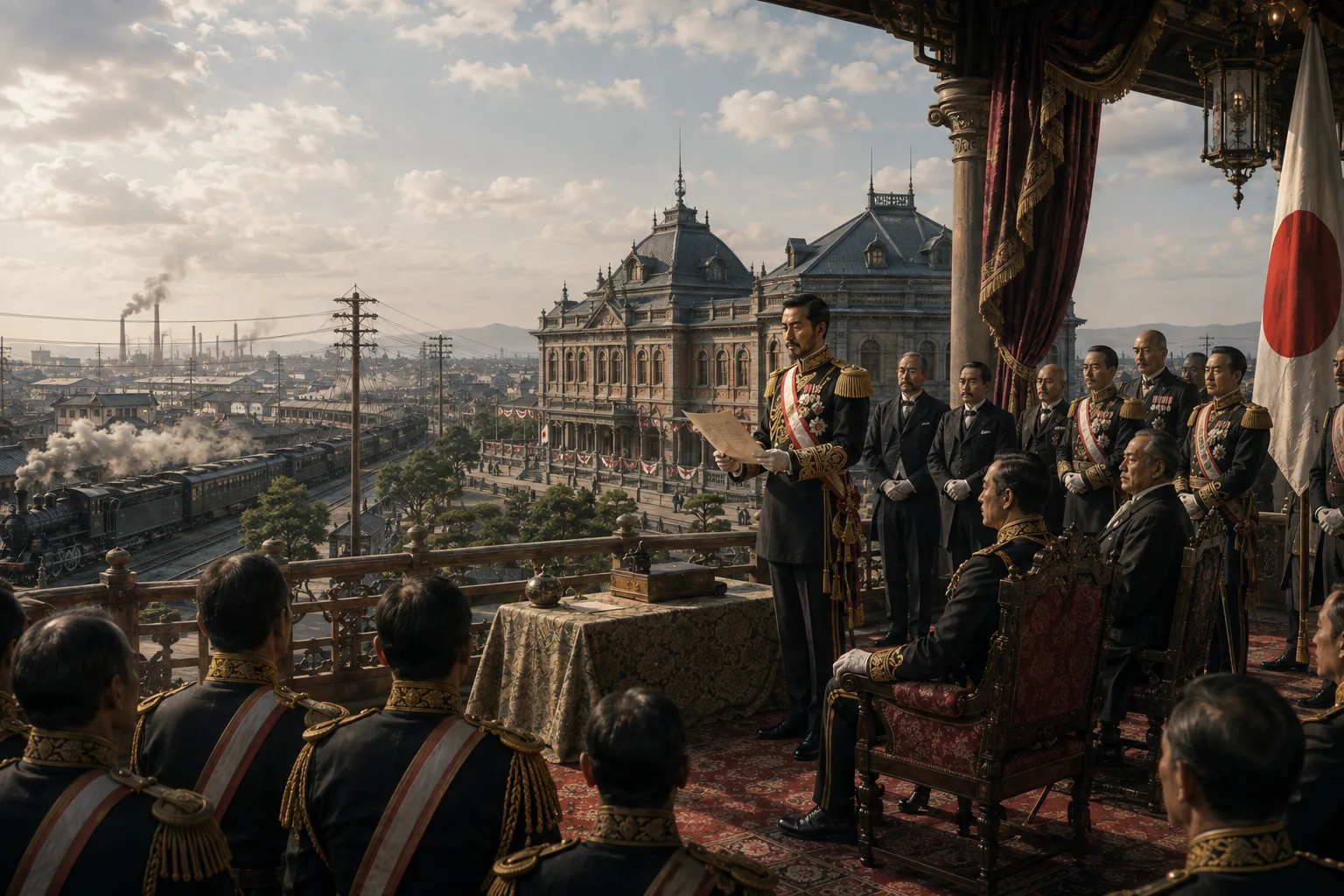
The Meiji state sent officers, students and officials abroad to study the institutions that had made Western powers strong. Togo spent years in Britain, then the world's leading naval power, absorbing seamanship, tactics, discipline and the culture of modern naval professionalism. This training reflected a broader strategy. Japan did not want merely to buy ships. It wanted to create officers who could command them, maintain them and integrate them into national strategy. Togo's career embodied that ambition: former samurai service reshaped into technical, industrial, state-backed military power.

1894-1895

War with China

The First Sino-Japanese War was a test of Meiji transformation. Japan's army and navy fought Qing China over influence in Korea, and victory showed that the new military system could defeat an older East Asian empire. Togo served in the Imperial Japanese Navy during the conflict, part of the generation that turned reform into battlefield results. Japan gained Taiwan and greater influence in Korea, and the victory convinced many observers that the balance of power in East Asia had shifted. The war also encouraged Japan's imperial ambitions, making later conflict with Russia more likely.

1905

Tsushima

Togo's defining moment came in the Russo-Japanese War. Russia sent its Baltic Fleet on an exhausting voyage to East Asia, hoping to reverse Japan's naval advantage. In May 1905 Togo intercepted it in the Tsushima Strait. Japanese training, gunnery, signalling and command discipline produced a crushing victory. The result shocked the world because an Asian power had defeated a major European empire in modern war. Tsushima was not only Togo's triumph. It was the international demonstration that Meiji Japan had built the industrial, naval and administrative capacity to compete with great powers.

After 1905

National icon

After 1905 Togo became one of Japan's most celebrated military figures, often compared abroad to Admiral Nelson. His prestige rested on victory, but also on what that victory represented: a country threatened by Western imperialism in the 1850s had mastered the tools of modern power by 1905. Togo lived into the 1930s, long enough to see Japanese nationalism and naval ambition take more aggressive forms. His legacy therefore sits inside a larger arc. He symbolised discipline, learning and national survival, but also the confidence of an empire whose power would later expand far beyond Meiji defensive reform.

Continue in context

Connected stories

Move from the profile into the wider events and settings this figure belongs to.

More connected stories

Keep exploring

Content note

This profile is written for educational use and connects to related Stories of History pages. The main portrait is an AI-assisted historical reconstruction, included as an illustrative aid rather than documentary evidence. Image policy

References

Sources and historical notes

Sources used to check this page, selected recommendations and historical notes.

Sources used

  1. National Diet Library, Japan, “Tōgō Heihachirō,”

    Traces Tōgō’s naval career and command in the Russo-Japanese War.

    Open source
  2. Royal Museums Greenwich, “Admiral of the Fleet Count Heihachiro Togo,”

    Catalogues a portrait of Tōgō and gives context for his naval career.

    Open source
  3. National Museum of the Pacific War, “Togo and Nimitz: Naval Leaders,”

    Discusses Tōgō’s career and the significance of his victory at Tsushima.

    Open source

Additional sources and notes

Loading reviewed claim sources...

Our editorial approach · Report a historical error

A monthly route through history

Find out first about the latest published stories, feature notes and occasional Premium offers in one monthly email.