c. 347
Origins
Theodosius was born into a Roman military family in Hispania around 347. He served as a military commander before becoming emperor, bringing experience of the army to a reign shaped by military and political crises.
Theodosius I was a Roman emperor who made Nicene Christianity central to imperial power and was the last to rule both eastern and western halves.
Roman emperor (reigned 379-395)
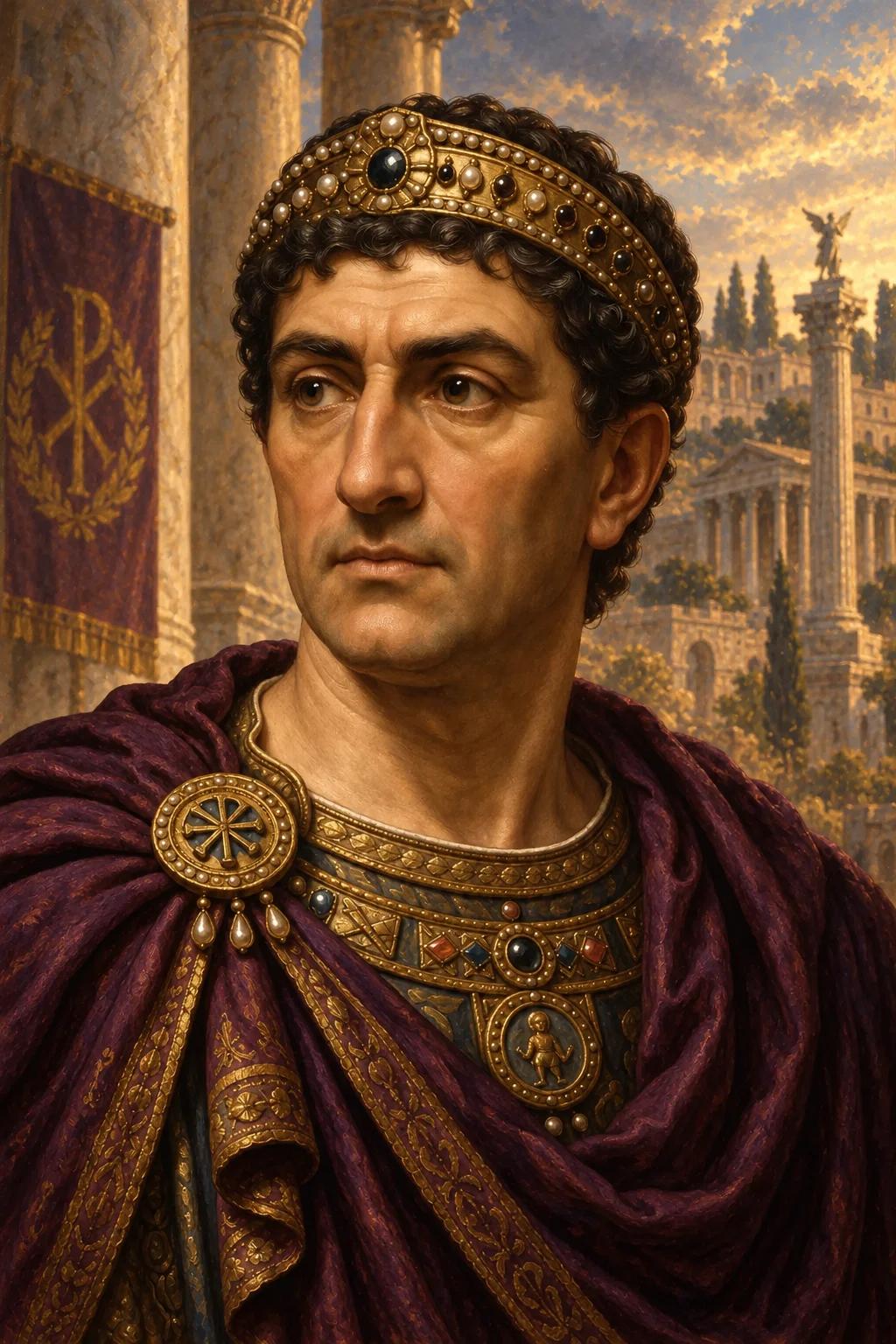
An illustrative reconstruction based on historical context. It is not a photograph or documentary likeness. Image policy Attribution
Follow the key events and turning points in this life story.
Theodosius was born into a Roman military family in Hispania around 347. He served as a military commander before becoming emperor, bringing experience of the army to a reign shaped by military and political crises.
Gratian appointed Theodosius eastern emperor in January 379. Valens had died at Adrianople the previous year, leaving the eastern government facing a military crisis. Theodosius took power as one of several emperors sharing responsibility for the empire.
Imperial legislation endorsed the Trinitarian belief associated with Nicene Christianity and threatened rival Christian assemblies with punishment. Theodosius also backed efforts to establish Nicene leadership in Constantinople. These measures strengthened an official religious position without bringing all believers into agreement.
Theodosius defeated Magnus Maximus in 388 and the forces of Eugenius and Arbogast at the Frigidus in 394. His final victory briefly placed both eastern and western halves under his overriding authority, although his sons already held imperial rank.
Theodosius died in January 395. His sons continued to govern through separate eastern and western imperial courts. This succession should not be confused with the creation of two entirely new states or a declaration that the division must last forever.
Move from the profile into the wider events and settings this figure belongs to.
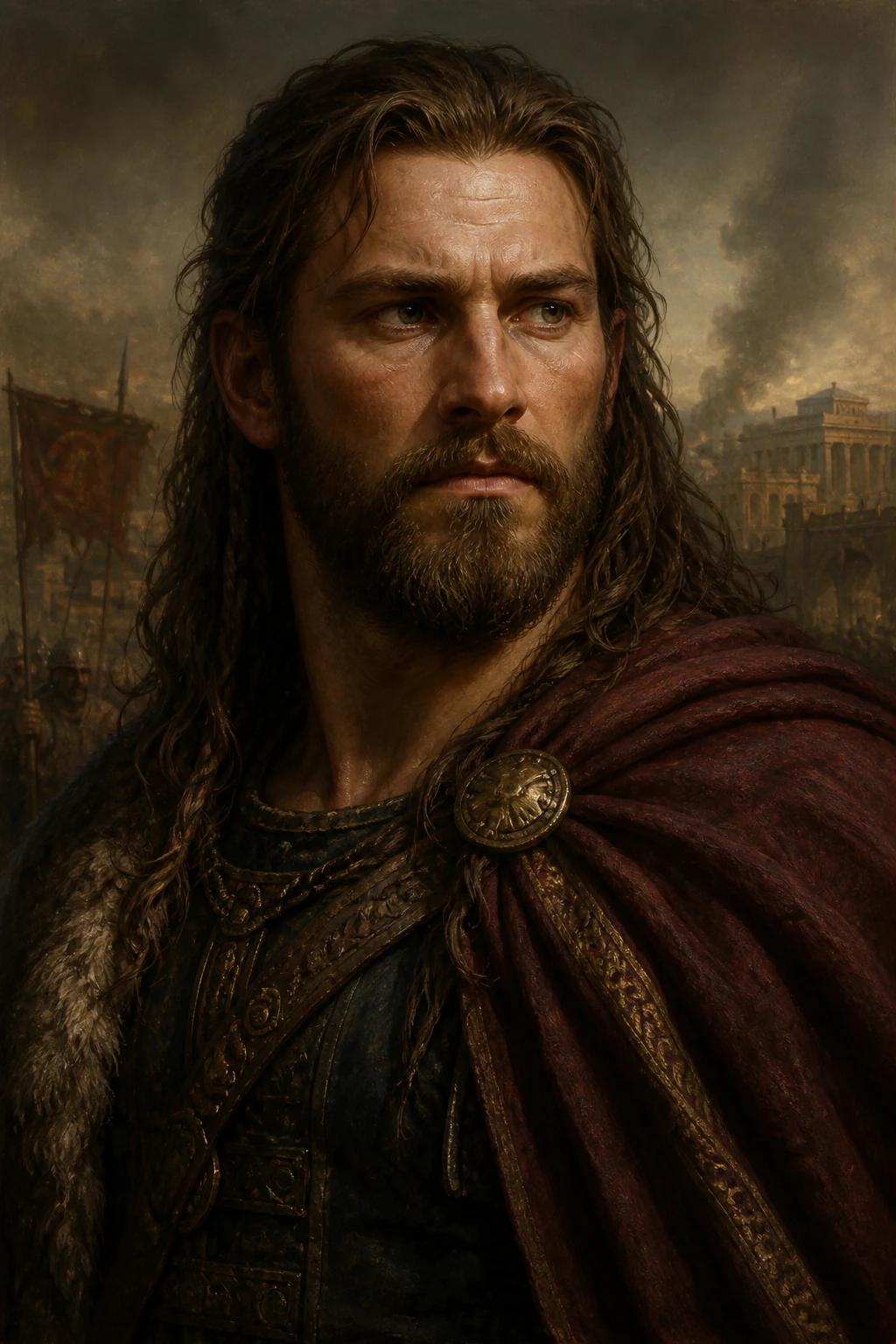
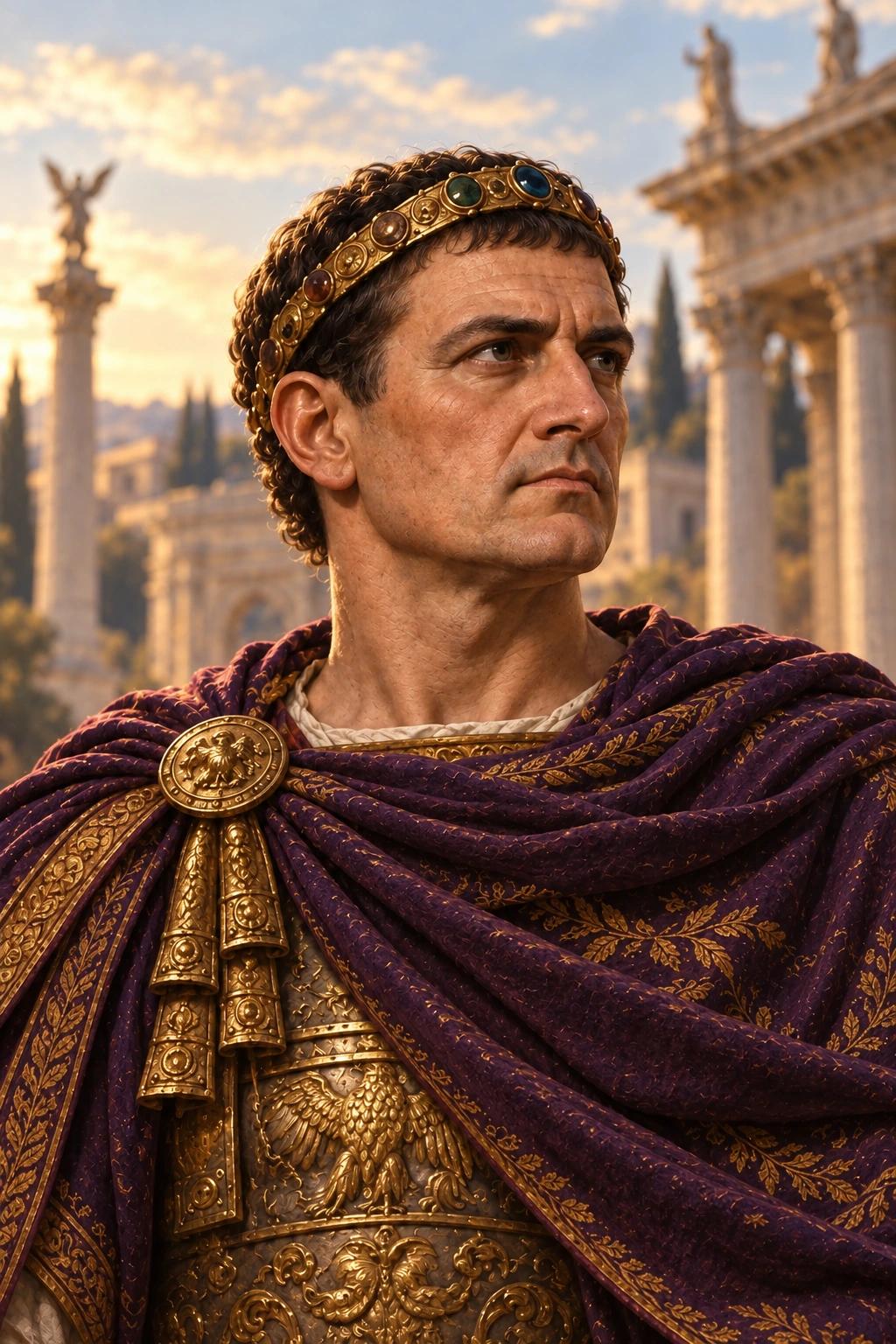
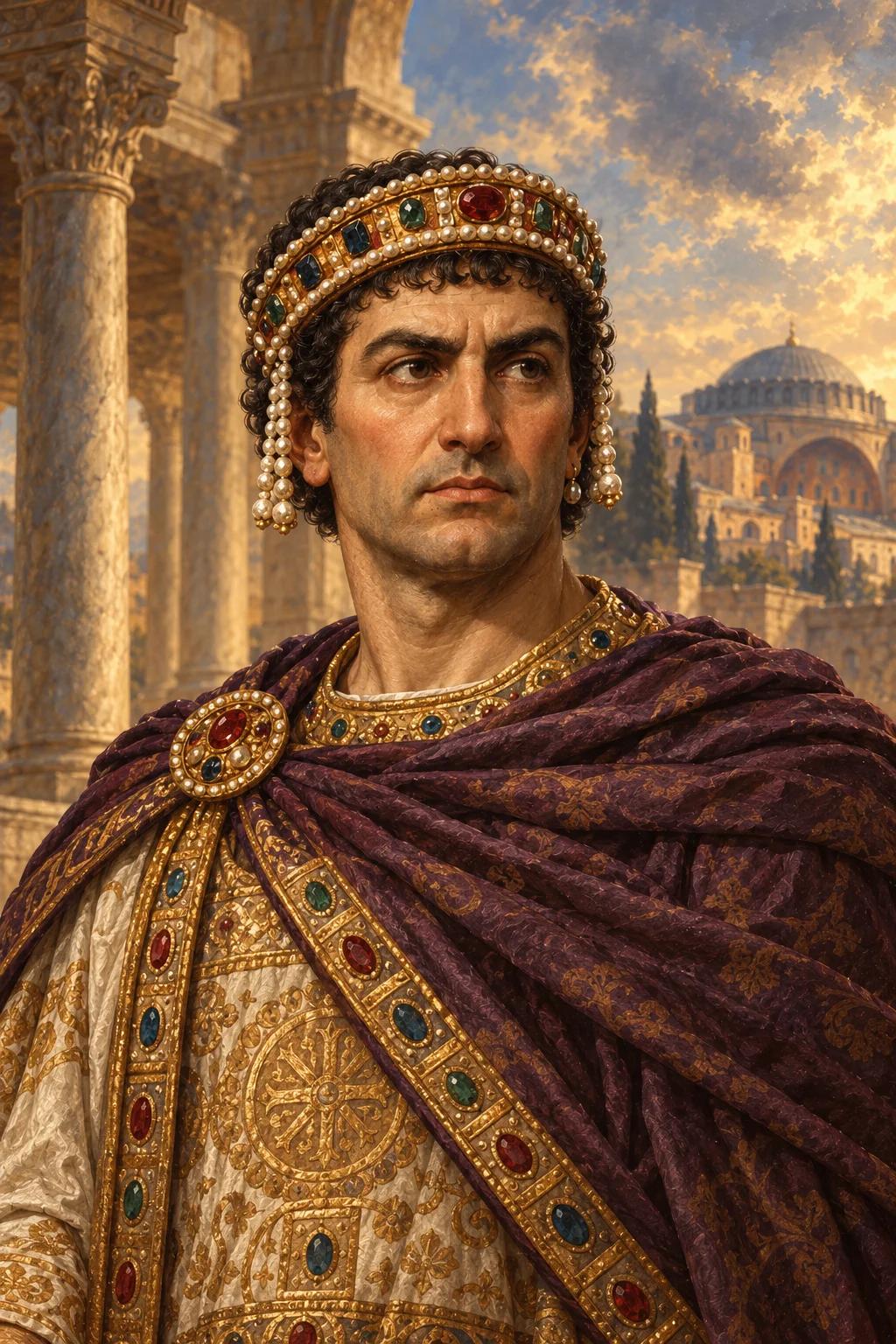
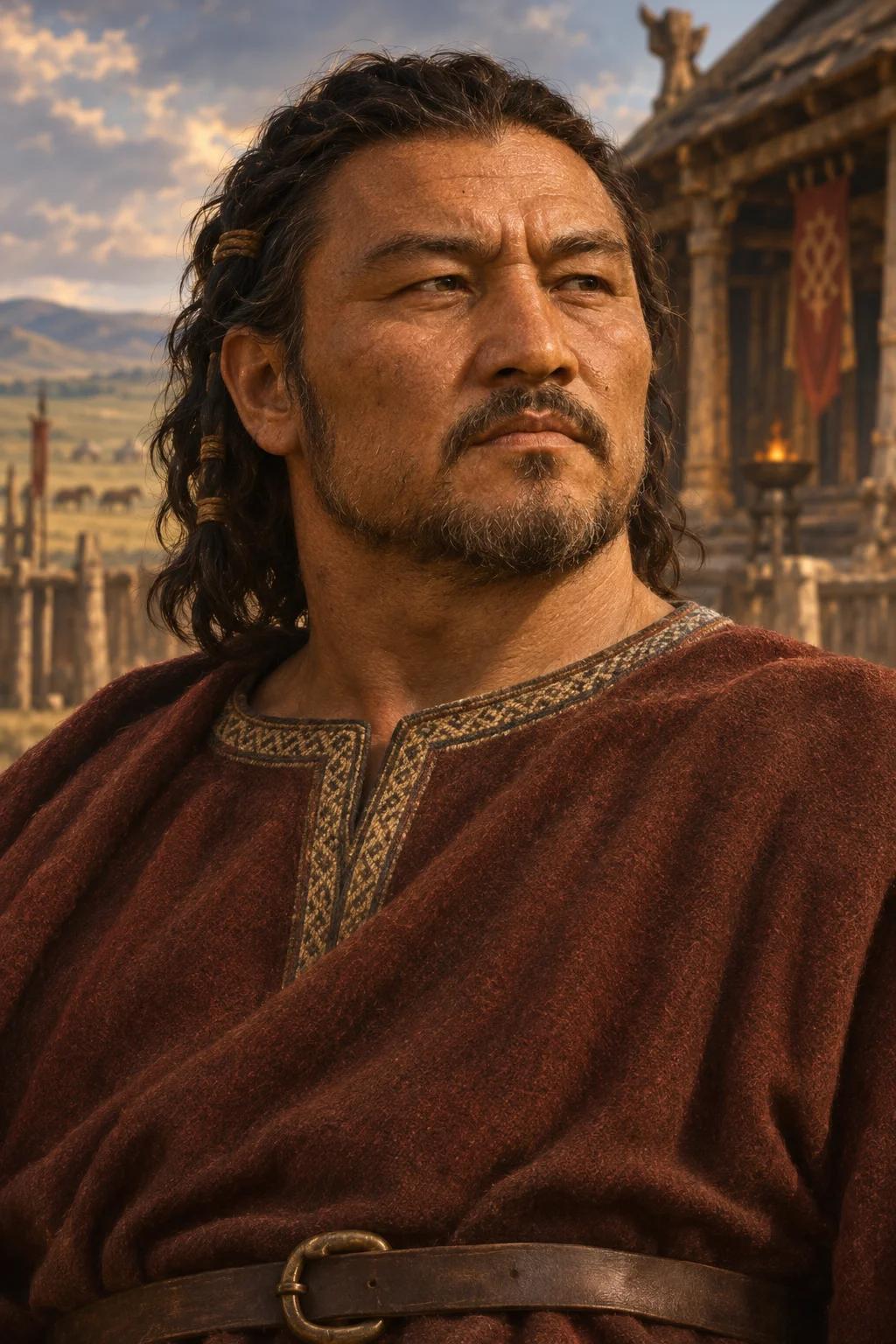
This profile is written for educational use and connects to related Stories of History pages. The main portrait is an AI-assisted historical reconstruction, included as an illustrative aid rather than documentary evidence. Image policy Image attribution
Find out first about the latest published stories, feature notes and occasional Premium offers in one monthly email.
