← People

Tewodros II

Tewodros II, born Kassa Hailu, was emperor of Ethiopia from 1855 to 1868. He tried to end the Era of the Princes, centralise imperial power, reform the army and restore a unified Ethiopian state.

Born
1818 CE
Died
1868 CE
Role
Emperor of Ethiopia
Also known as
Kassa Hailu, Kasa Hailu, Emperor Tewodros II
Region
Ethiopia, Horn of Africa

Emperor of Ethiopia (1818-1868)

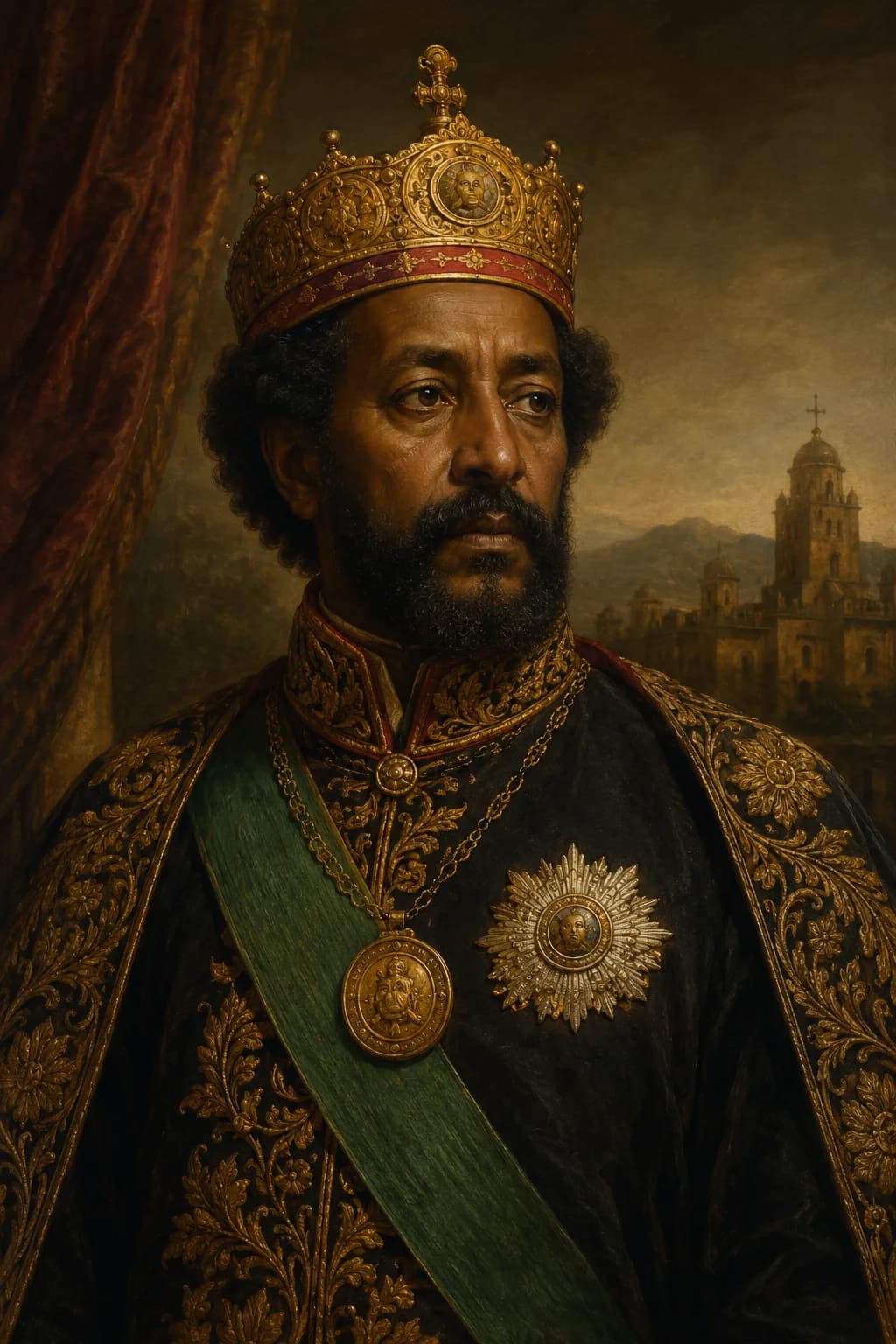
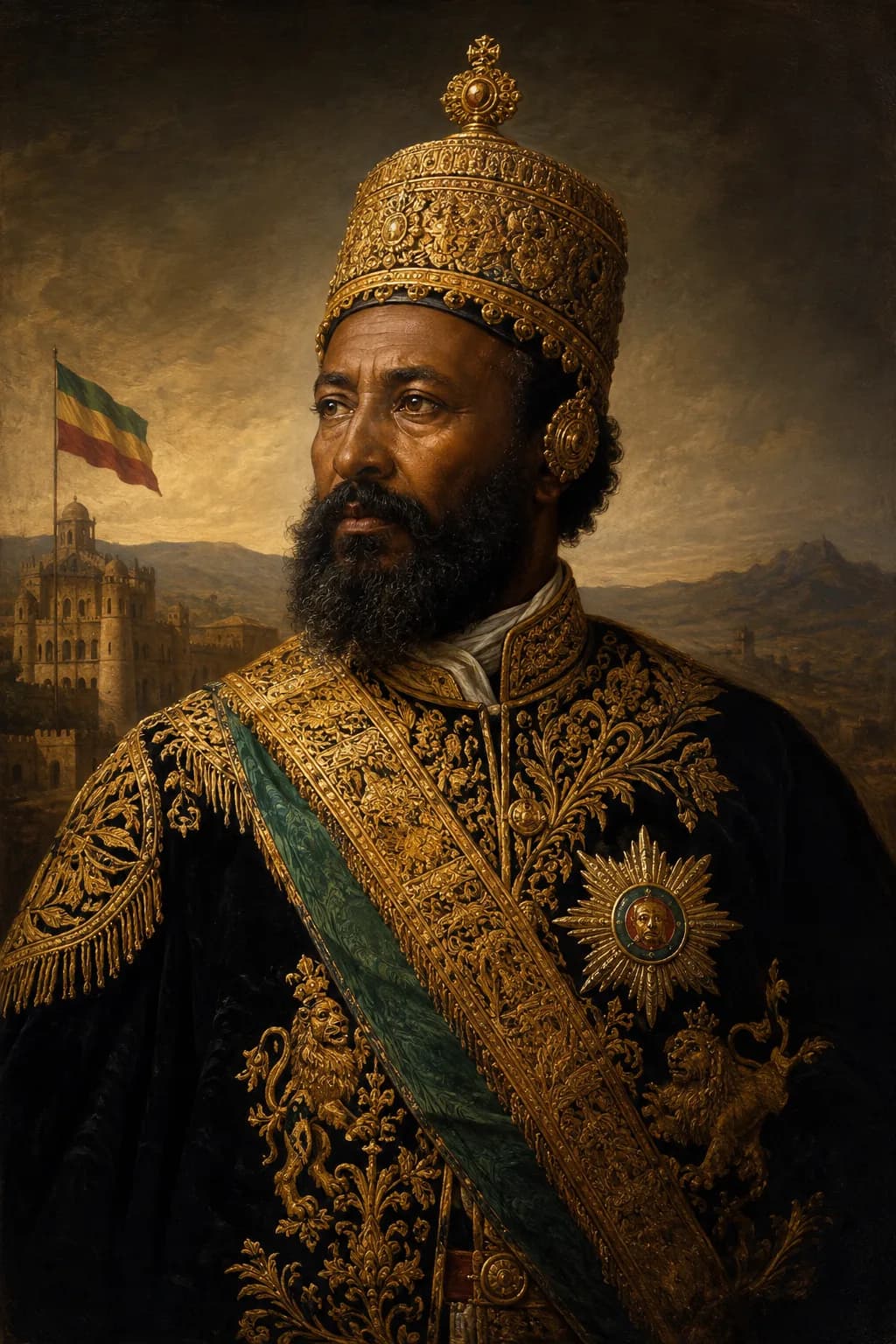
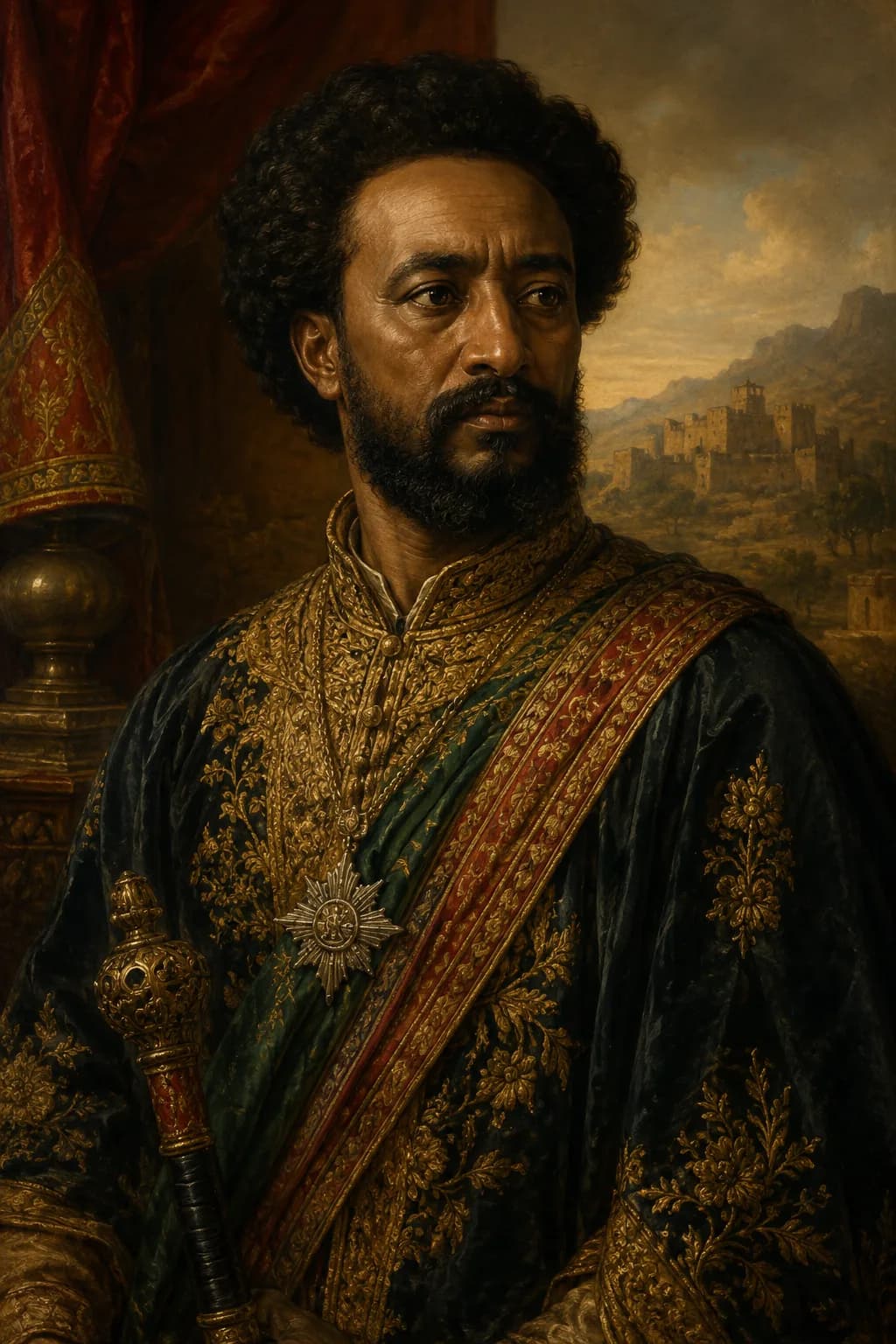
AI-generated portrait of Tewodros II in Ethiopian imperial dress
AI-assisted historical reconstruction

An illustrative reconstruction based on historical context. It is not a photograph or documentary likeness. Image policy

Life Journey

The emperor who tried to reunify Ethiopia

Follow Tewodros from regional warlord to emperor, reformer and tragic symbol of central authority.

Complete chronology

1818-1855

Rising from fragmentation

Tewodros II was born Kassa Hailu in a political world where imperial authority had been badly weakened. During the Era of the Princes, emperors still carried sacred prestige, but regional nobles and commanders often controlled armies, land and taxes. Kassa rose through this fractured landscape as a soldier and local power-broker. His importance lay in refusing to treat fragmentation as normal. He imagined an Ethiopia where the emperor could once again command more than ritual respect. His rise was therefore both personal ambition and a challenge to the political habits that had divided the empire.
1855

Restoring the centre

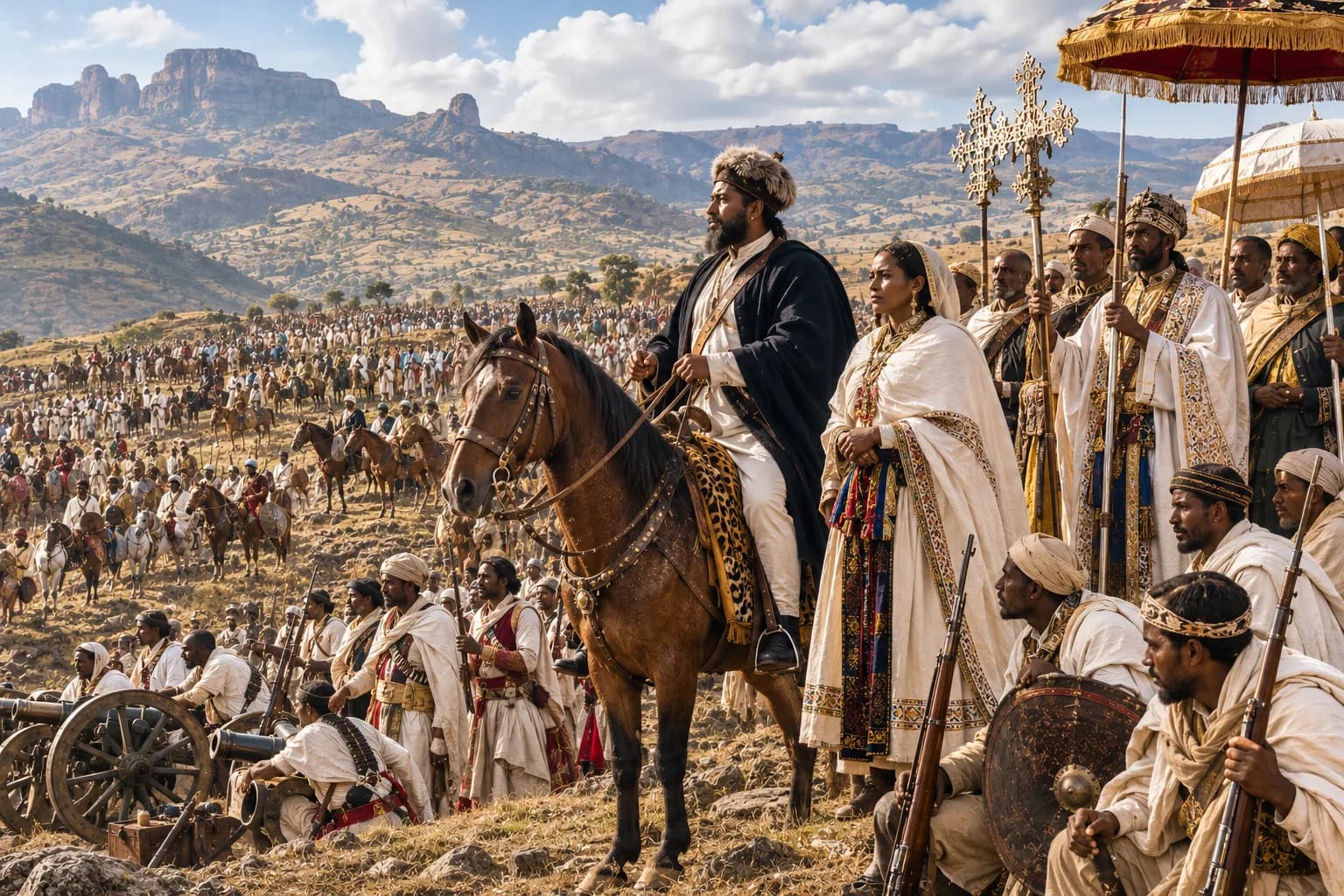
Tewodros's coronation in 1855 marked the most serious attempt in generations to restore a strong Ethiopian imperial centre. He defeated rival nobles, drew territories under his authority and tried to reduce the power of leaders who had grown used to acting independently. This was not only a military project. Tewodros wanted to revive the idea that Ethiopia was a single Christian empire under one sovereign. That vision inspired support, but it also threatened powerful interests whose local authority depended on weak central rule.

1850s-1860s

Military reform

The army stood at the heart of Tewodros's state-building. He wanted soldiers who served imperial command, not regional lords, and he showed interest in firearms, artillery and local manufacture. Better weapons mattered, but discipline and dependency mattered more. If the emperor controlled the army, he could control the nobles. Yet reform was difficult in a poor, mountainous, politically divided country. Tewodros's attempts to extract resources and obedience created resentment, and his rule became harsher as opposition grew.

1868

Magdala and collapse

By the late 1860s, Tewodros was isolated. His detention of European captives brought a British military expedition into Ethiopia, and his internal support had weakened badly. At the mountain fortress of Magdala in 1868, British forces defeated his remaining defenders. Tewodros took his own life rather than surrender. The end was dramatic, but it should not reduce his reign to failure. He had reopened the central question of modern Ethiopian politics: how could an ancient monarchy become a functioning state again?

Continue in context

Connected stories

Move from the profile into the wider events and settings this figure belongs to.

Tertiary paths

Content note

This profile is written for educational use and connects to related Stories of History pages. The main portrait is an AI-assisted historical reconstruction, included as an illustrative aid rather than documentary evidence. Image policy

References

Sources & Further Reading

Reliable reference works, archives and reading paths connected to this profile.

Further reading

  1. Encyclopaedia Britannica, “Search results for Tewodros II,” accessed June 2026.Open source
  2. WorldCat, “Books and library holdings for Tewodros II,” accessed June 2026.Open source

Primary sources

  1. Library of Congress, “Search results for Tewodros II,” accessed June 2026.Open source

Reviewed claim sources

Loading reviewed claim sources...

A monthly route through history

Find out first about the latest published stories, feature notes and occasional Premium offers in one monthly email.