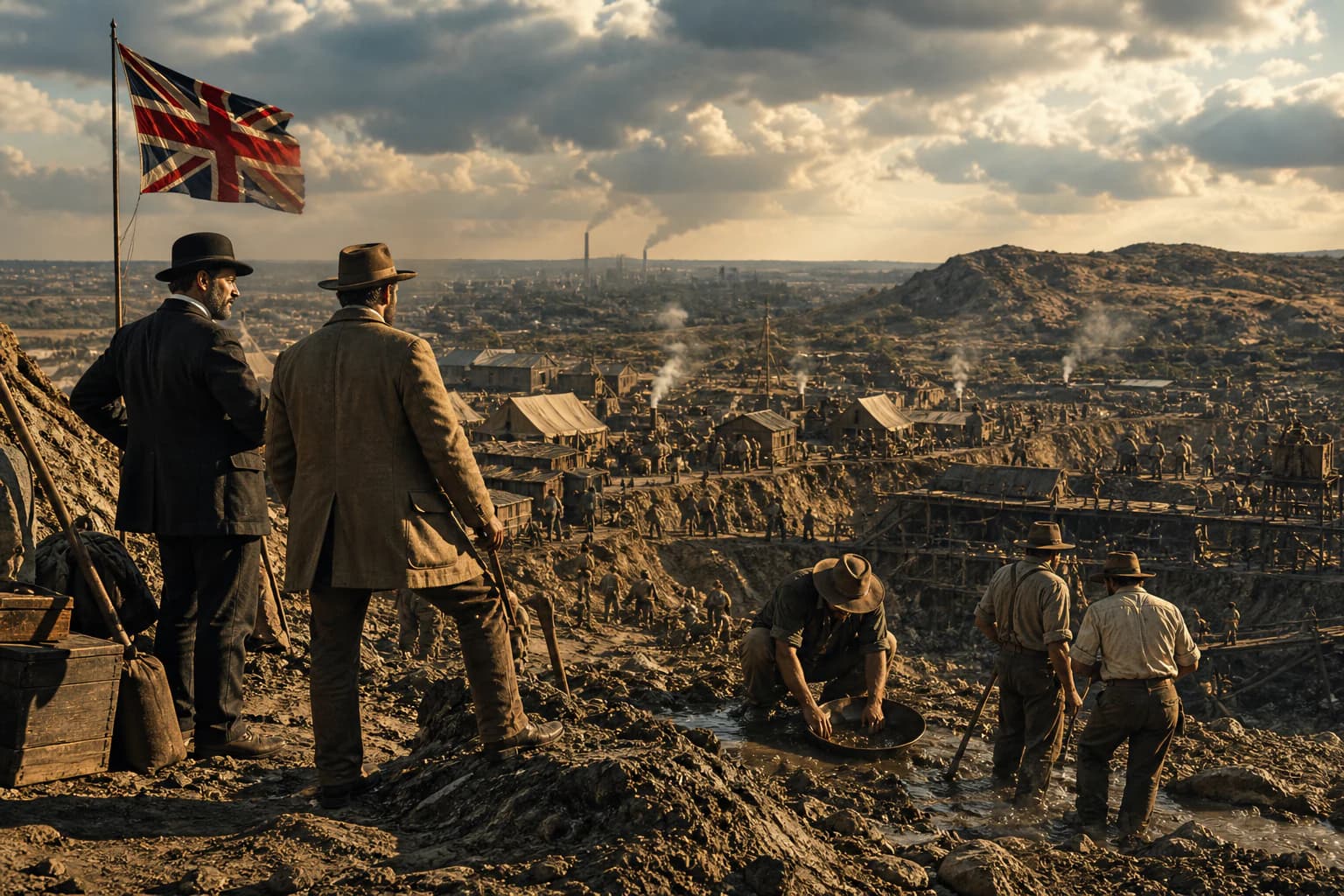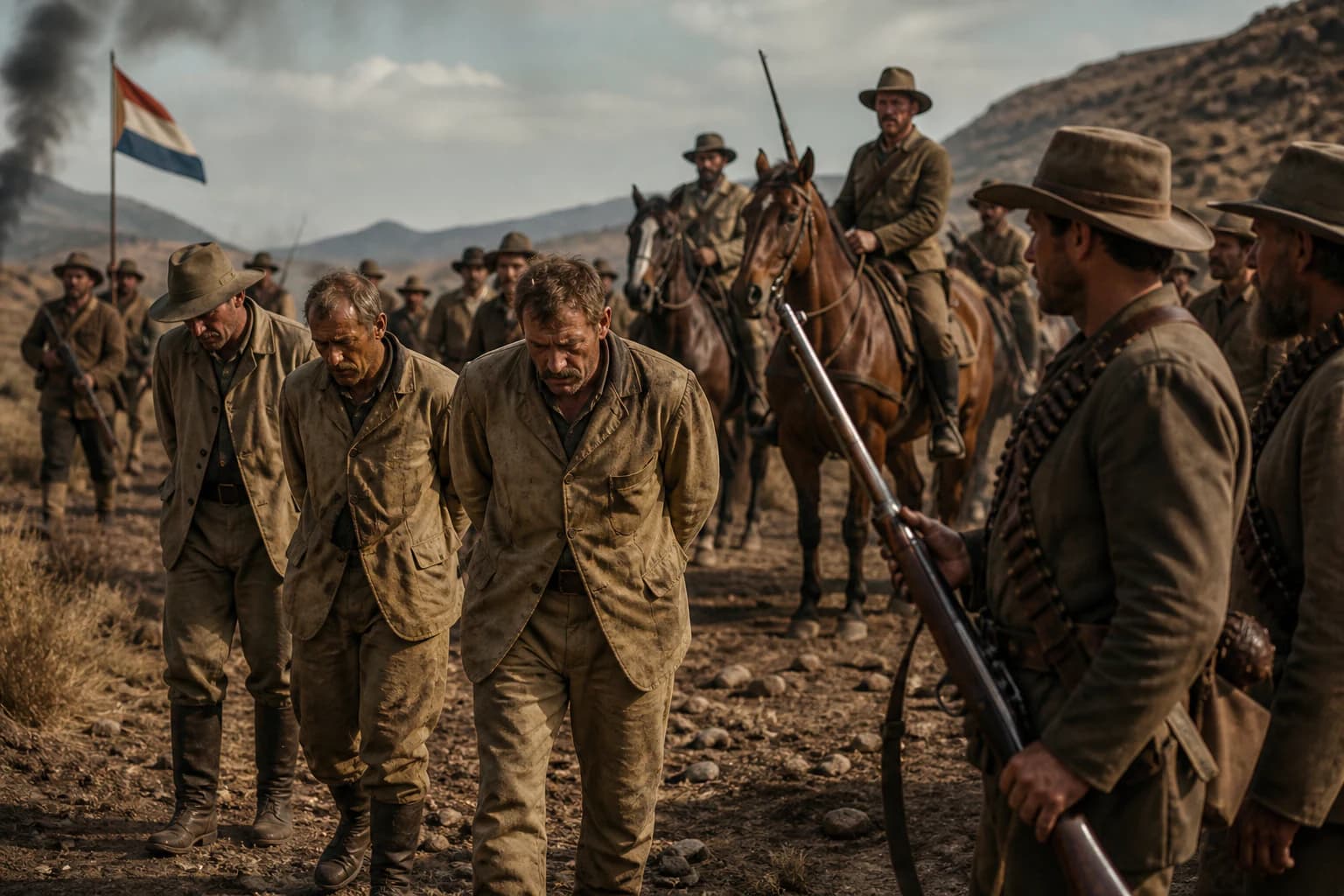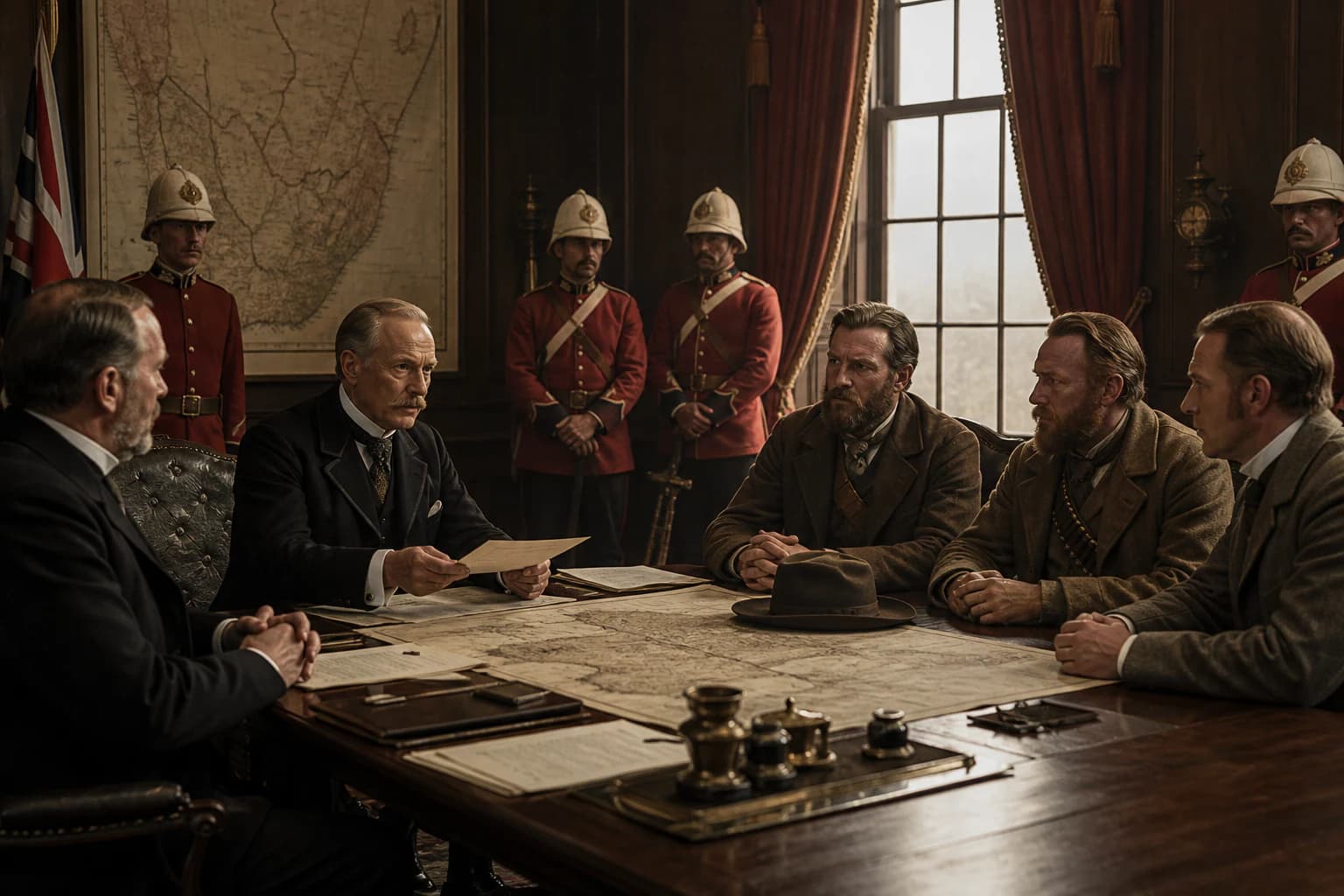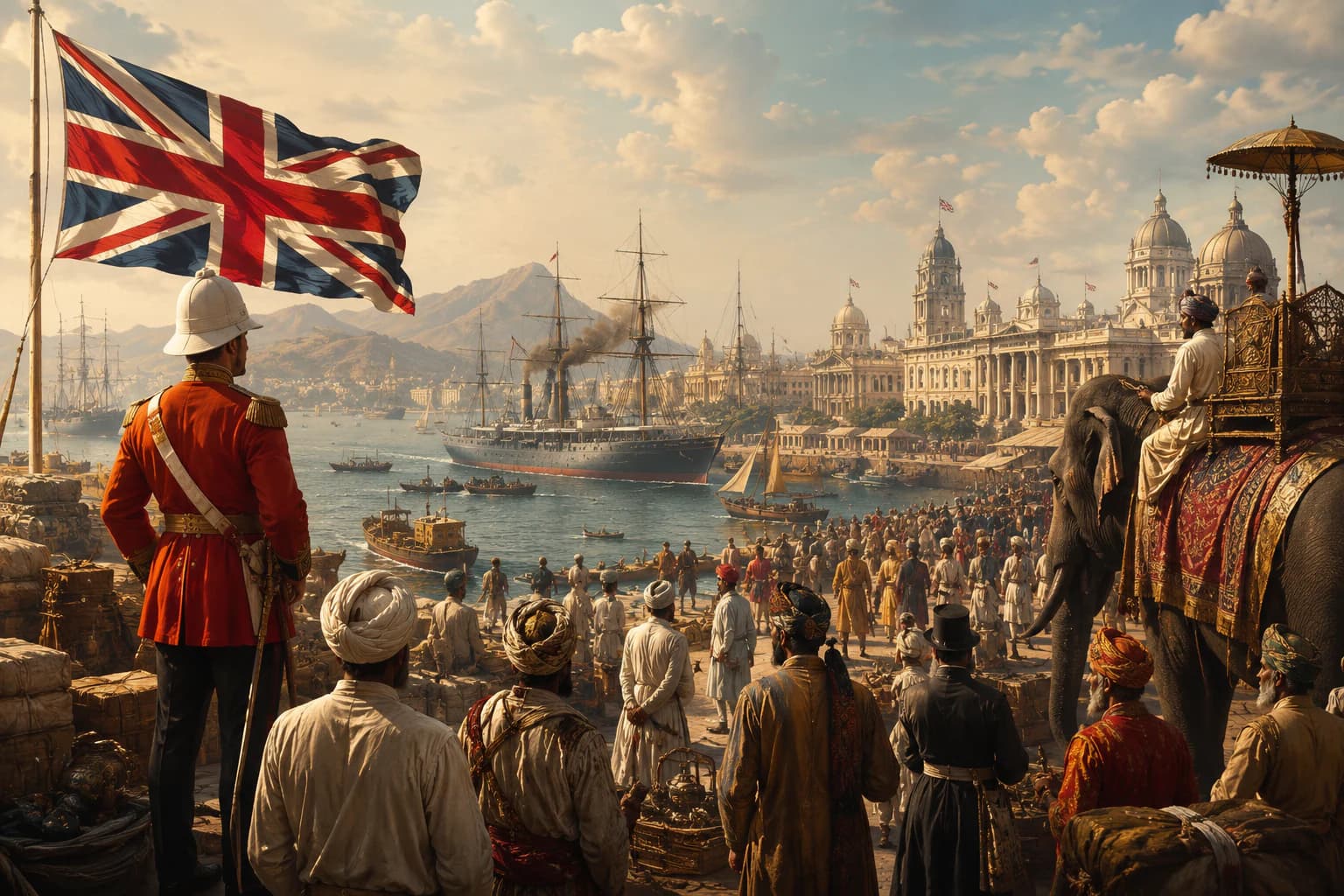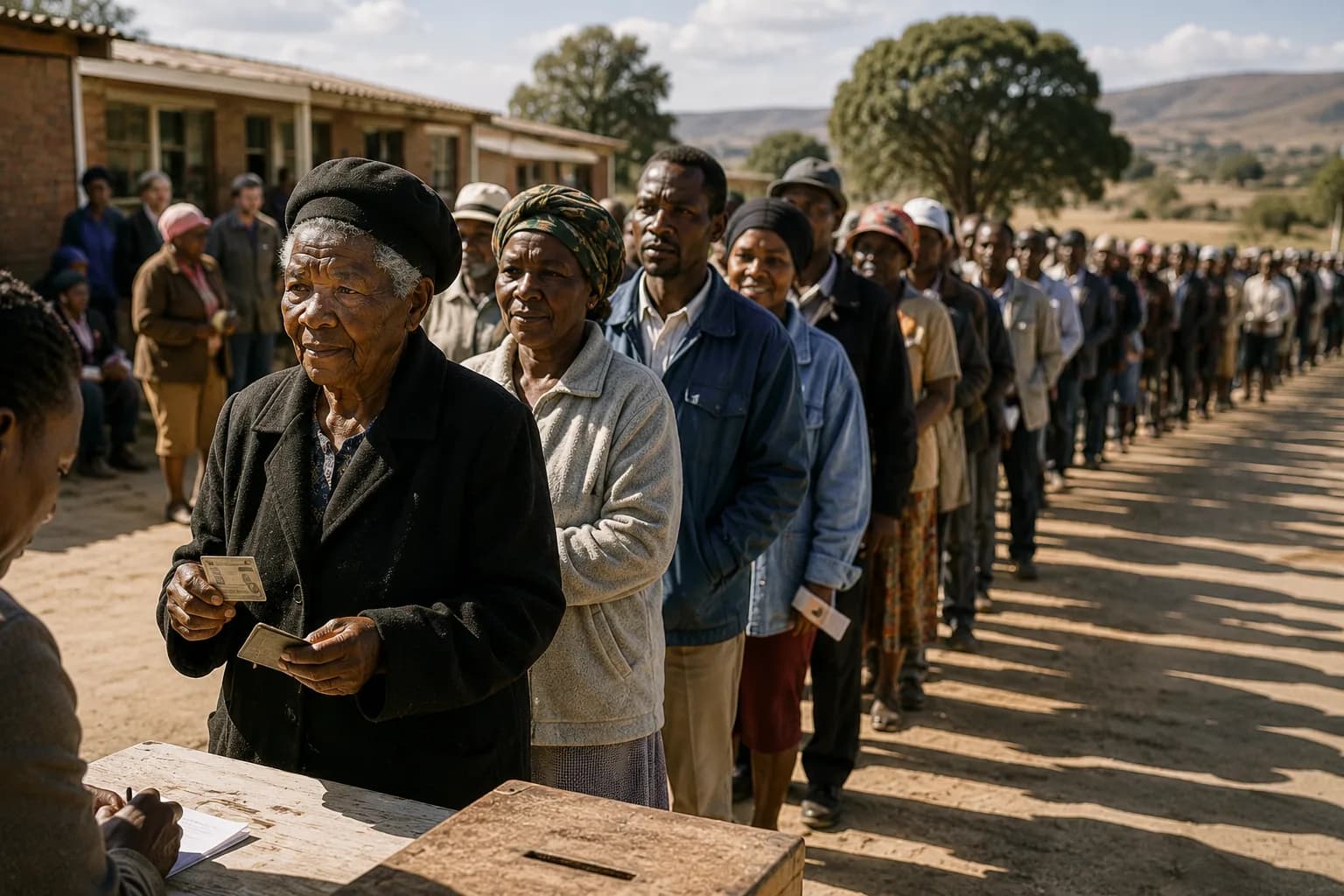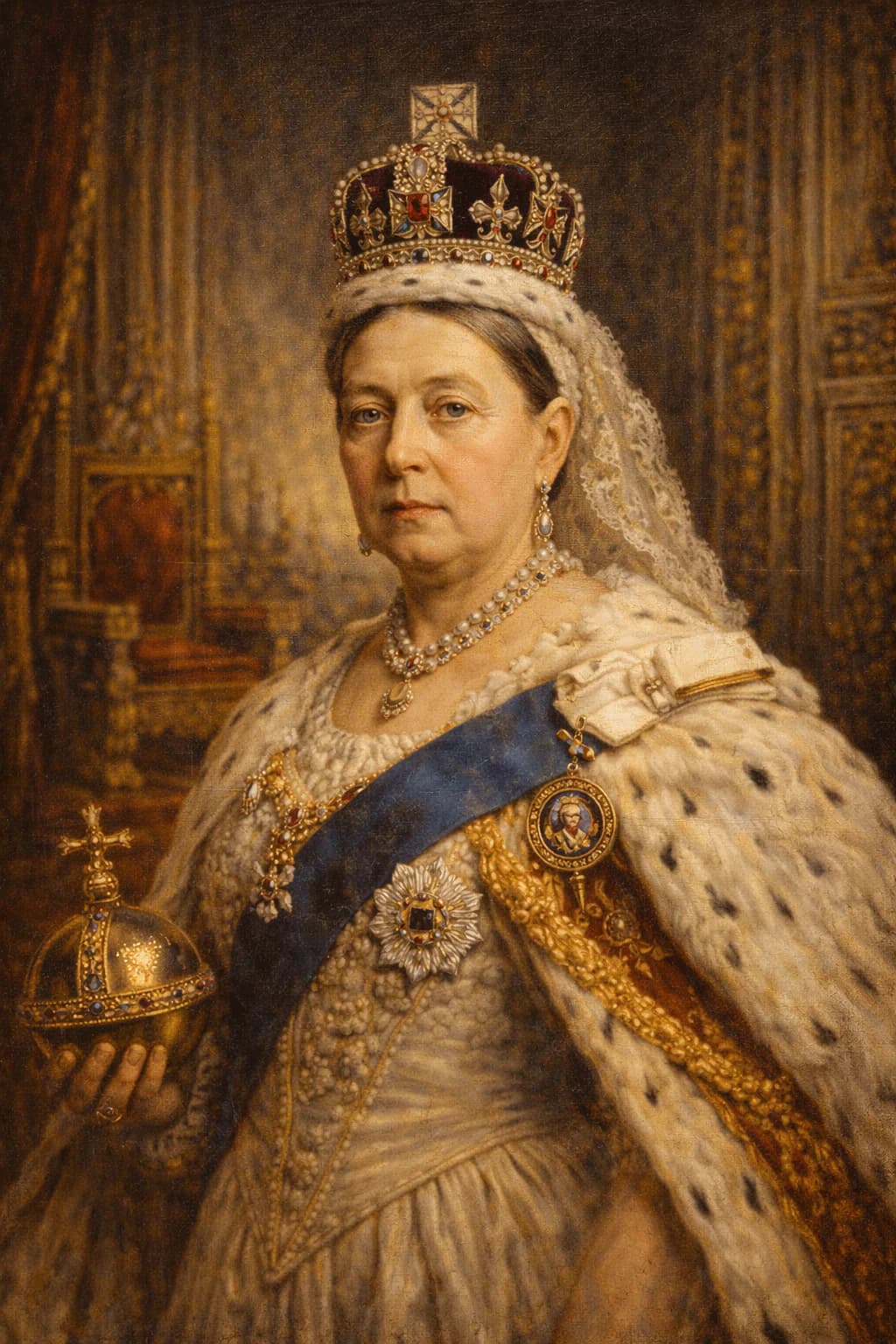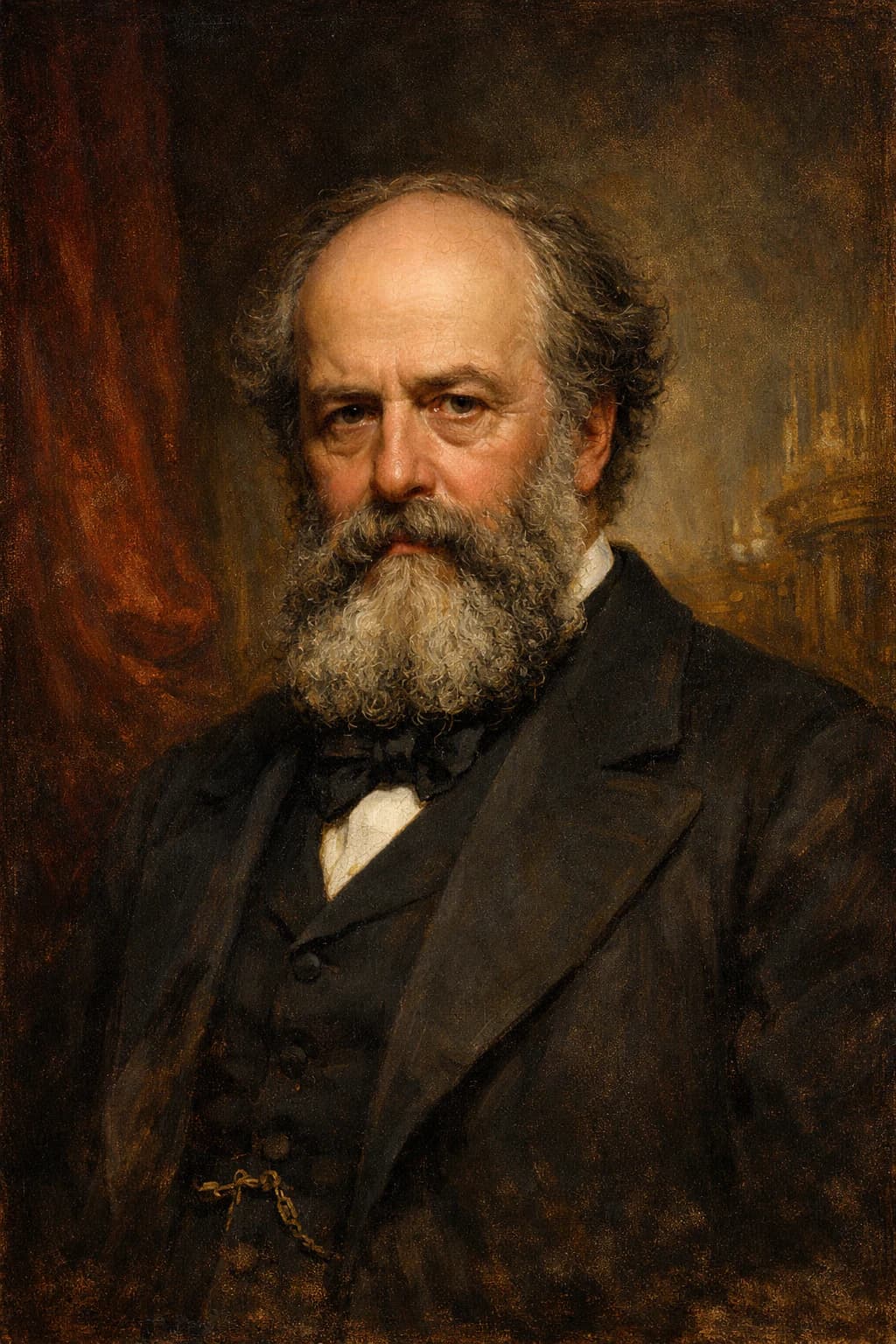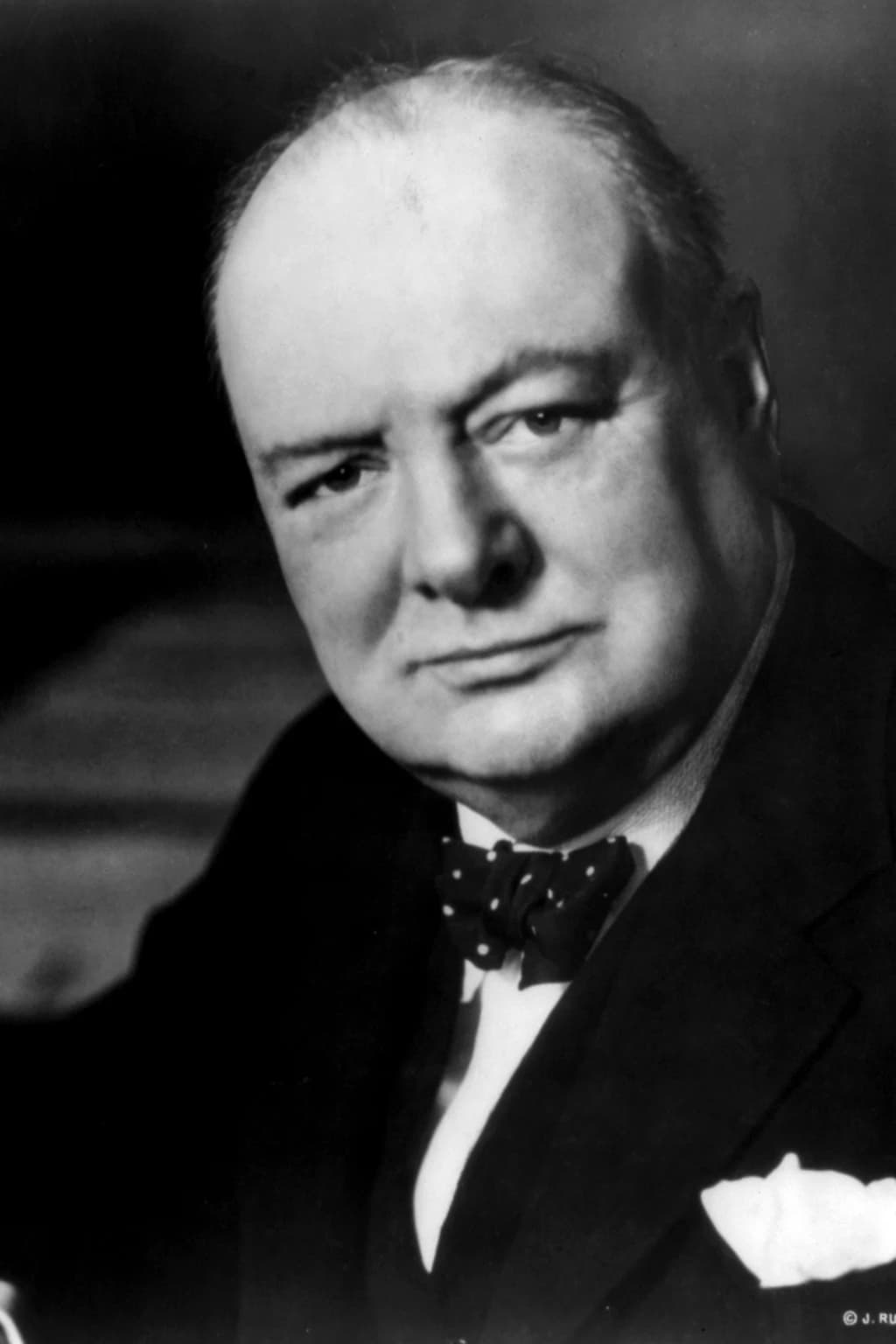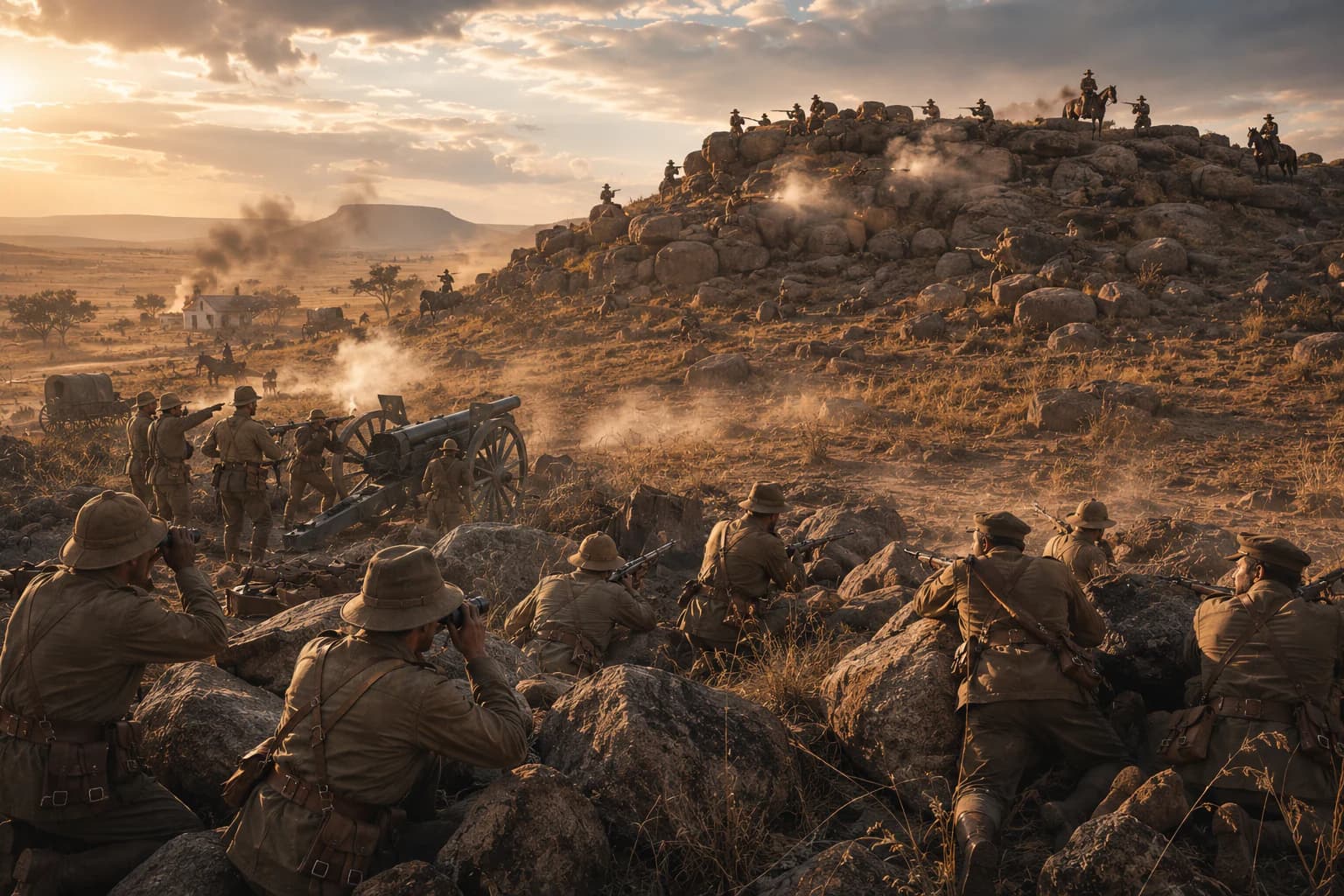
British imperial soldiers and Boer fighters on the South African veld during the Anglo-Boer War.
Premium Story

The Anglo Boer Conflict

Follow the Anglo-Boer War through gold, empire, guerrilla resistance, camps, and modern warfare.

Start the storyExplore Premium

11 chapters

Next
Context

Introduction

Overview

British imperial ambitions and the independence of the Boer republics collided in southern Africa, where control of land and mineral wealth raised the stakes. The war that began in 1899 exposed the limits and costs of imperial power. British victory came only after a prolonged struggle that caused immense civilian suffering and shaped South Africa's future.

What you'll learn: You will trace how gold, empire, nationalism, guerrilla warfare, and civilian suffering made the Anglo-Boer conflict a turning point in modern imperial war.

Key forces

The Goldfields Raise the Stakes
1886 CE
Step 1 of 101886 CEAccessible mode

The Goldfields Raise the Stakes

In 1886, the discovery of gold on the Witwatersrand transformed South Africa. A quiet Boer farming republic suddenly sat on one of the richest deposits in the world.

The South African Republic — known as the Transvaal — had been a poor, landlocked state. The gold changed that instantly. Within years, had grown from nothing into a boomtown, and the Transvaal's wealth rivalled anything else in the British Empire.

Thousands of foreign workers, mostly British, flooded in to work the mines. The Boers called them Uitlanders — outsiders. President Paul Kruger's government worried they would soon outnumber the Afrikaner population and use voting rights to seize control of the republic.

“The gold that made the Transvaal rich also made it a target.”

Britain had long seen southern Africa as strategically vital. Now the region's mineral wealth drew powerful imperial interest. Cecil Rhodes, prime minister of the Cape Colony and head of major mining concerns, pushed for British dominance across the whole of southern Africa. The Transvaal's independence stood directly in his way.

The Jameson Raid Fails
1895 CE
Step 2 of 101895 CEAccessible mode

The Jameson Raid Fails

In late 1895, a small armed column rode into the Transvaal hoping to trigger a revolution. It failed completely — and made war more likely.

Leander Starr Jameson led around 600 men across the border from British territory, expecting a planned Uitlander uprising in to meet them. The uprising never happened. Jameson's force was surrounded and captured by Boer commandos within days.

The raid had been secretly backed by Cecil Rhodes, who resigned as Cape Colony prime minister when his involvement became public. Colonial Secretary Joseph Chamberlain in London was also implicated. Germany sent President Kruger a congratulatory telegram that caused outrage in Britain.

“The Jameson Raid proved that Britain could not seize the Transvaal through a quick coup — but it confirmed Boer fears that Britain intended to try.”

Kruger emerged stronger than before. His government rearmed with greater urgency, and many Afrikaners who had been neutral now sided firmly with the republic against British interference.

Premium2 of 10 chapters read

War Becomes Inevitable

A war between Britain and Boer republics that exposed imperial costs and reshaped South Africa.

Continue the story with Premium

Coming next

  1. Chapter 3War Becomes Inevitable
  2. Chapter 4Boer Commandos Strike First
  3. Chapter 5Black Week Shocks Britain

And 5 more chapters to follow.

Explore connected stories

Follow the connected history

Explore closely connected stories and free figure profiles. Premium stories open with a public preview.

Unlock full storyBrowse stories

References

Sources & Further Reading

Reliable sources, primary-source collections and reading paths connected to this page.

Sources used

  1. Encyclopaedia Britannica, “South African War,” Open source
  2. Imperial War Museums, “Collection search: Boer War,” Open source

Further reading

  1. Thomas Pakenham, The Boer War, Weidenfeld & Nicolson.

Primary sources

  1. Fordham University, “Internet Modern History Sourcebook,” Open source

Reviewed claim sources

Loading reviewed claim sources...

A monthly route through history

Find out first about the latest published stories, feature notes and occasional Premium offers in one monthly email.