← People

Scipio Aemilianus

Scipio Aemilianus was the Roman commander who captured and destroyed Carthage in 146 BCE, ending the Third Punic War. He later took Numantia in Spain and lived through the tensions of Rome's late Republic.

Born
185 BCE
Died
129 BCE
Role
Roman general and statesman
Full name
Publius Cornelius Scipio Aemilianus
Also known as
Scipio Africanus Minor, Scipio Aemilianus Africanus

Roman general and statesman (185 BC-129 BC)

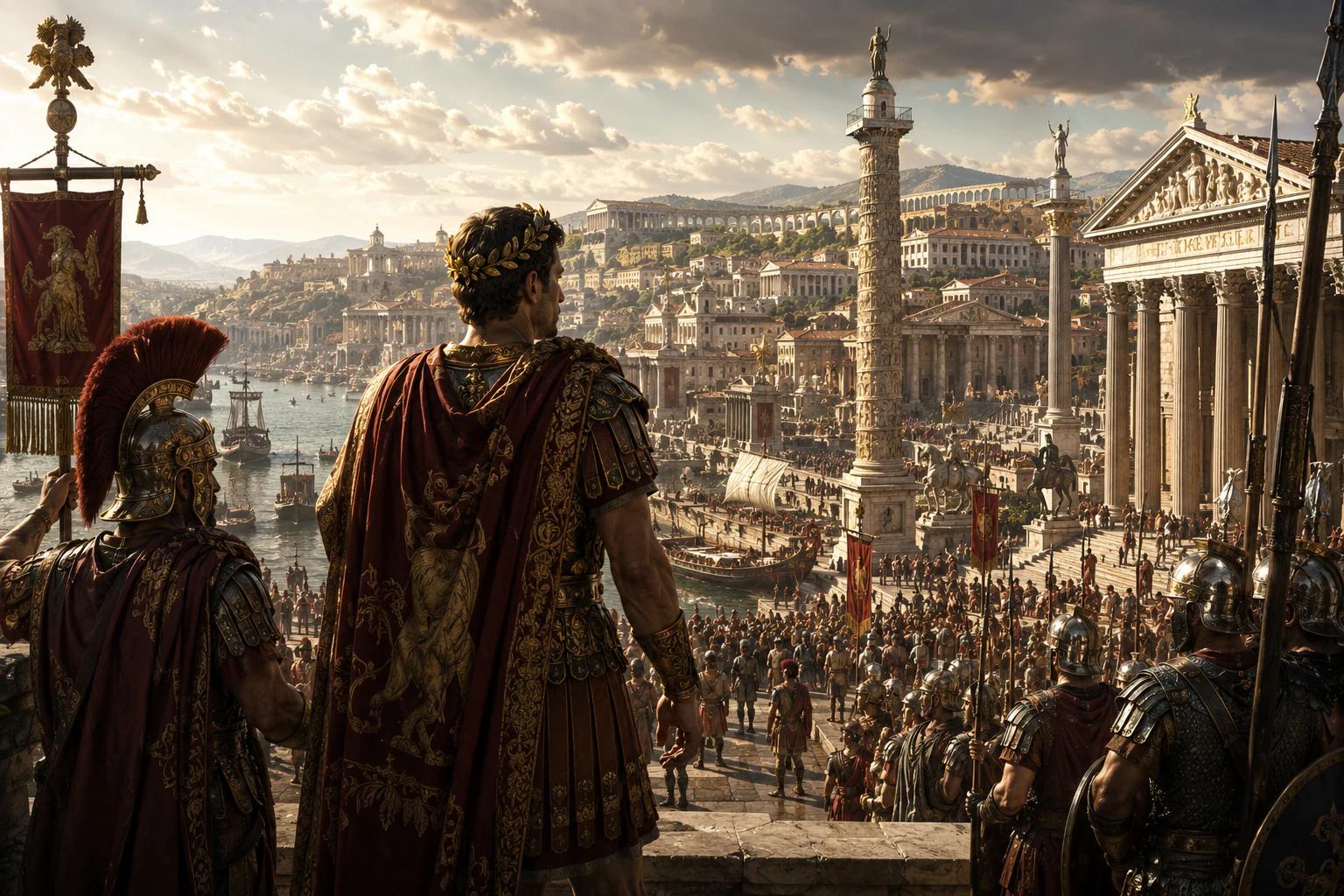
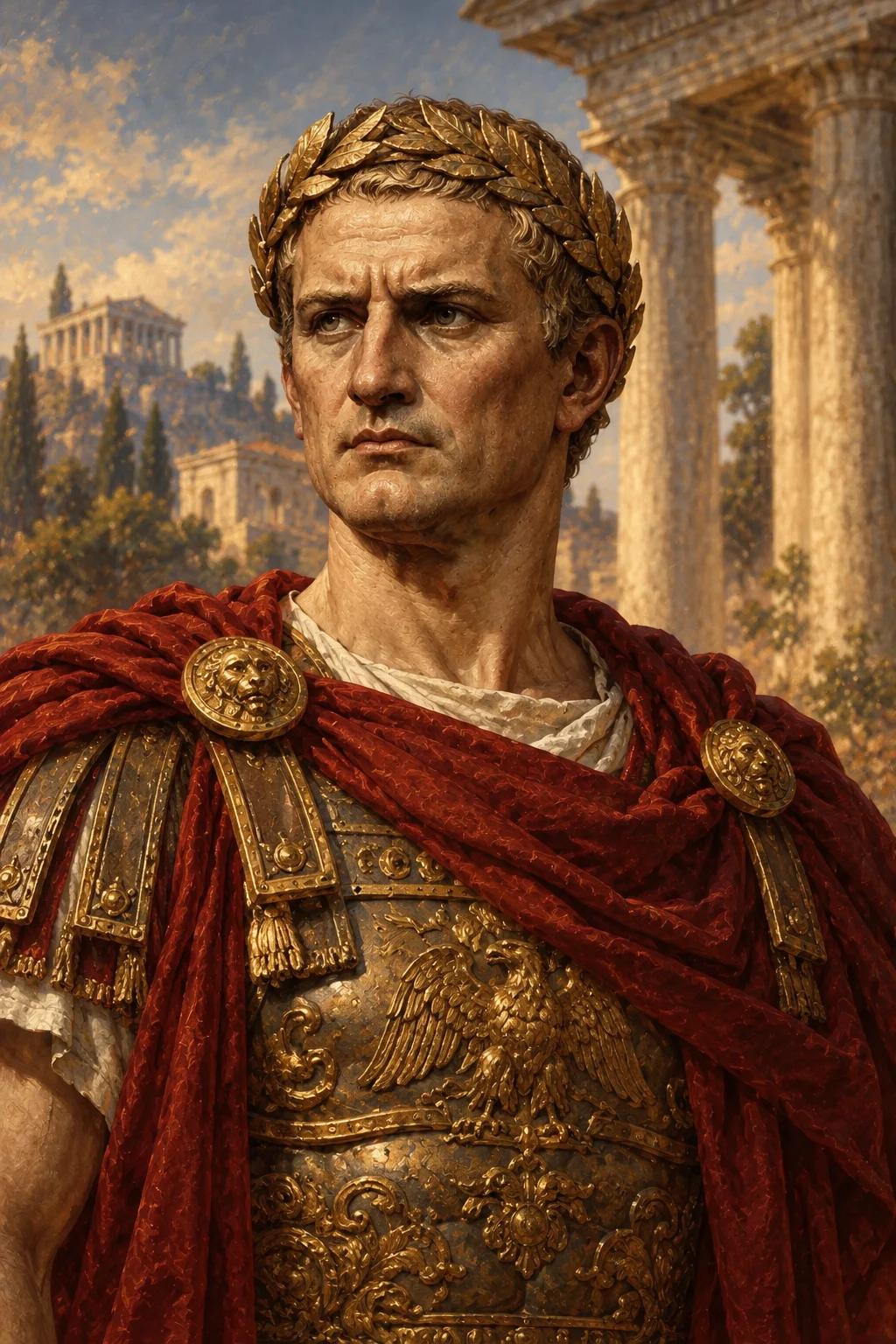
AI-assisted painted reconstruction of Scipio Aemilianus
AI-assisted historical reconstruction

An illustrative reconstruction based on historical context. It is not a photograph or documentary likeness. Image policy Attribution

Life Journey

The commander who ended Carthage

Follow the key events and turning points in this life story.

Complete chronology

185 BCE

Born between great houses

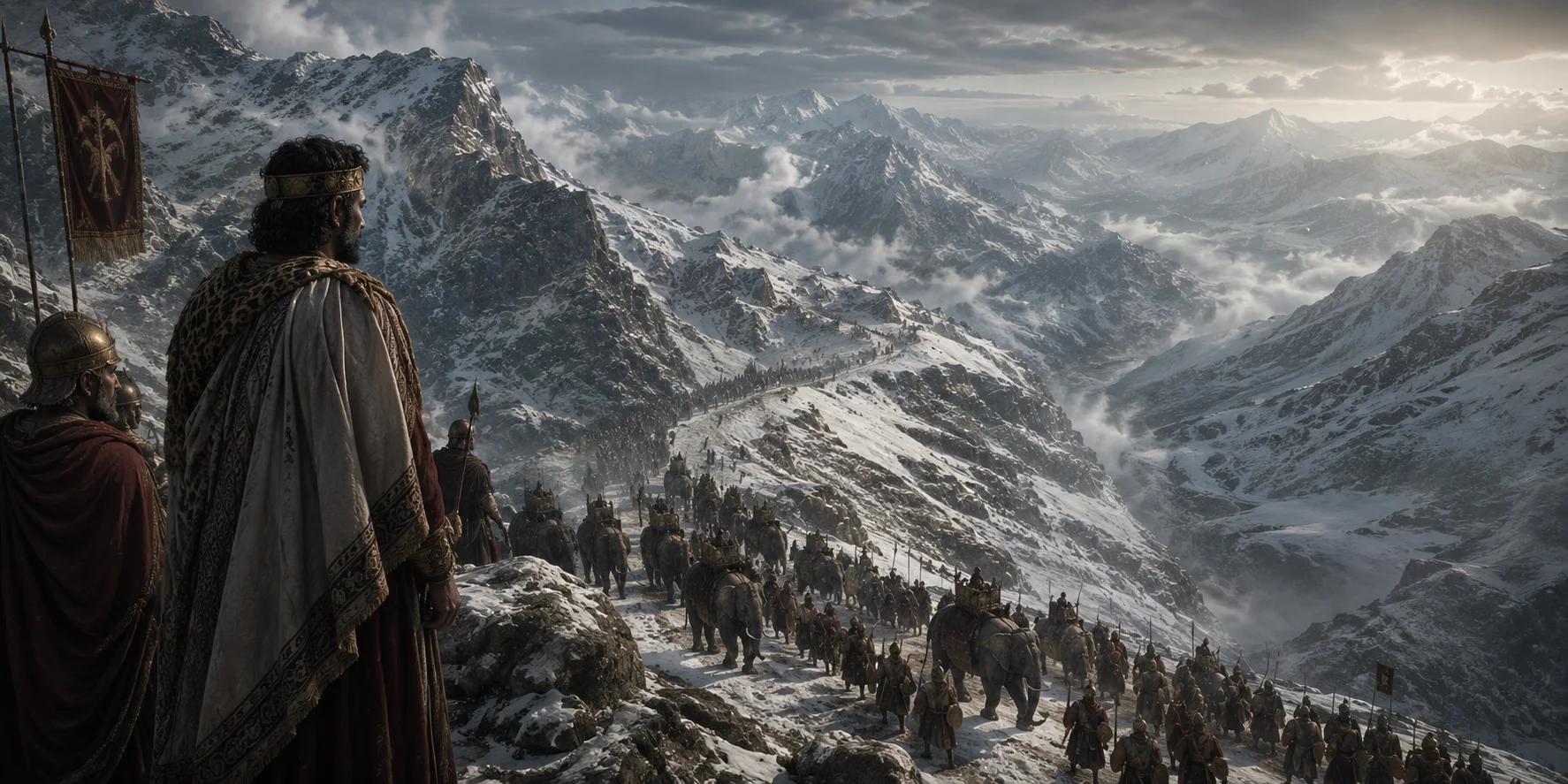
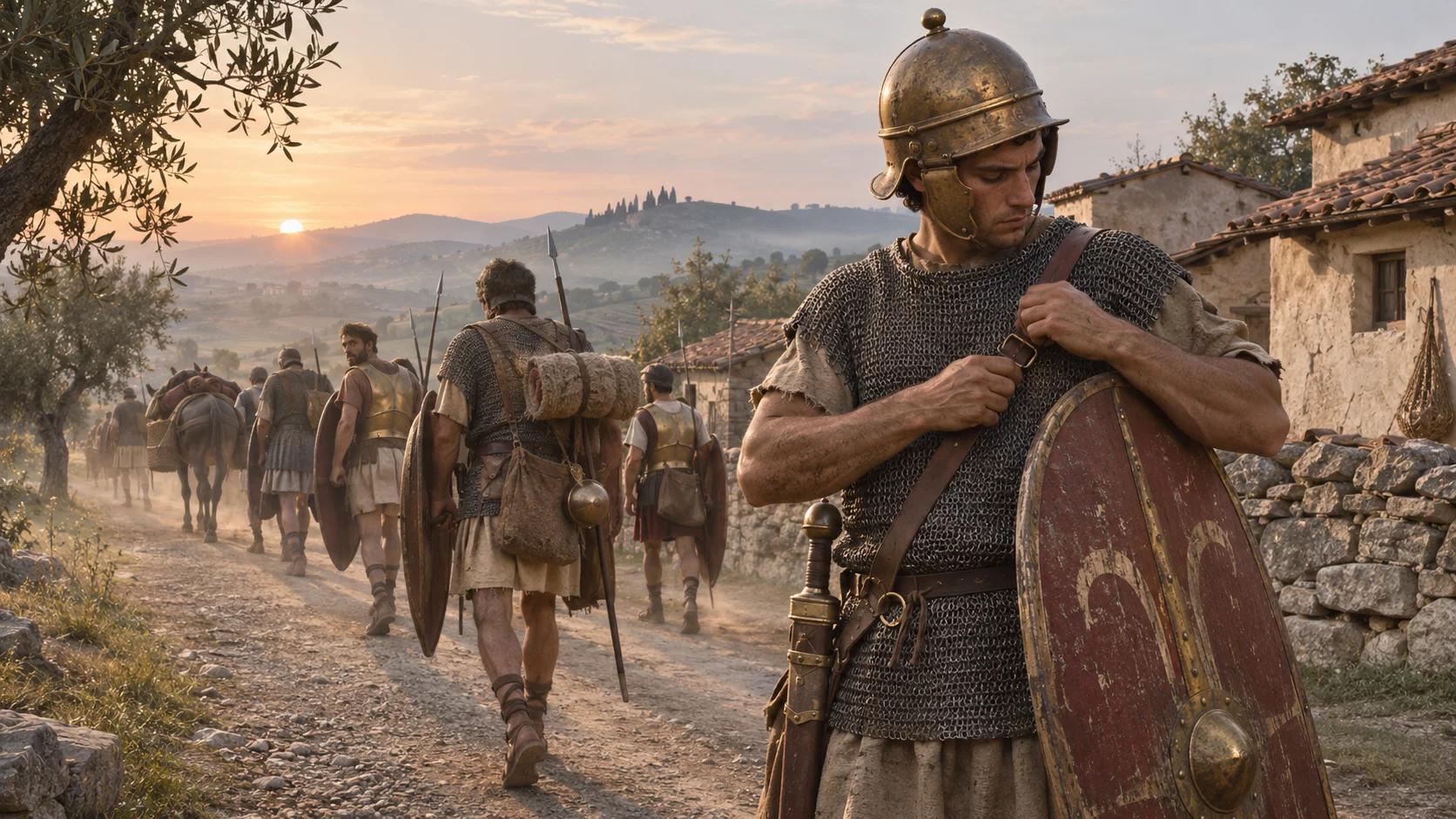
Scipio Aemilianus was born the son of Lucius Aemilius Paullus, the Roman victor over Macedon at Pydna, and was later adopted into the Cornelii Scipiones, the family of Scipio Africanus. Adoption in elite Rome was not a sentimental detail. It transferred name, inheritance, expectation, and political identity. Aemilianus grew up with the burden of two military legacies: Macedon conquered through his birth family and Hannibal defeated through his adoptive line. That inheritance shaped how Romans saw him long before he took command in his own right.
160s-150s BCE

An aristocrat of discipline

Aemilianus belonged to a generation living with the consequences of Rome's victories. The Republic was richer, more powerful, and more strained than before. Elite commanders competed for honour in distant wars while social tensions grew at home. Ancient tradition presents Aemilianus as austere, disciplined, intellectually connected, and close to Greek culture without abandoning Roman severity. Whether the literary portrait is polished or not, his career shows a man trusted when Rome believed a war had become embarrassing, disorderly, or too slow. His value was not only courage. It was the promise of restoring order.

149-147 BCE

Carthage under siege

Rome entered the Third Punic War against a Carthage that was far weaker than the enemy Hannibal had once defended. Yet the city resisted fiercely. Roman demands pushed Carthage into desperation, and desperate cities can be hard to conquer. Early Roman commanders struggled with discipline, logistics, assaults, and the hard work of siege. Aemilianus first gained notice for competence and personal courage in this environment. By 147 BCE, Roman voters and leaders turned to him for command even though normal age and office expectations had to bend. The appointment showed both the crisis of confidence and the power of the Scipionic name.

147 BCE

Command in Africa

Aemilianus approached the siege as a problem of control. He worked to restore Roman discipline, close gaps in the blockade, secure positions, and reduce the city's ability to receive supplies. Carthage's defenders fought from walls, harbours, streets, and workshops, turning the siege into an exhausting urban struggle. Aemilianus did not win by one clean stroke. He imposed pressure until resistance could be broken section by section. The process revealed a harsher Rome: patient, organized, and willing to turn strategic fear into total destruction.

146 BCE

The fall of Carthage

The capture of Carthage was one of Rome's most consequential acts of destruction. After the final assault, fighting continued through streets and buildings. The city was burned and dismantled as an independent power. Survivors were enslaved, and the surrounding territory was reorganized under Roman authority as the province of Africa. Later stories about salt being sown into the soil are not reliable ancient fact, but they reflect a real historical meaning: Rome wanted finality. Aemilianus became the commander whose name was attached to that finality.

134-133 BCE

Numantia and Spain

Rome later turned to Aemilianus again in Spain, where the war against Numantia had become a symbol of frustration. As in Africa, he emphasized discipline, siege works, blockade, and the slow removal of hope. Numantia fell in 133 BCE after starvation and desperate resistance. The victory added to Aemilianus's reputation as the man Rome called when it wanted a hard war ended. It also showed the recurring pattern of Roman expansion: distant resistance was increasingly met not only with defeat, but with exemplary destruction.

129 BCE

Politics and death

The world Aemilianus helped build was politically unstable. Rome's victories brought land, wealth, slaves, provinces, and arguments over who should benefit from empire. Tiberius Gracchus, Aemilianus's brother-in-law, tried to address landholding and citizen poverty through radical reform in 133 BCE and was killed in political violence. Aemilianus opposed aspects of the Gracchan movement and became a controversial figure in the bitter aftermath. He died suddenly in 129 BCE. Ancient suspicion surrounded the death, but certainty is impossible. What matters is the atmosphere: Rome's imperial success was now feeding conflict inside the Republic itself.

After 129 BCE

Legacy of finality

Scipio Aemilianus inherited the name of Rome's victory over Hannibal and gave it a darker second meaning. Scipio Africanus had defeated Carthage and left it alive. Aemilianus destroyed it. His career therefore sits at a hinge in Roman history. He represents military discipline, aristocratic prestige, and the capacity to finish wars that others could not finish. He also represents the violence of Roman supremacy: cities broken, populations enslaved, provinces created, and political consequences carried home. His legacy is inseparable from the Punic Wars' final lesson. Rome did not merely become powerful enough to win. It became powerful enough to decide that some rivals would not be allowed to exist.

Continue in context

Connected stories

Move from the profile into the wider events and settings this figure belongs to.

Keep exploring

Content note

This profile is written for educational use and connects to related Stories of History pages. The main portrait is an AI-assisted historical reconstruction, included as an illustrative aid rather than documentary evidence. Image policy Image attribution

References

Sources and historical notes

Sources used to check this page, selected recommendations and historical notes.

Sources used

  1. The Classical Quarterly, “Scipio Aemilianus and Greek Ethics,”

    Examines the evidence for Scipio’s association with Greek intellectual culture.

    Open source
  2. Livius, “Appian: The Punic Wars, part 27,”

    Provides an ancient account of the final surrender and destruction of Carthage under Scipio’s command.

    Open source
  3. The Latin Library, “P. Cornelius Scipio Aemilianus Africanus Minor,”

    Summarises Scipio’s adoption, military commands at Carthage and Numantia, and later political career.

    Open source

Additional sources and notes

Loading reviewed claim sources...

Our editorial approach · Report a historical error

A monthly route through history

Find out first about the latest published stories, feature notes and occasional Premium offers in one monthly email.