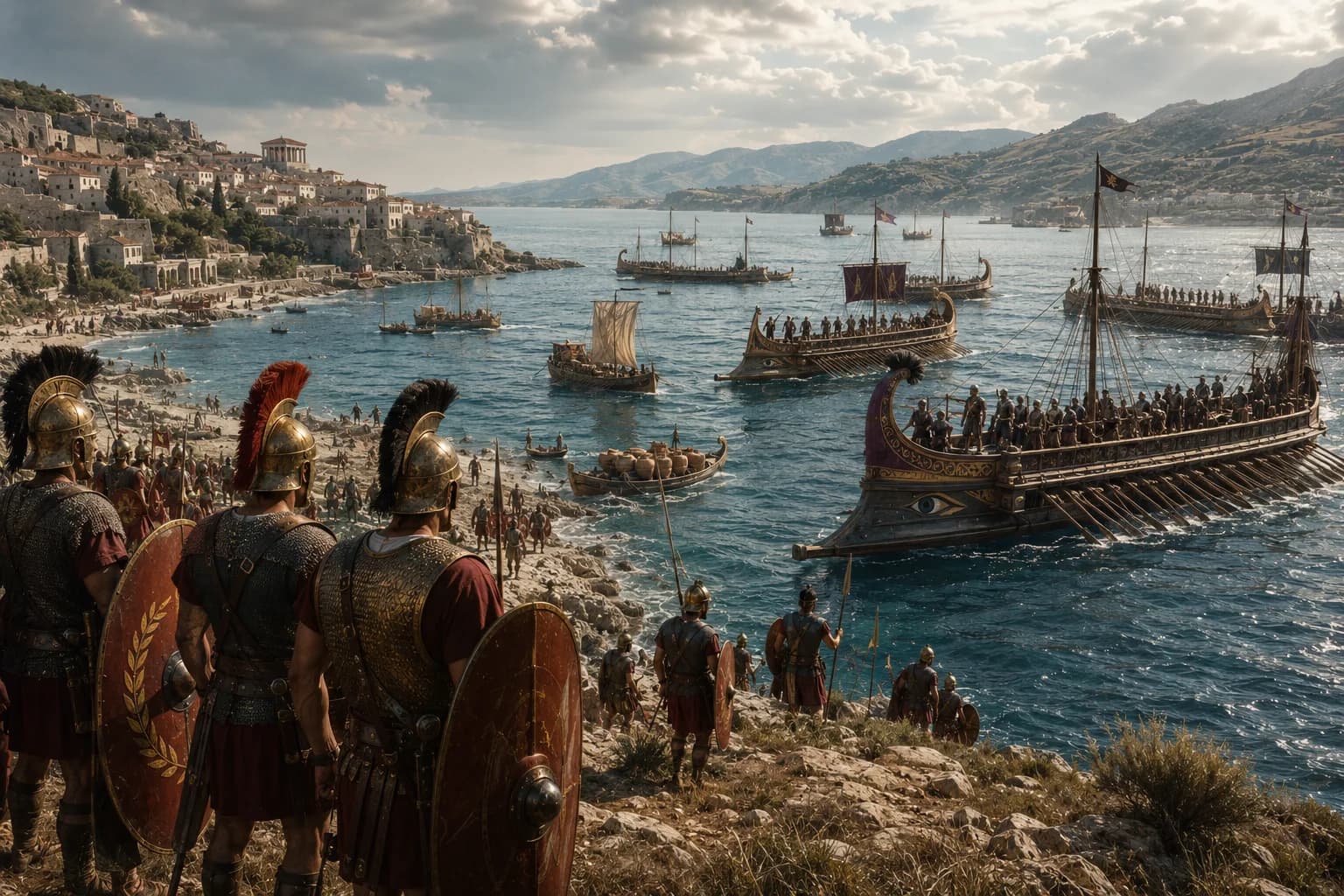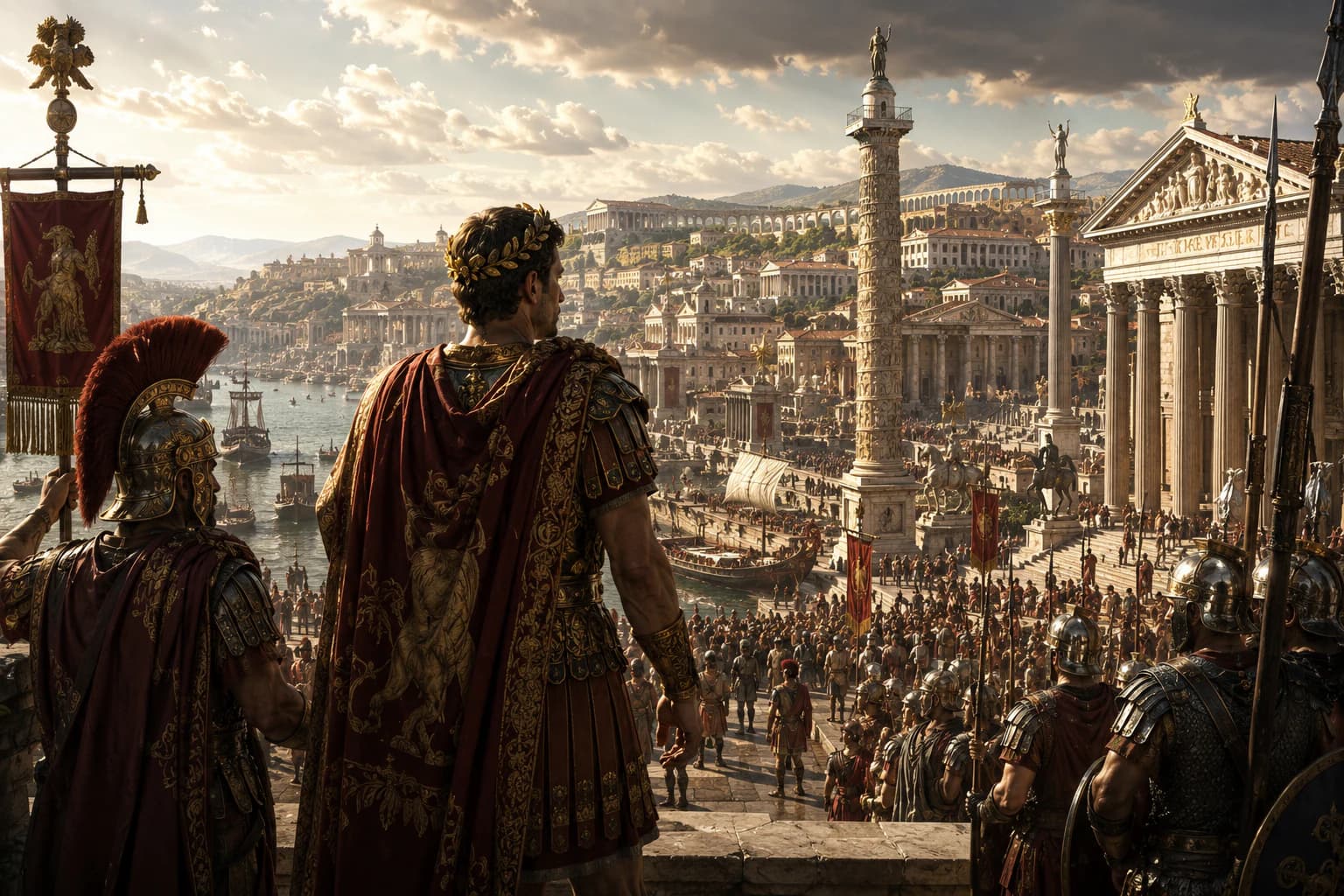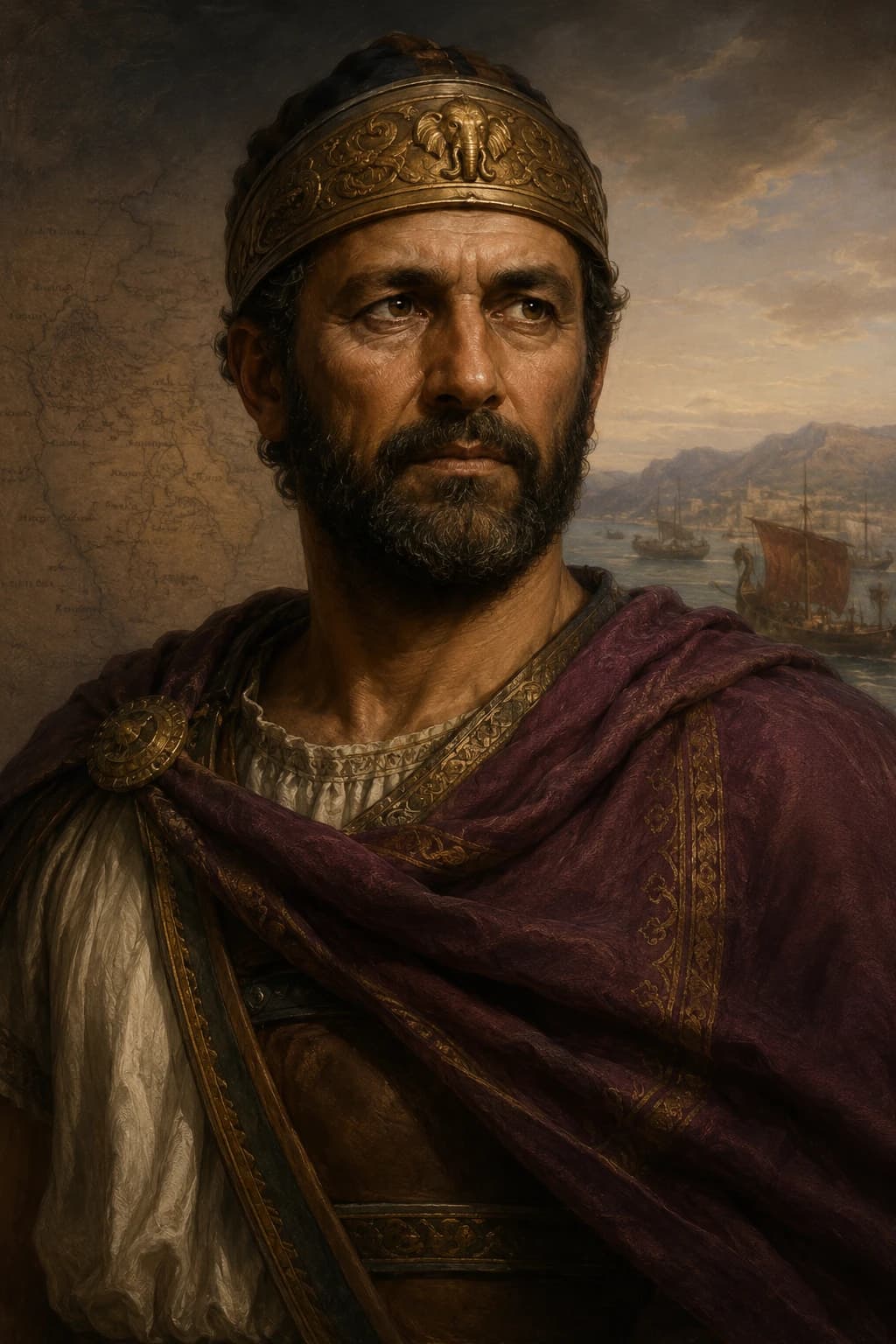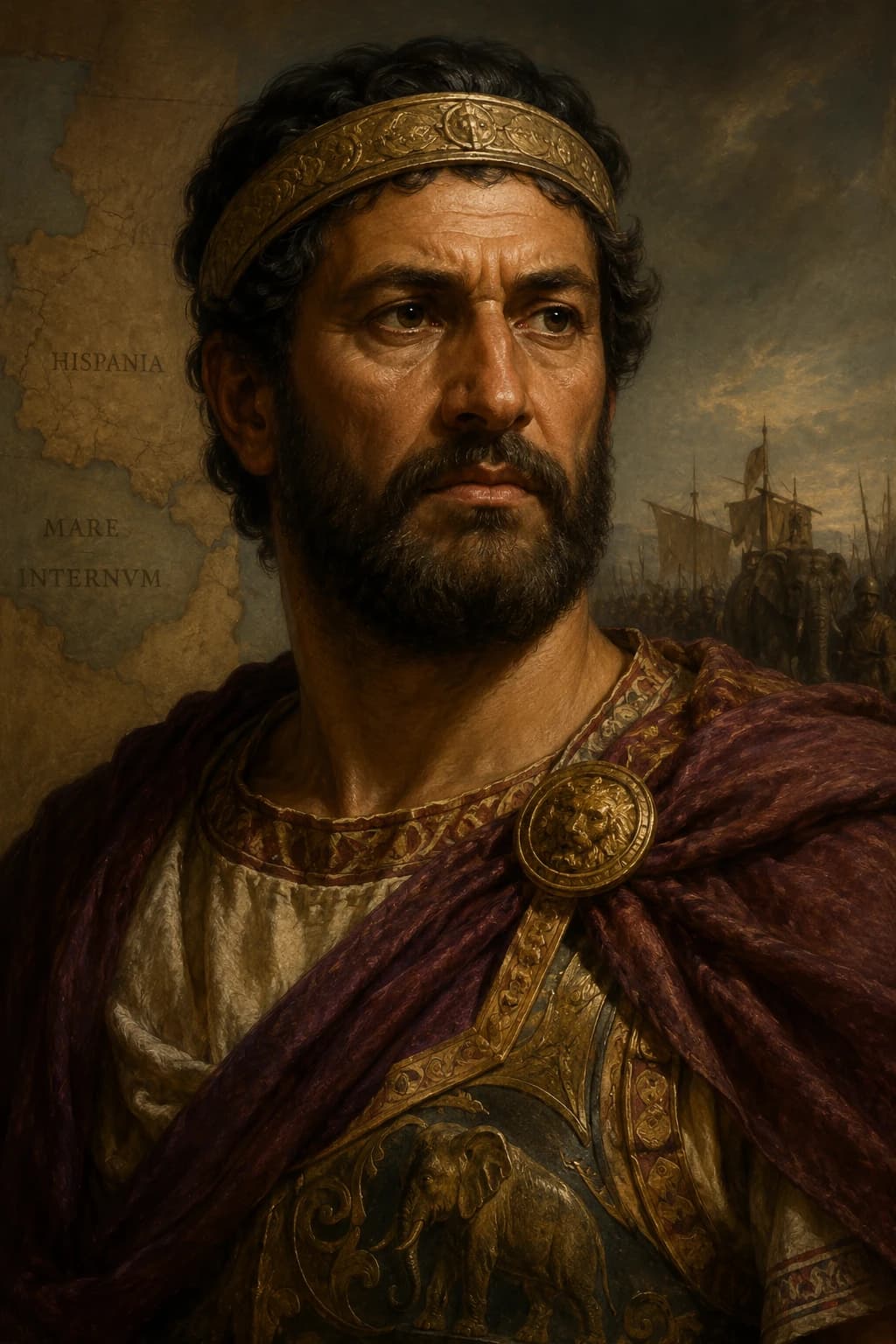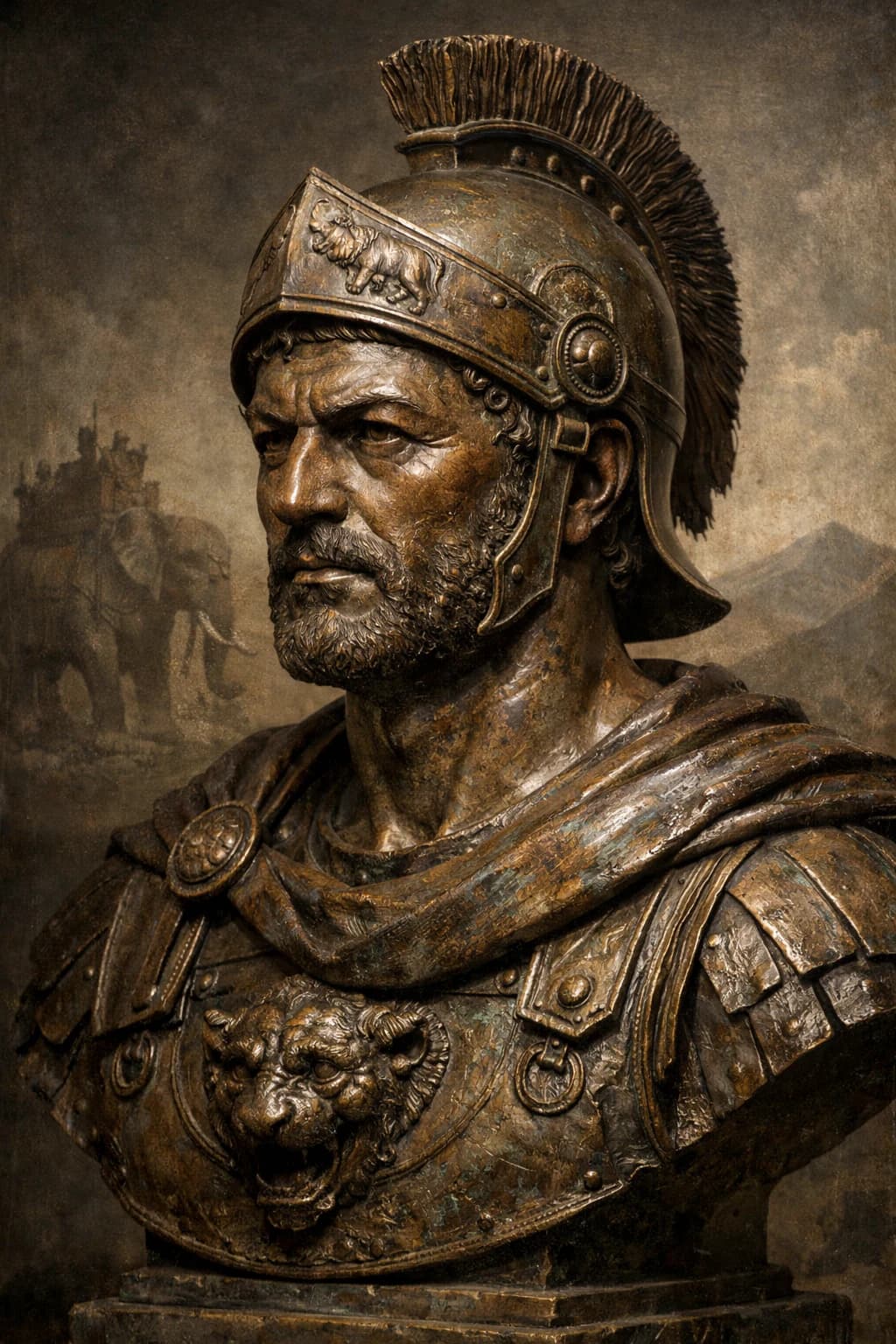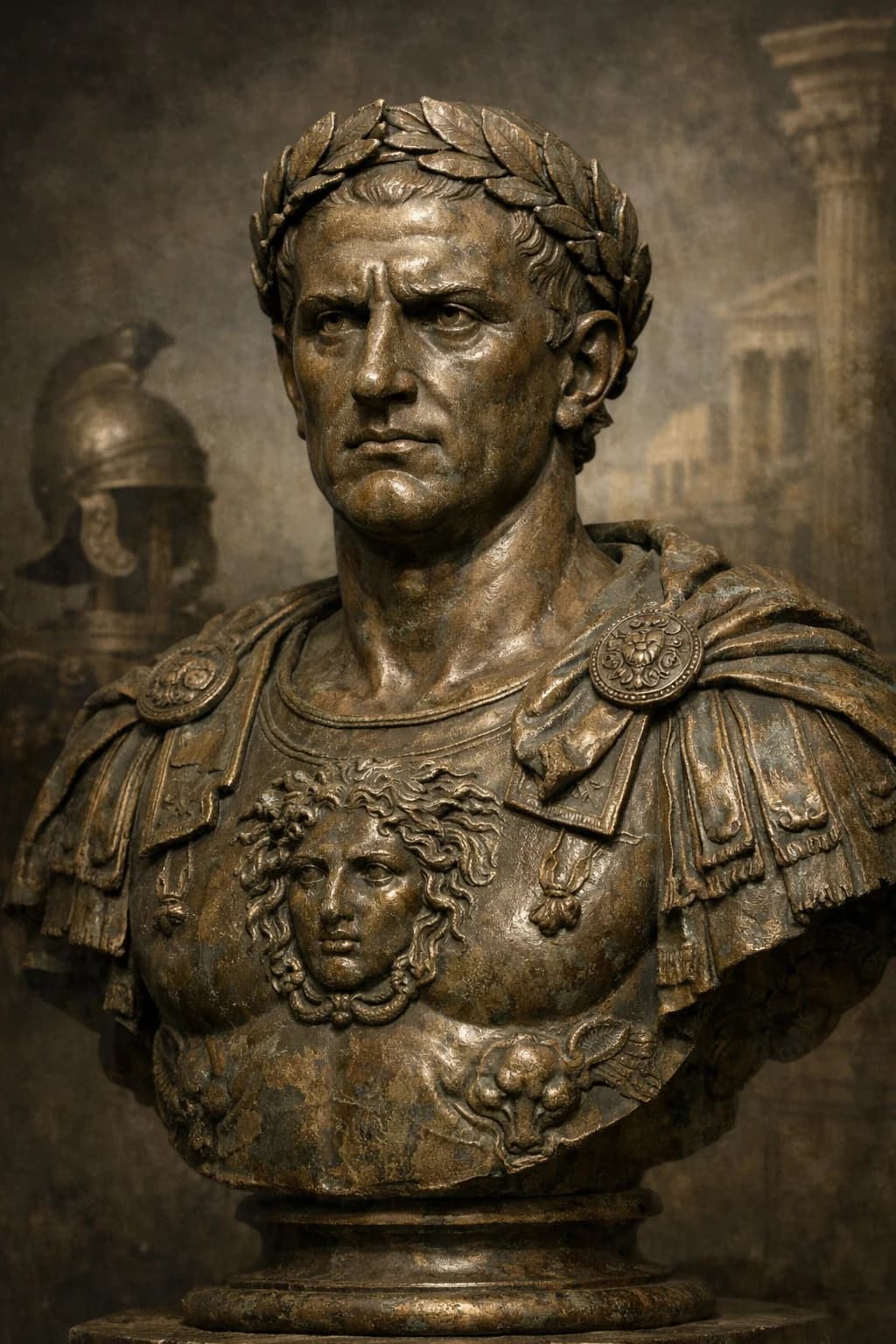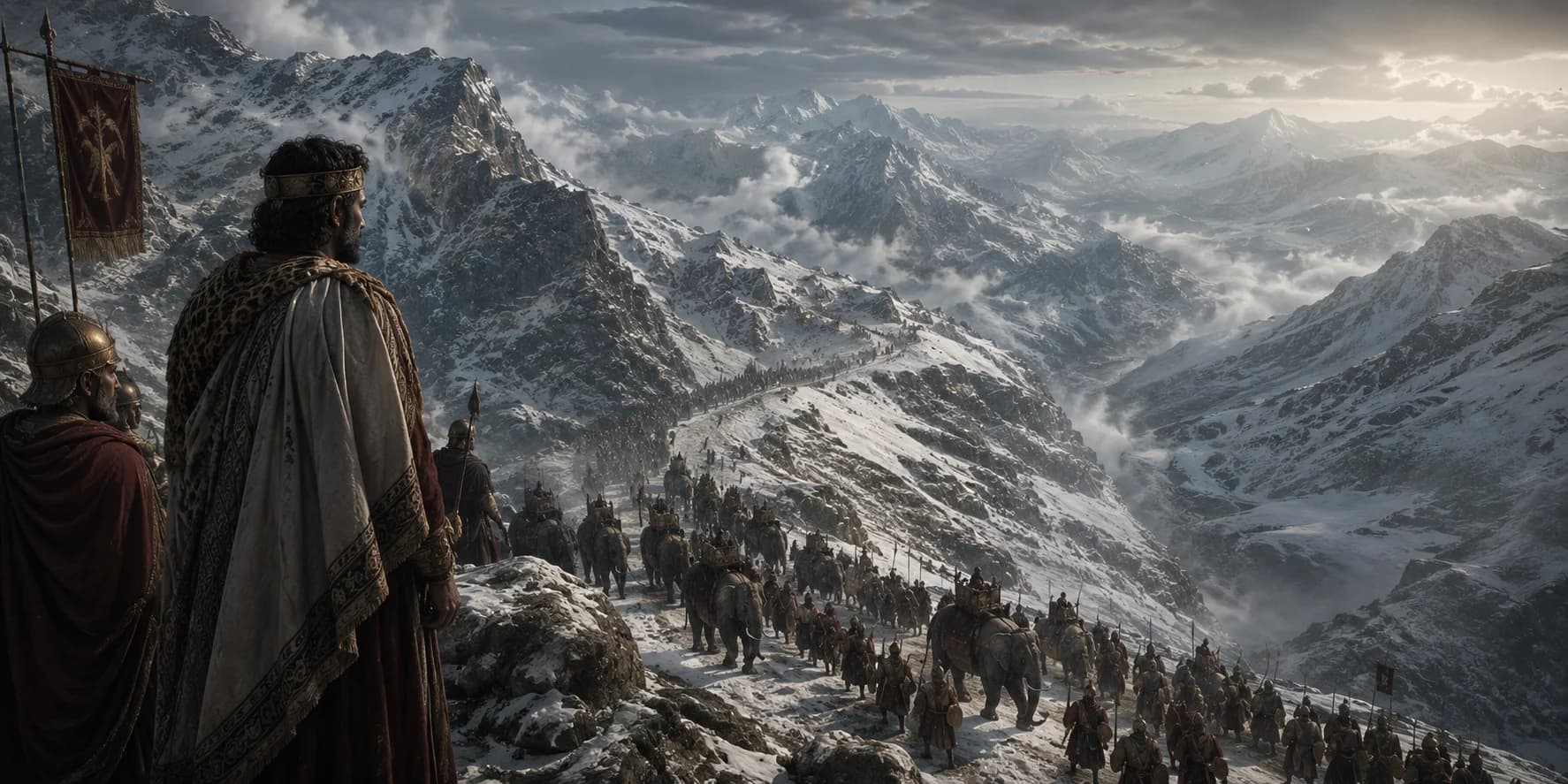
Roman and Carthaginian forces facing one another across the Mediterranean during the Punic Wars.
Premium Story

The Punic Wars

Trace the century-long struggle between Rome and Carthage as Sicily, sea power, Hannibal, Zama, and empire transform the Mediterranean world.

Start the storyExplore Premium

11 chapters

Next
Context

Introduction

Overview

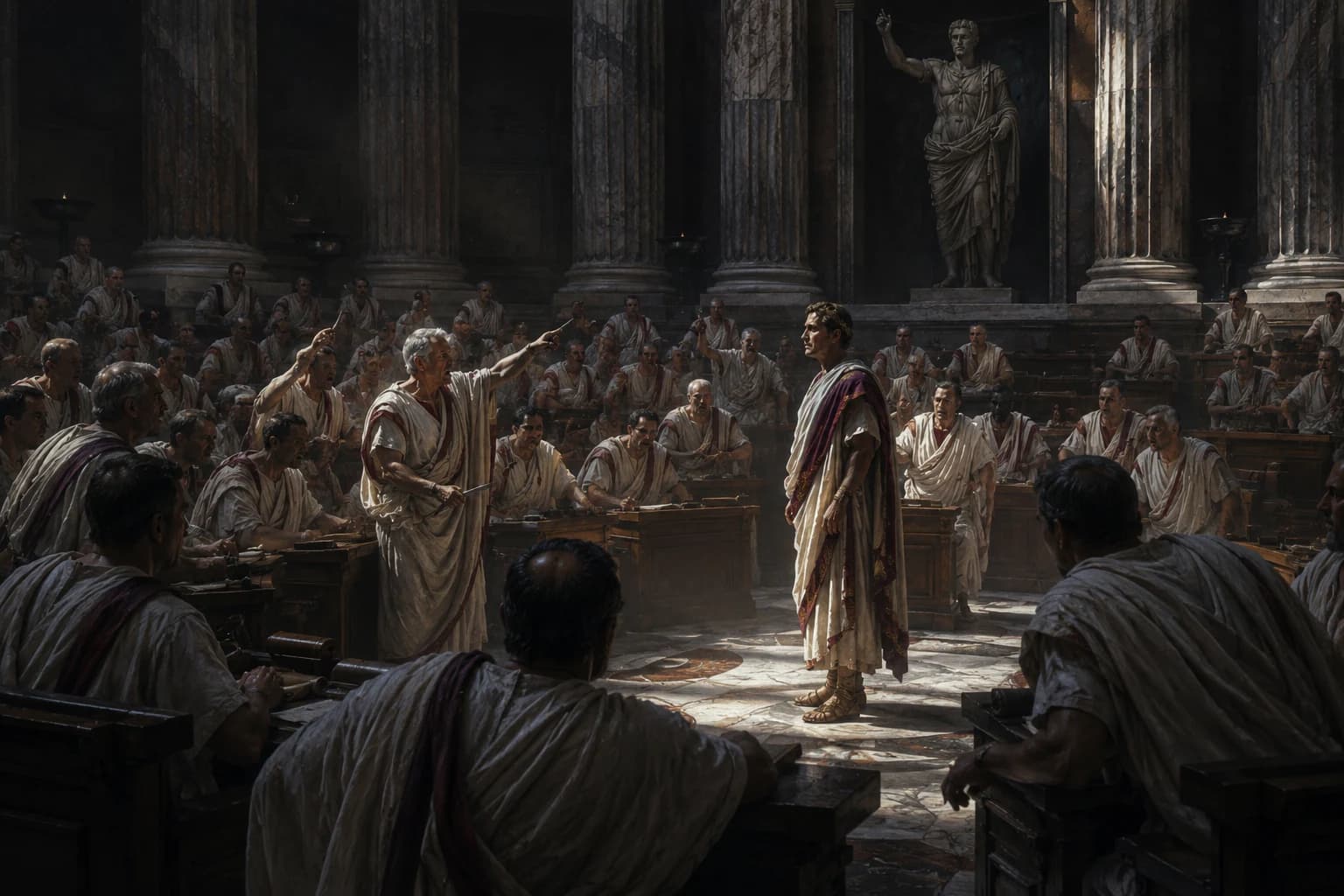
The Punic Wars were the three great conflicts fought between and from 264 to 146 BCE. What began as a dispute over became a century-long struggle for command of the western Mediterranean. learned naval warfare, survived Hannibal's invasion of Italy, destroyed , and emerged as the dominant power across the Mediterranean. Victory brought empire, wealth, slavery, and political strain, helping transform the Roman Republic itself.

What you'll learn: You'll see how a regional rivalry became a struggle for Mediterranean dominance, why Hannibal nearly broke , and how victory over helped create the empire that later overwhelmed the Republic.

Key forces

Rival Powers Emerge
264 BCE
Step 1 of 10264 BCEAccessible mode

Rival Powers Emerge

and did not begin as natural enemies. They became rivals because both were growing into the same sea.

By the third century BCE, had conquered or allied with most of Italy. Its strength came from land armies, citizen soldiers, and a network of Italian allies that could supply huge manpower.

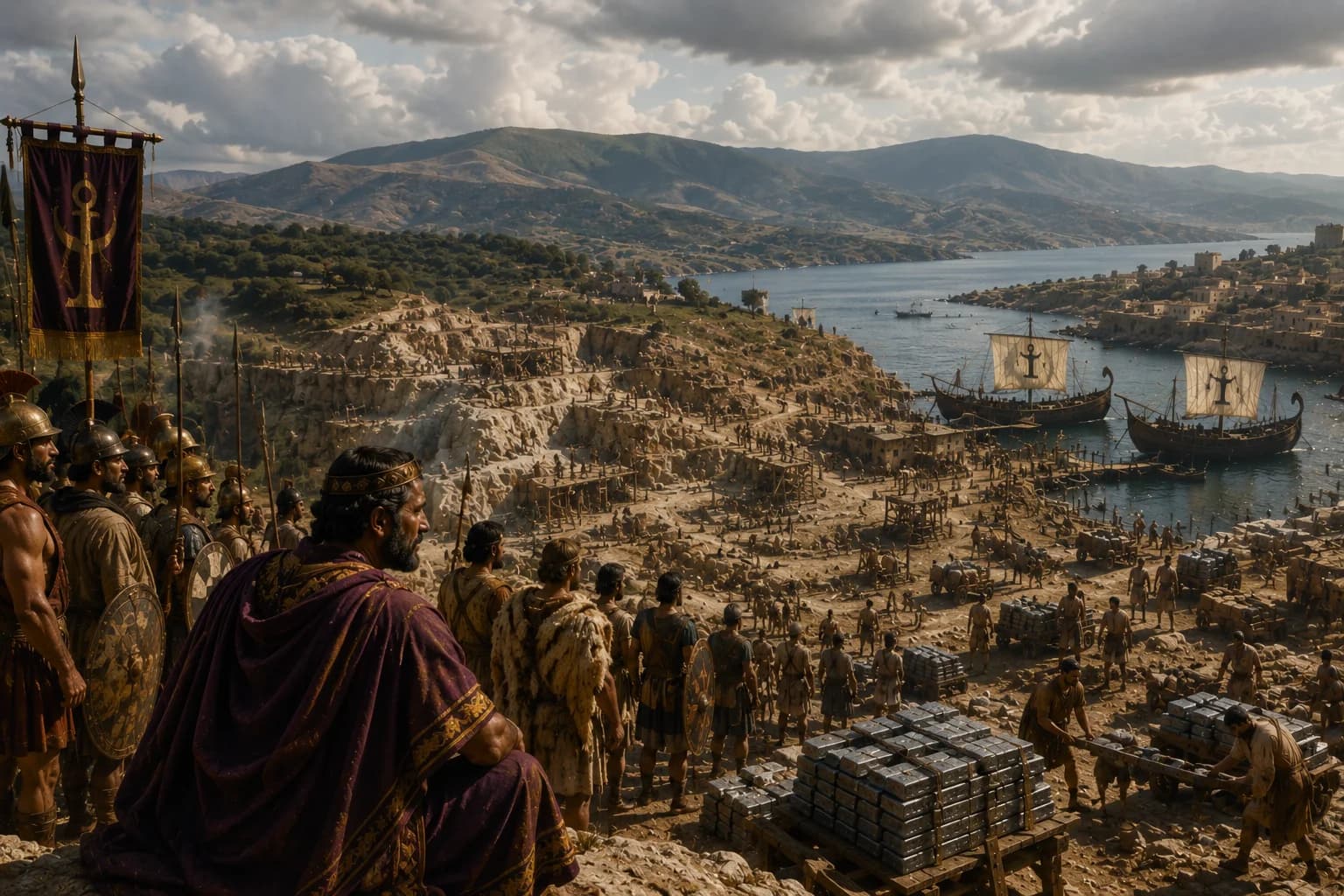
was different. It was a rich trading city on the North African coast, founded by Phoenicians and connected to ports, colonies, and markets across the western Mediterranean. Its power rested on ships, commerce, money, and naval experience.

lay between them. The island was wealthy, fertile, and strategically placed between Italy and North Africa. Whoever controlled could threaten trade routes, watch enemy movements, and project power across the central Mediterranean.

“ turned two expanding powers into direct competitors.”

A local dispute at drew both powers in. feared that might gain too strong a position so close to southern Italy. feared that might push beyond Italy and threaten its maritime world.

Once both sides intervened, compromise became difficult. The conflict was no longer only about one city in . It was about whether or would shape the future of the western Mediterranean.

Rome Masters the Sea
260 BCE
Step 2 of 10260 BCEAccessible mode

Rome Masters the Sea

was powerful on land, but ruled the sea. To win the First Punic War, had to learn a new kind of fighting.

At first, the challenge looked almost impossible. had generations of naval experience. Roman soldiers were used to roads, camps, and battle lines, not fleets and storms.

responded with speed and stubbornness. It built a large fleet and trained crews for war at sea. Instead of trying to beat only through better seamanship, looked for a way to use what it already did best: infantry combat.

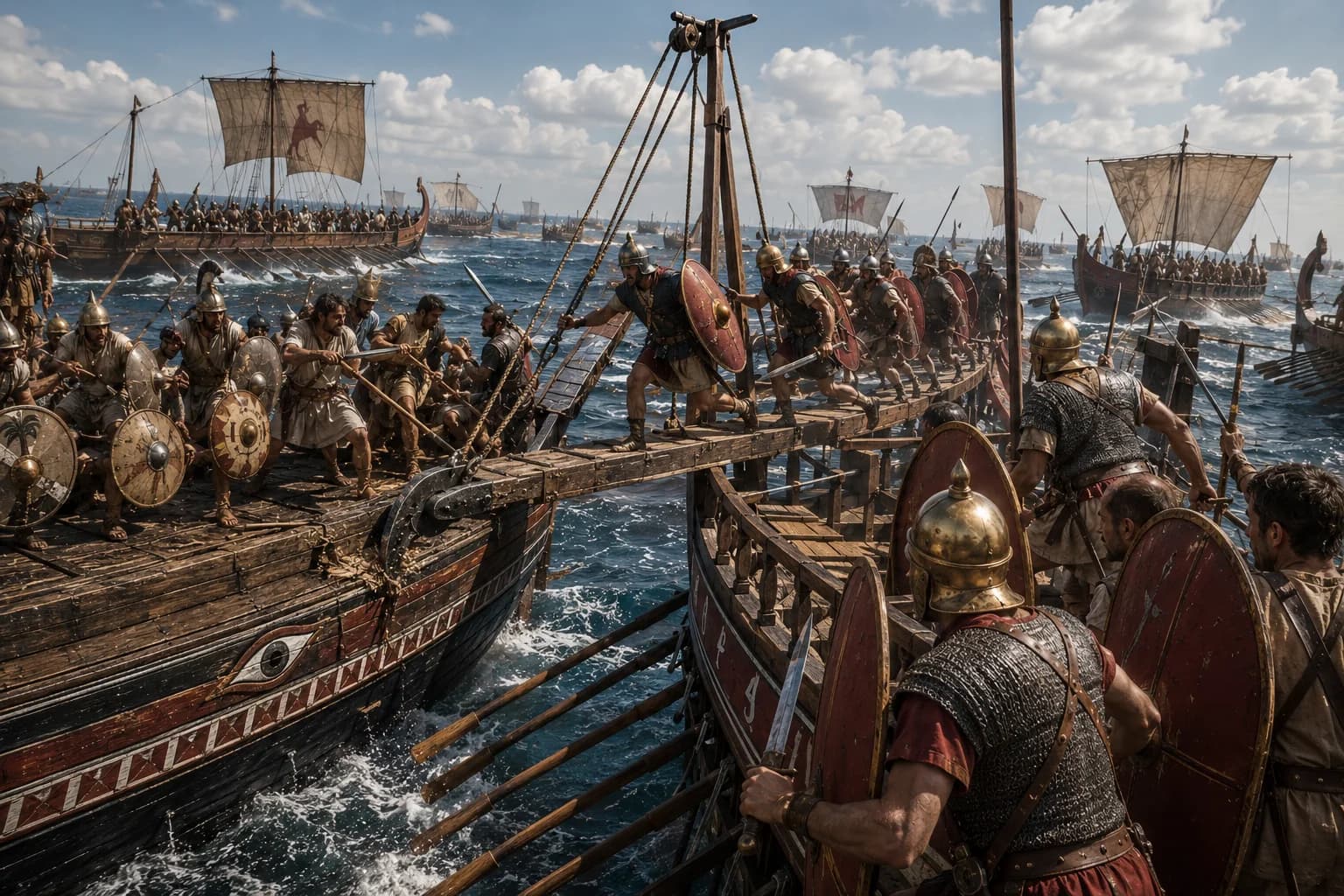
The result was the corvus, a boarding bridge with a spike that could crash down onto an enemy deck. Once attached, Roman soldiers could board the Carthaginian ship and fight hand to hand.

“ turned a sea battle into a land battle on floating wood.”

At in 260 BCE, won a major naval victory. Further victories showed that 's maritime dominance could be challenged. was still learning, and storms would destroy fleets more than once, but the lesson was clear.

The First Punic War forced to become more than an Italian land power. It learned to build, adapt, replace losses, and fight across the sea.

Premium2 of 10 chapters read

Carthage Seeks Revenge

From rivalry over Sicily to Hannibal's invasion, Zama, and the destruction of Carthage, the Punic Wars made Rome the dominant power of the Mediterranean and changed the Republic forever.

Continue the story with Premium

Coming next

  1. Chapter 3Carthage Seeks Revenge
  2. Chapter 4Hannibal Crosses the Alps
  3. Chapter 5The Disaster at Cannae

And 5 more chapters to follow.

Explore connected stories

Follow the connected history

Explore closely connected stories and free figure profiles. Premium stories open with a public preview.

Unlock full storyBrowse stories

References

Sources & Further Reading

Reliable sources, primary-source collections and reading paths connected to this page.

Further reading

  1. Encyclopaedia Britannica, “Search results for The Punic Wars,” Open source
  2. WorldCat, “Library holdings for The Punic Wars,” Open source

Primary sources

  1. Library of Congress, “Search results for The Punic Wars,” Open source

Reviewed claim sources

Loading reviewed claim sources...

A monthly route through history

Find out first about the latest published stories, feature notes and occasional Premium offers in one monthly email.