← People

Philip VI of France

Philip VI of France was the first Valois king. Chosen after Charles IV died without a male heir in 1328, he rejected Edward III's claim to the French crown, moved against English-held Aquitaine, and ruled during the opening defeats of the Hundred Years War.

Born
1293 CE
Died
1350 CE
Role
King of France
Also known as
Philip VI, Philip of Valois

King of France (1293-1350)

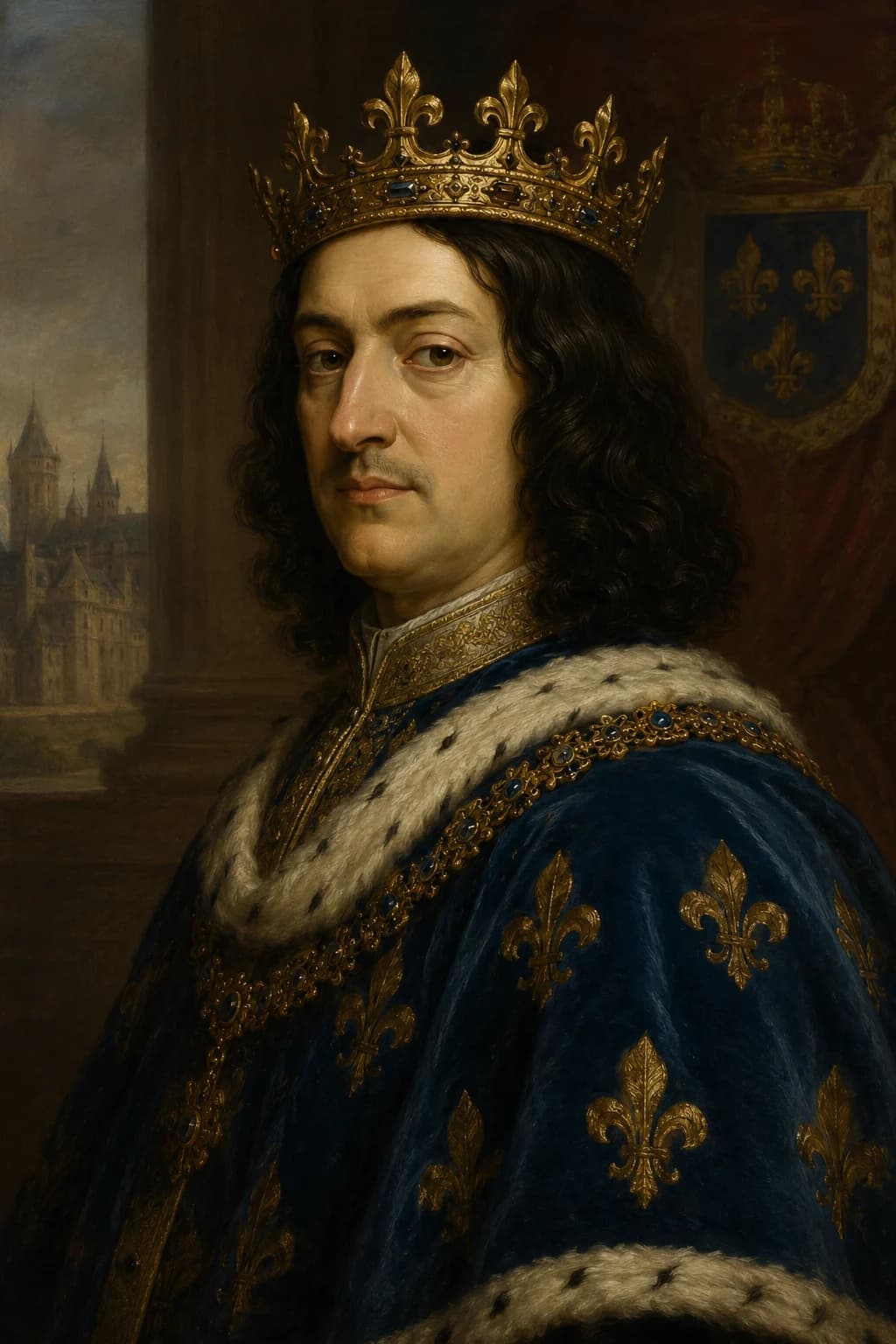
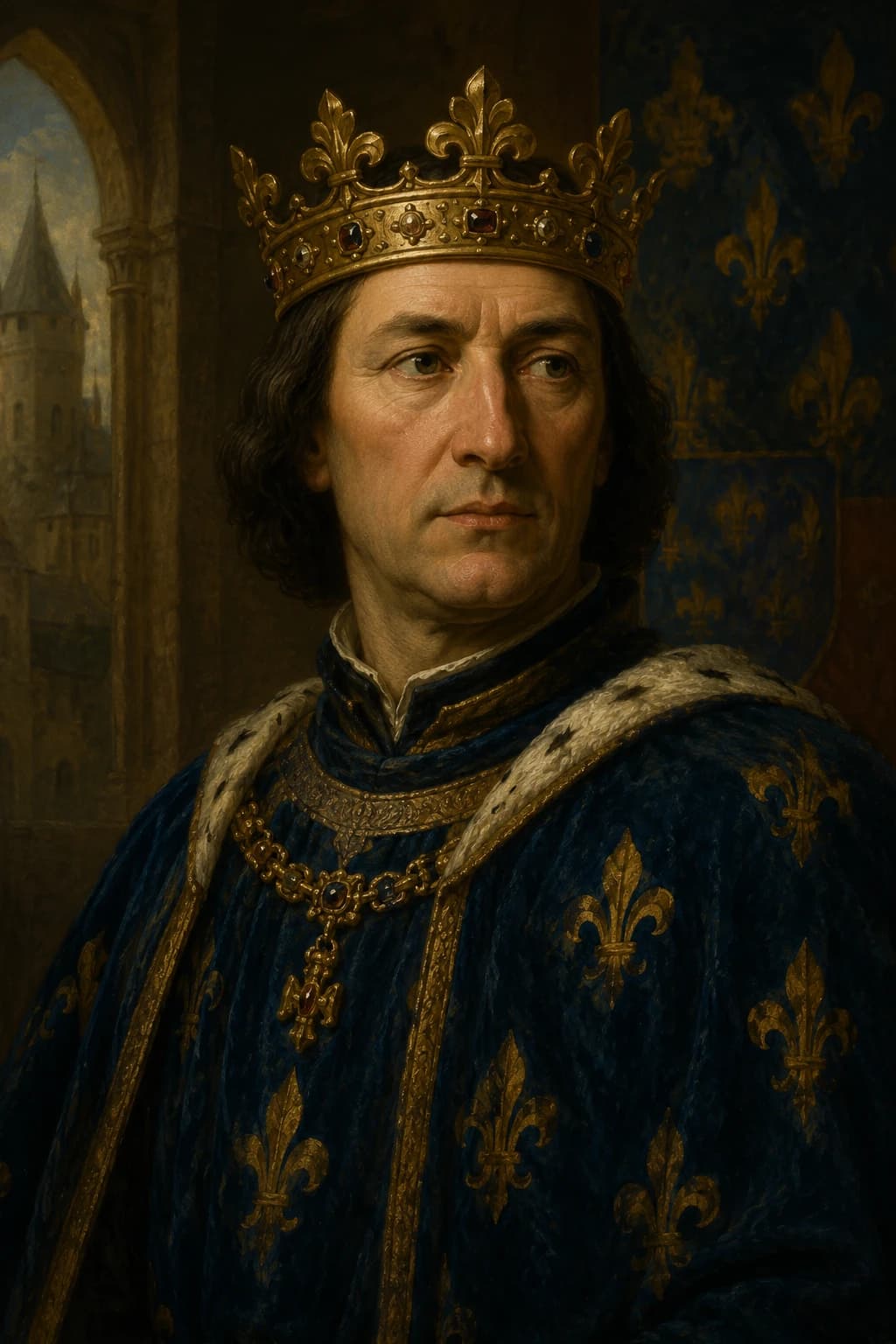
AI-generated portrait of Philip VI of France wearing a crown and blue fleur-de-lis robe
AI-assisted historical reconstruction

An illustrative reconstruction based on historical context. It is not a photograph or documentary likeness. Image policy

Life Journey

The Valois king who inherited a crisis

Follow Philip VI from disputed succession to the war's first great shocks.

Complete chronology

1328

Chosen after crisis

Philip VI's accession was a political solution to a dynastic problem. He came from a male branch of the Capetian family and seemed a safer French choice than Edward III, whose claim came through his mother and whose power base was England. The decision helped define French succession as male-line succession.
1330s

Aquitaine and authority

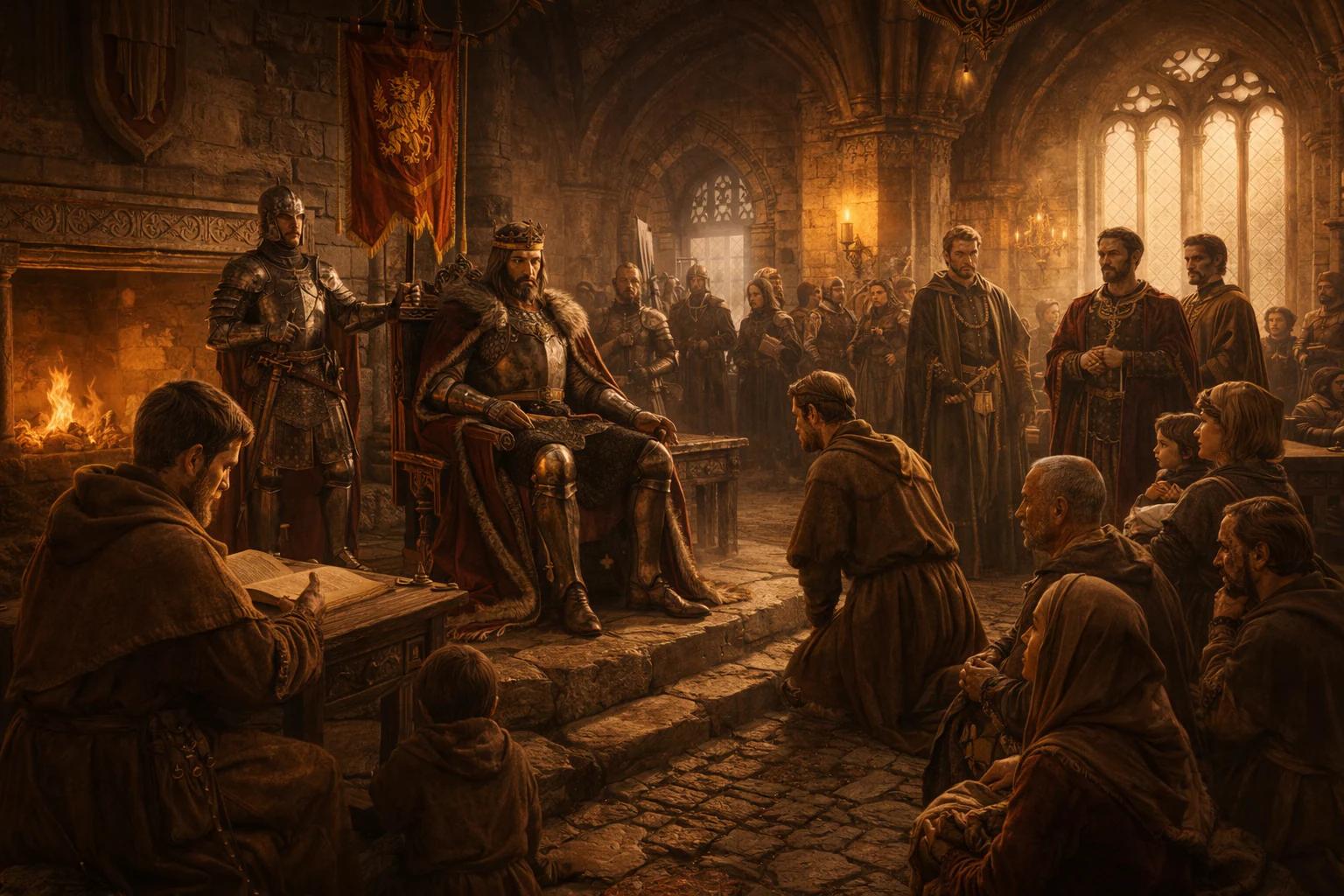
Philip's authority over Aquitaine was not a minor legal detail. The English king held the duchy as a French vassal, allowing Philip to treat Edward as a subordinate lord in France. Edward saw this as an attack on sovereignty. Philip saw it as the normal right of a king enforcing order inside his realm.

1337

War begins

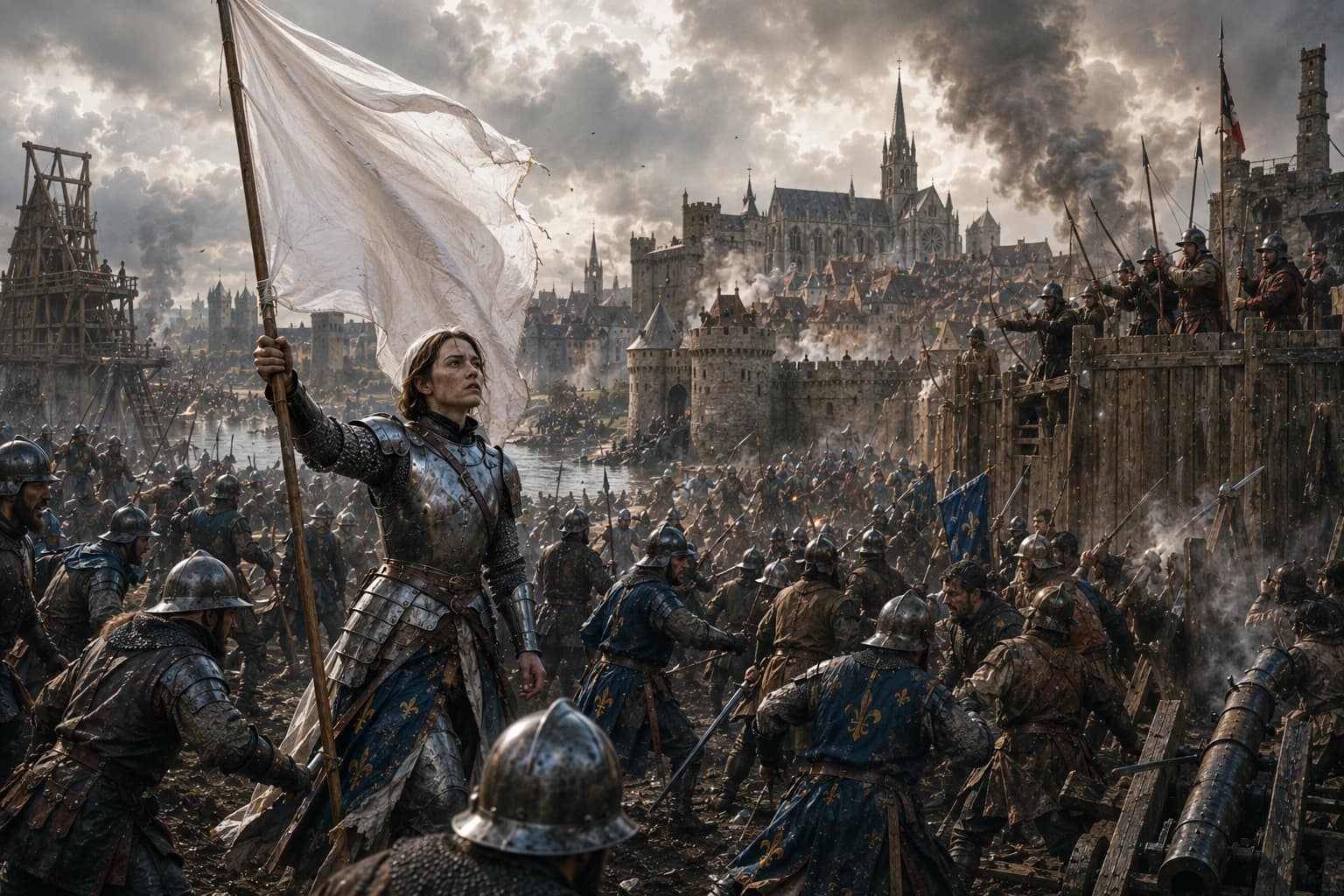
The confiscation of Aquitaine helped turn rivalry into open war. Philip meant to discipline a vassal; Edward replied by denying Philip's legitimacy as king. The dispute now joined dynastic claim, feudal law, territory and trade into a conflict neither side could easily retreat from.

1346-1347

Crecy and Calais

Crecy damaged Philip's authority because it exposed the limits of French military organisation against English defensive tactics and longbowmen. The subsequent loss of Calais turned defeat into a strategic problem. England now held a secure Channel port from which future campaigns could be supported.

1350

A troubled legacy

Philip VI founded the Valois line under pressure rather than triumph. His reign preserved the French crown from Edward's claim, but it also opened a conflict that France was not yet ready to win. Later Valois rulers would have to rebuild from the military and political weaknesses exposed during his reign.

Continue in context

Connected stories

Move from the profile into the wider events and settings this figure belongs to.

Keep exploring

Content note

This profile is written for educational use and connects to related Stories of History pages. The main portrait is an AI-assisted historical reconstruction, included as an illustrative aid rather than documentary evidence. Image policy

References

Sources and historical notes

Sources used to check this page, selected recommendations and historical notes.

Sources used

  1. Larousse, “Philippe VI de Valois,”

    Covers Philip’s accession, the outbreak of the Hundred Years’ War and the loss of Calais.

    Open source
  2. Bibliothèque nationale de France, “Jean Froissart, Chroniques,”

    Introduces Froissart’s chronicle as a source for the Hundred Years’ War and its accounts of the conflict.

    Open source
  3. École nationale des chartes, via Persée, “Philippe VI à la bataille de Crécy,”

    Examines accounts of Philip’s role at the Battle of Crécy.

    Open source

Additional sources and notes

Loading reviewed claim sources...

Our editorial approach · Report a historical error

A monthly route through history

Find out first about the latest published stories, feature notes and occasional Premium offers in one monthly email.