Context
Introduction
Overview
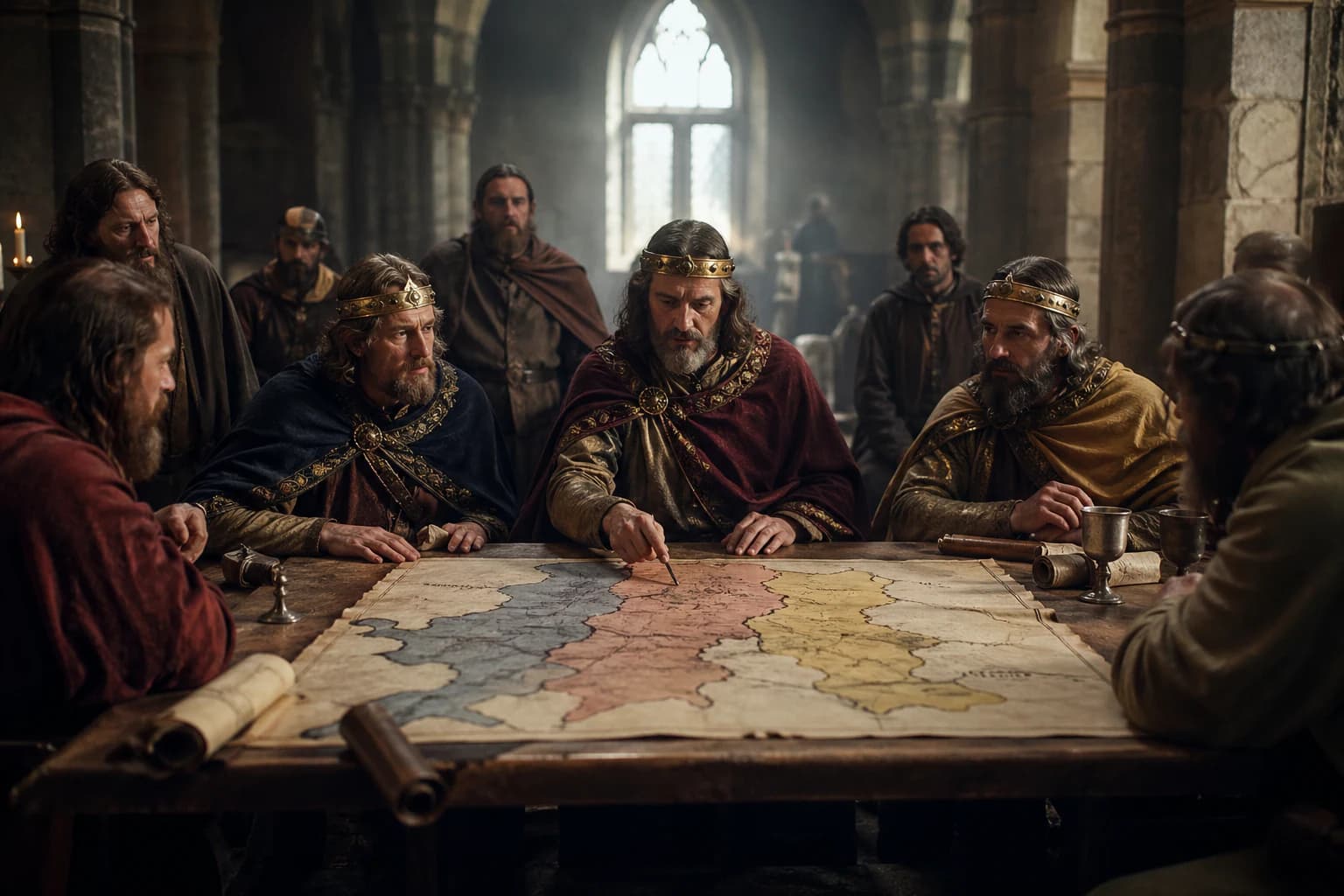
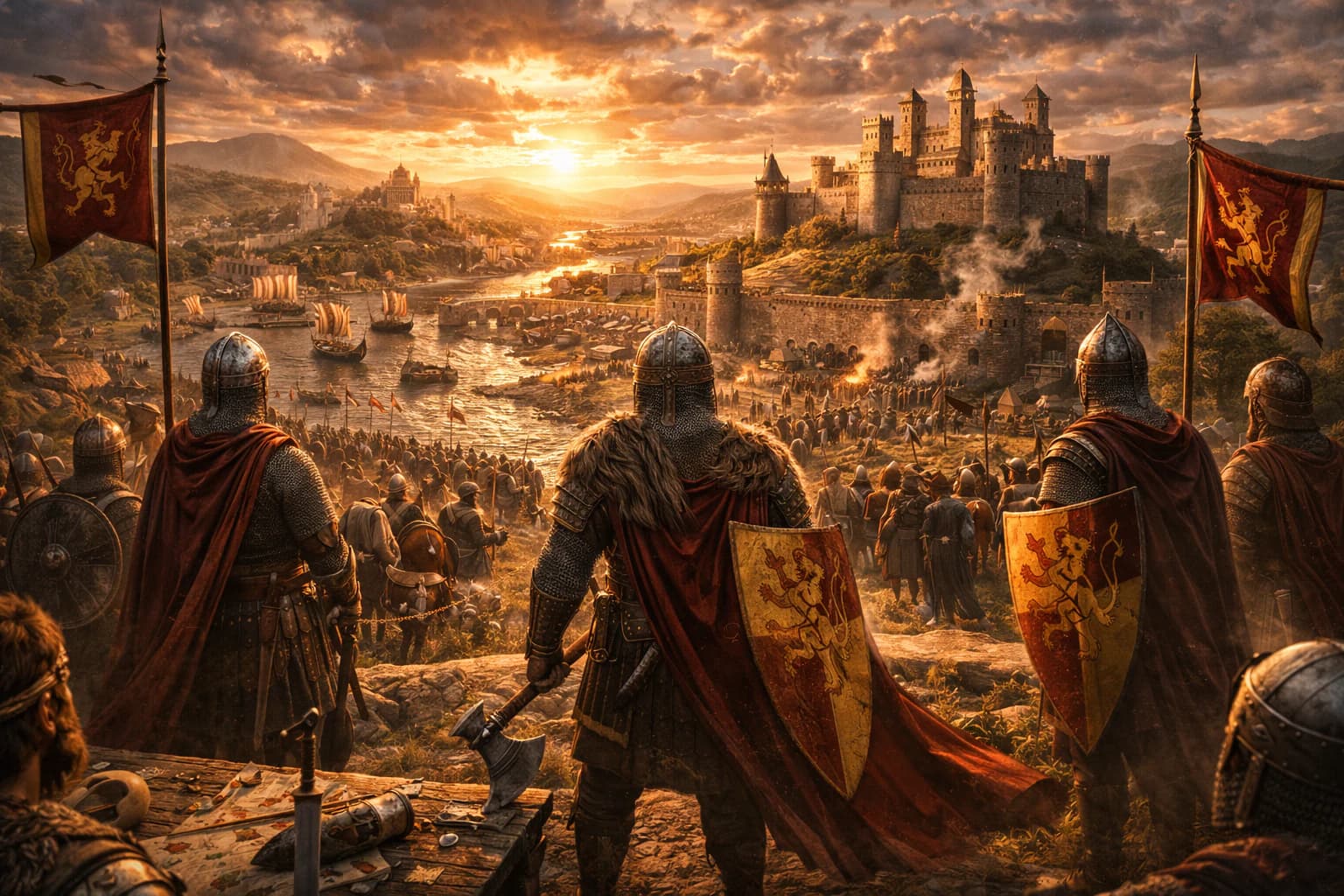
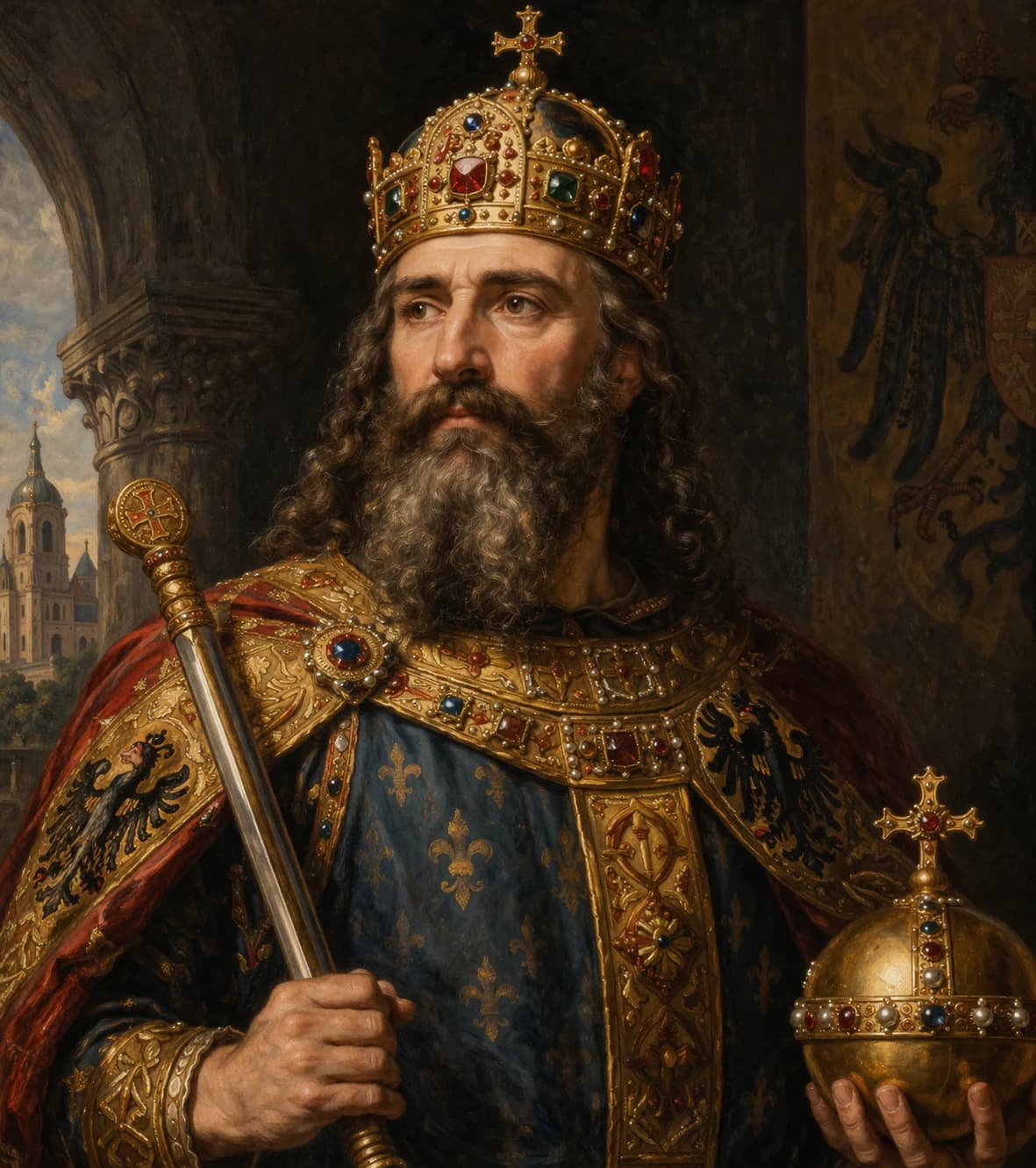
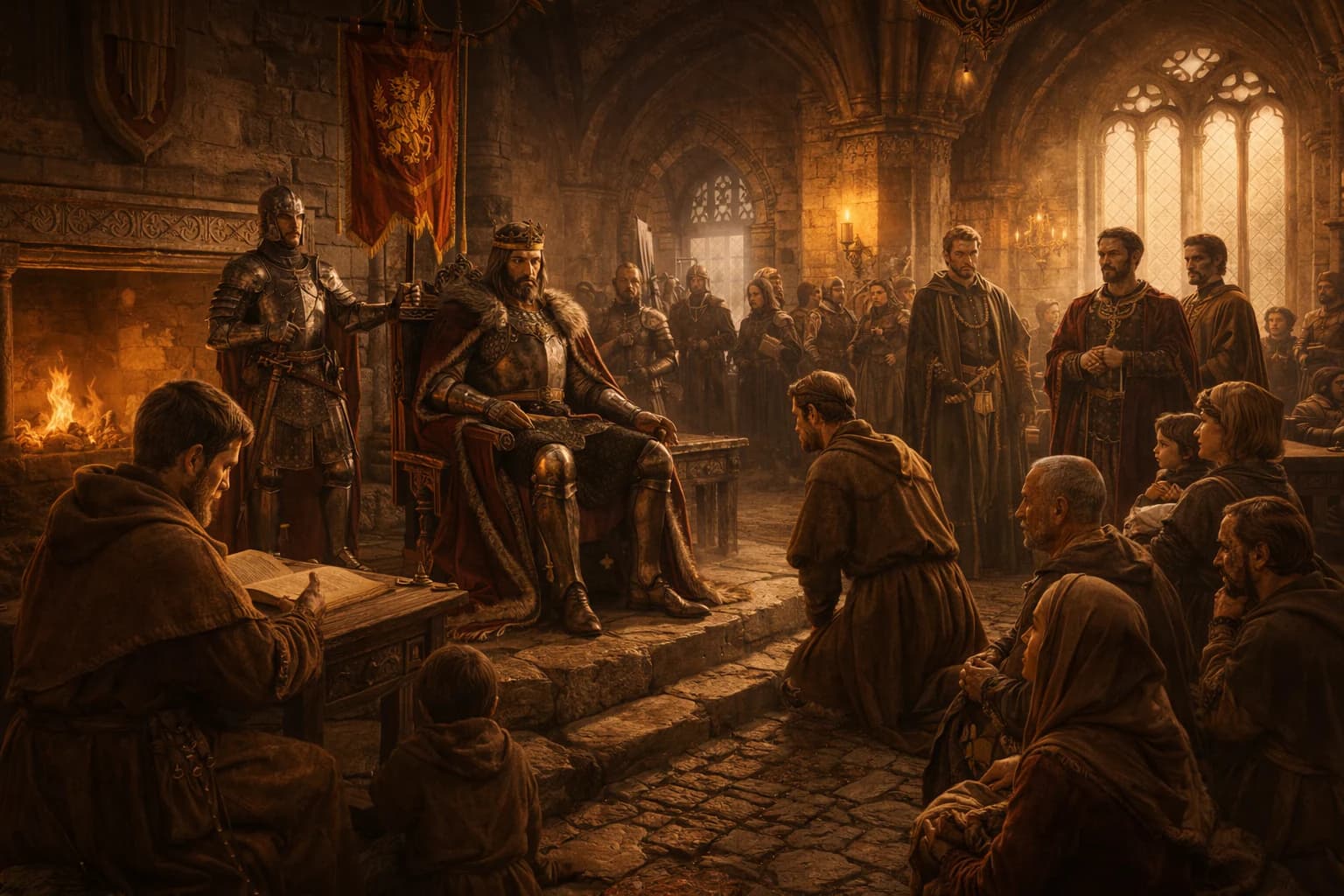
As Charlemagne's empire fragmented, power in much of medieval Europe became local and personal. Land, labour and military service bound lords and peasants into unequal relationships, while the Church shaped belief and daily life. Growing towns, political challenges and the Black Death eventually put those arrangements under strain.
What you'll learn: You'll see how a world without strong central government organised itself through land, loyalty, and sworn obligation, how that system shaped the lives of lords, knights, and peasants alike, and how plague, revolt, and new economic forces gradually transformed it into something new.
Key forces
- Feudalism emerged from the collapse of Carolingian central authority, as local lords filled the vacuum with land-based power and sworn personal loyalty.
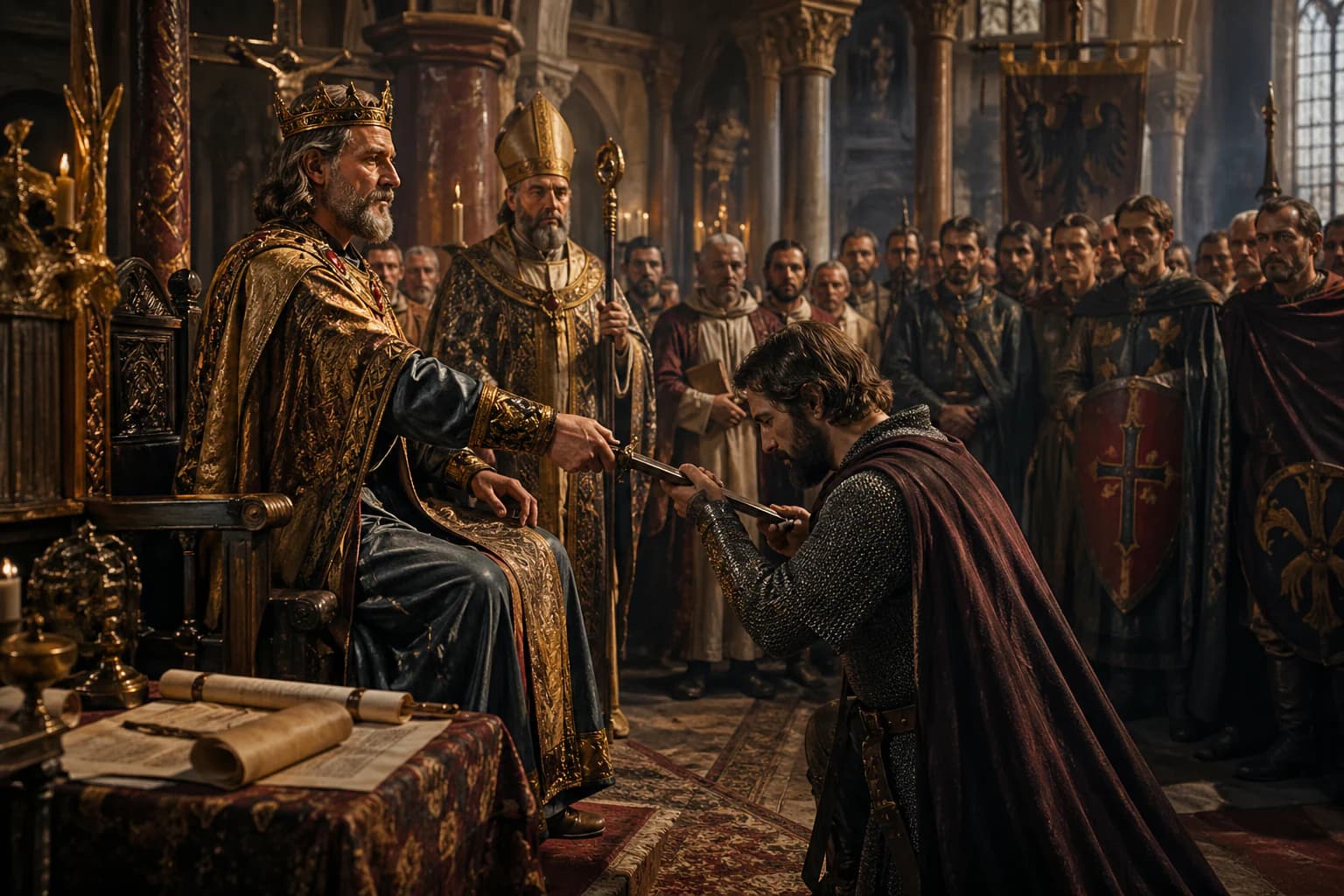
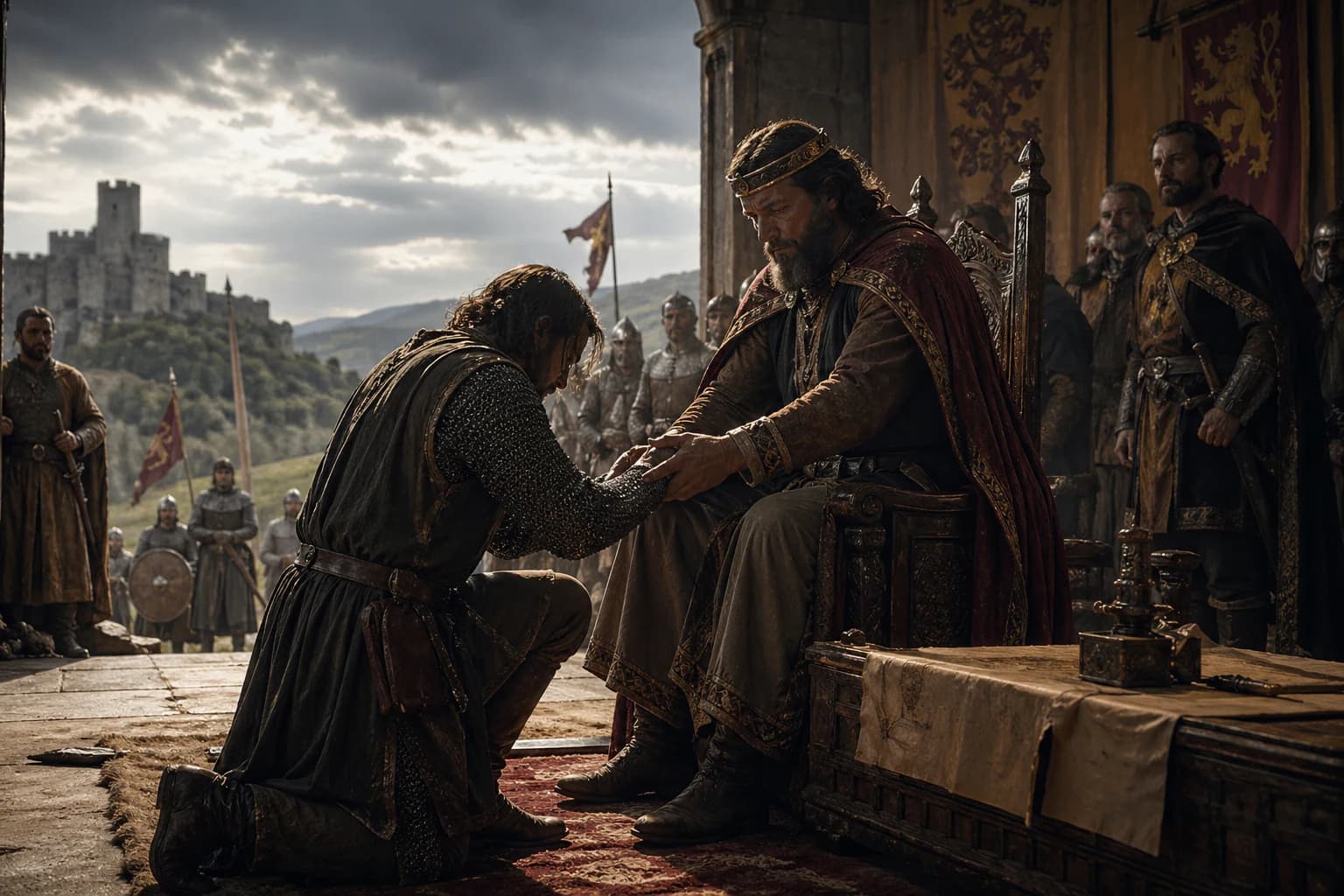
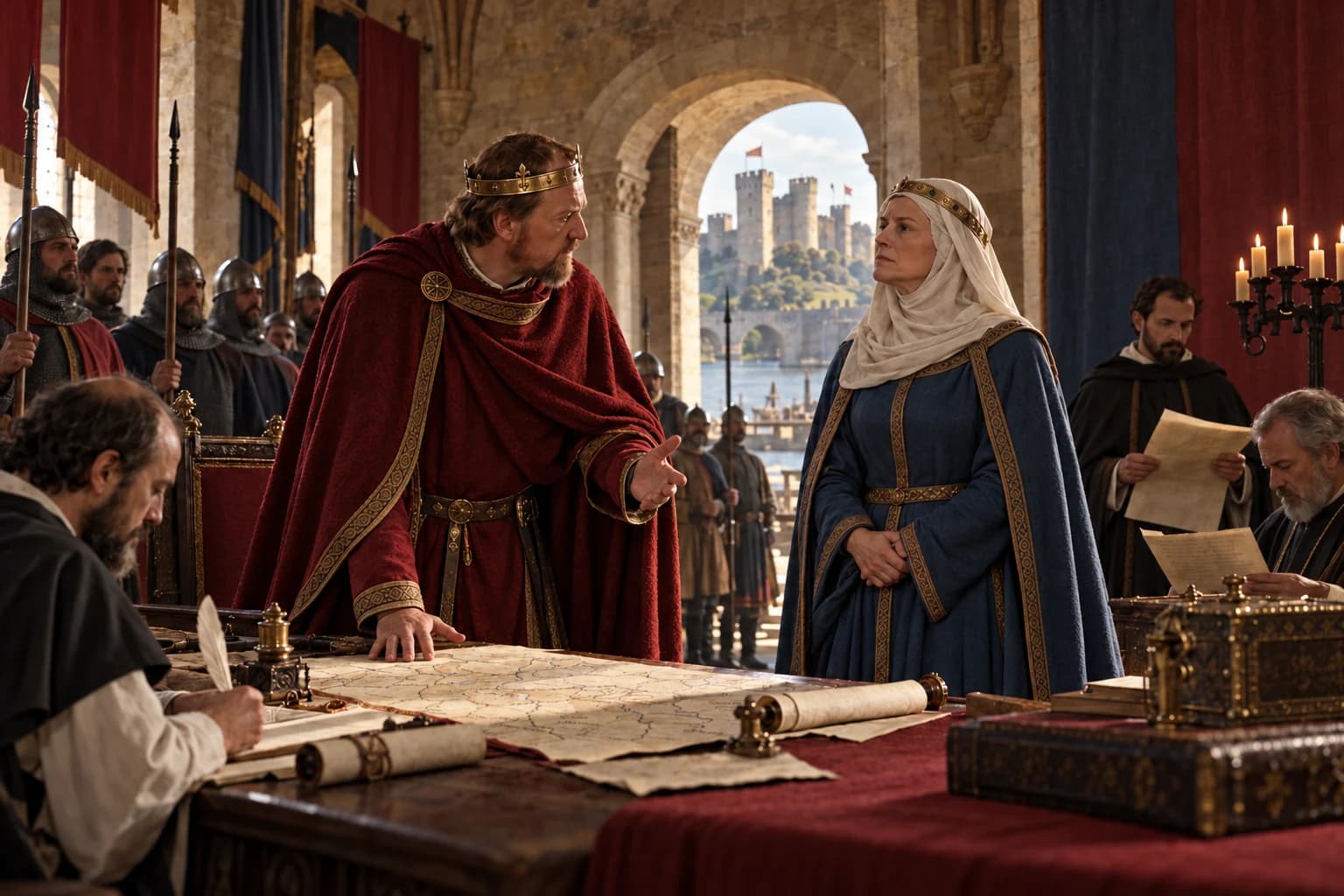
- The vassal-lord bond, sealed through ceremony and fief grants, was the basic mechanism for organising military service and governing territory across medieval Europe.
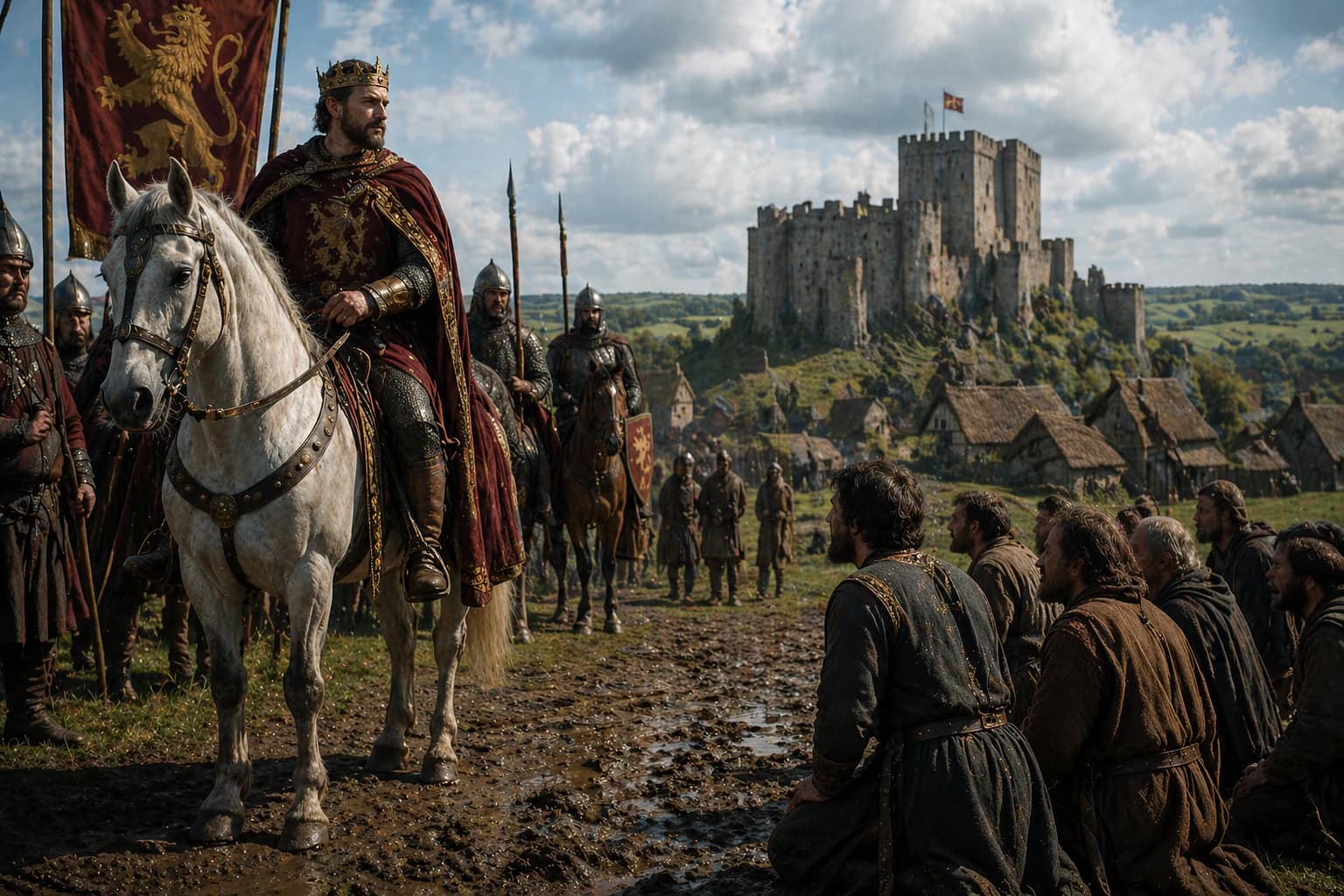
- Most people lived on manors as serfs or free peasants, bound by customary obligation to a lord who controlled their land, labour, and local justice.
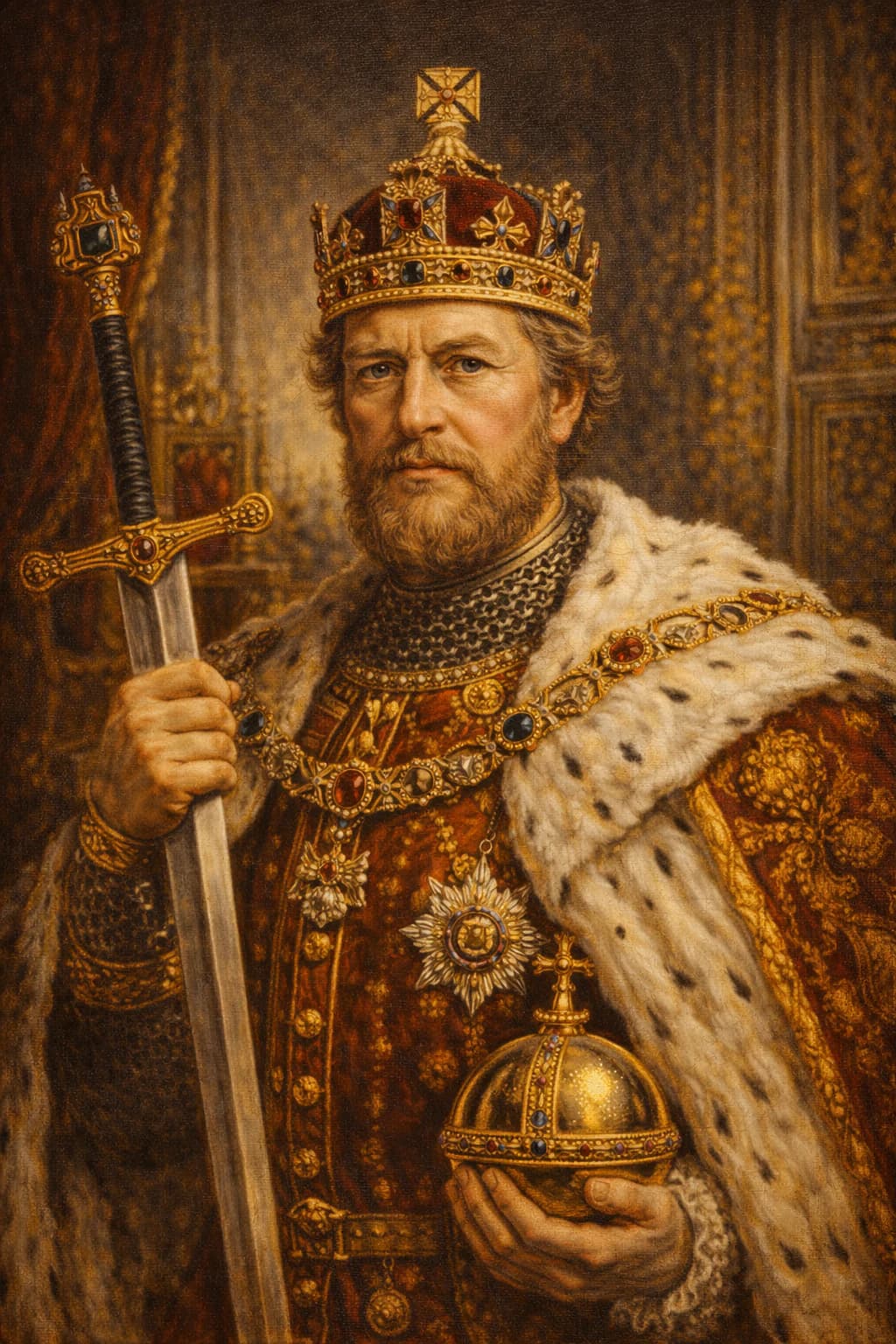
- The Black Death, peasant revolts, and the rise of towns and centralised monarchies together dissolved the feudal order across the fourteenth and fifteenth centuries.