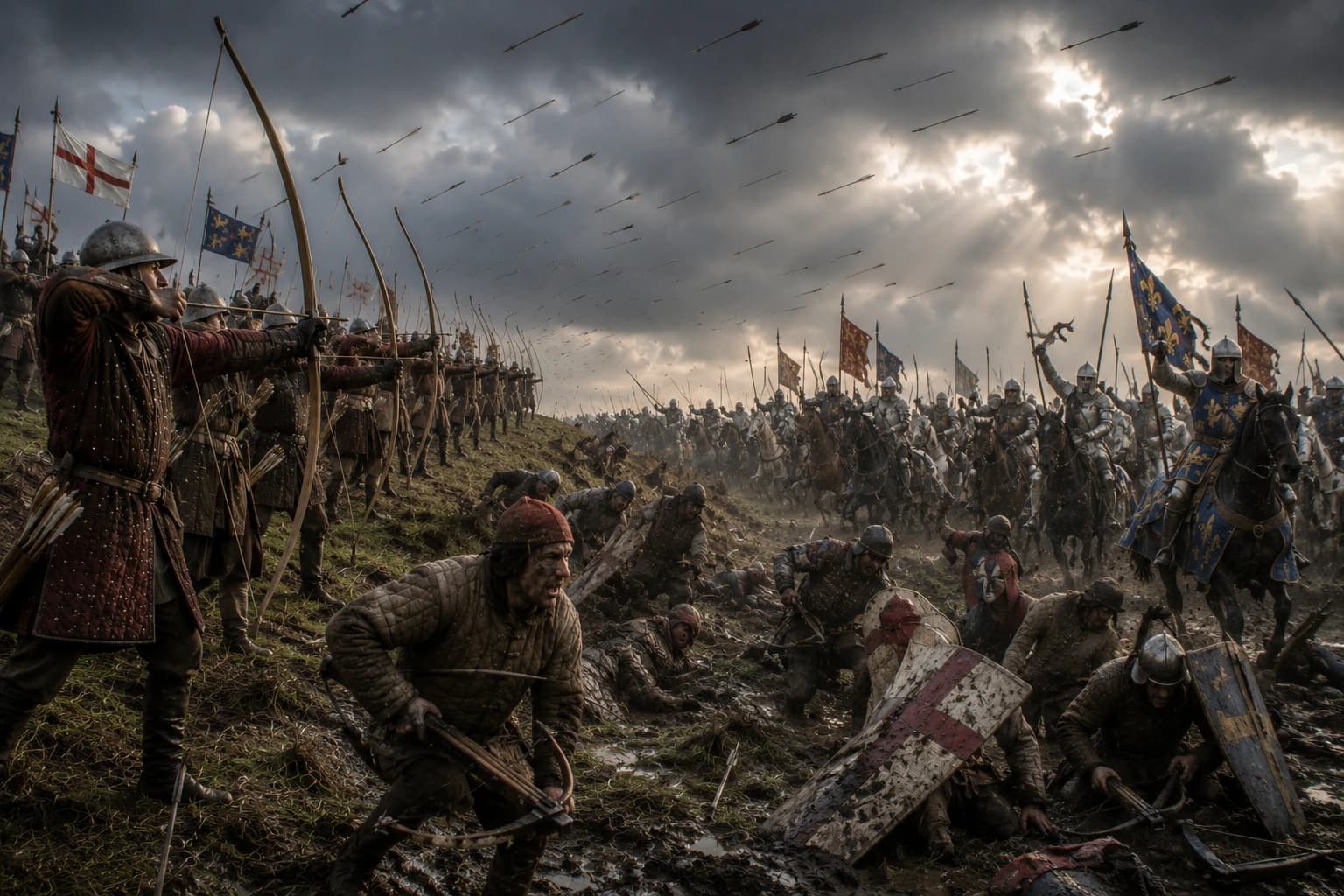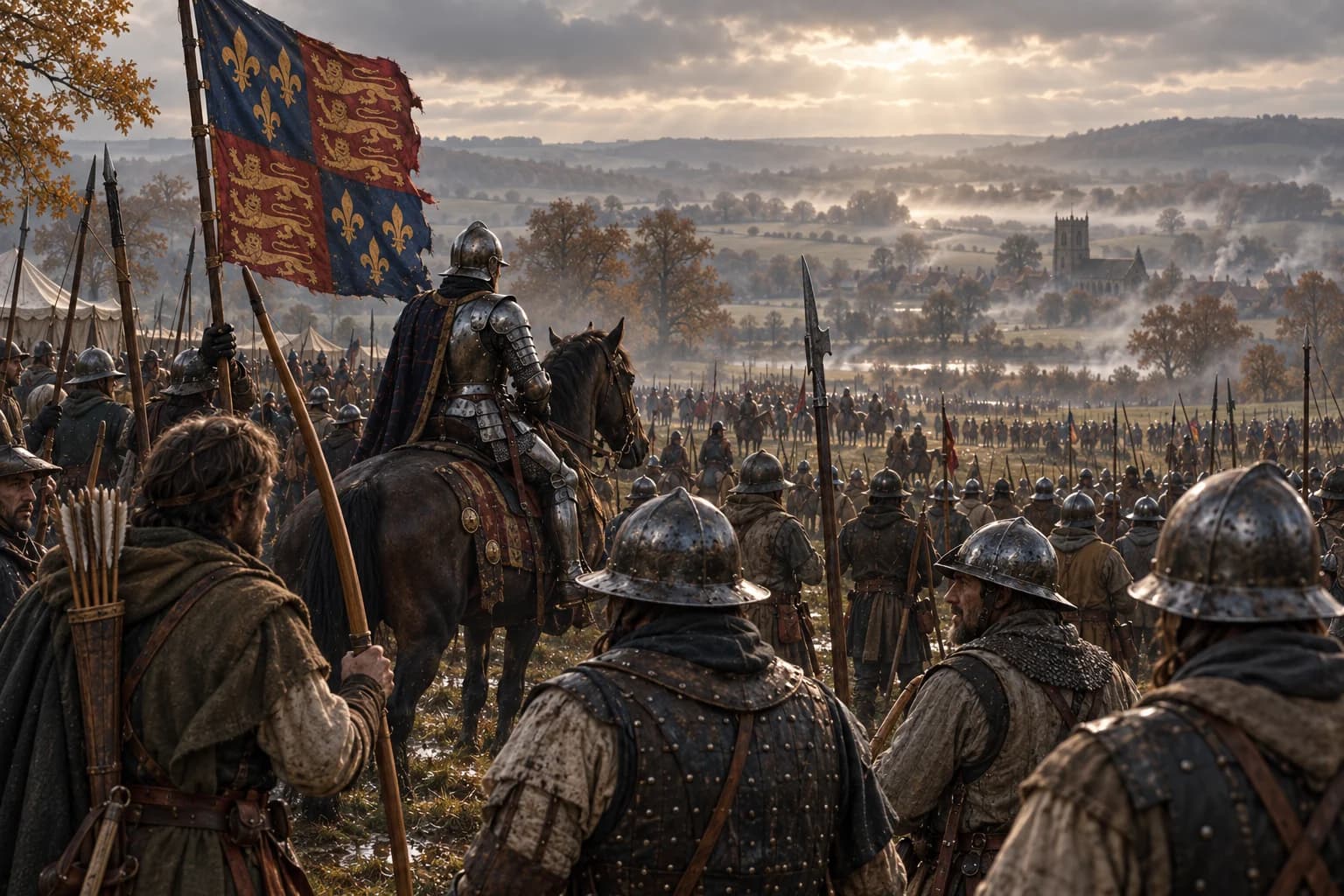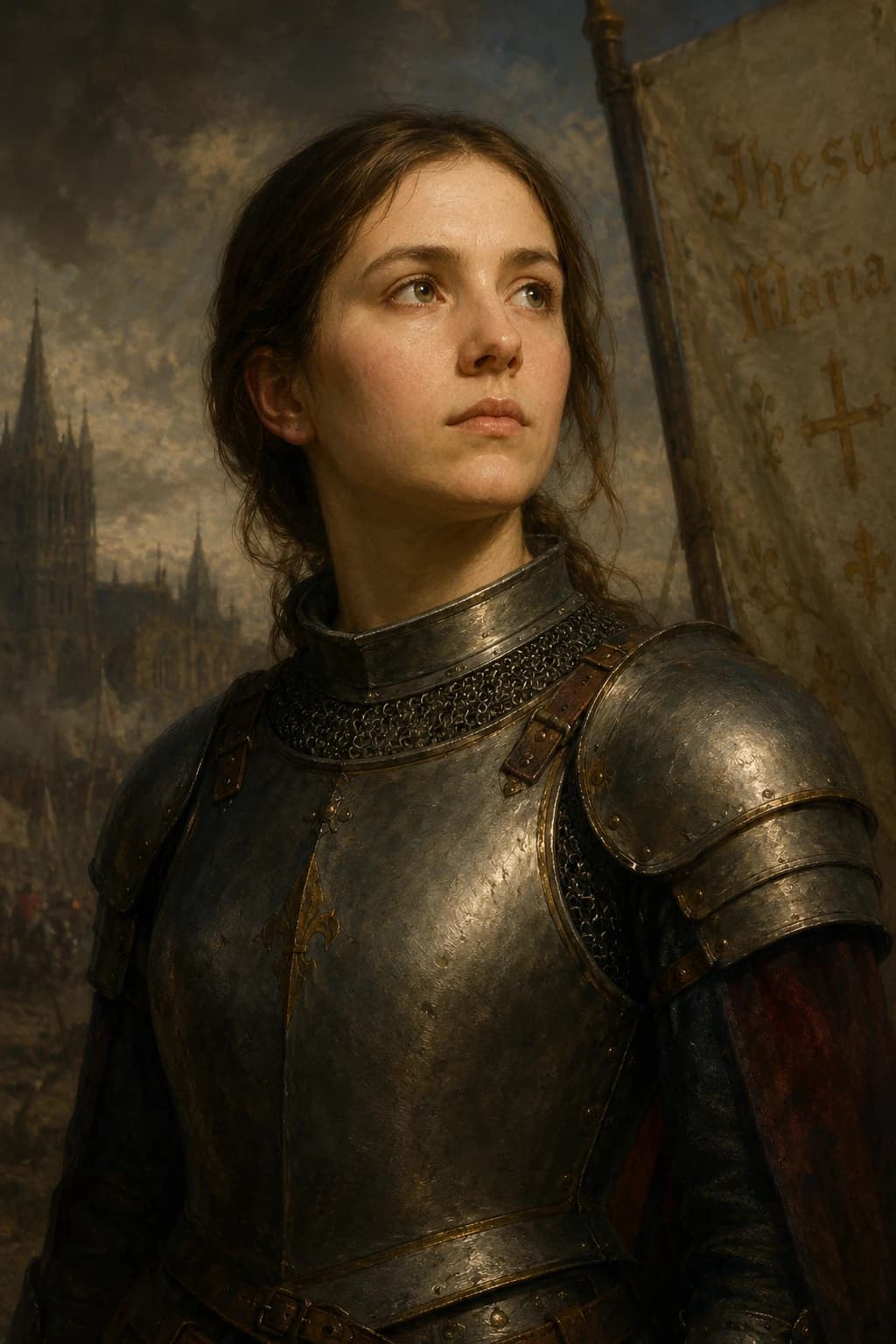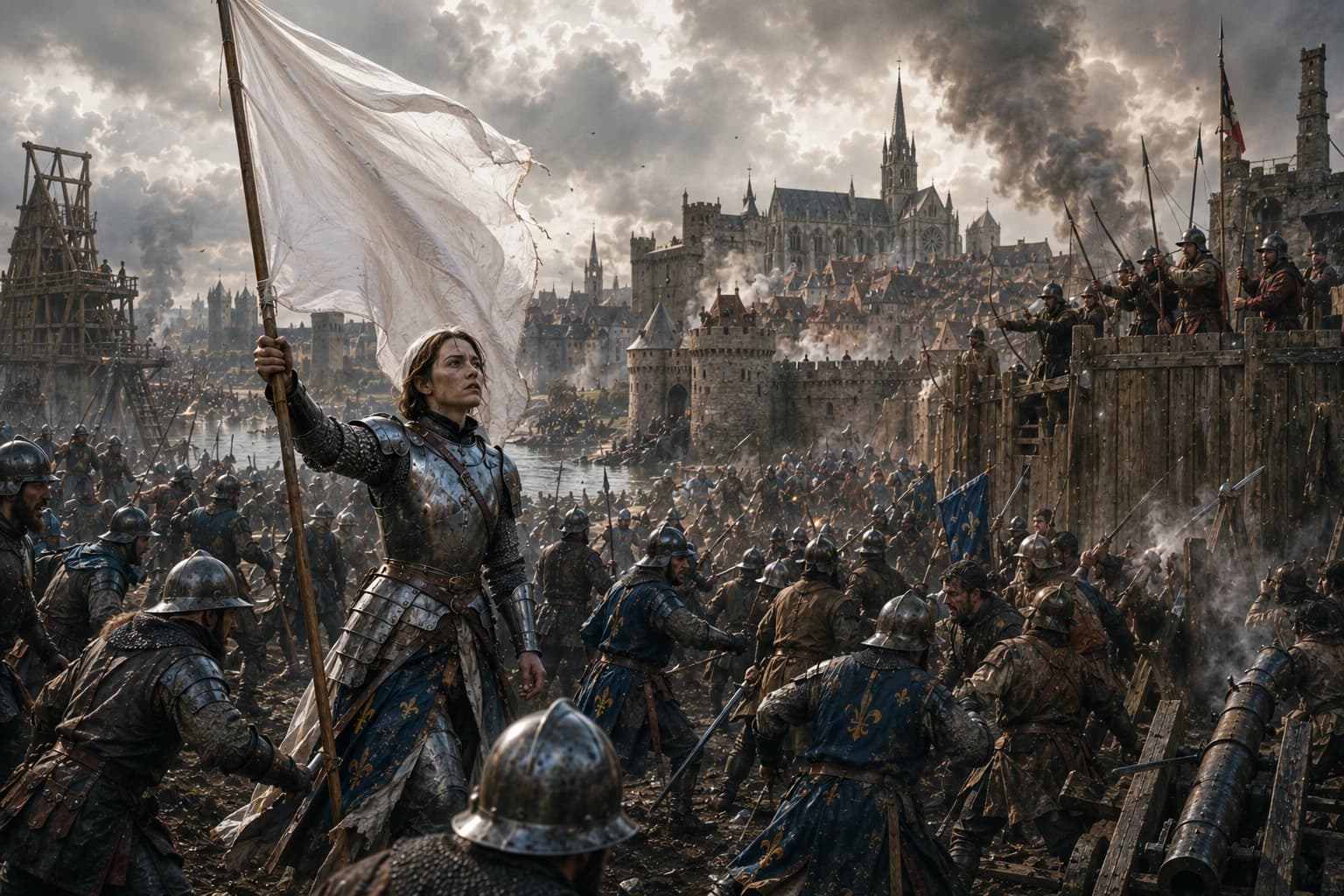
French and English soldiers clashing outside a medieval city during the Hundred Years War.
Premium Story

The Hundred Years War

Follow the Hundred Years War from succession crisis and English victories to Joan of Arc, French recovery and the fall of English France.

Start the storyExplore Premium

11 chapters

Next
Context

Introduction

Overview

A dispute over succession and sovereignty drew the English and French crowns into a conflict that lasted more than a century. Claims to the French throne, English lands in and the ambitions of both monarchies turned rival dynasties into long-standing enemies. The war changed how the two kingdoms fought and governed.

What you'll learn: You will see how a dynastic dispute became a century-long struggle over land, legitimacy and power, and why the war changed medieval government and warfare on both sides of the Channel.

Key forces

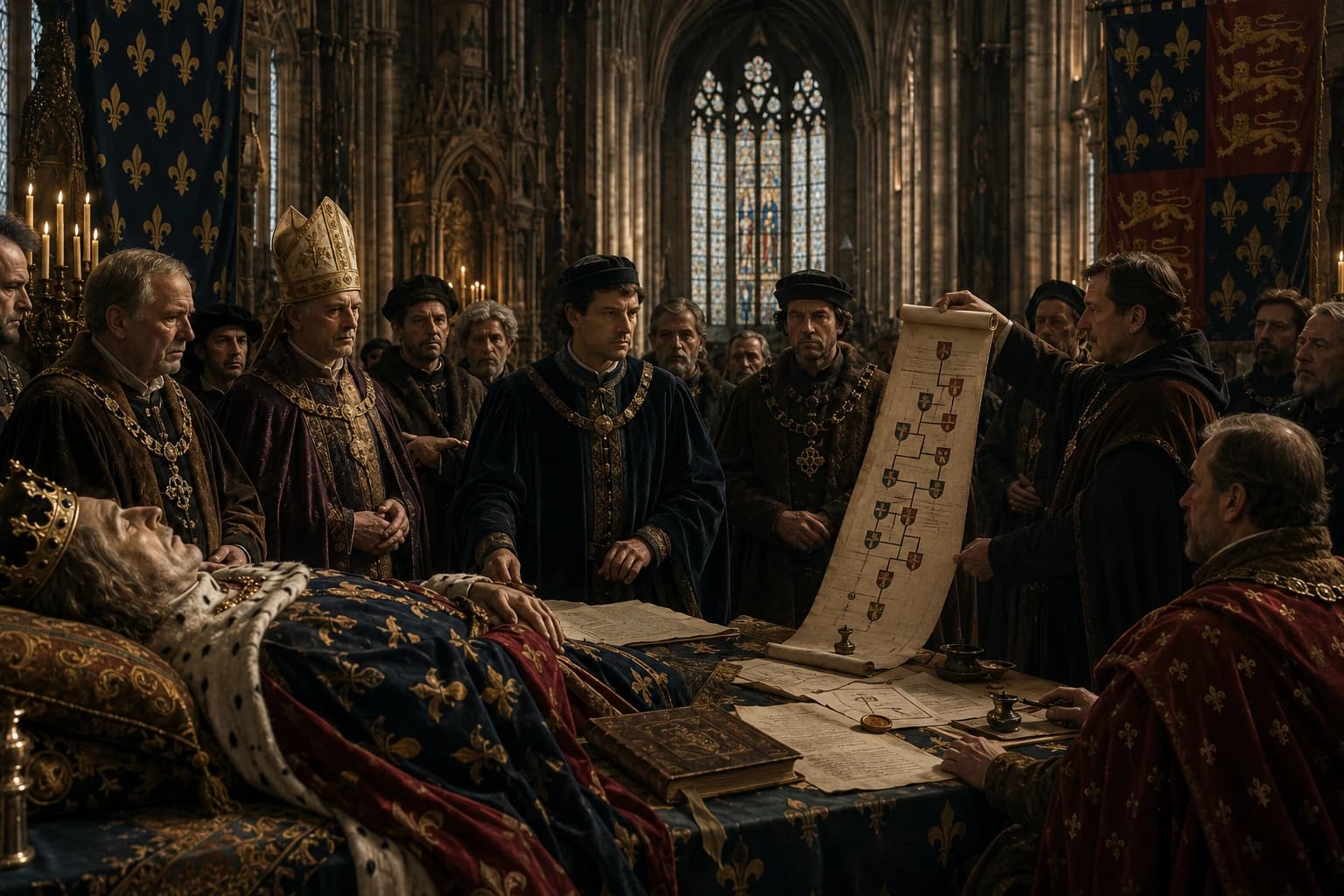
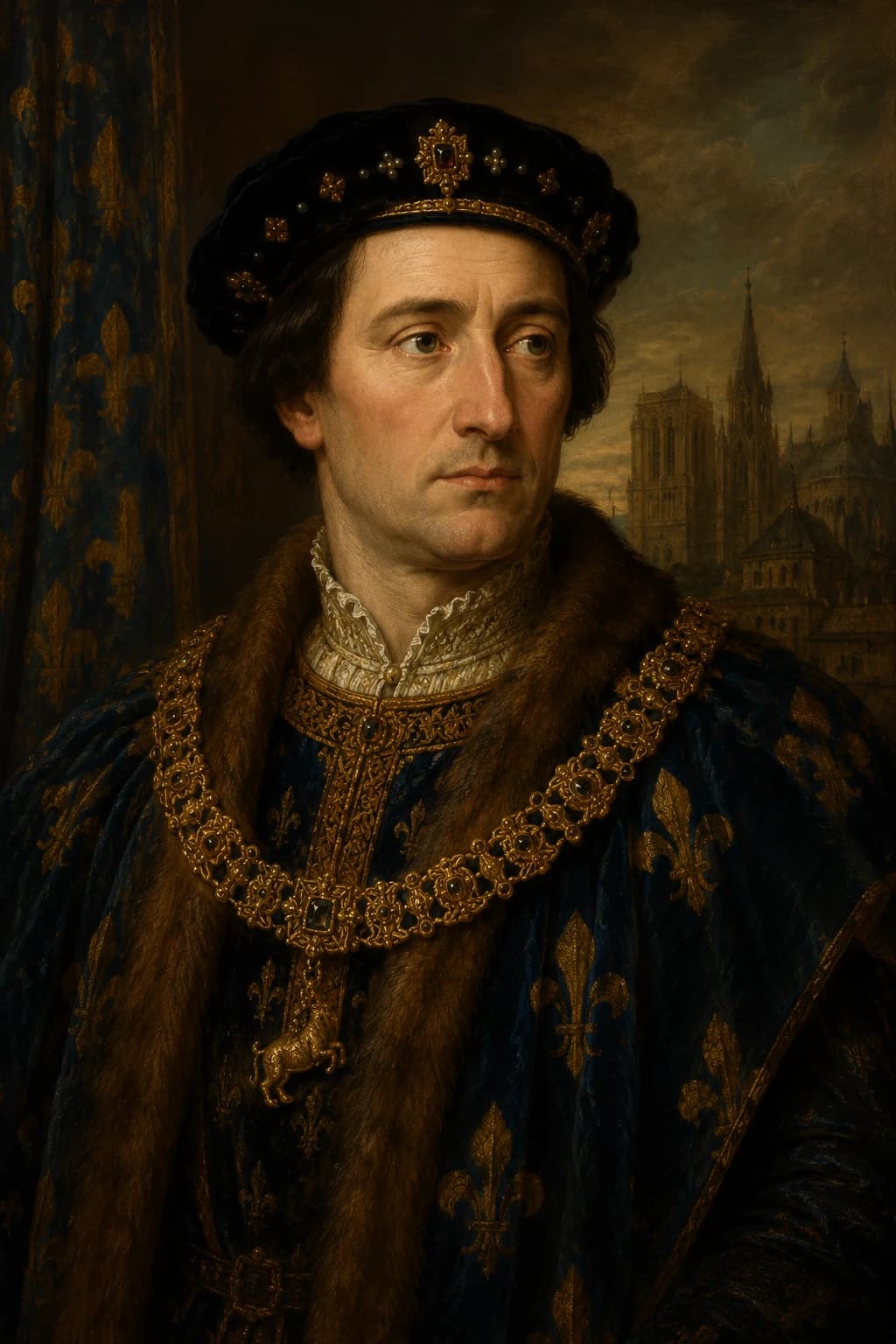
French nobles and churchmen debating the Capetian succession beside the body of Charles IV.
1328 CE
Step 1 of 101328 CEAccessible mode

The Capetian Succession Crisis

In 1328, the French royal line reached a dangerous point. King Charles IV died without a surviving son, and the question of who should rule France became impossible to avoid.

For centuries, the Capetian dynasty had passed the crown from father to son. That steady pattern gave French monarchy an unusual sense of stability.

Charles IV's death broke the pattern. His closest male relative in France was Philip of Valois. But Edward III of England was the grandson of Philip IV through his mother, Isabella of France.

“The argument was not only about blood. It was about whether the French crown could pass through a woman to her son.”

French nobles rejected Edward's claim and accepted Philip VI. They argued that women could not inherit the crown and could not transmit a claim to it. The legal language would later be tied to Salic law, but the immediate decision was political as well as legal.

Edward did not go to war immediately. He was still young, and England had its own problems. But the rejection left a dangerous claim alive.

The crisis mattered because it gave future conflict a dynastic shape. Disputes over land, trade and authority could now be wrapped in a bigger question: who was the rightful king of France?

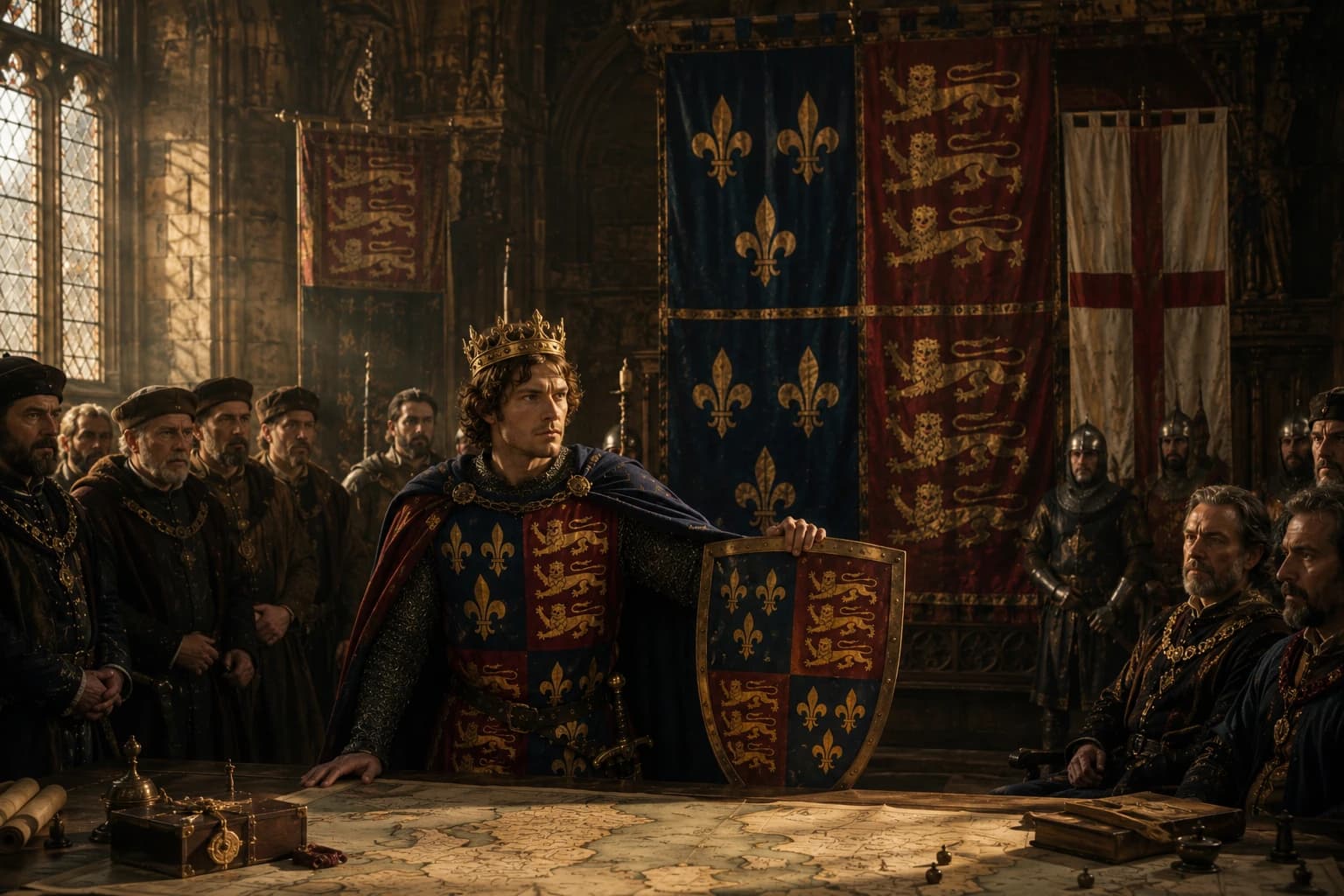
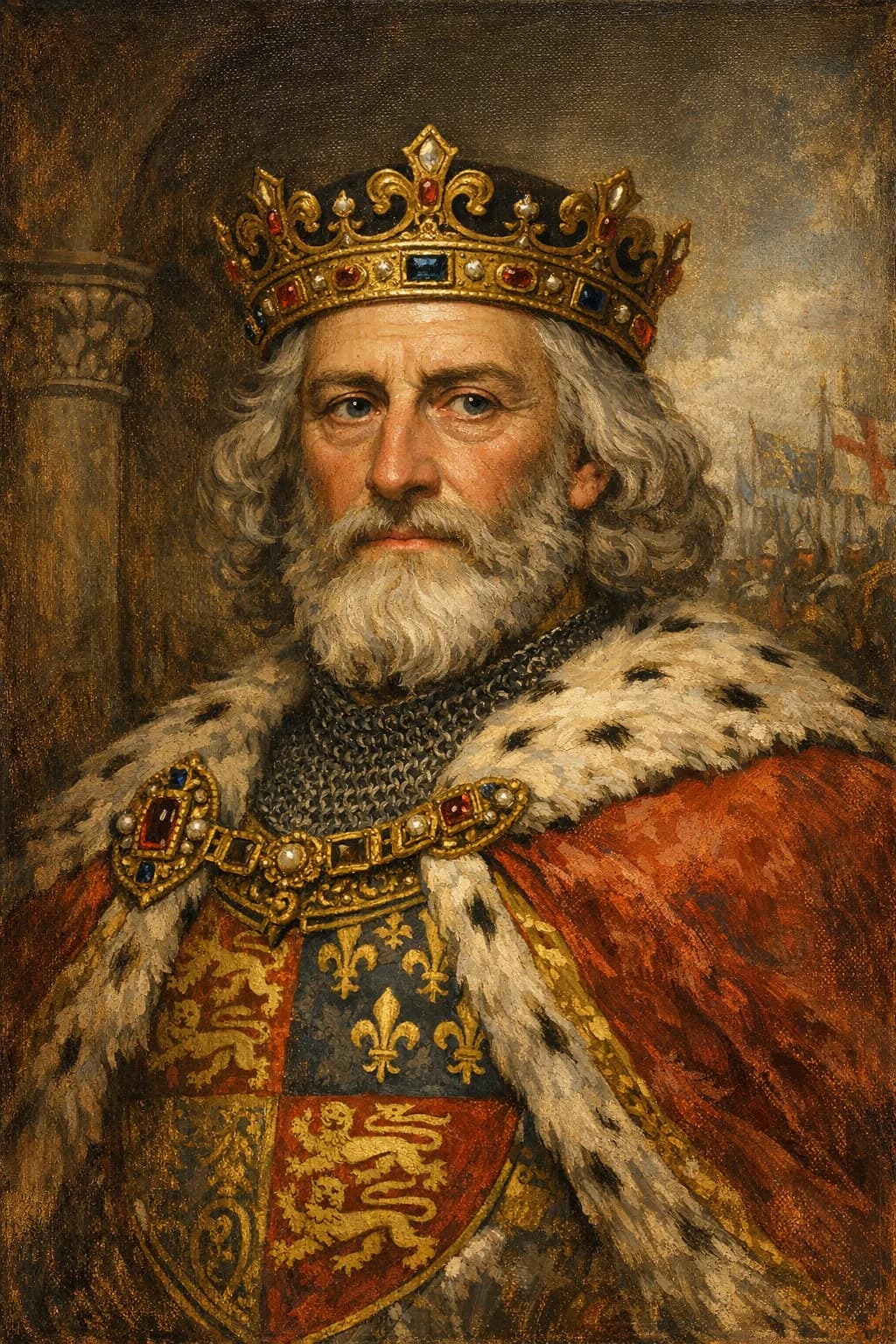
Edward III standing before English and French heraldic banners as he claims the French crown.
1337 CE
Step 2 of 101337 CEAccessible mode

Edward III Claims the French Crown

By 1337, Edward III was ready to turn an old claim into a declaration of war.

The problem was not only the French crown. England still held in southwest France. For that land, Edward was expected to recognise Philip VI as his feudal lord.

That arrangement was humiliating and unstable. Edward was a king in England, but in he could be treated as a duke under French authority.

Tensions widened over alliances, coastal raids, support for Scotland and the wool trade with . War was becoming useful to both ambition and strategy.

“ turned a legal dispute into a territorial crisis.”

Philip VI declared Edward's French lands confiscated. Edward responded by formally claiming the French crown, presenting himself as the rightful king rather than a disobedient vassal.

The Hundred Years War had begun because succession, land, trade and sovereignty had become impossible to separate.

Premium2 of 10 chapters read

Victory at Crecy

From Edward III's claim to Joan of Arc, Agincourt and Castillon, the Hundred Years War reshaped England, France and medieval warfare.

Continue the story with Premium

Coming next

  1. Chapter 3Victory at Crecy
  2. Chapter 4The Treaty of Bretigny
  3. Chapter 5Charles V Rebuilds France

And 5 more chapters to follow.

Explore connected stories

Follow the connected history

Explore closely connected stories and free figure profiles. Premium stories open with a public preview.

Unlock full storyBrowse stories

References

Sources & Further Reading

Reliable sources, primary-source collections and reading paths connected to this page.

Further reading

  1. Encyclopaedia Britannica, “Search results for The Hundred Years War,” Open source
  2. WorldCat, “Library holdings for The Hundred Years War,” Open source

Primary sources

  1. Library of Congress, “Search results for The Hundred Years War,” Open source

Reviewed claim sources

Loading reviewed claim sources...

A monthly route through history

Find out first about the latest published stories, feature notes and occasional Premium offers in one monthly email.