← People

Huo Qubing

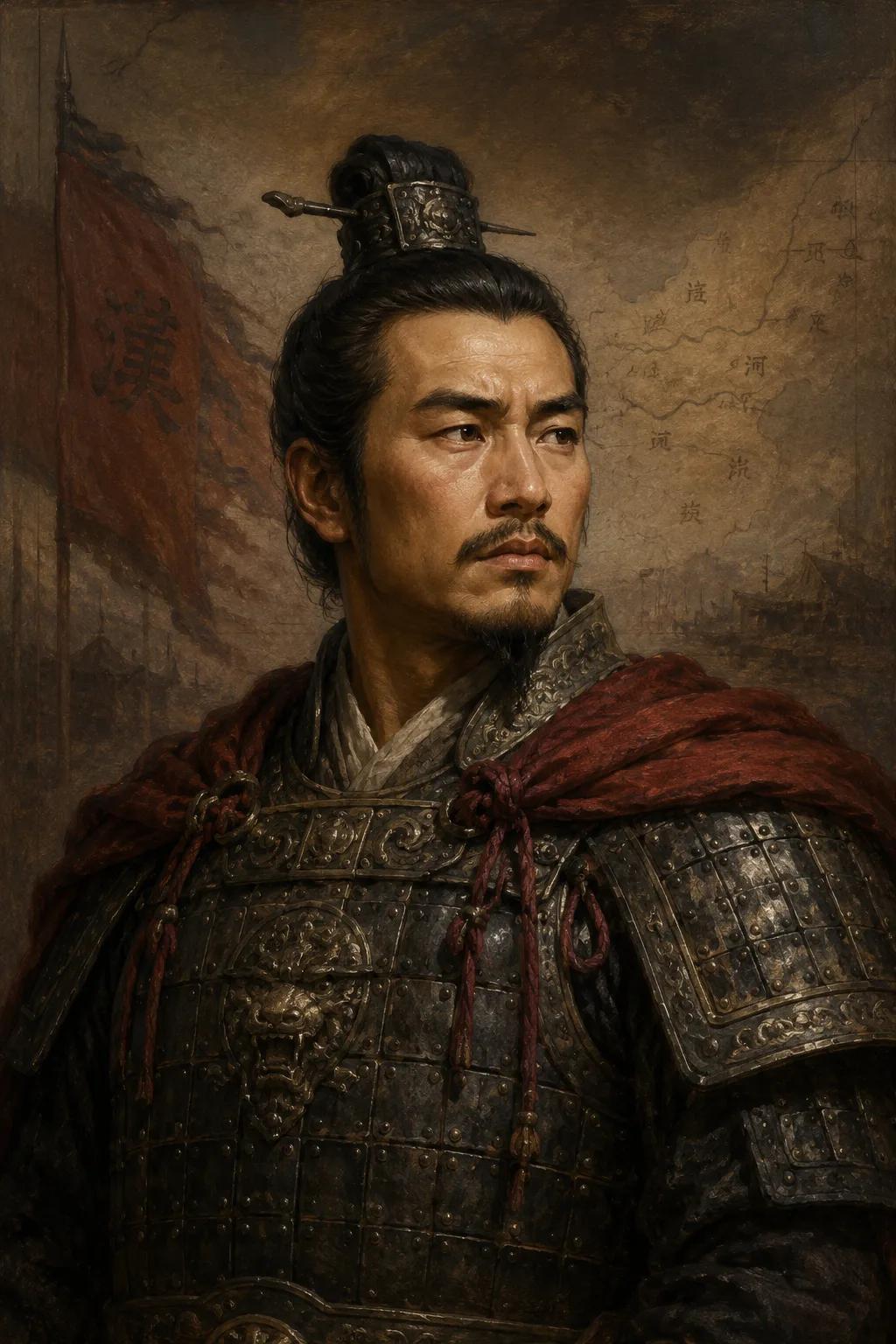
Huo Qubing was a Han general under Emperor Wu. His campaigns against the Xiongnu helped bring the Hexi Corridor under Han control and opened routes toward Central Asia.

Born
140 BCE
Died
117 BCE
Role
Han military commander

Han general (140 BC-117 BC)

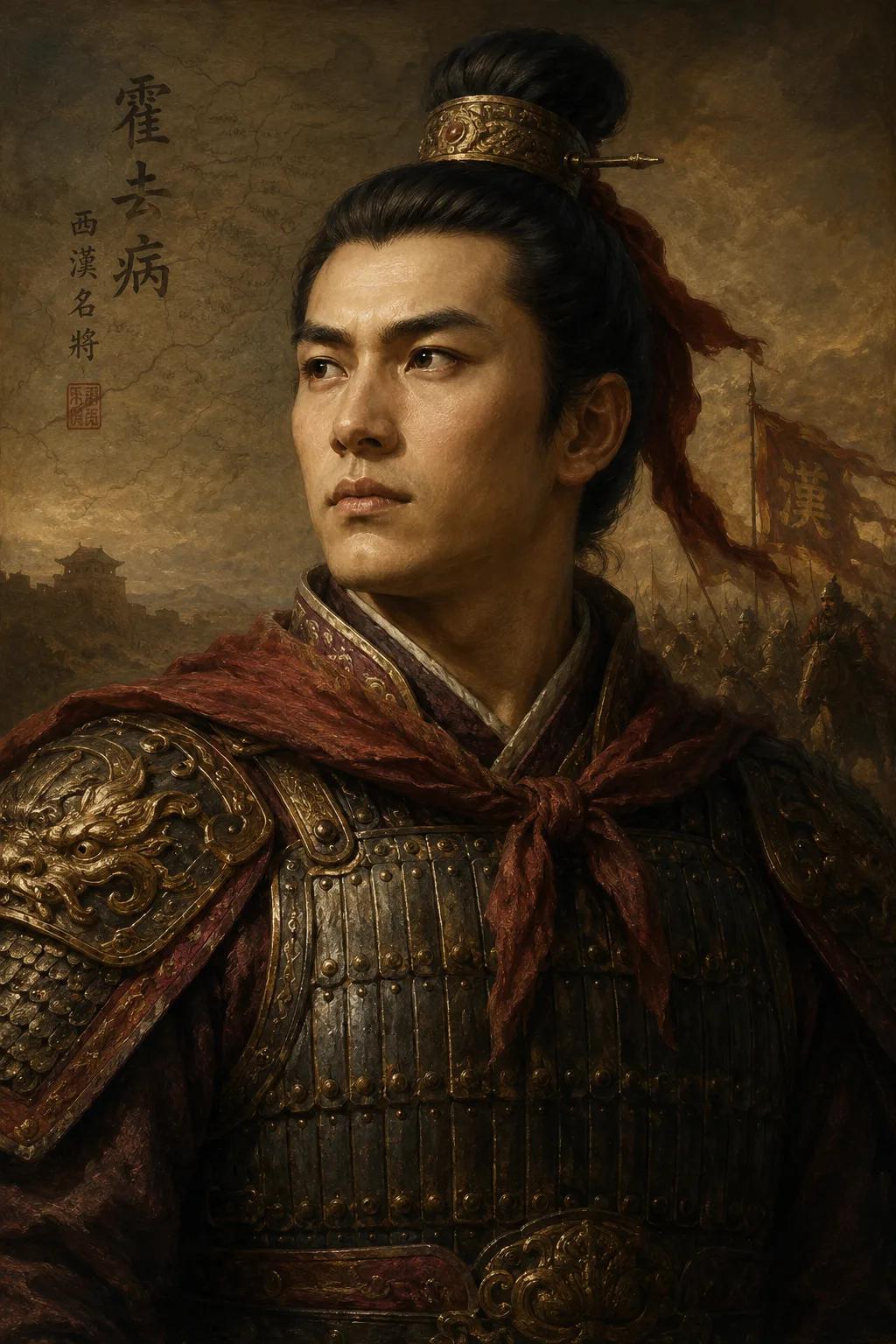
AI-generated portrait of Huo Qubing in armor with Han cavalry on the frontier
AI-assisted historical reconstruction

An illustrative reconstruction based on historical context. It is not a photograph or documentary likeness. Image policy

Life Journey

The young general of the northern frontier

Follow the key events and turning points in this life story.

Complete chronology

-140

Born near power

Huo Qubing's rise was tied to court politics as well as talent. He was related to Wei Qing, another major Han commander, and connected to the influential Wei family. Under Emperor Wu, such connections could open doors, but they did not win frontier wars by themselves. Huo quickly became known for speed, nerve, and aggressive cavalry command.
-123

Strike against the Xiongnu

Han war against the Xiongnu required mobility, endurance, and coordination across difficult terrain. Huo Qubing became associated with fast-moving raids that took the fight beyond static defense. His approach matched Emperor Wu's larger shift from cautious diplomacy to offensive frontier war. These campaigns were costly, but they changed Han confidence.

-121

Opening the Hexi Corridor

The Hexi Corridor was strategically vital because it linked the Chinese heartland to the western regions. Huo Qubing's victories weakened Xiongnu control there and helped the Han establish a stronger route westward. This mattered for defense, diplomacy, settlement, and exchange. Military success on the frontier helped make later Silk Road connections more sustainable.

-117

Early death, lasting fame

Huo Qubing died in 117 BCE, still in his early twenties. His short life intensified his legend: a brilliant commander whose career burned quickly but altered the strategic map. Later memory celebrated his refusal of comfort and his devotion to frontier service. For the Han dynasty story, he stands for both the glory and cost of Emperor Wu's expansionist age.

Continue in context

Connected stories

Move from the profile into the wider events and settings this figure belongs to.

Keep exploring

Content note

This profile is written for educational use and connects to related Stories of History pages. The main portrait is an AI-assisted historical reconstruction, included as an illustrative aid rather than documentary evidence. Image policy

References

Sources and historical notes

Sources used to check this page, selected recommendations and historical notes.

Sources used

  1. Pahar Digital Library, “Records of the Grand Historian: Wei Qing and Huo Qubing,”

    Provides Burton Watson’s translation of the joint biography, including Huo’s campaigns and early death.

    Open source
  2. Musée Guimet, “The tomb of General Huo Qubing,”

    Documents the tomb and its sculptural setting through a photograph and catalogue entry.

    Open source
  3. Journal of Chinese History, “Sino-Western Cultural Exchange as Seen through the Archaeology of the First Emperor’s Necropolis,”

    Discusses Huo Qubing’s tomb sculpture in the wider context of early imperial Chinese material culture.

    Open source

Additional sources and notes

Loading reviewed claim sources...

Our editorial approach · Report a historical error

A monthly route through history

Find out first about the latest published stories, feature notes and occasional Premium offers in one monthly email.