← People

Christopher Marlowe

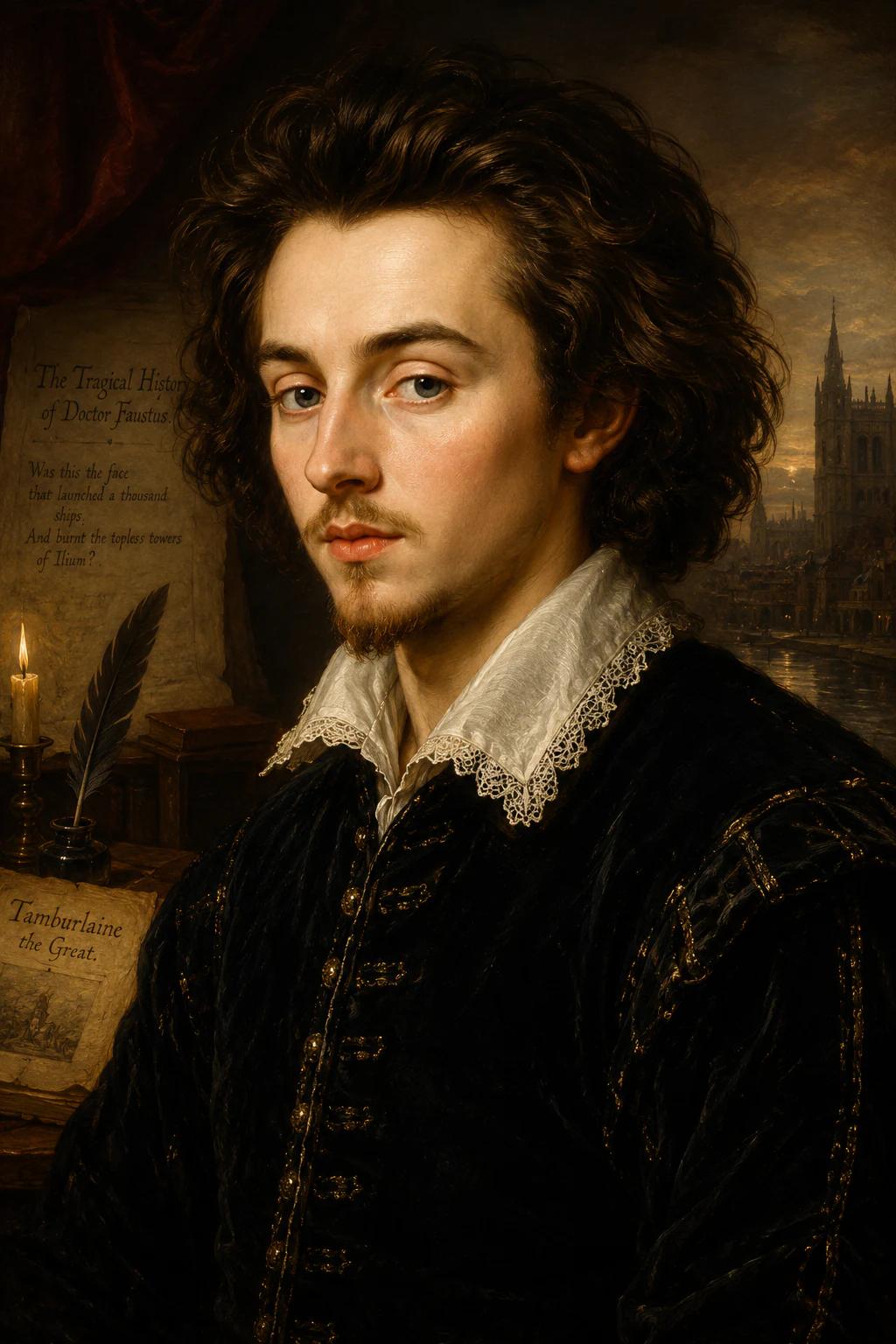
Christopher Marlowe was an English playwright and poet born in 1564. His plays, including Tamburlaine, Doctor Faustus and Edward II, expanded the power of blank verse and helped define Elizabethan drama before his death in 1593.

Born
1564 CE
Died
1593 CE
Role
English playwright and poet
Also known as
Marlowe

English playwright and poet (1564-1593)

AI-generated portrait of Christopher Marlowe in Elizabethan dress
AI-assisted historical reconstruction

An illustrative reconstruction based on historical context. It is not a photograph or documentary likeness. Image policy

Life Journey

Blank verse, ambition and the Elizabethan stage

Follow the key events and turning points in this life story.

Complete chronology

1564-1587

Canterbury and Cambridge

Christopher Marlowe was born in the same year as Shakespeare, the son of a Canterbury shoemaker. Scholarship carried him to the King's School and then Corpus Christi College, Cambridge. His university training gave him a command of classical stories, rhetoric and religious argument, all of which later fed the scale and intensity of his plays.

late 1580s

A new dramatic force

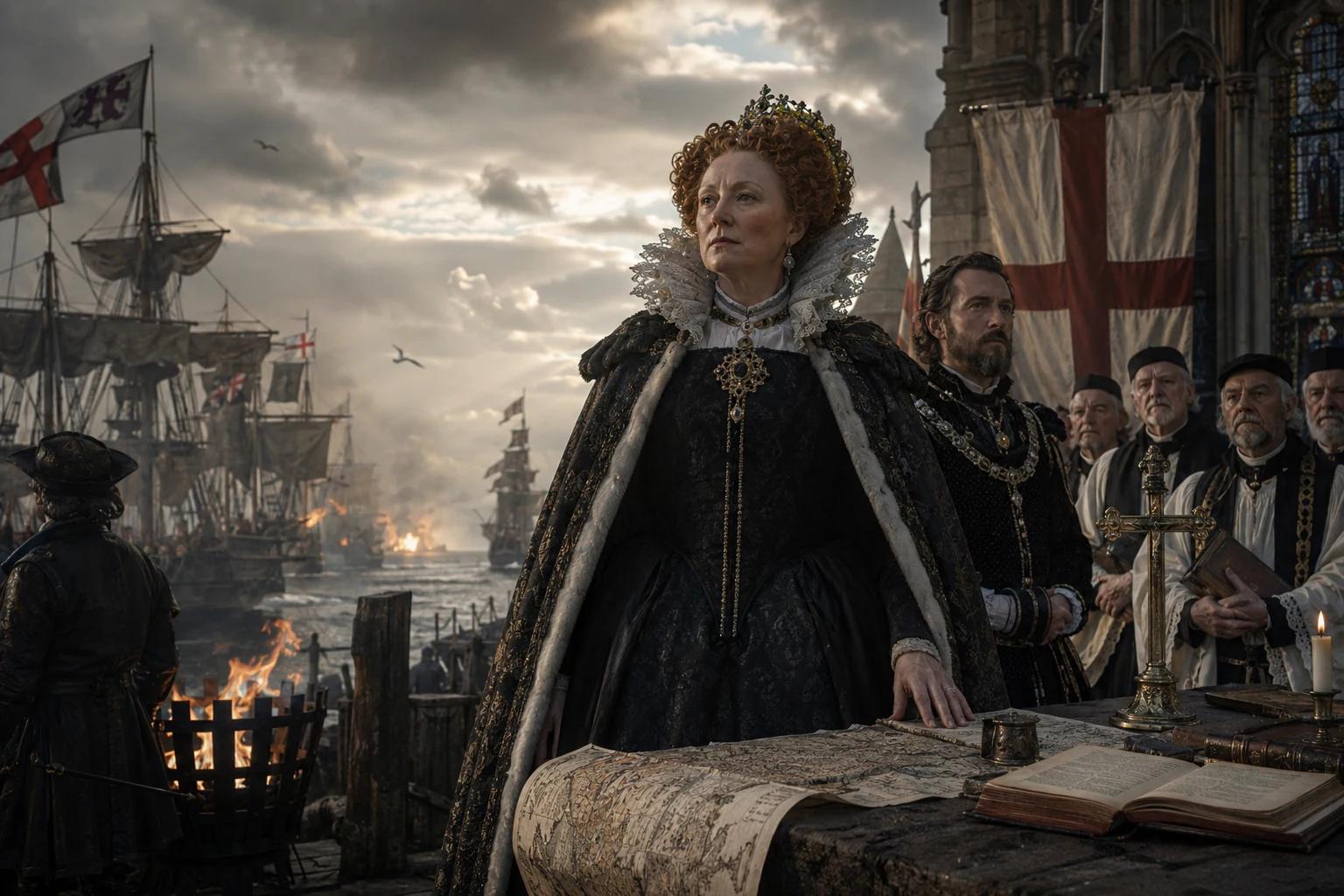
Tamburlaine made Marlowe's reputation. Its sweeping language and huge appetite for conquest showed that English commercial theatre could handle tragic scale, rhetorical force and morally unsettling ambition. Marlowe's blank verse gave actors a flexible, driving poetic instrument. Later dramatists, including Shakespeare, learned from the possibilities he opened.

c. 1589-1592

Faustus and Edward II

Doctor Faustus turned the scholar's hunger for forbidden knowledge into one of the defining dramas of the age. Edward II offered a sharper political tragedy, less grandly imperial than Tamburlaine but more intimate in its study of weakness, favouritism and royal authority. Marlowe's plays repeatedly ask what happens when desire outruns moral, political or spiritual limits.

1593

Death and afterlife

Marlowe died at Deptford in May 1593 after a violent quarrel. His death came amid allegations and suspicions that remain difficult to separate from Elizabethan surveillance culture and later mythmaking. What is secure is the literary result: by twenty-nine he had changed English drama's language, scale and appetite. Shakespeare's theatre developed in a world Marlowe had already enlarged.

Continue in context

Connected stories

Move from the profile into the wider events and settings this figure belongs to.

Keep exploring

Content note

This profile is written for educational use and connects to related Stories of History pages. The main portrait is an AI-assisted historical reconstruction, included as an illustrative aid rather than documentary evidence. Image policy

References

Sources and historical notes

Sources used to check this page, selected recommendations and historical notes.

Sources used

  1. Royal Shakespeare Company, “Who Was Christopher Marlowe?,”

    Introduces Marlowe’s life, plays and the circumstances of his death.

    Open source
  2. Academy of American Poets, “About Christopher Marlowe,”

    Surveys Marlowe’s dramatic and poetic work and his influence on English verse.

    Open source
  3. Westminster Abbey, “Christopher Marlowe,”

    Records his commemoration in Poets’ Corner and summarises his career.

    Open source

Additional sources and notes

Loading reviewed claim sources...

Our editorial approach · Report a historical error

A monthly route through history

Find out first about the latest published stories, feature notes and occasional Premium offers in one monthly email.