This story discusses war, violence, persecution, and death in an educational historical context.
Reading mode
Accessible gives a lighter overview. Deep Dive tells the fuller story.
Quick Answers
What was the Viking Age?
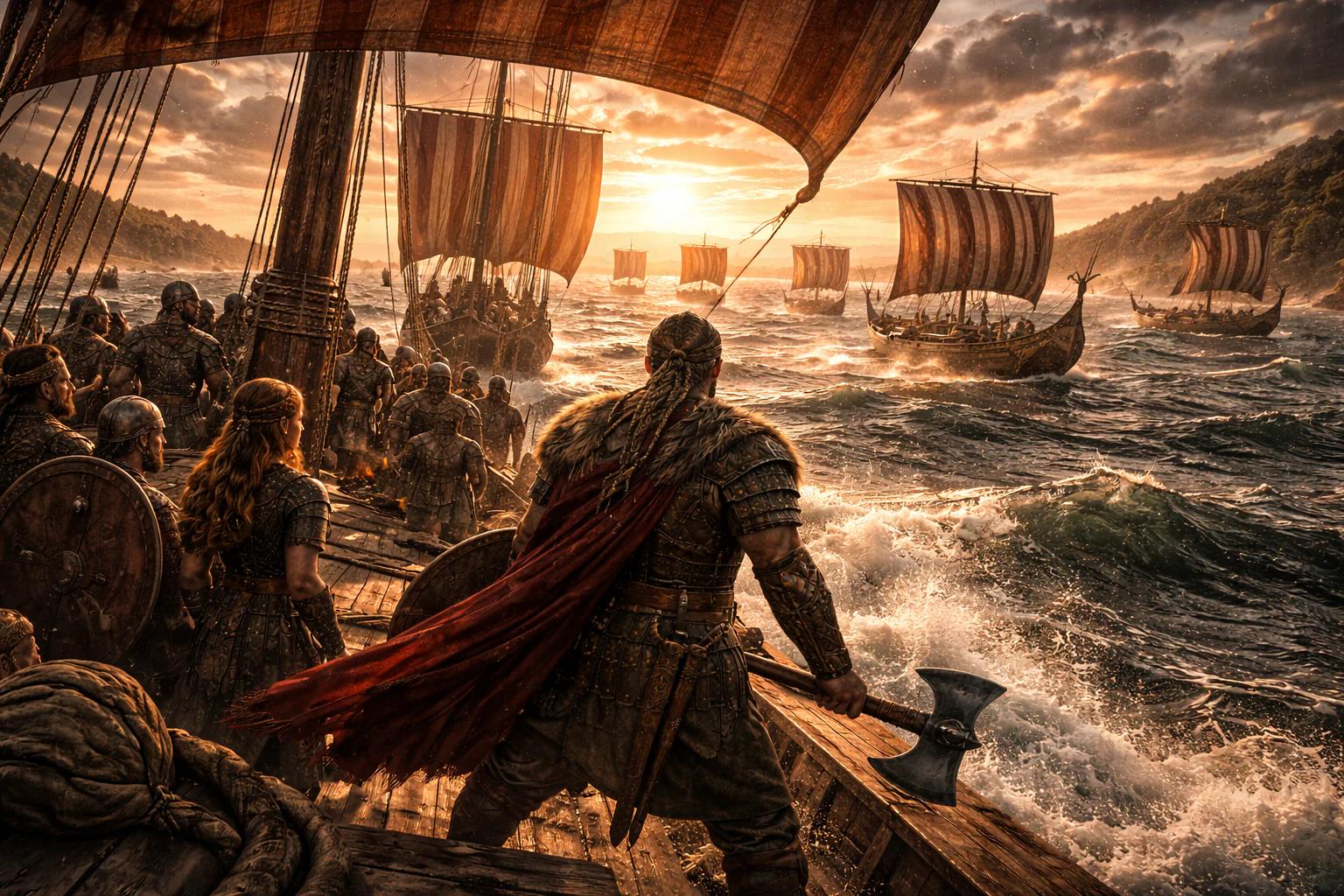
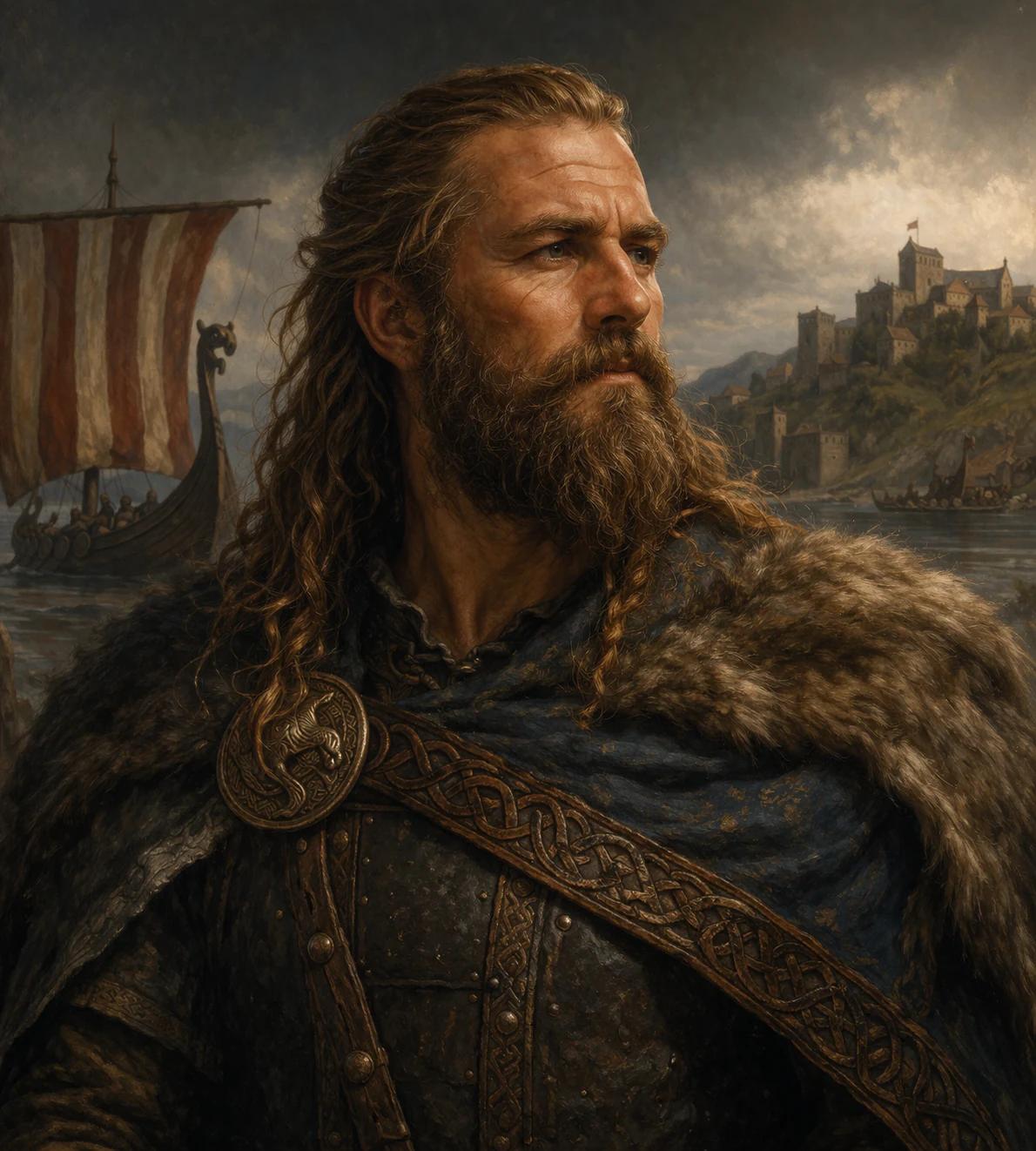
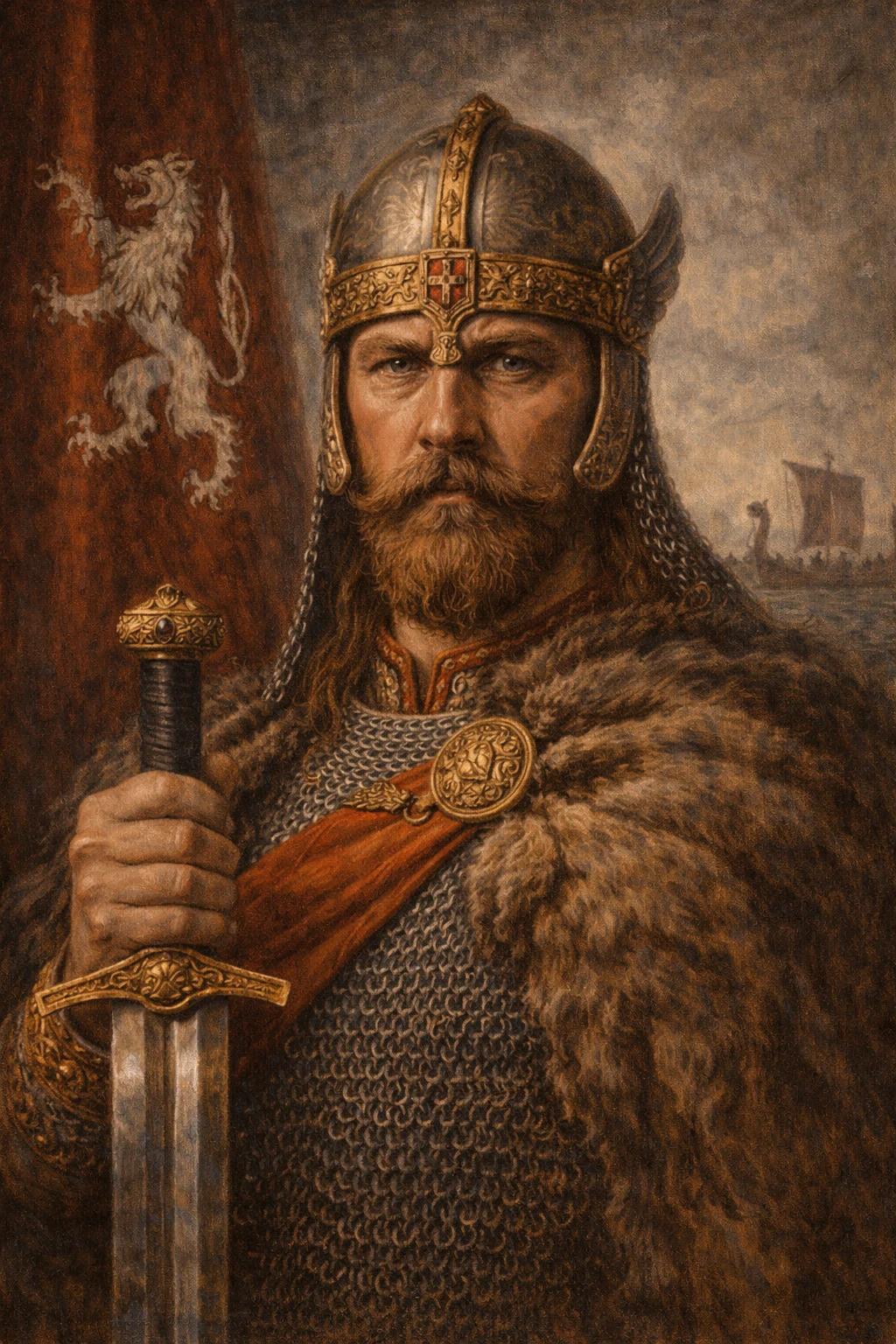
The Viking Age was a period of Scandinavian expansion from the late eighth century to the eleventh century, when Norse raiders, traders, settlers, and explorers travelled across Europe and beyond. Vikings attacked monasteries and towns, founded settlements, served as mercenaries, expanded existing trade networks, and reached places from the river routes of eastern Europe and Byzantium to Iceland, Greenland, and North America. Their world combined violence, commerce, seafaring skill, and cultural exchange.
At a glance
This story covers roughly 750 to 1066, with some later developments.
Across seas and rivers, Scandinavian raiders, traders and settlers reshaped communities from the North Atlantic to eastern Europe.
Scandinavian expansion grew from existing sea routes and varied political and economic opportunities.
Fast ships allowed raids, trade and settlement across coasts, rivers and oceans.
Vikings travelled far beyond Scandinavia: west to Britain, Ireland, Iceland, Greenland, and North America; south to Normandy, Iberia, and the Mediterranean; and east along river routes through Russia toward Byzantium, the Black Sea, and the Islamic world.
When was the Viking Age?
The late eighth to eleventh centuries are commonly called the Viking Age. The raid of 793 and in 1066 are conventional markers in Britain. Chronologies elsewhere vary.
What was life or society like in the Viking Age?
Farming, fishing and crafts supported many households. Overseas trade and migration connected settlements, while rulers, merchants and enslaved people experienced those networks in very different ways.
Context
Introduction
Overview
The Viking Age was a period of Scandinavian expansion from the late eighth century to the eleventh century, when Norse raiders, traders, settlers, and explorers travelled across Europe and beyond. Vikings attacked monasteries and towns, founded settlements, served as mercenaries, expanded existing trade networks, and reached places from the river routes of eastern Europe and Byzantium to Iceland, Greenland, and North America. Their world combined violence, commerce, seafaring skill, and cultural exchange.
Key forces
Scandinavian expansion grew from existing sea routes and varied political and economic opportunities.
Fast ships allowed raids, trade and settlement across coasts, rivers and oceans.
The Viking Age changed kingdoms, trade routes, language and law.
in 1066 marks a conventional endpoint in England. Scandinavian expeditions continued.
750 CE
Step 1 of 10750 CEAccessible mode
Scandinavian Foundations
Before the famous raids, Scandinavian communities were already farming, trading and crossing the seas.
Life varied across Scandinavia. Farming, fishing and crafts supported households, while traders connected ports and settlements to markets overseas.
Historians disagree about what drove the expansion. Growing populations may have mattered in some regions, but the evidence does not show that a shortage of land forced younger sons abroad.
At the same time, leaders competed for power and wealth. Success depended on gaining followers, which often meant offering rewards from trade or raids.
Journeys could bring goods, allies and a reputation. The people who made them had different aims, and those aims could change along the way.
Existing trading routes, competition for wealth and advances in seafaring all helped shape the Viking Age.
793 CE
Step 2 of 10793 CEAccessible mode
The Raid on Lindisfarne
In 793, raiders attacked the Northumbrian monastery at . The attack became a landmark in histories of the Viking Age.
was a peaceful monastery on the northeast coast of England. It was a place of prayer, learning, and little defence.
The island lay close to sea routes. Written accounts tell us about the attack’s impact, but little about how the raiders approached or what the monks saw first.
Accounts describe plunder, deaths and captives. The raiders left, and the religious community continued on the island for decades.
Alcuin, a Northumbrian scholar at Charlemagne’s court, wrote to people in England about the attack. His letters show how deeply it disturbed him.
The raid on is often seen as the start of the Viking Age. It showed how fast and unpredictable these attacks could be.
800 CE
Step 3 of 10800 CEAccessible mode
Viking Expansion Across Europe
After , raids did not stop. They spread quickly across coasts and rivers.
Viking expansion was not only about raiding. It also involved settlement, trade,tribute, exploration, and political control.
Viking groups began targeting many parts of Europe. Britain, Ireland, and parts of France were hit again and again.
They used fast ships to move along rivers as well as coastlines. This allowed them to reach inland towns that thought they were safe.
Raiding became more organised. Groups planned their journeys and returned to the same places if they were successful.
Some leaders grew powerful by leading these raids. They gained wealth and followers, which made future raids even larger.
What started as isolated attacks became a pattern. Large parts of Europe had to adapt to a new and constant threat.
865 CE
Step 4 of 10865 CEAccessible mode
The Great Heathen Army
Raids turned into something bigger when Viking forces began staying instead of leaving.
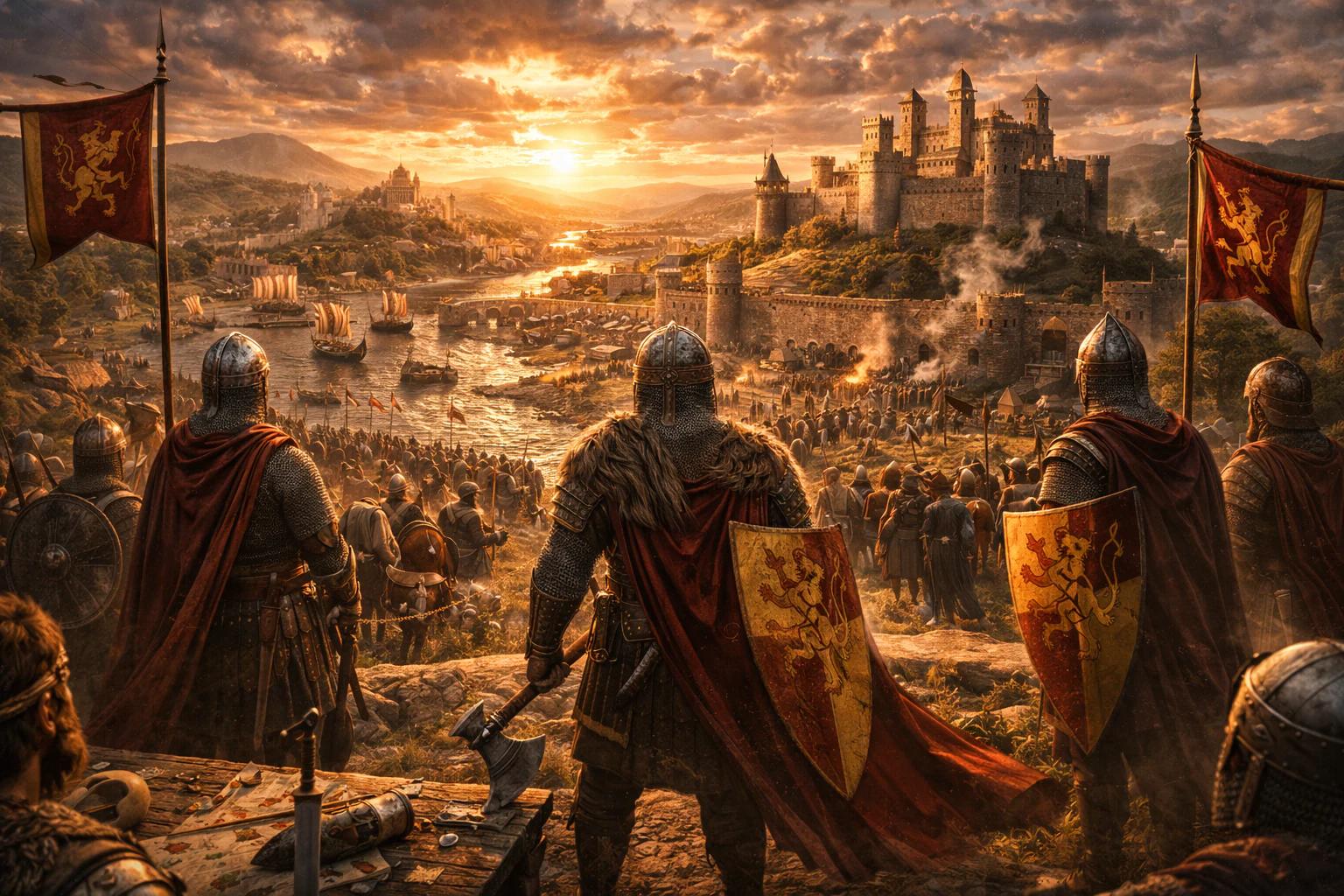
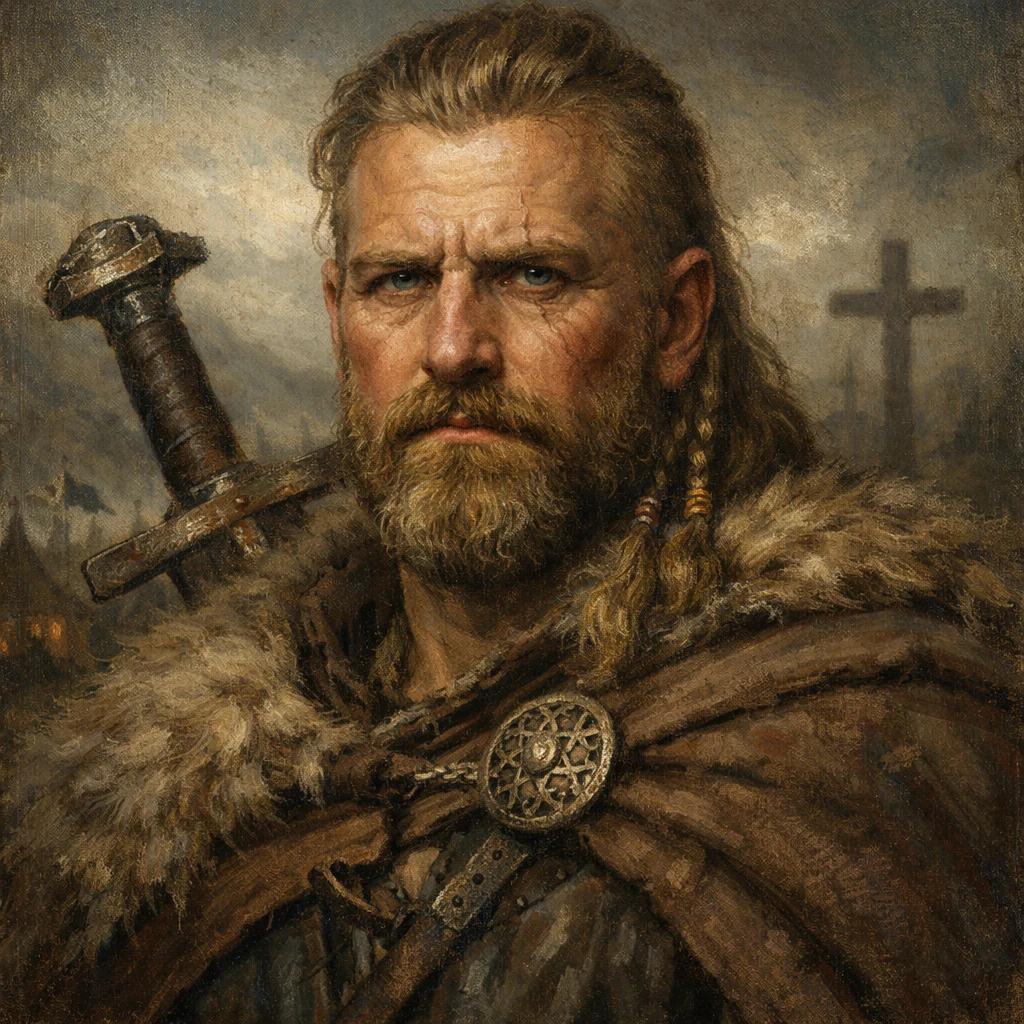
In 865, a large Scandinavian army arrived in East Anglia. Often called the Great Heathen Army, it campaigned for years and took winter quarters in England.
They moved from kingdom to kingdom, fighting battles and taking control of land. English kingdoms struggled to resist such a large and organised force.
Some areas were conquered, while others made deals to avoid destruction. Viking leaders began ruling parts of England directly.
This changed how people saw the Vikings. They were no longer just raiders. They were settlers and rulers.
As Vikings settled, parts of England began to follow new laws and ways of life.
Parts of northern and eastern England came under Scandinavian rulers. Danelaw is a later name for areas associated with Danish law and custom.
Instead of constant battles, many Vikings settled down. They farmed the land, built towns, and raised families.
and East Anglia became important centres of Scandinavian power in England. and Normandy show how settlement followed different paths elsewhere.
Local people and Viking settlers began to live side by side. Over time, their cultures mixed.
New words, customs, and laws appeared. Even today, many English place names come from this period.
The Danelaw shows how Viking influence became part of everyday life, not just a series of attacks.
878 CE
Step 6 of 10878 CEAccessible mode
Alfred and the Fight for Wessex
Viking expansion in England did not go unchallenged. In , resistance hardened under Alfred the Great.
By the late 800s, several English kingdoms had been defeated or weakened by Viking armies. was one of the last major kingdoms still standing.
Alfred became king at a time of crisis. He faced repeated attacks and at one point had to retreat and rebuild before striking back.
Alfred reorganised defence. He built fortified towns, improved military readiness, and created a stronger system for responding to raids and invasions.
In 878, Alfred defeated Guthrum at Edington. Guthrum accepted baptism. A separate surviving agreement between the two rulers, whose date is uncertain, laid down a boundary and rules for dealings across it.
Alfred’s resistance helped shape the future of England. Without that survival, later English unification may have looked very different.
900 CE
Step 7 of 10900 CEAccessible mode
Viking Trade Routes and the Wider World
The Vikings were not only fighters. They were also traders who linked faraway places together.
Scandinavian merchants crossed and Baltic. River routes through what is now Russia and Ukraine connected northern markets with Byzantium and the Islamic world.
People moved furs, amber and silver along these routes. Captives were bought and sold as enslaved people, making violence part of the trading economy.
Trading towns grew in importance. Places like and became busy centres where people, goods, and ideas met.
This contact changed Scandinavian society. Foreign goods, coins, and new influences became part of everyday life for elites and merchants.
The Viking Age was therefore not just about raiding. It also helped connect northern Europe to a wider international world.
985 CE
Step 8 of 10985 CEAccessible mode
Exploration of the North Atlantic
Across the North Atlantic, Scandinavian voyagers founded settlements and reached lands already inhabited by Indigenous peoples.
Sailors from Scandinavia began exploring westward. They settled in Iceland and later reached Greenland, building small communities.
Some even travelled as far as North America, landing in what is now Canada. These journeys were difficult and risky.
The sagas associate Leif Erikson with voyages to Vinland. Archaeology confirms a Norse site at L’Anse aux Meadows, but cannot name the crew who used it.
Life in these new lands was harsh. Settlements survived only in certain places where conditions allowed farming and trade.
The Newfoundland site shows how far these routes reached, while Iceland and Greenland show what it took to sustain settlements overseas.
995 CE
Step 9 of 10995 CEAccessible mode
Conversion to Christianity
Over time, Viking society began to change from within, especially through religion.
The Vikings originally followed their own beliefs, with gods like Odin and Thor. These traditions were deeply part of their culture.
As Vikingstraded, settled, and ruled in Christian lands, they came into contact with new ideas and beliefs.
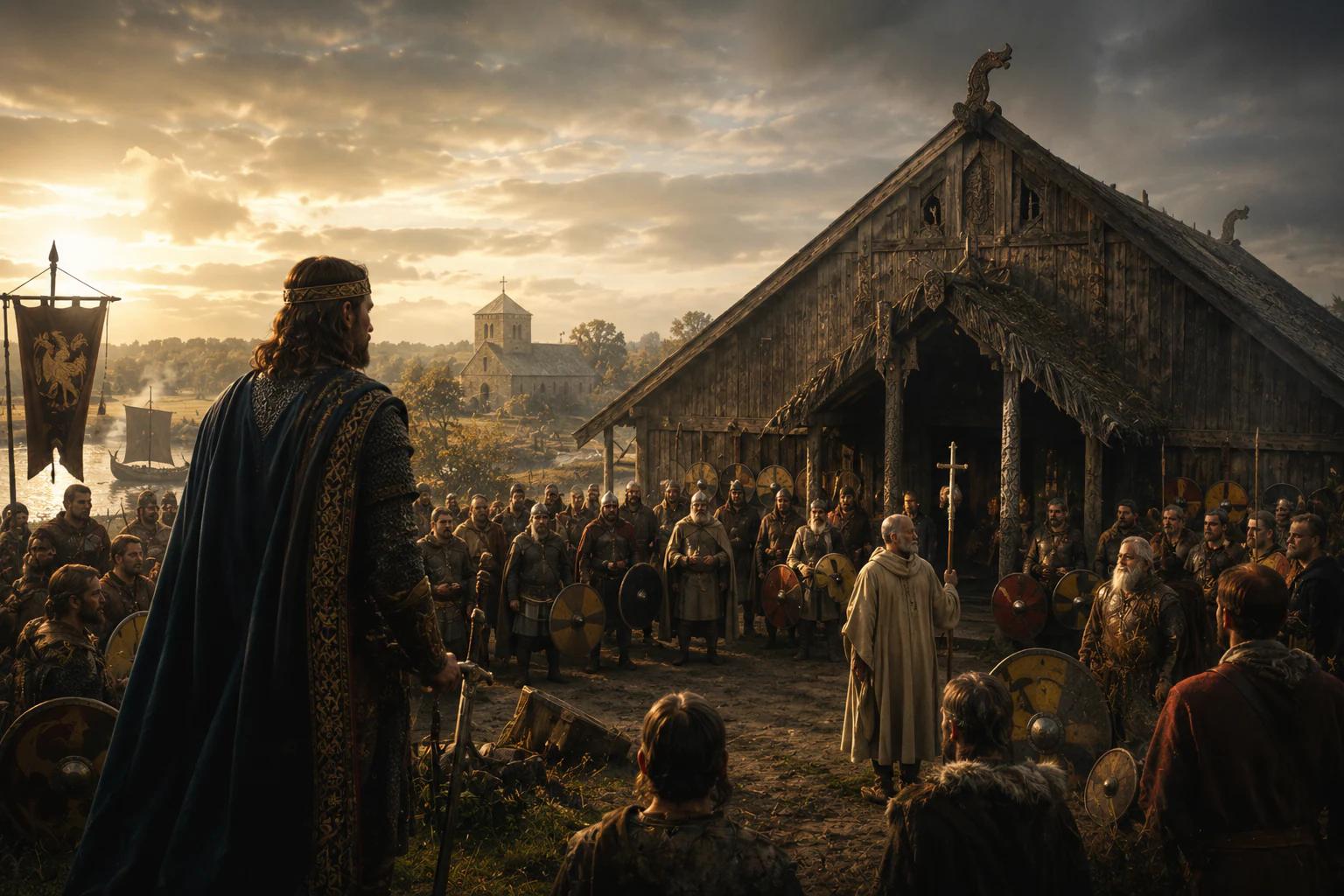
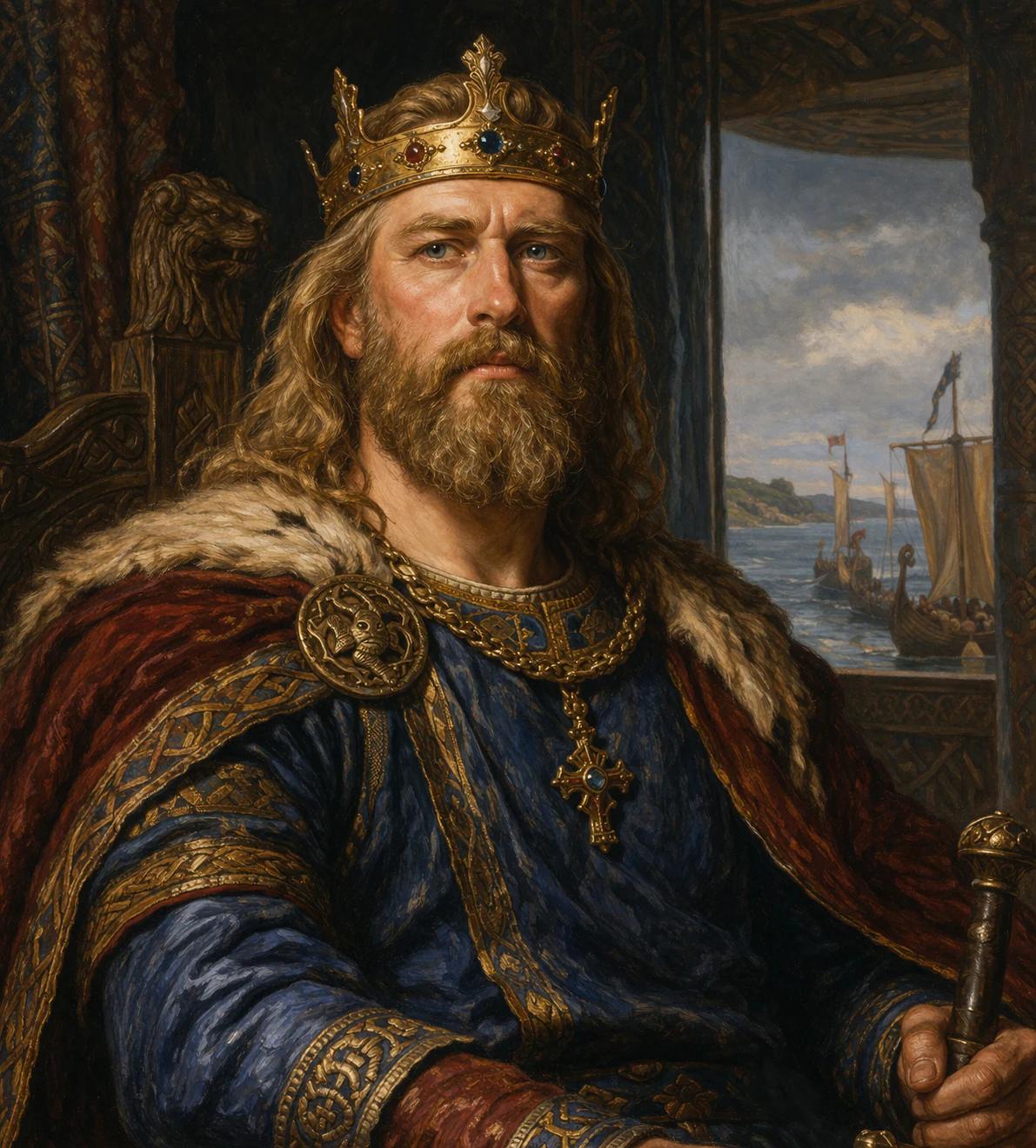
In Denmark, Harald Bluetooth’s Jelling stone credits him with making the Danes Christian. It records a royal claim, and Christianity was already known there before his reign.
Gradually, Christianity spread across Scandinavia. Old beliefs did not disappear overnight, but they slowly faded.
This change marked a shift in identity. Viking society became more closely connected to the rest of medieval Europe.
1066 CE
Step 10 of 101066 CEAccessible mode
The End of the Viking Age
The defeat of Harald Hardrada in 1066 gives the Viking Age a familiar endpoint in England.
Viking raids became less common over time. Stronger kingdoms in England and Europe were better prepared to defend themselves.
A Danish fleet reached England in 1069 and joined resistance to Norman rule. The year 1066 is a useful marker for this story, rather than the end of all Scandinavian campaigning.
Kings replaced local war leaders, and long-distance raiding was no longer the main way to gain power or wealth.
The Viking Age ended, but its impact remained in language, culture, and the shape of Europe itself.
Keep exploring
Finished The Viking Age?
Choose the next story, follow a connected moment, or explore the people behind this story.