This story discusses war, persecution, genocide, violence, and mass death in an educational historical context. Some readers may find parts distressing.
Reading mode
Accessible gives a lighter overview. Deep Dive tells the fuller story.
The kingdom struggled with centralization, national rivalry, and authoritarian rule.
Common questions
When did Yugoslavia exist?
The South Slav kingdom was founded in 1918 and named Yugoslavia in 1929. Its socialist successor broke apart in 1991–1992. Serbia and Montenegro retained the Yugoslav name in a smaller federation until 2003; their state union ended in 2006.
Yugoslavia broke apart because of economic crisis, weakened federal authority, nationalist politics, competing republican leaderships, historical grievances, and the collapse of communist legitimacy.
What wars followed Yugoslavia's collapse?
The breakup produced wars in Slovenia, Croatia, Bosnia, and , with ethnic cleansing, siege warfare, international intervention, and long-lasting regional consequences.
Context
Introduction
Overview
Yugoslavia brought several South Slavic peoples into one state after the First World War, but its communities did not agree on how power should be shared. Tito's socialist federation held the country together after 1945. Following his death, economic crisis and nationalist politics weakened that settlement, and the state broke apart through war in the 1990s.
In 1918, as empires collapsed at the end of the First World War, a new South Slav kingdom appeared on the map of Europe. It promised unity, but it joined peoples whose recent histories had pulled them in very different directions.
The Kingdom of Serbs, Croats, and Slovenes brought together Serbia with former Austro-Hungarian South Slav lands. People who spoke related languages and imagined some form of common future now had to share one government.
The hope was real, but so was the imbalance. Serbia had fought on the winning side, and its political establishment expected to lead. Many Croatian and Slovenian politicians wanted protection from being absorbed into a Serbian-led state.
The first arguments were about the shape of the country itself. Many Croats wanted autonomy. Many Serbs wanted a strong centre. Slovenes wanted room to protect their language and culture.
Instead of settling these questions early, the kingdom carried them forward. Every constitutional fight became a fight over whether Yugoslavia was a partnership or a state run from .
Those unresolved choices became part of Yugoslavia's foundation. The state began with the language of unity, but its first political struggle was over who would define what unity meant.
1929 CE
Step 2 of 101929 CEAccessible mode
Royal Dictatorship
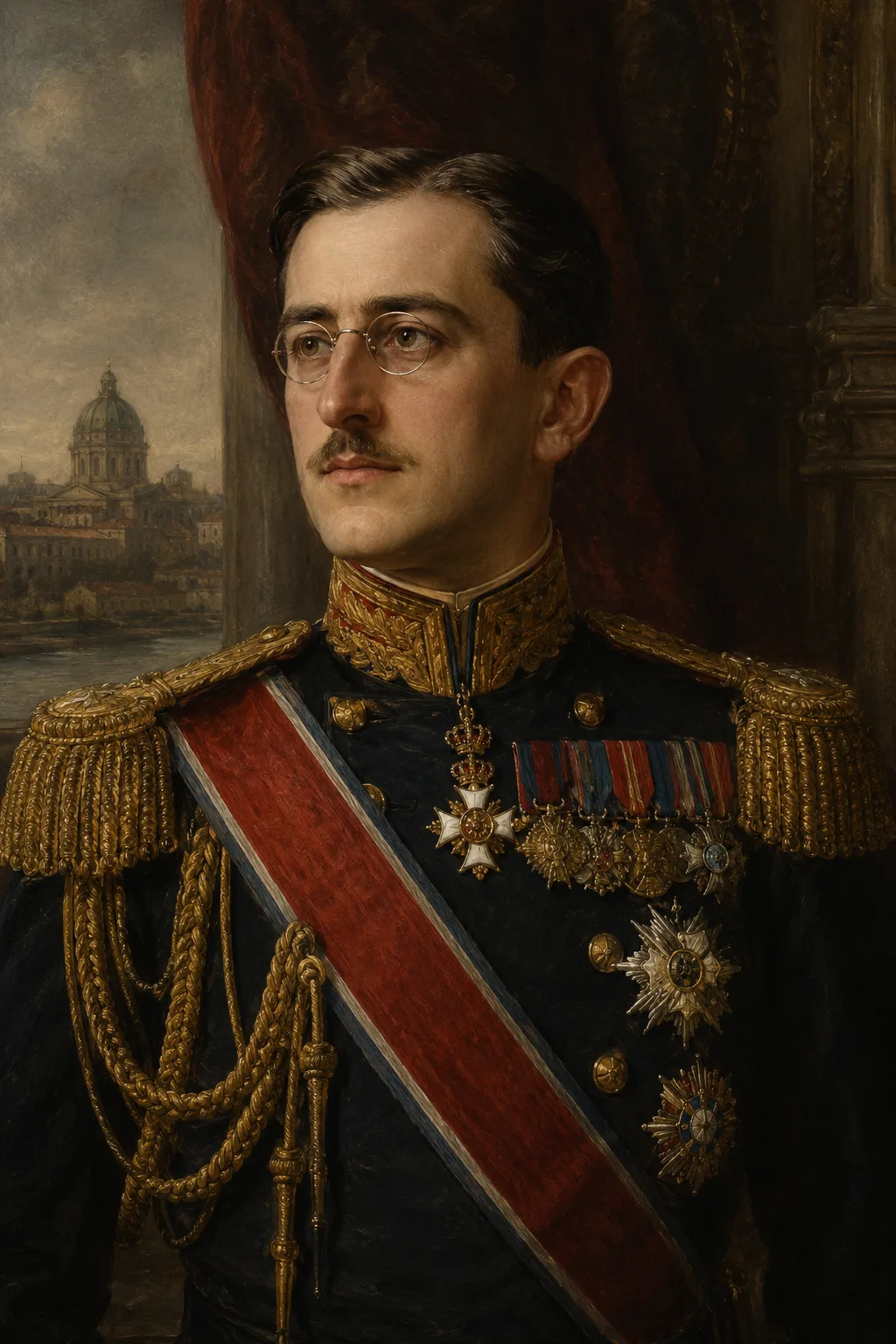
By 1929, the kingdom's politics had nearly broken down. King Alexander responded by abolishing parliament, imposing personal rule, and renaming the country Yugoslavia, the land of the South Slavs.
Parliament had become a place of deadlock and bitter national rivalry. After violence inside the assembly, Alexander convinced himself that parties and ethnic politics were destroying the state.
His answer was control. He banned political parties, censored the press, redrew internal regions across older ethnic boundaries, and treated opposition as a threat to national survival.
For many Croats, Slovenes, and others, the dictatorship made Yugoslavia feel less like a shared country and more like rule from .Nationalist movements went underground, where they became angrier and more radical.
Alexander was assassinated in 1934 by a Macedonian nationalist linked to anti-Yugoslav networks, including Croatian extremists. His death exposed the failure of forced unity: the state still had no agreed way to share power.
The dictatorship left Yugoslavia more orderly on the surface and more brittle underneath. The argument over power had not ended; it had simply been driven into exile, prisons, and underground movements.
1941 CE
Step 3 of 101941 CEAccessible mode
Occupation and Civil War
In April 1941, Germany and its allies invaded Yugoslavia and destroyed the kingdom in less than two weeks. The collapse opened more than an occupation; it opened several wars at once.
The Axis powers divided the country between occupiers and clients. One of the new regimes was the fascist Independent State of Croatia under the Ustasha, which began mass violence against Serbs, Jews, and Roma.
Civilian communities paid the price. Villages were burned, people were killed because of ethnicity or religion, and local fear became part of the machinery of war.
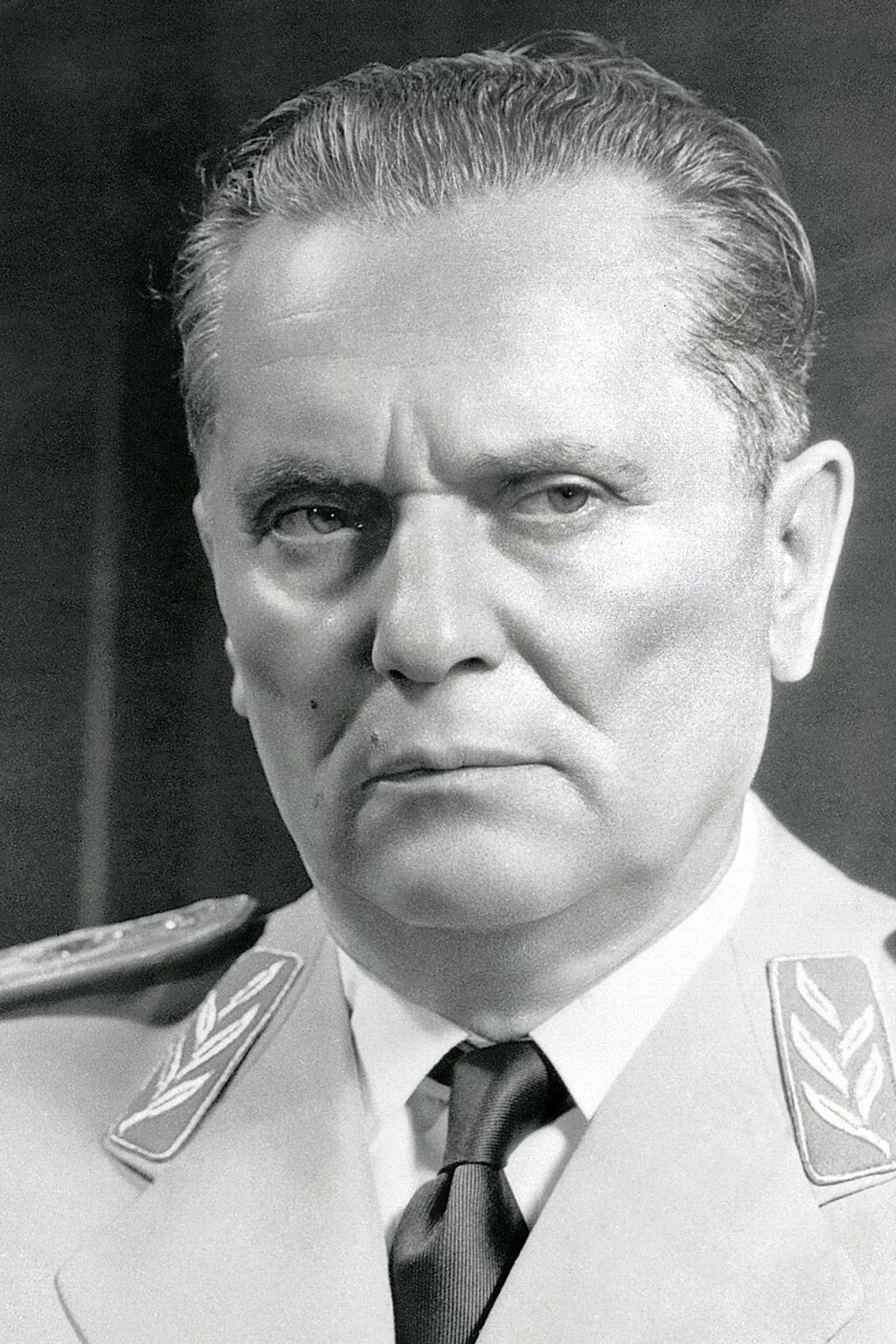
Tito's Partisans eventually won wider support and Allied backing because they looked like the strongest anti-Axis force. Their victory gave them legitimacy, but it did not heal what occupation and civil war had done.
After 1945, the new state would frame public memory around shared resistance, commemorating some victims while restricting accounts that challenged communist rule. But the wounds of occupation and civil war remained close enough to be reopened.
PremiumFree preview: 3 of 10 chapters
Continue The Rise and Fall of Yugoslavia
Sign up to a Premium account to read the remaining chapters of this story.
A paid Premium subscription also gives you full access to every other Premium story.