Context
Introduction
Overview
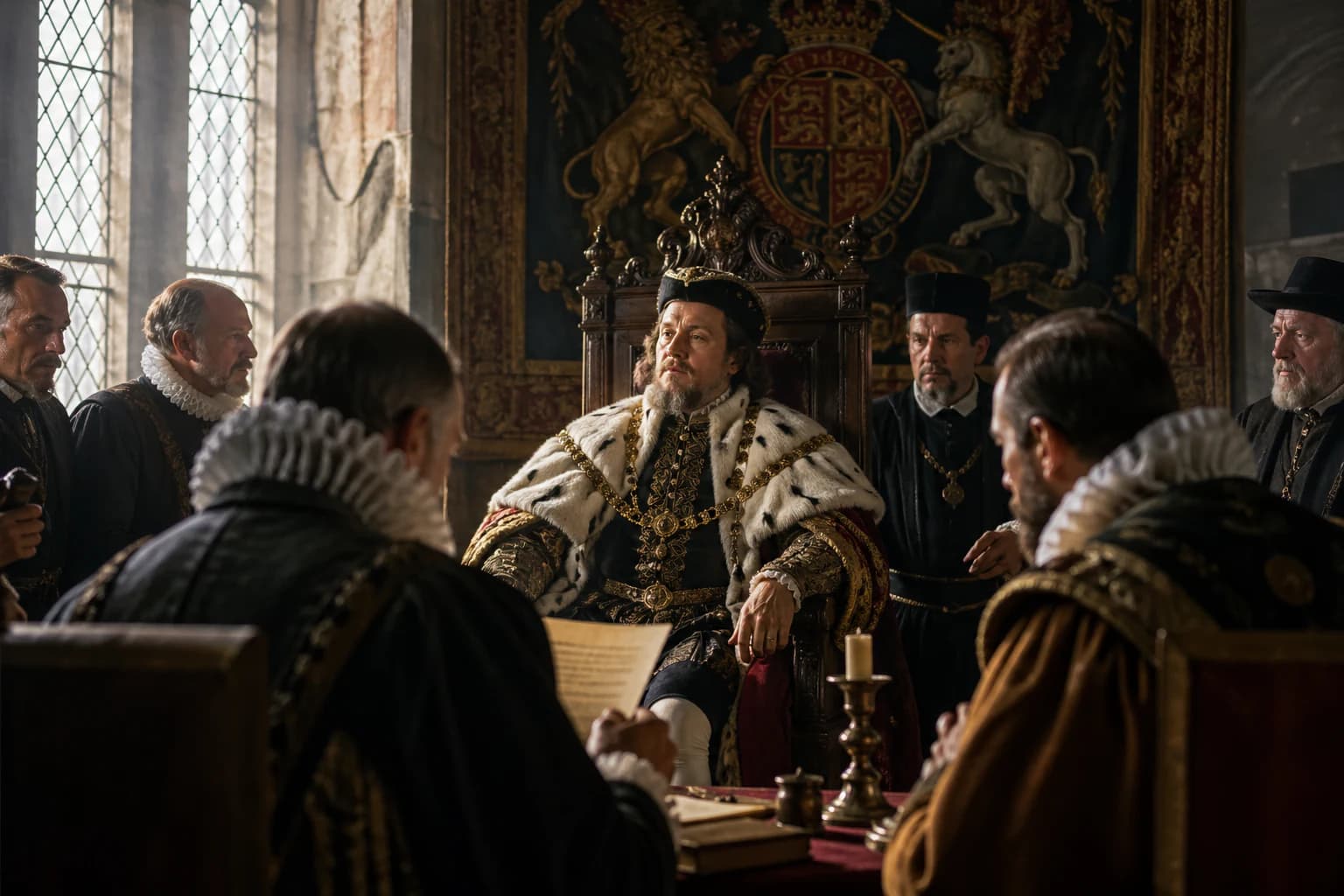
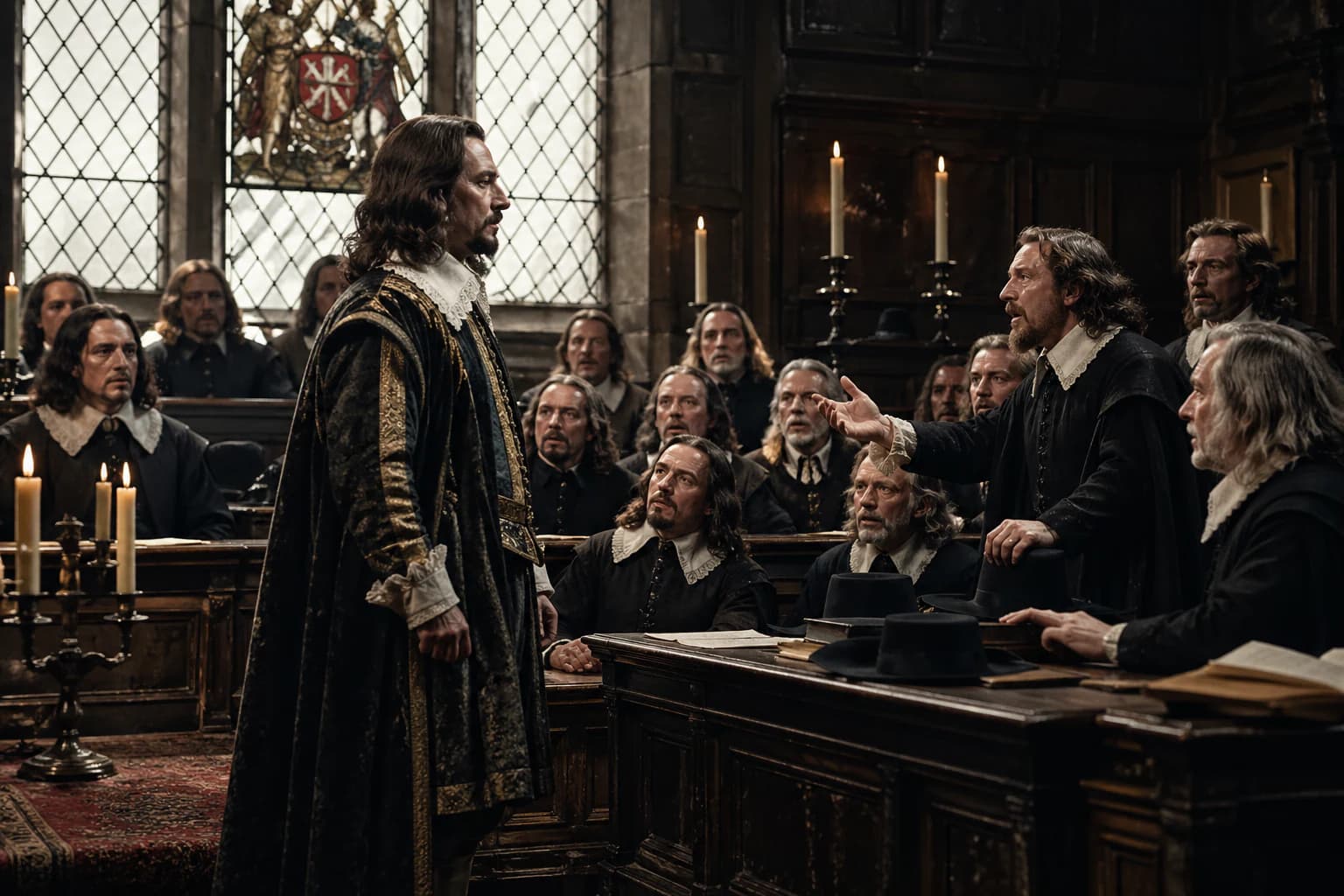
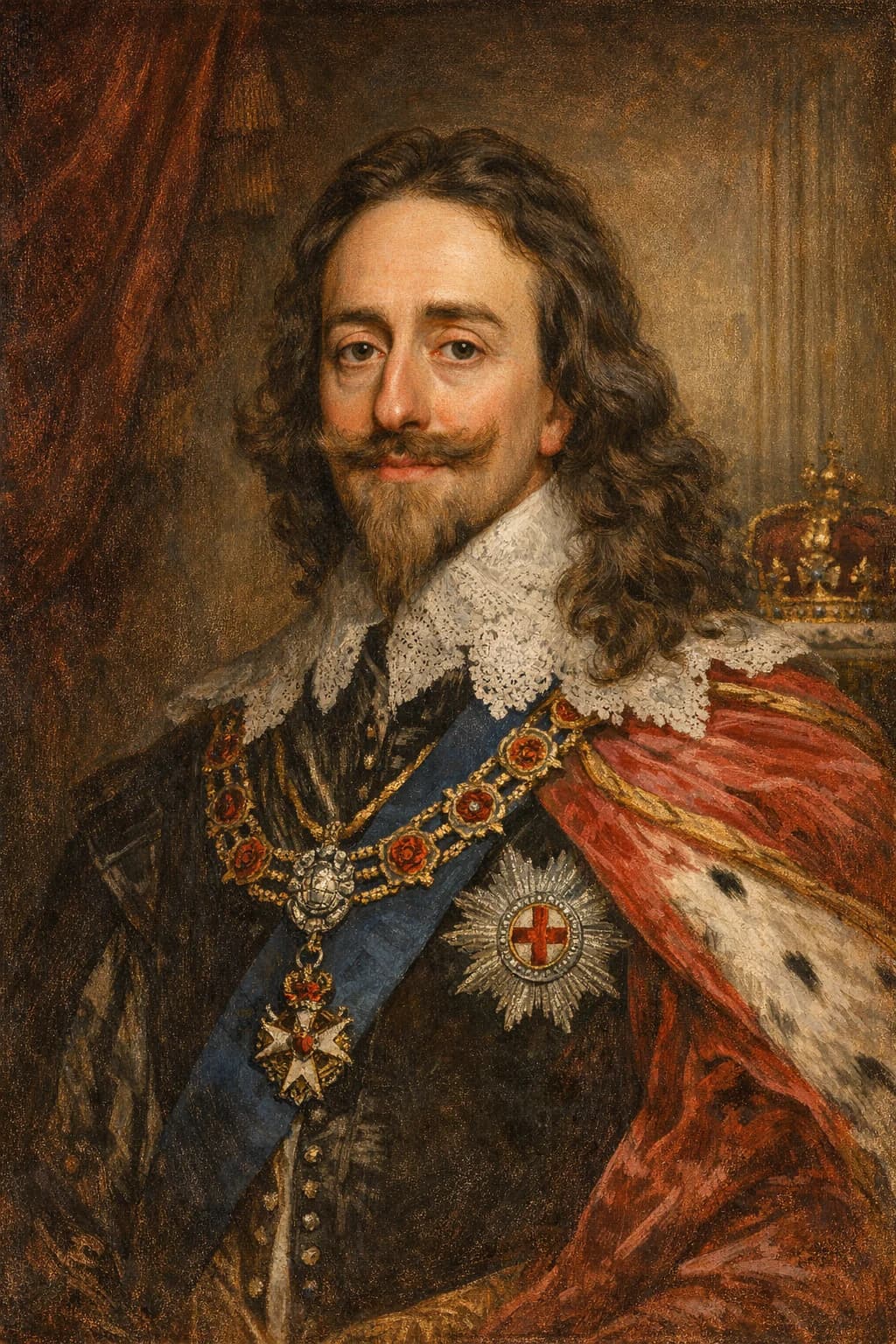
Conflict between Charles I and Parliament grew from disputes over taxation, religion and the limits of royal power. When compromise failed, the kingdoms descended into war. The king's execution and the experiment in republican government changed how English people thought about authority.
What you'll learn: You will follow how disputes about royal authority, Parliament, and religion escalated from political argument into civil war, regicide, and republican experiment — and how the Restoration of 1660 left a changed constitutional landscape that shaped English politics for centuries.
Key forces
- James I and Charles I believed in royal authority that Parliament could not legitimately challenge, creating structural conflict over money, religion, and governance.
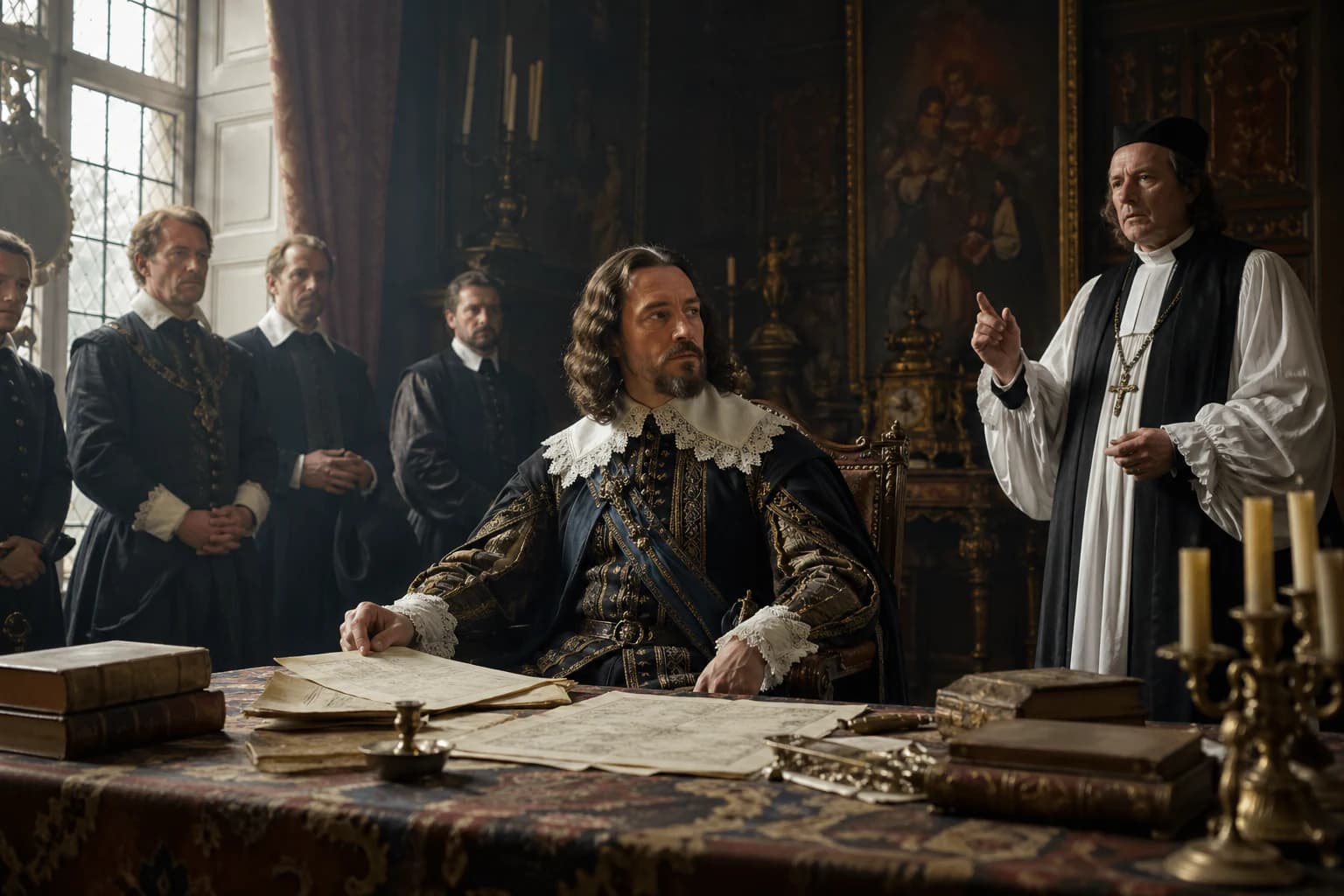
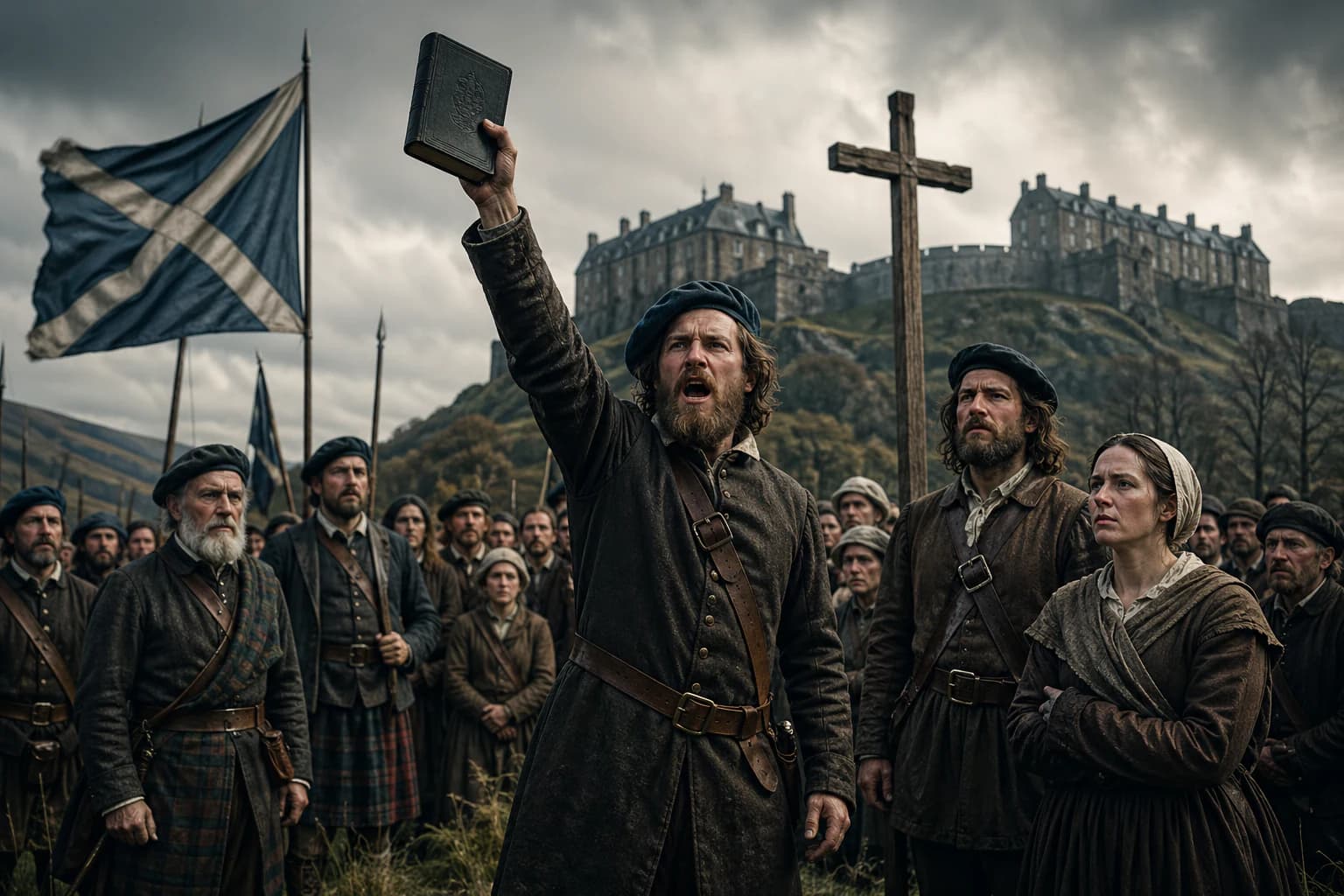
- Charles I's attempt to govern without Parliament and his religious policies drove England into armed revolt, first in Scotland and then across England itself.
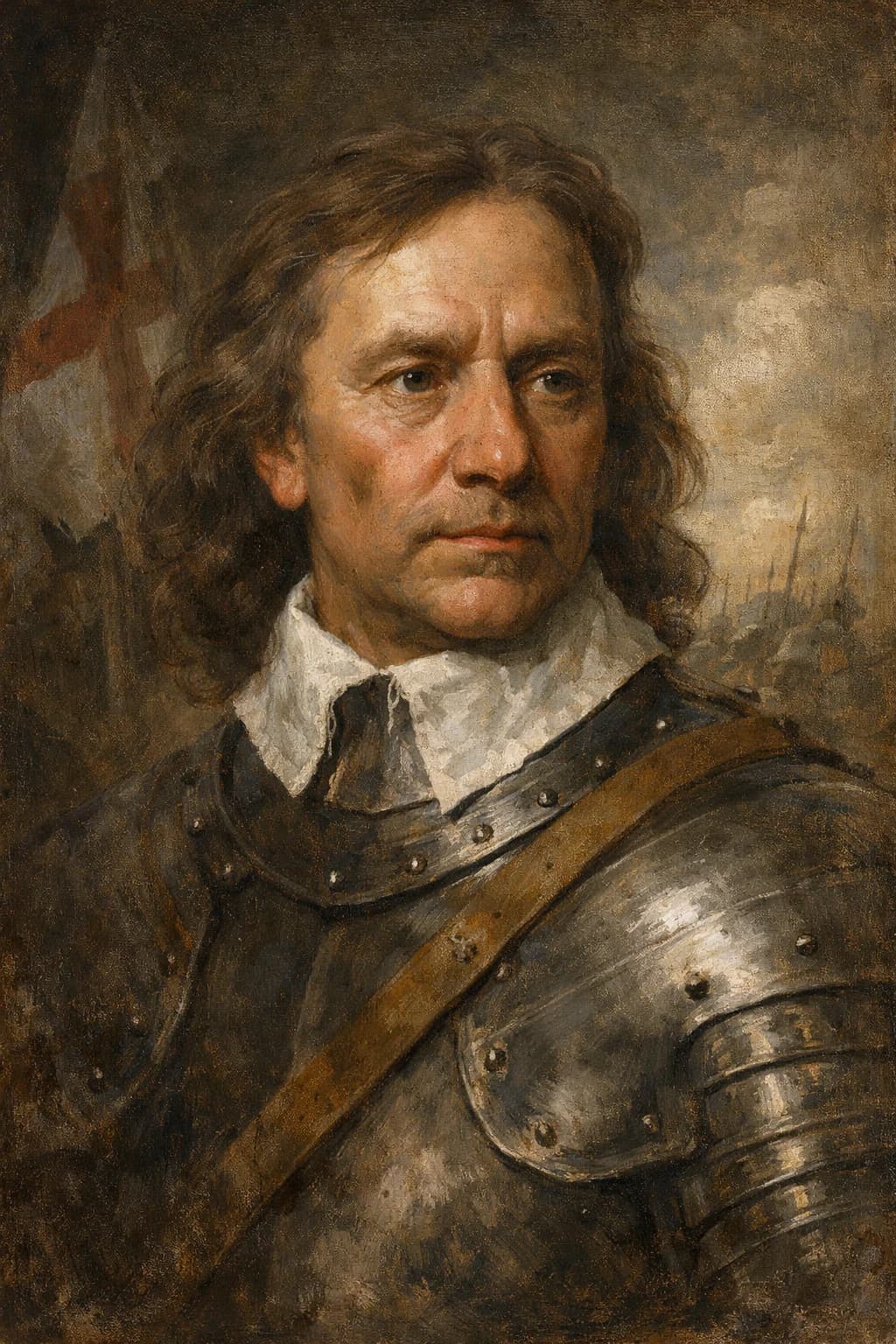
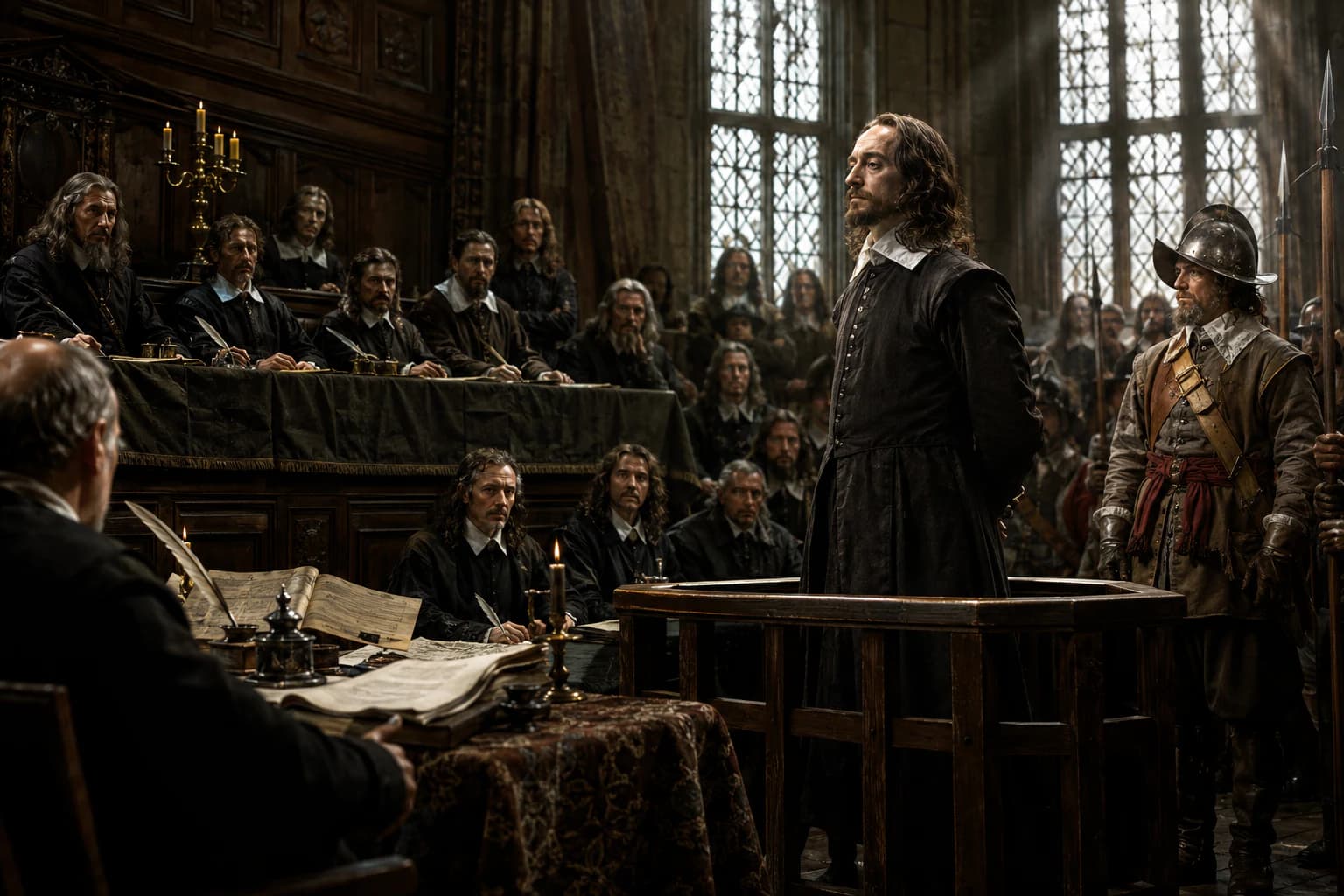
- The New Model Army's victory ended the first Civil War, but Charles I's refusal to accept any genuine settlement led to his trial and execution in 1649.
- The Restoration of 1660 returned the monarchy but not on the old terms — the Civil War had permanently shifted the balance of power toward Parliament.