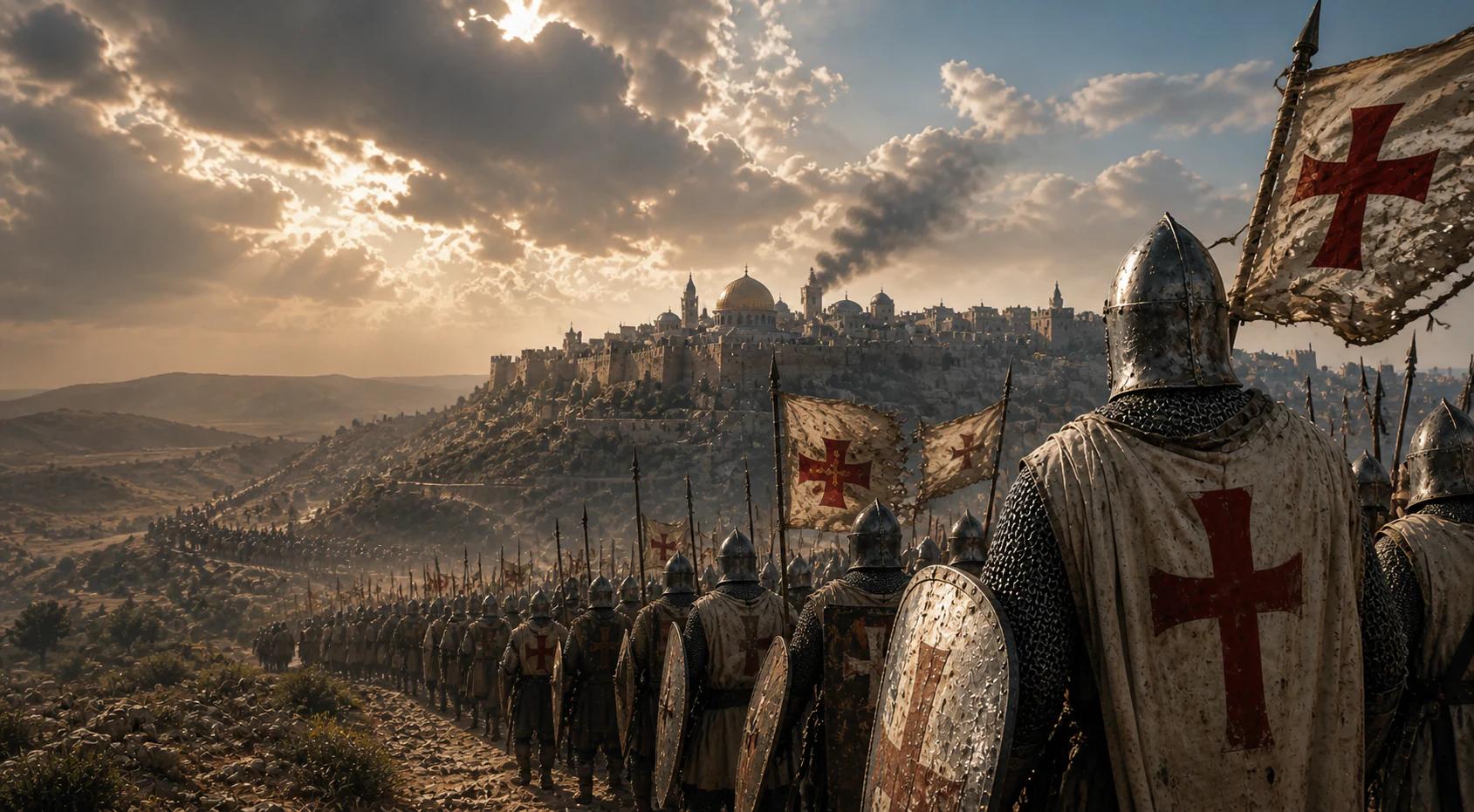
Crusader knights marching beneath a blazing sun toward the walled city of Jerusalem

Premium Story

The Crusades

March through the Crusades, from Clermont and Jerusalem to Saladin, Constantinople, and Acre’s fall.

11 chapters

Next

Content note

This story discusses war, violence, persecution, and death in an educational historical context.

Context

Introduction

Overview

The Crusades were a series of religious wars and armed expeditions launched by western Christians from the late eleventh century, especially toward and the eastern Mediterranean. They combined faith, violence, papal authority, land hunger, and political ambition. The Crusades reshaped relations between Christians, Muslims, and Jews, created crusader states, encouraged cultural exchange, and left a long and contested legacy.

Key forces

The Call at Clermont
1095 CE
Step 1 of 101095 CEAccessible mode

The Call at Clermont

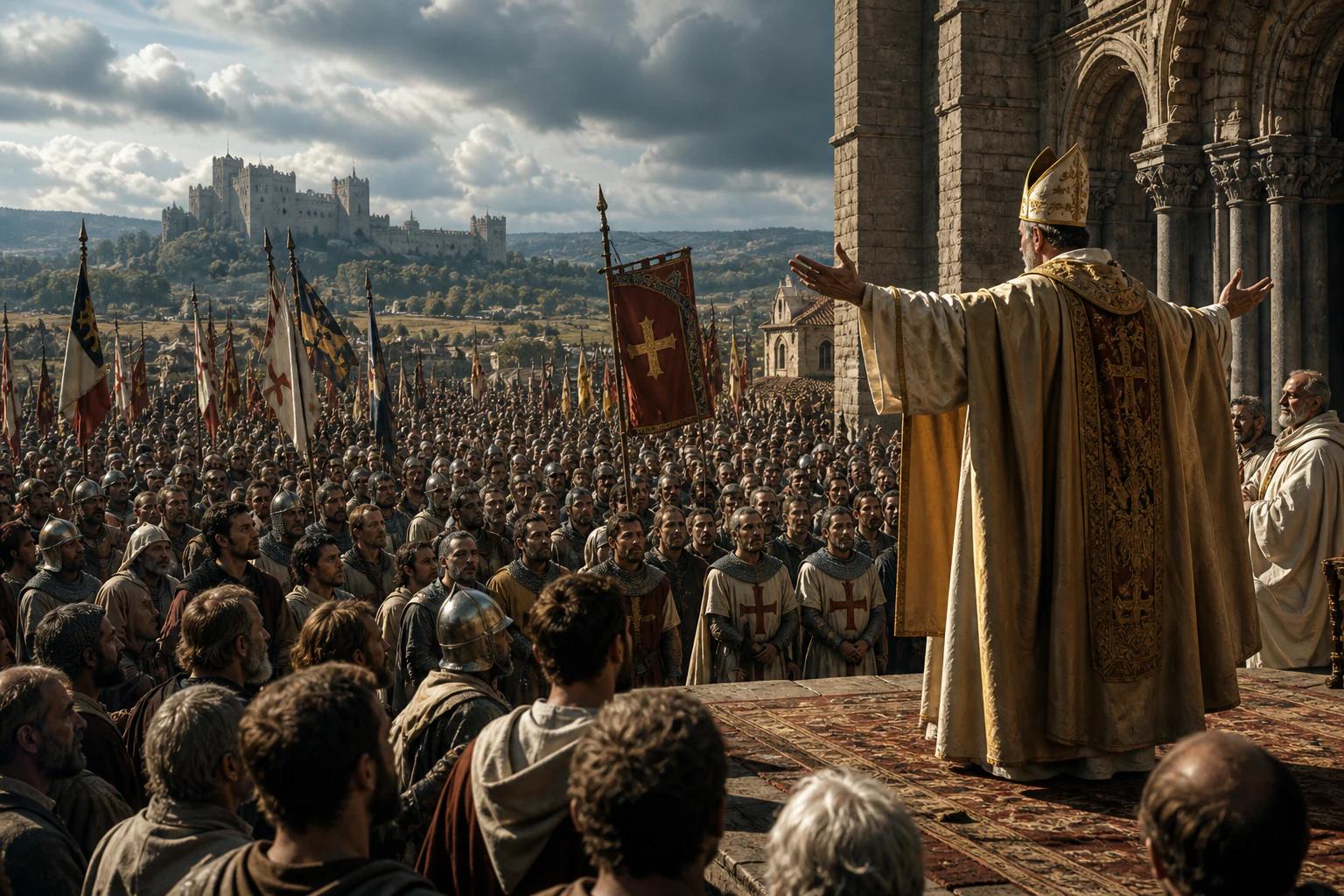
In 1095, Pope Urban II called for an armed expedition east. His appeal helped launch a movement that would last for centuries and reach beyond the Holy Land.

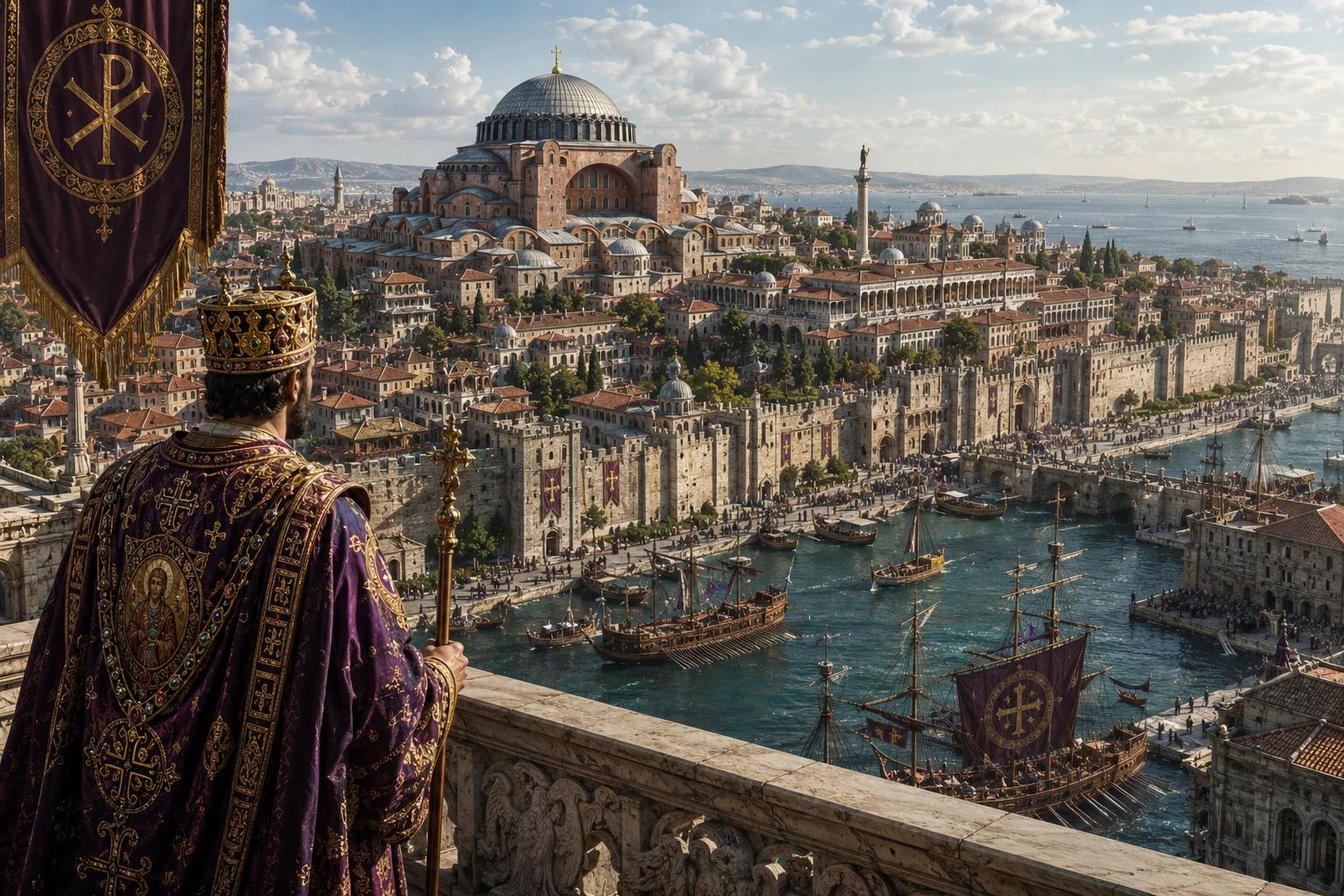
The Byzantine Empire was in trouble. The Seljuk Turks had taken much of its territory in what is now Turkey. The emperor in appealed to Pope Urban II for military help.

Urban saw his opportunity. At a church council in , France, he called on the knights of Europe to march to and fight for the Christian faith.

The appeal drew people for different reasons, including religious devotion, the promise of spiritual reward, obligation, honour and opportunity. Urban’s call also strengthened the papacy’s leadership of the expedition.

Christian rulers had linked warfare and religion before. Urban’s appeal brought pilgrimage, armed service and spiritual reward together in a powerful new form.

This still matters today. The conflicts that began in 1095 left deep wounds between Christian and Muslim communities that shaped politics and tensions for centuries — and have not entirely healed.

The Road to Jerusalem
1096 CE
Step 2 of 101096 CEAccessible mode

The Road to Jerusalem

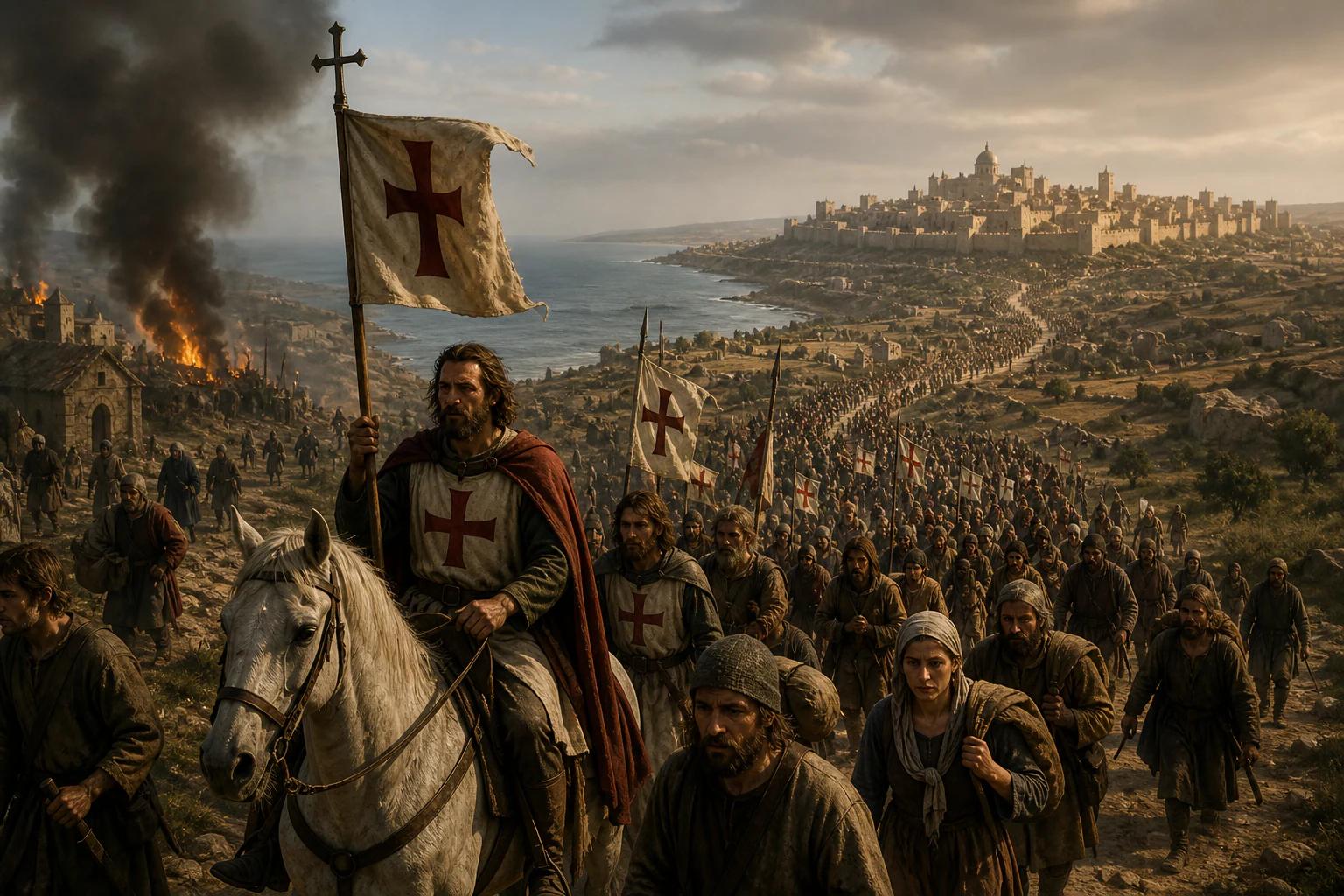
Thousands of people answered the Pope's call. The march to was chaotic, deadly, and marked by violence long before any crusader reached the Holy Land.

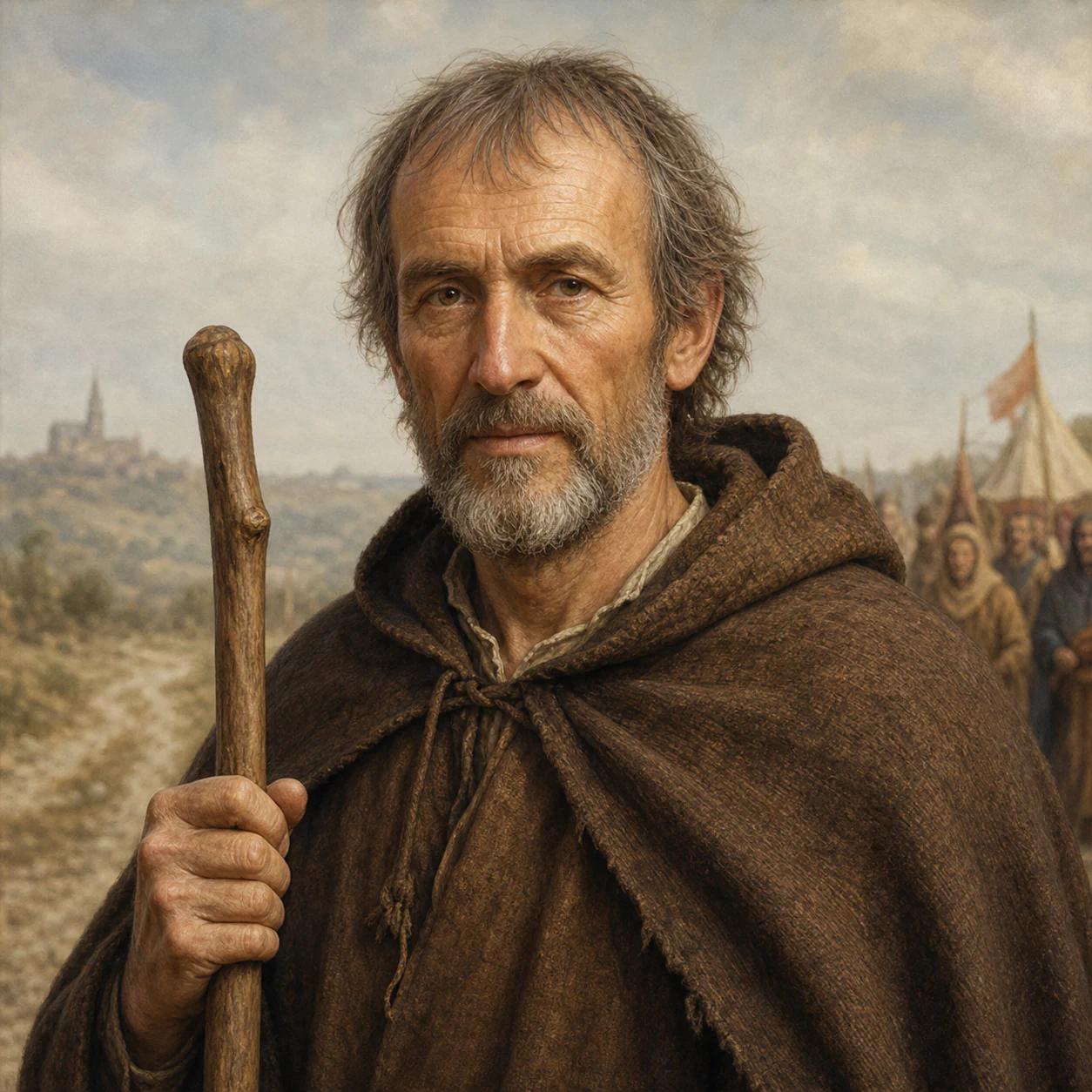
The First Crusade actually started in two waves. The first was a poorly organised flood of ordinary people, led by preachers like Peter the Hermit. They left too early, with few supplies, and most died before reaching .

The second wave was better organised. Noble armies from France, Normandy, and southern Italy gathered in late 1096 and began the long march east through Byzantium and into Syria.

Along the way, some crusaders turned on Jewish communities in cities like , , and . Thousands of Jews were killed in what became known as the Rhineland massacres.

The march east was brutal. Heat, hunger, disease, and hostile territory killed enormous numbers. But enough survived to continue, and to reach the walls of .

These events set a pattern that would repeat throughout the crusading era: extraordinary religious energy combined with extreme violence, including against Jewish communities.

The Capture of Jerusalem
1099 CE
Step 3 of 101099 CEAccessible mode

The Capture of Jerusalem

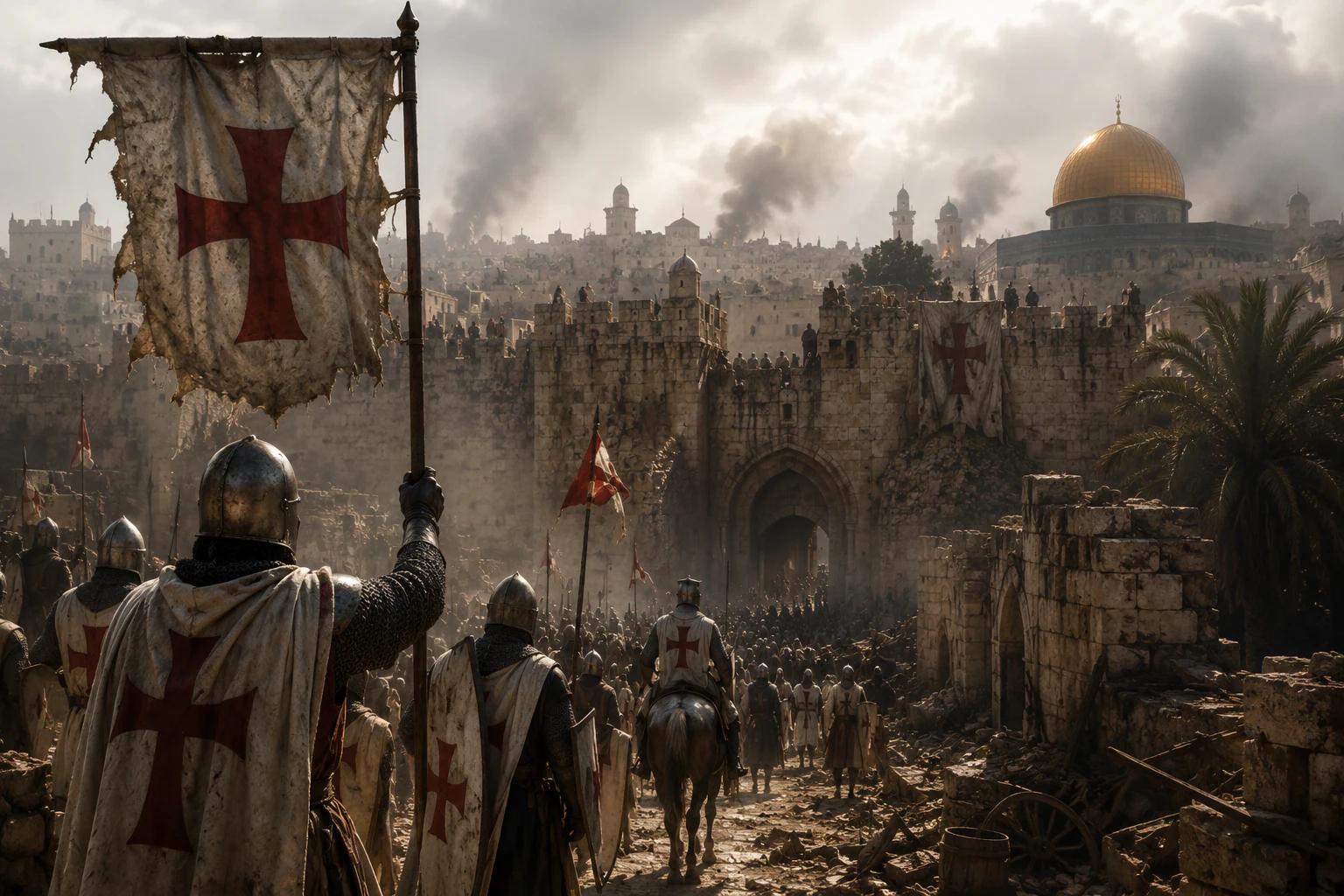
In July 1099, crusader armies broke into . What followed was a massacre remembered for centuries — as both triumph and horror.

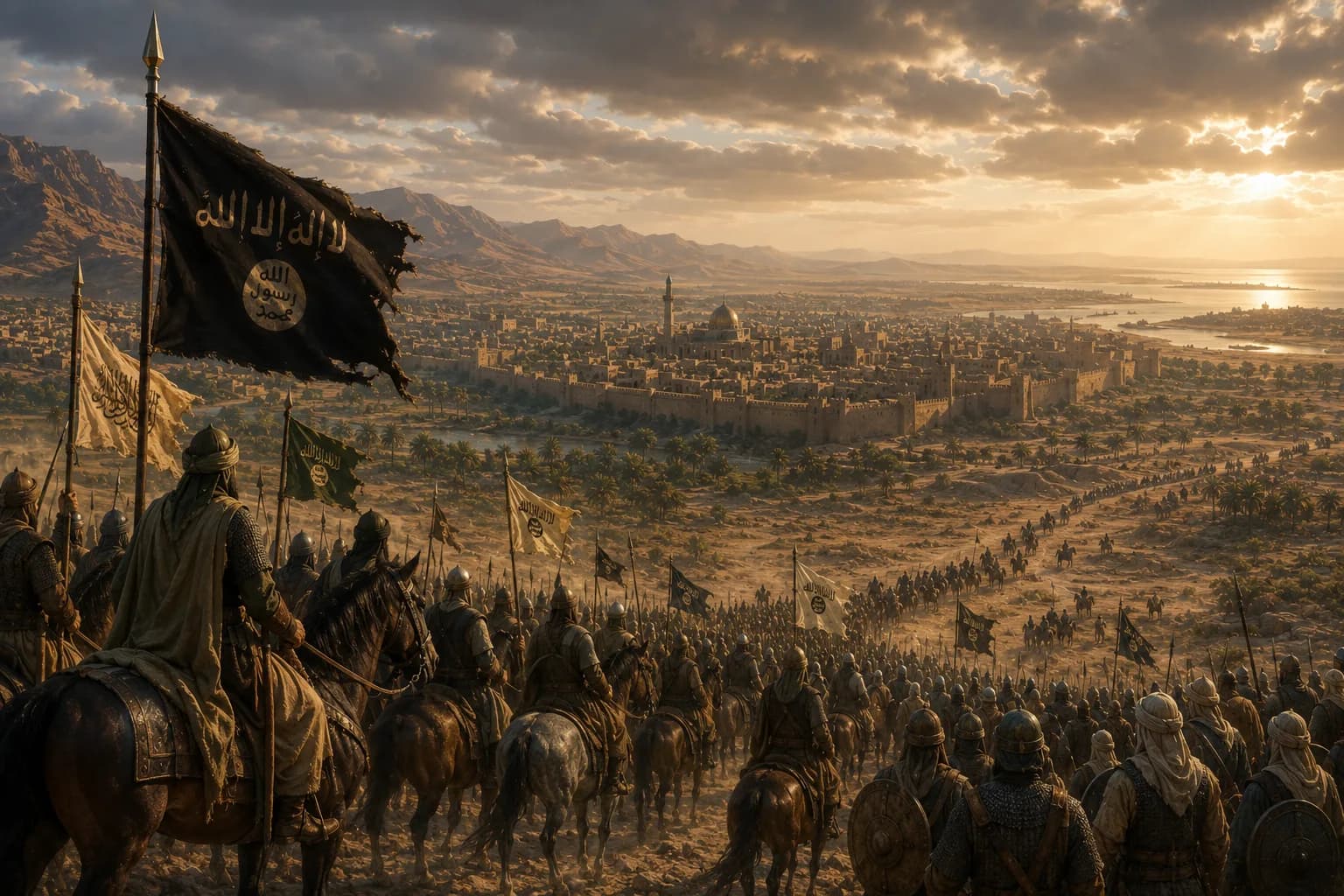
After three years of brutal marching and fighting, the crusaders finally reached in June 1099. They had lost enormous numbers to battle, disease, and starvation.

The siege lasted about five weeks. When the walls were breached, the crusaders massacred inhabitants, including Muslims and Jews. The number killed is uncertain.

For the crusaders, this was a holy moment. They believed they were fulfilling God's will. Many wept as they prayed at .

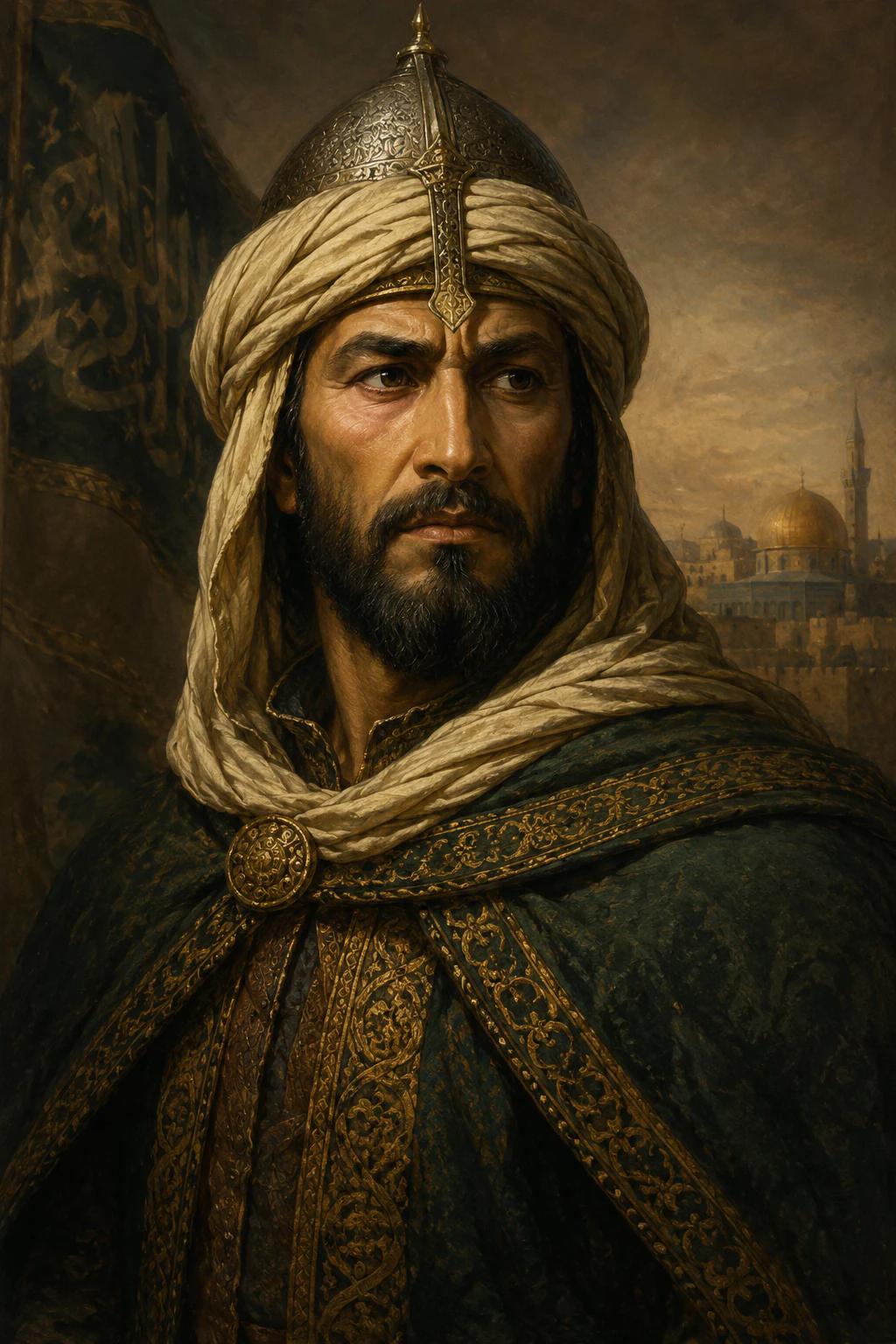
For Muslim and Jewish communities, it was a catastrophe. The memory of the massacre lasted for centuries and became a central reference point in how the Islamic world understood the crusaders.

This event sits at the heart of how people understand the Crusades. It shows how sincere religious belief and extreme violence can exist together — and why this history is still deeply contested.

PremiumFree preview: 3 of 10 chapters

Continue The Crusades

Sign up to a Premium account to read the remaining chapters of this story.

A paid Premium subscription also gives you full access to every other Premium story.

See Premium options

Coming next

  1. Chapter 4The Crusader States
  2. Chapter 5The Rise of Muslim Counterattack
  3. Chapter 6Saladin Takes Jerusalem

And 4 more chapters to follow.

Keep exploring

Follow the connected history

Explore closely connected stories and free figure profiles. Premium stories open with a public preview.

References

Sources and historical notes

Sources used to check this page, selected recommendations and historical notes.

Sources used

  1. The Metropolitan Museum of Art, “The Crusades (1095–1291),”

    The First Crusade and the Latin states in the eastern Mediterranean.

    Open source
  2. The Metropolitan Museum of Art, “Jerusalem 1000–1400: Exhibition Galleries,”

    Jerusalem’s diverse communities, conquest and later rule.

    Open source
  3. Oxford Bibliographies, “The Crusades,”

    Accessible scholarly introduction to crusading across regions and beyond 1291.

    Open source
  4. The Metropolitan Museum of Art, “The Eastern Mediterranean, 1000–1400 A.D.,”

    Chronology and the diverse societies of the eastern Mediterranean.

    Open source
  5. Encyclopaedia Britannica, “Crusades,” Open source
  6. Fordham University, “Internet Medieval Sourcebook: Crusades,” Open source

Additional sources and notes

Loading reviewed claim sources...

Our editorial approach · Report a historical error

A monthly route through history

Find out first about the latest published stories, feature notes and occasional Premium offers in one monthly email.