Context
Introduction
Overview
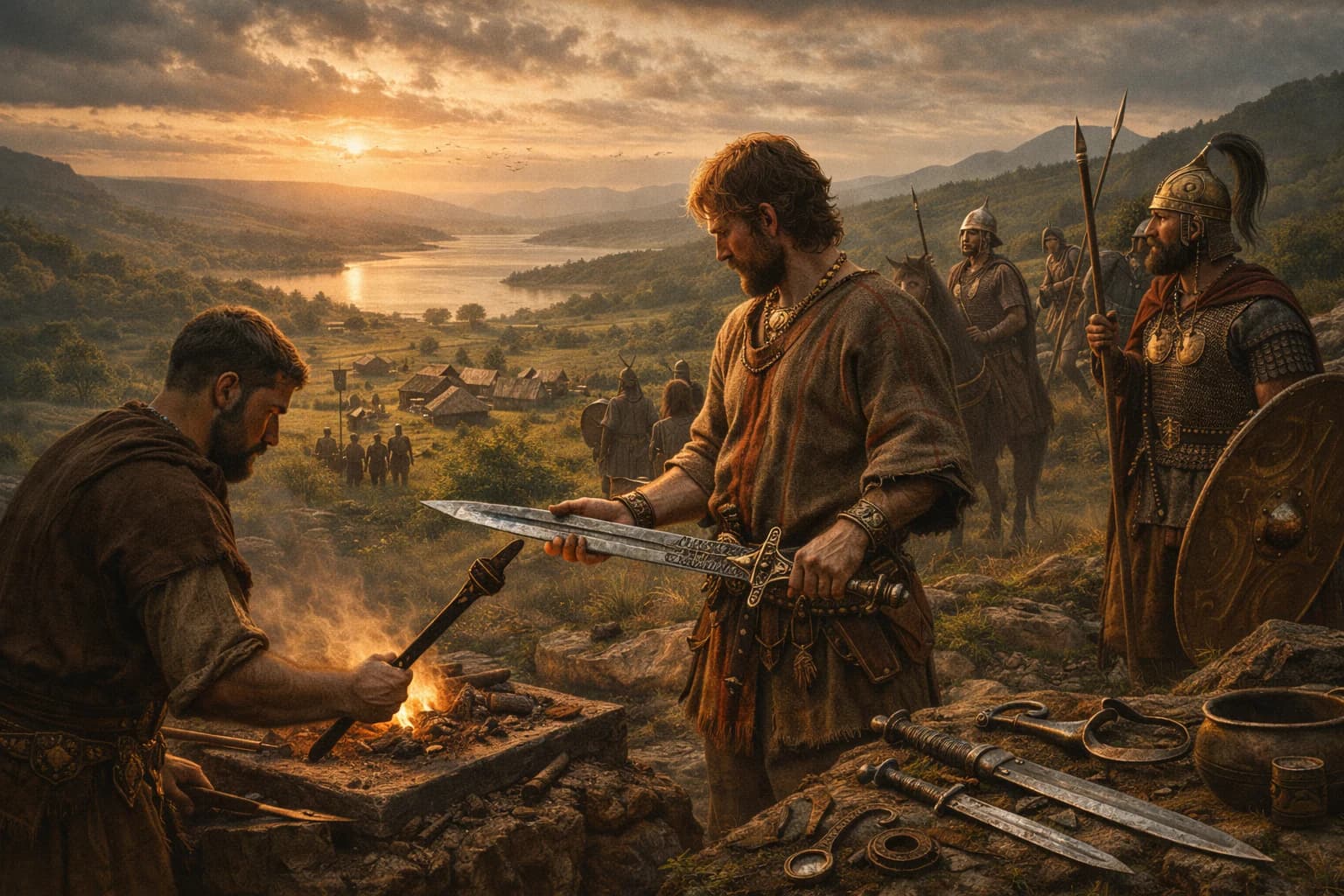
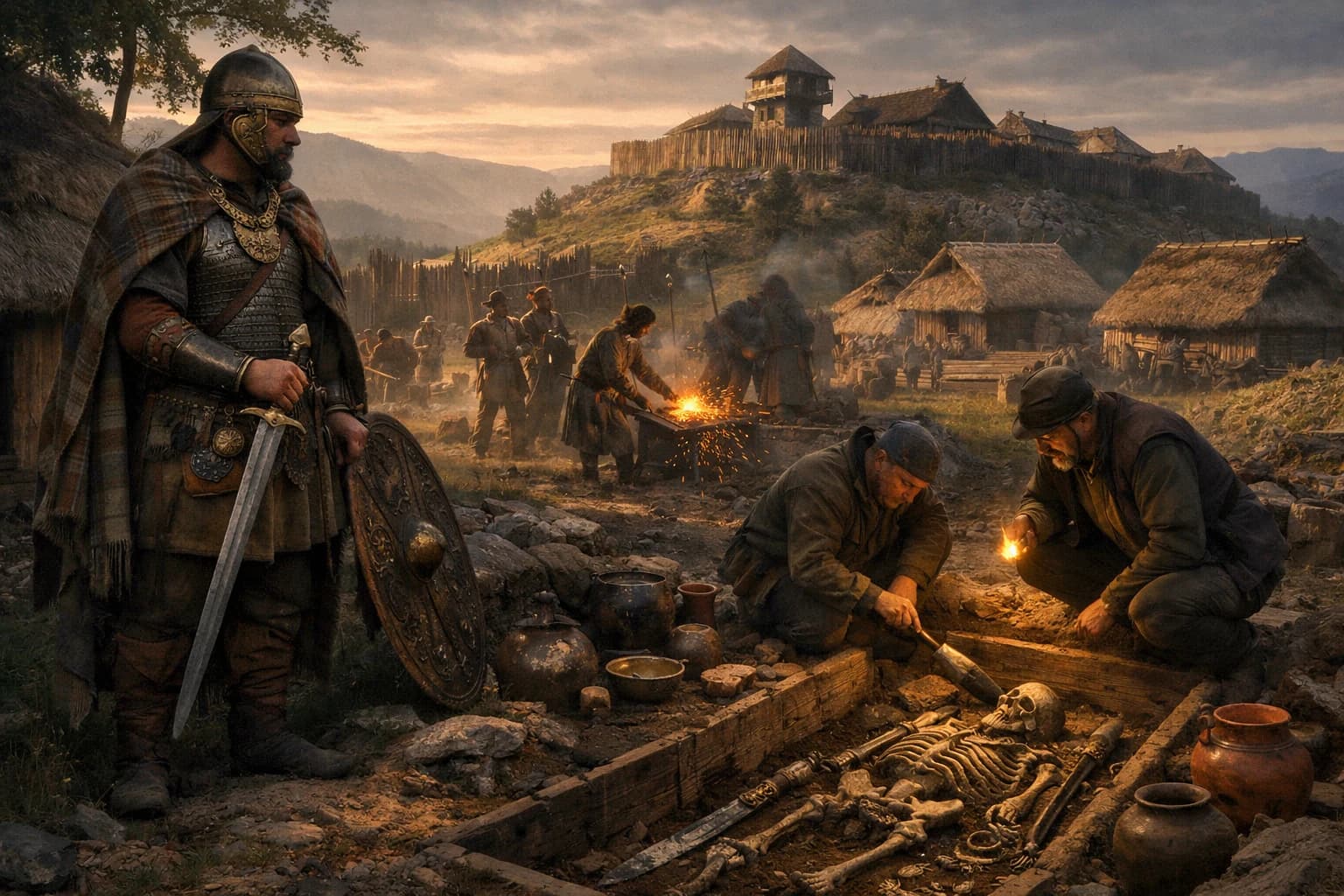
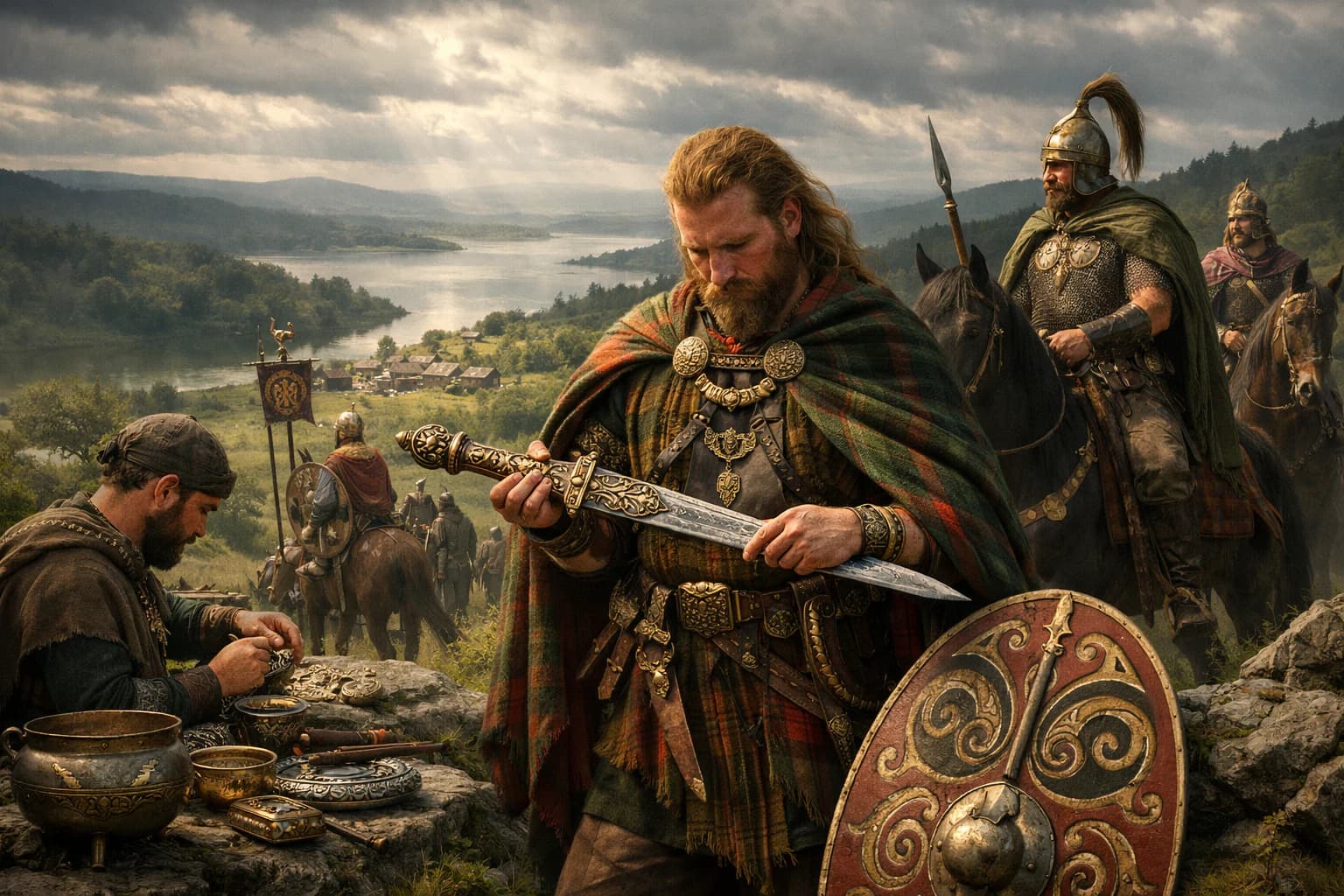
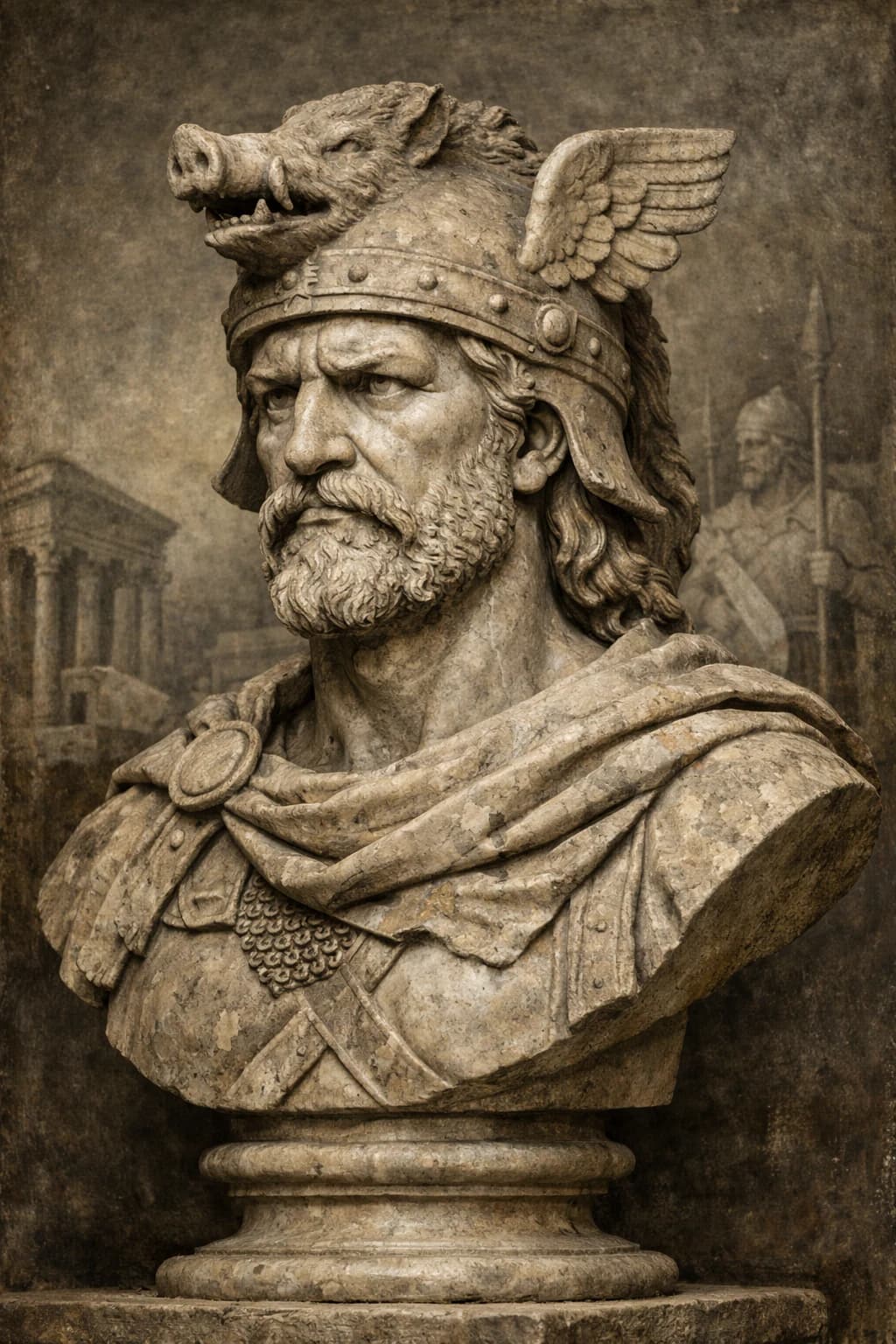
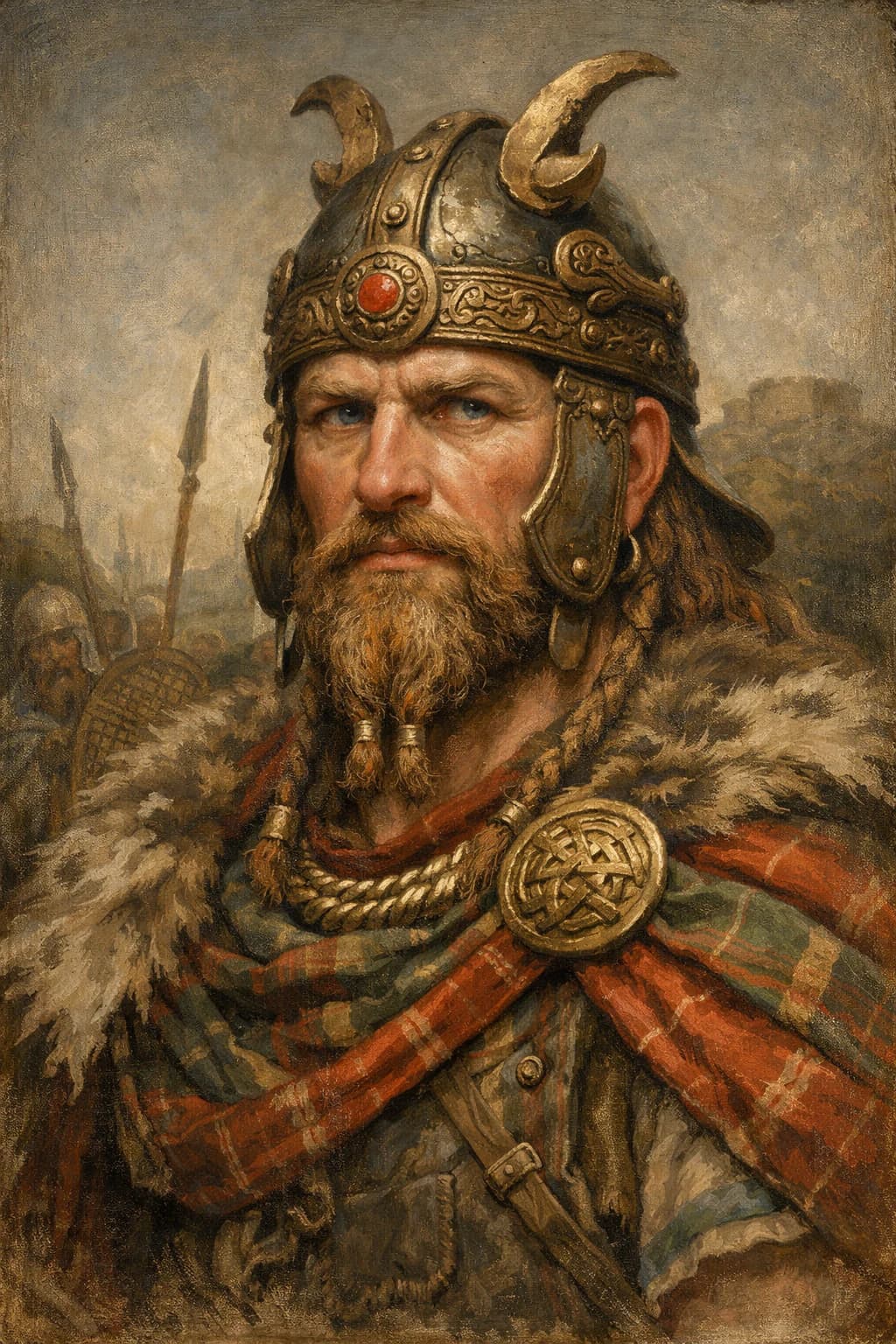
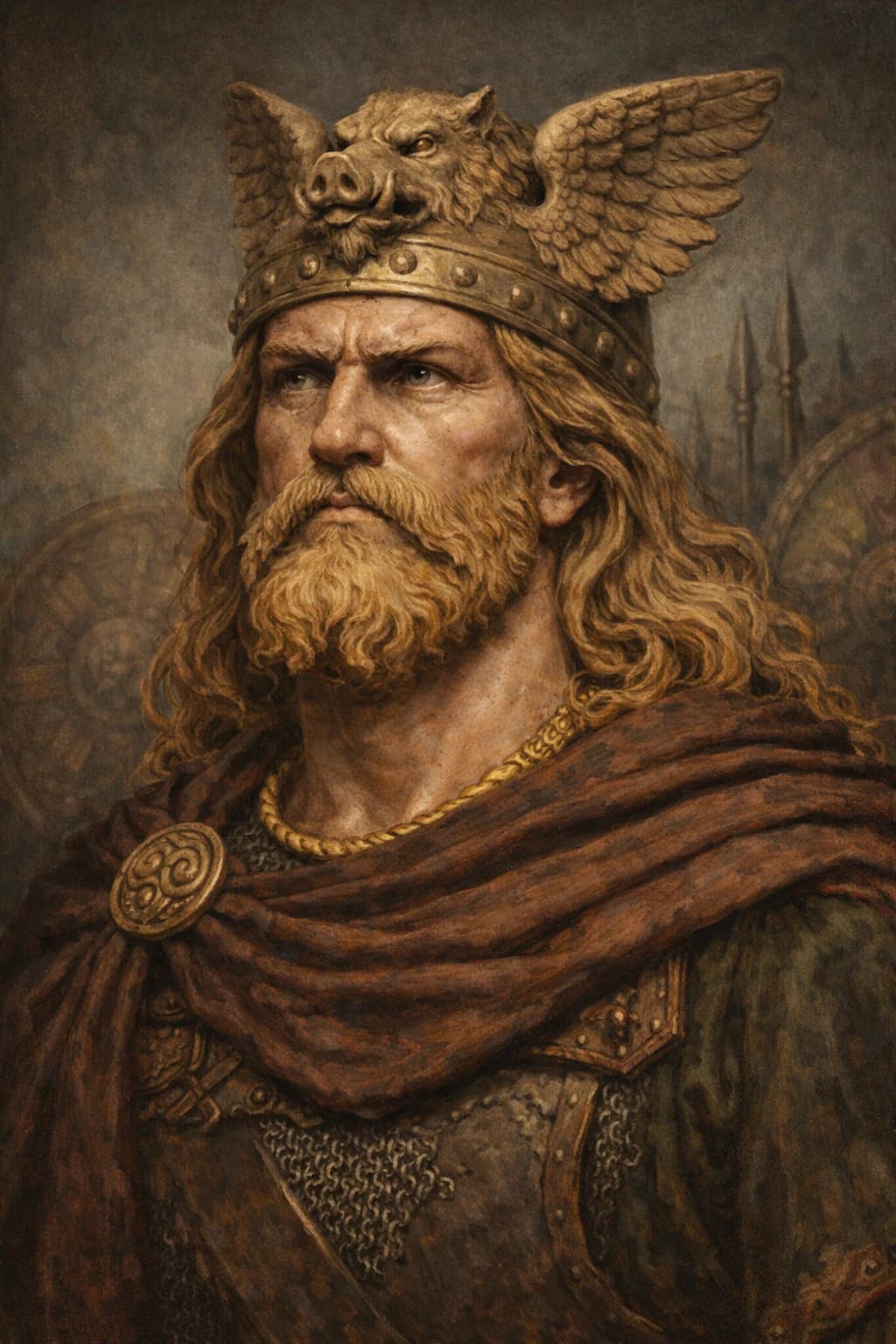
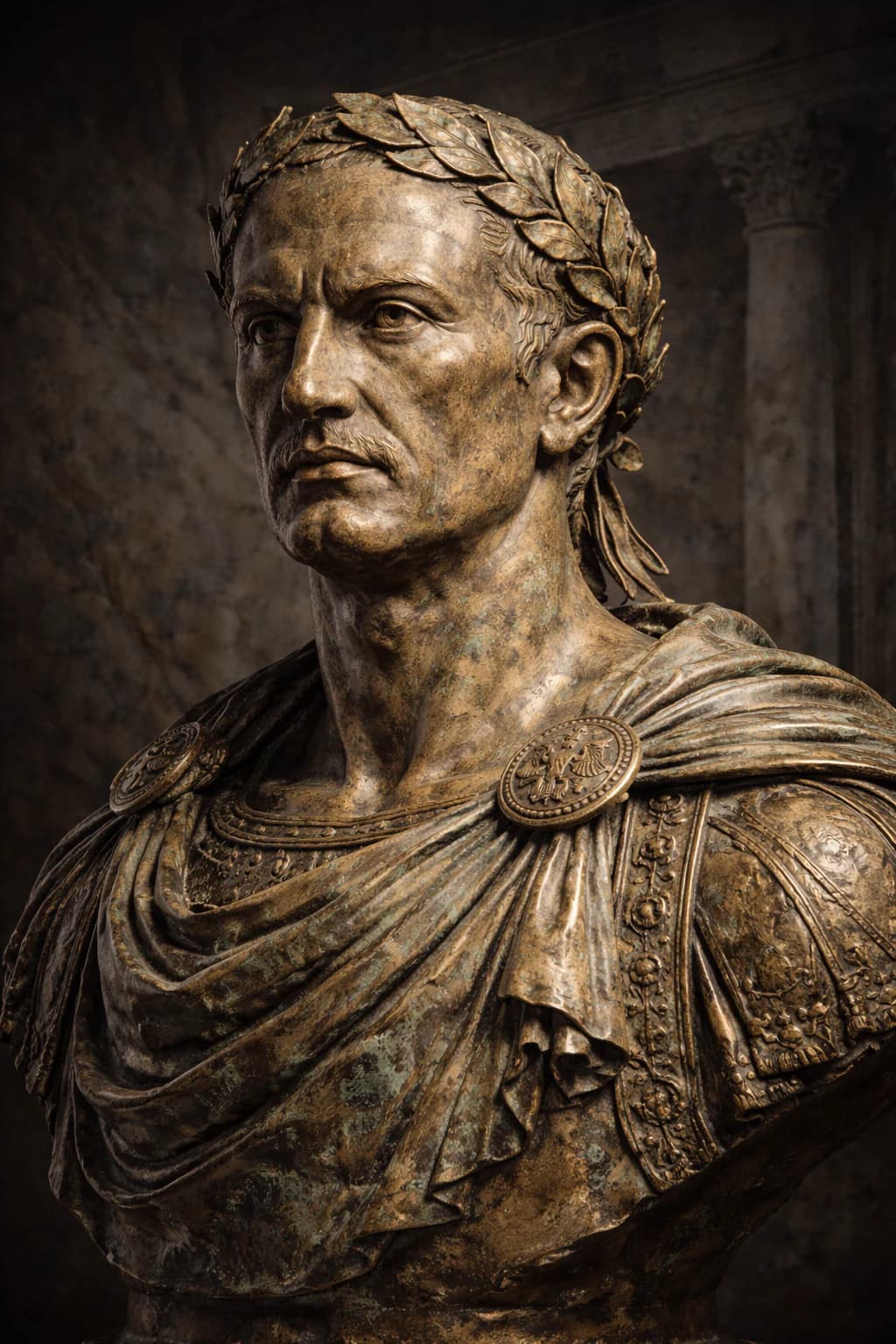
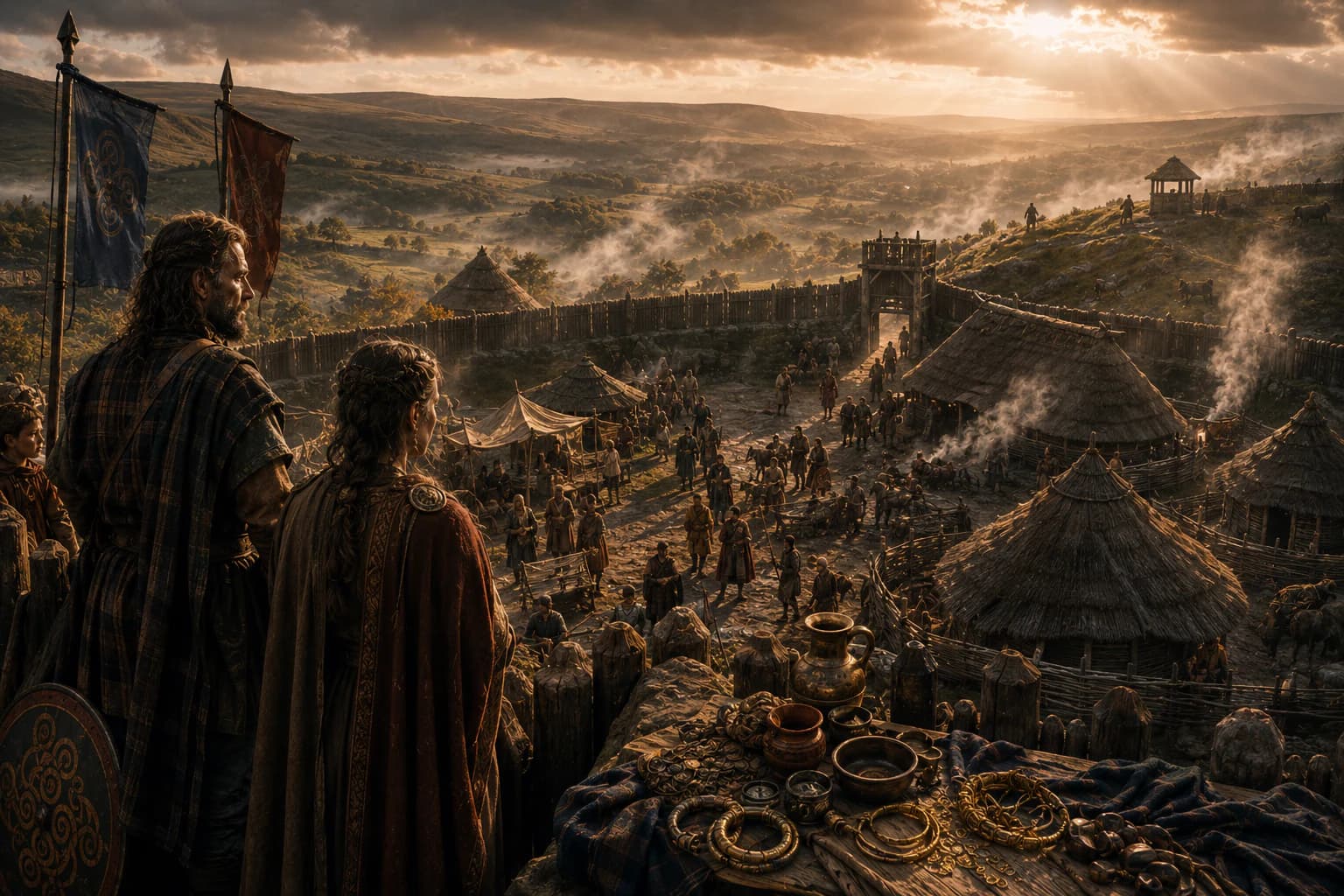
Before Roman conquest, Celtic-speaking peoples lived across a wide and varied European world. They shared traditions of language and art without forming a single nation, and their communities traded, fought and adapted to different landscapes. Archaeology offers a view of this world beyond the accounts left by Greek and Roman writers.
Key forces
- Celtic peoples were never politically unified but were connected across vast distances by shared languages, art traditions, and social structures.
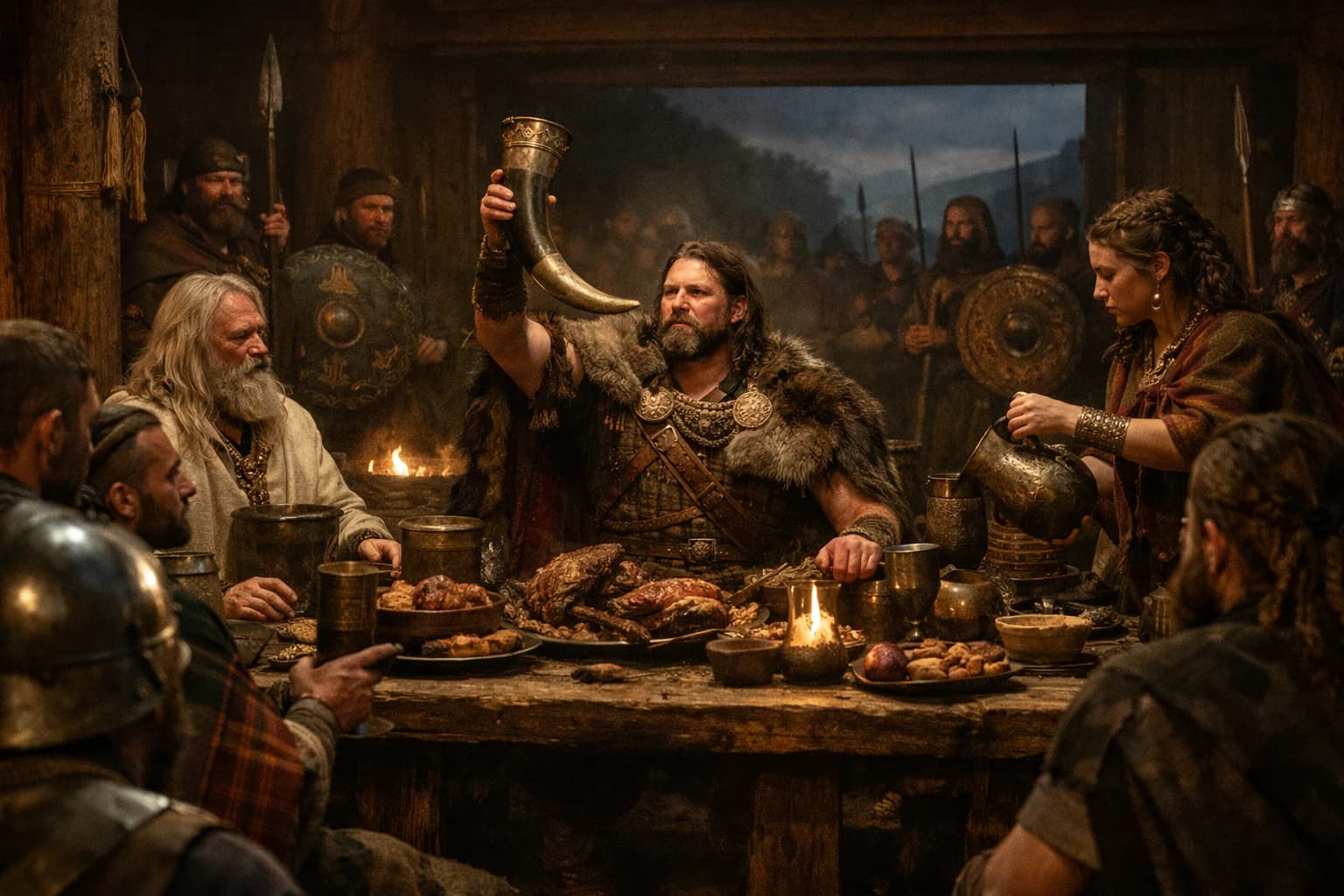
- Celtic societies were organised around competitive tribal hierarchies in which warrior reputation, generosity, and control of prestige goods determined power.
- The Druids served as priests, judges, historians, and teachers, preserving all knowledge orally in a world that deliberately avoided writing.
- Almost everything we know about the Celtic world comes from archaeology and from ancient writers whose accounts were shaped by hostility, misunderstanding, or conquest.