← People

Tiglath-Pileser III

Tiglath-Pileser III was king of Assyria from 745 to 727 BC. His army reforms, provincial administration, deportation policies, and campaigns in Syria, Israel, and Babylonia created the foundations of the Neo-Assyrian Empire.

Died
727 BCE
Role
King of Assyria
Also known as
Tiglath-pileser III, Pul

King of Assyria (745-727 BC)

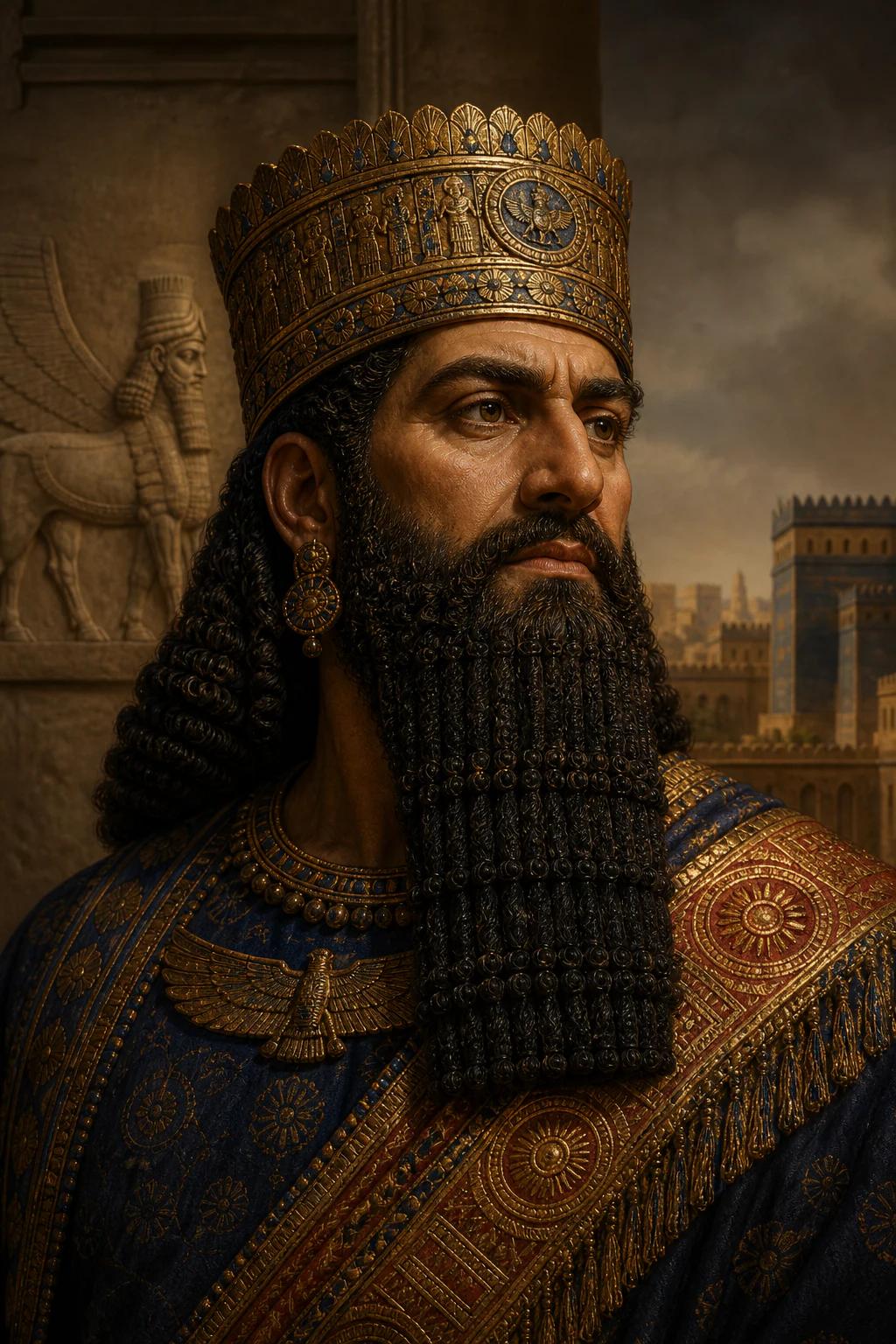
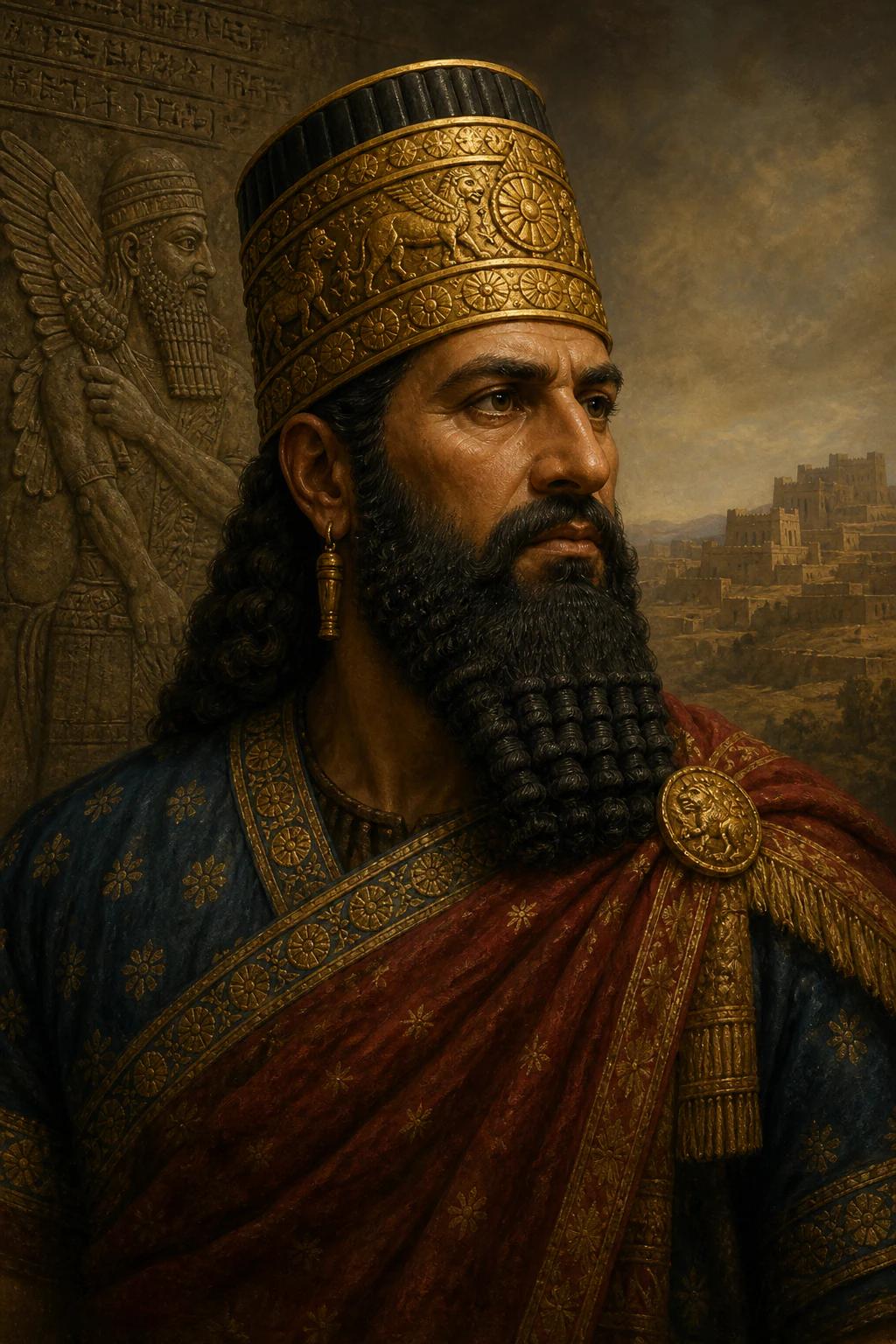
AI-generated portrait of Tiglath-Pileser III in Assyrian royal dress before a fortified city
AI-assisted historical reconstruction

An illustrative reconstruction based on historical context. It is not a photograph or documentary likeness. Image policy

Life Journey

The architect of Assyrian empire

Follow the key events and turning points in this life story.

Complete chronology

8th century BC

Assyria in crisis

Before Tiglath-Pileser III took power, Assyria was formidable but unstable. Royal authority had weakened, provincial magnates had accumulated influence, and enemies around the empire had found room to resist. Urartu challenged Assyria in the north, Aramaean and Neo-Hittite states complicated control in Syria, and Babylonian politics remained difficult in the south. Tiglath-Pileser III's origins are uncertain; he may have seized the throne in a coup, and his relationship to the previous royal line is debated.

745 BC

Seizing the throne

Tiglath-Pileser III's accession marked a hard reset in Assyrian politics. However he came to the throne, he moved decisively to reduce the power of overmighty officials and make the king's authority more immediate. Large provinces were divided into smaller units, governors were made more dependent on the crown, and conquered territories were increasingly turned into Assyrian provinces rather than left as unreliable vassal states. He did not simply want tribute after a campaign; he wanted tax, manpower, intelligence, roads, officials, and a chain of command.

740s BC

A professional war machine

Earlier Assyrian armies had relied heavily on seasonal levies, but Tiglath-Pileser III pushed the military toward a more professional and flexible structure. The army used infantry, cavalry, chariots, engineers, siege specialists, and units drawn from conquered peoples. Deportation was part of this system: populations could be moved, resettled, taxed, and recruited. Assyrian warfare became more regular, more technically sophisticated, and more tightly connected to administration.

743 BC-732 BC

Syria and Israel

Tiglath-Pileser III's western campaigns reshaped the political map of the Levant. He defeated coalitions, imposed tribute, annexed territories, and intervened in local successions. Damascus, long a major Aramaean power, was taken in 732 BC. The northern kingdom of Israel lost territory and population through Assyrian conquest and deportation. Judah under Ahaz sought Assyrian support during the Syro-Ephraimite crisis, a decision remembered in biblical tradition as both political survival and dangerous dependence.

729 BC

King of Babylon

Babylonia was too prestigious and too complicated to be treated like any other conquered region. Its cities possessed ancient religious authority, powerful local identities, and a political culture that Assyrians both admired and feared. In 729 BC Tiglath-Pileser III became king of Babylon under the throne name Pulu. Instead of merely imposing foreign rule, he adopted Babylonian kingship and presented himself within its political language. The arrangement did not solve Assyria's Babylon problem permanently, but it revealed his strategic flexibility.

After 727 BC

Legacy of reform

Tiglath-Pileser III's reign became the model for Neo-Assyrian imperial power. Later kings expanded, embellished, and intensified the system he had rebuilt: direct provincial rule, deportation, professional campaigning, siege warfare, intelligence networks, and royal ideology that presented conquest as divine order. The empire that terrified the ancient Near East in the late eighth and seventh centuries BC was, in large measure, his creation. His legacy is therefore not a single battle or monument, but a method.

Continue in context

Connected stories

Move from the profile into the wider events and settings this figure belongs to.

Keep exploring

Content note

This profile is written for educational use and connects to related Stories of History pages. The main portrait is an AI-assisted historical reconstruction, included as an illustrative aid rather than documentary evidence. Image policy

References

Sources and historical notes

Sources used to check this page, selected recommendations and historical notes.

Sources used

  1. Cambridge University Press, “A Fragmentary Inscription of Tiglath-Pileser III from Nimrud,”

    Presents a scholarly study of a fragmentary royal inscription from the Assyrian capital at Nimrud.

    Open source
  2. Musée du Louvre, “Statue from the Reign of Tiglath-pileser III,”

    Catalogues an object dated to the reign of Tiglath-pileser III.

    Open source
  3. World History Encyclopedia, “Tiglath Pileser III,”

    Surveys his campaigns and the expansion of Assyrian control under his rule.

    Open source

Additional sources and notes

Loading reviewed claim sources...

Our editorial approach · Report a historical error

A monthly route through history

Find out first about the latest published stories, feature notes and occasional Premium offers in one monthly email.