← People

Sundiata Keita

Sundiata Keita was the thirteenth-century Mande ruler remembered as the founder of the Mali Empire after defeating the Sosso ruler Sumanguru Kante at the Battle of Kirina around 1235.

Born
c. 1217 CE
Died
c. 1255 CE
Role
Mansa of Mali
Also known as
Sunjata Keita, Mari Djata
Region
West Africa, Mande heartland, Mali Empire

Founder of Mali (c. 1217-c. 1255)

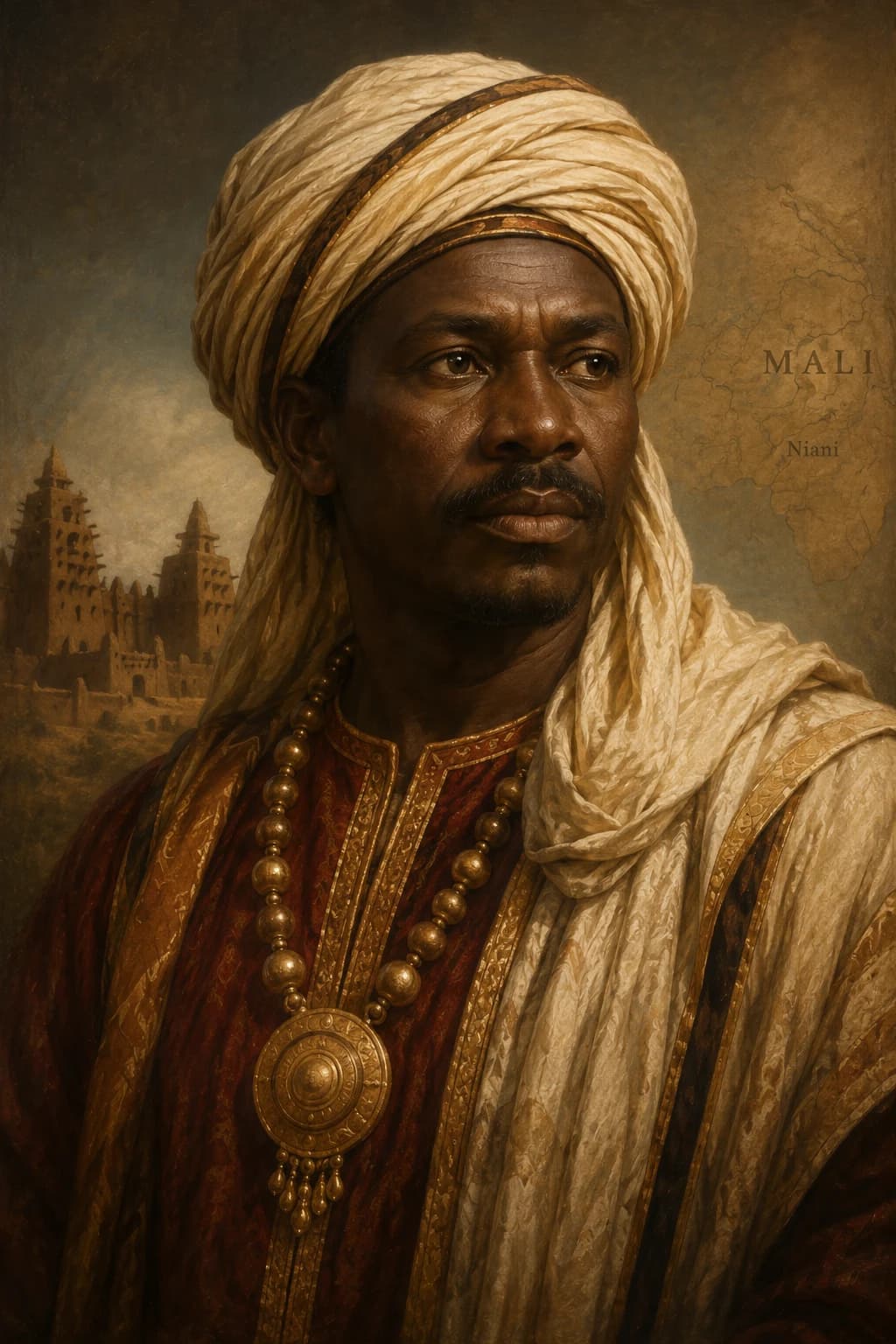
Portrait-style illustration of Sundiata Keita in Malian royal dress before a map and mud-brick city
Life Journey

The remembered founder of Mali

Follow Sundiata from Mande crisis to the victory and settlement that made Mali's imperial order possible.

Complete chronology

early 1200s

Mande crisis

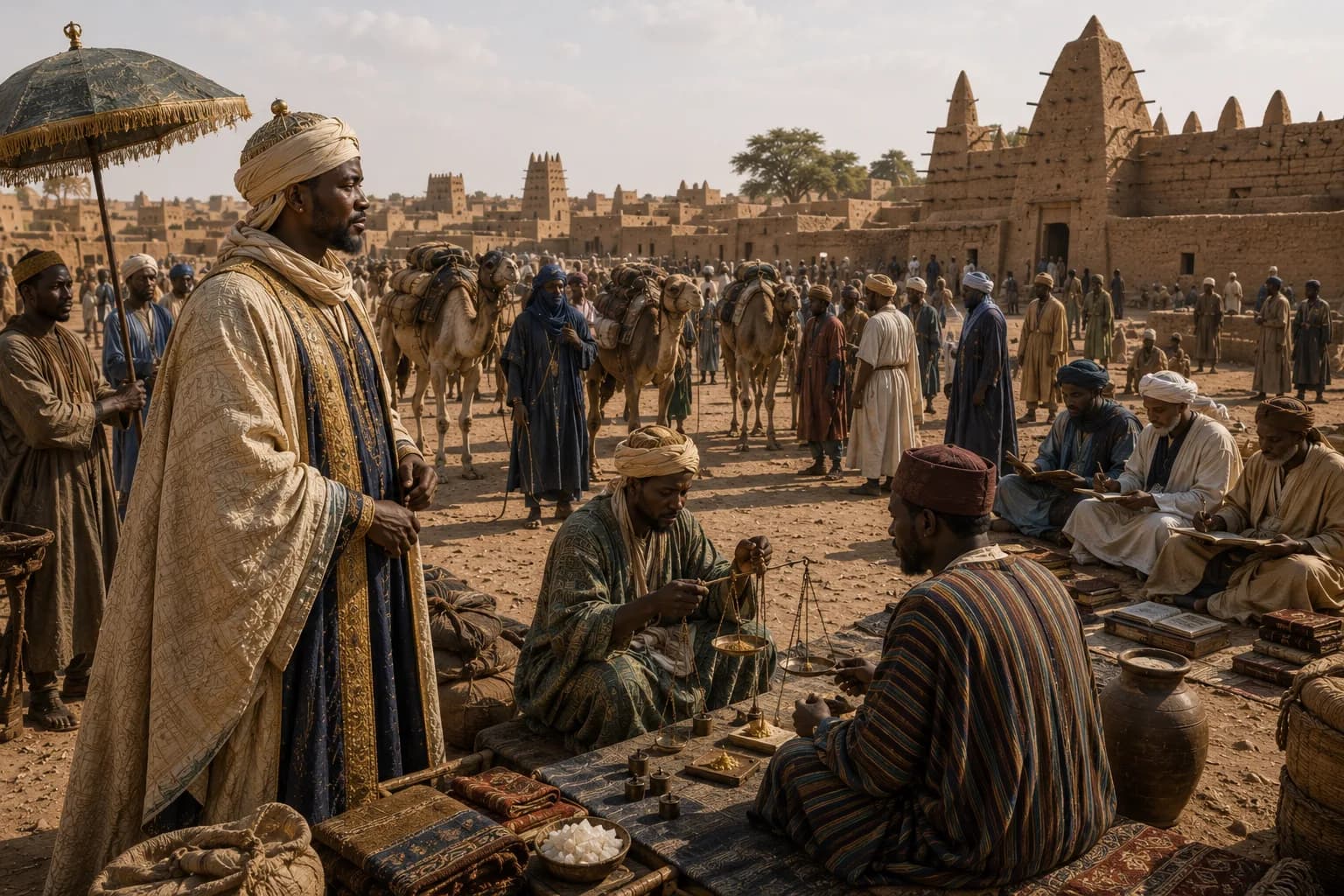
Sundiata Keita belongs to a world preserved through Mande oral tradition as well as later historical reconstruction. The Upper Niger was already tied to farming, gold, trade routes and local political authority. As older regional power weakened, Sosso expansion under Sumanguru Kante created danger for Mande rulers and an opening for a new coalition.
1230s

Coalition builder

The Sundiata traditions present foundation as family drama, exile, return and war. Read carefully, they also show a political achievement: Sundiata gathered allies, commanded warriors and offered a centre around which Mande groups could reorganise. A future empire needed more than personal courage. It needed lineages, tribute, routes and local leaders willing to recognise a new authority.

c. 1235

Kirina

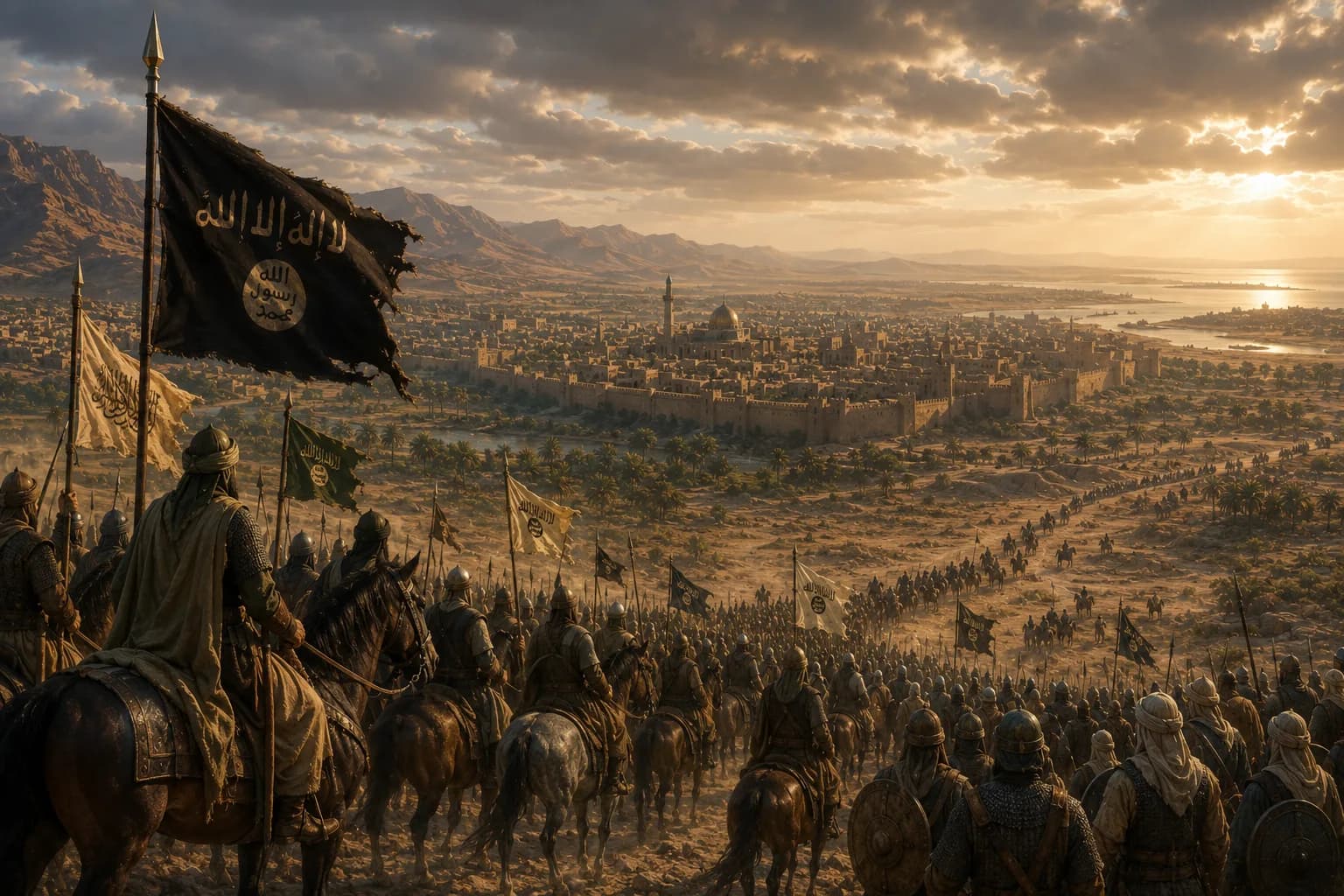
The Battle of Kirina is difficult to reconstruct in modern military detail, but its remembered outcome is decisive. Sumanguru Kante's Sosso authority was broken, and Sundiata's coalition gained the prestige needed to consolidate power across the Mande heartland. The battle gave Mali an origin point, a ruling dynasty and a claim to wider authority.

after 1235

Imperial settlement

Victory did not create a finished state by itself. Sundiata's task after Kirina was to hold together the coalition that had won the battle, reward allies, secure routes and turn military success into lasting authority. Mali's later power rested on this settlement: royal prestige joined to commercial geography, tribute and negotiated local rule.

long-term

Founding memory

Sundiata's significance is inseparable from memory. Griots preserved his story through performance, genealogy and epic tradition, making him more than a name in a succession list. He became the figure through whom Mali explained its origins: a ruler who restored order after crisis and gave a wider Mande world a durable centre of gravity.

Continue in context

Connected stories

Move from the profile into the wider events and settings this figure belongs to.

Keep exploring

Content note

This profile is written for educational use and connects to related Stories of History pages. Visuals are reviewed for educational context and may include historical images, archival material, or interpretive reconstructions. Image policy

References

Sources and historical notes

Sources used to check this page, selected recommendations and historical notes.

Sources used

  1. National Geographic Education, “Sundiata Keita,”

    Introduces the founder of the Mali Empire and the oral epic that preserves his story.

    Open source
  2. The Metropolitan Museum of Art, “The Empires of the Western Sudan,”

    Explains the Saharan trade and regional balance of power in which the Mali Empire emerged.

    Open source
  3. World History Encyclopedia, “Mali Empire,”

    Surveys Sundiata’s role in founding Mali and identifies the oral tradition behind accounts of his early life.

    Open source

Additional sources and notes

Loading reviewed claim sources...

Our editorial approach · Report a historical error

A monthly route through history

Find out first about the latest published stories, feature notes and occasional Premium offers in one monthly email.