← People

Ratko Mladic

Ratko Mladic was a Bosnian Serb military commander convicted of genocide, crimes against humanity, and war crimes for his role in the Bosnian War. He died in 2026.

Born
1942 CE
Died
2026 CE
Role
Bosnian Serb military commander
Also known as
General Ratko Mladic, Mladic

Bosnian Serb military commander (1942-2026)

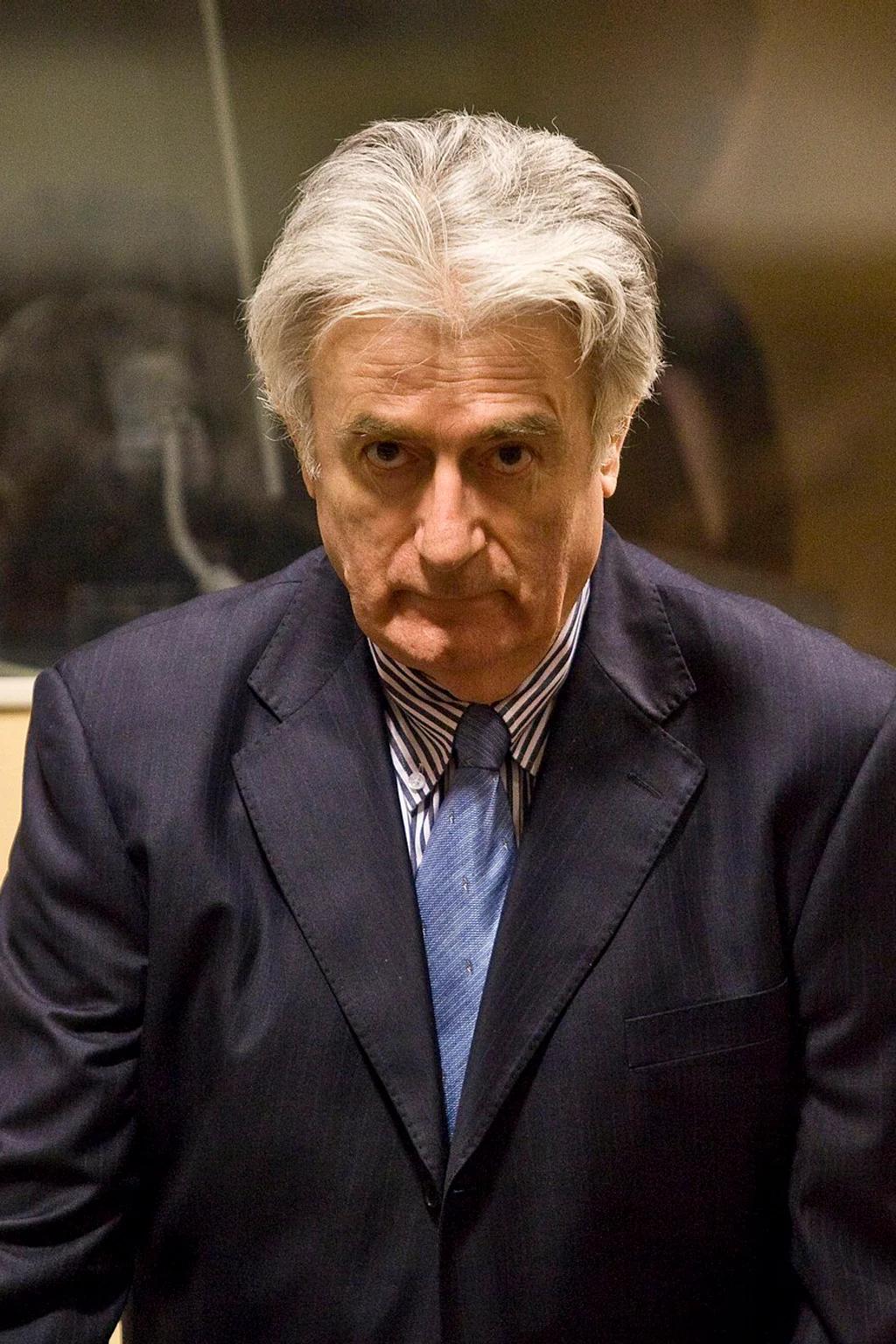
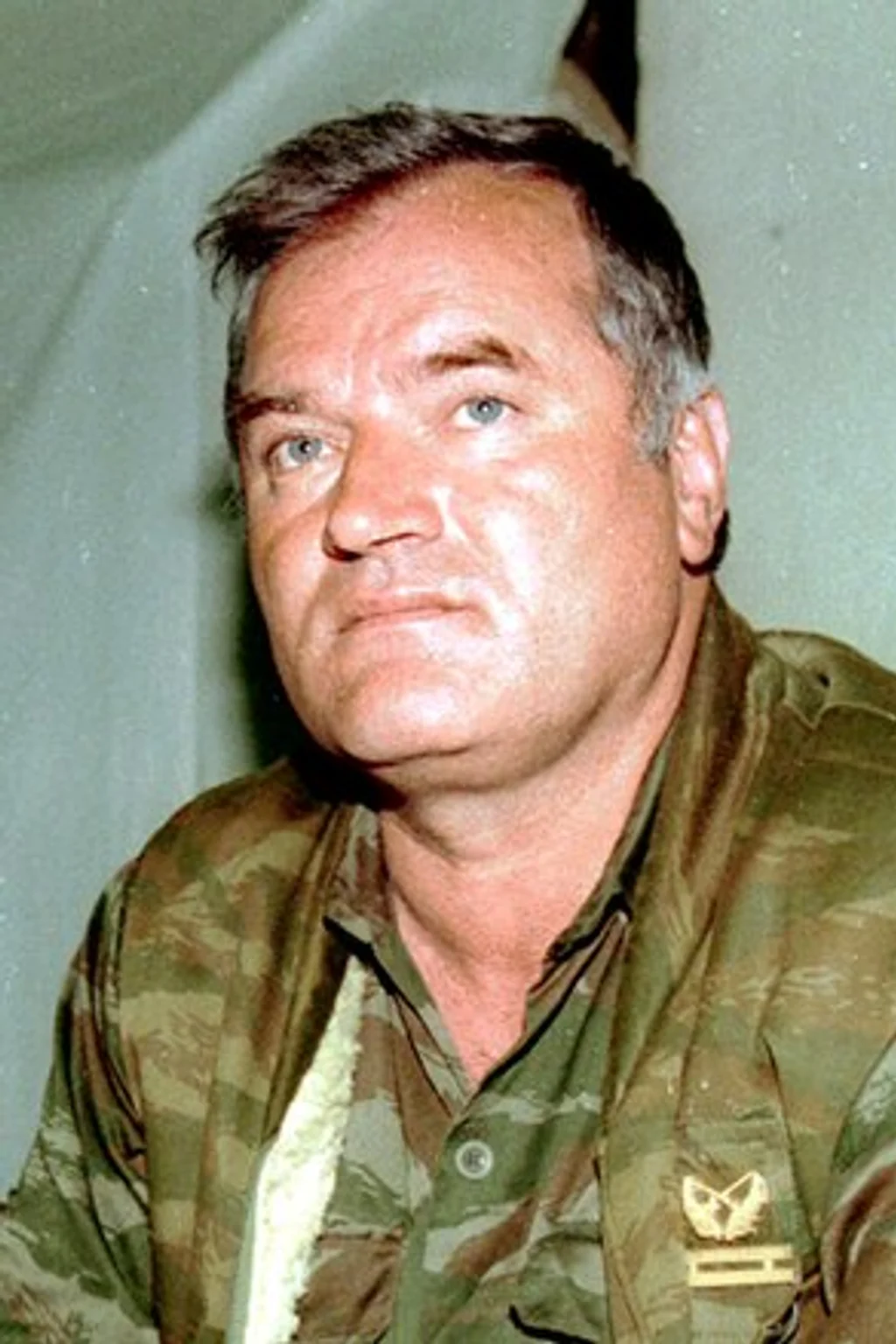
Portrait photograph of Ratko Mladic
Licensed archival image

A real historical or editorial image is used here. Source, licence and transformation details are publicly recorded. Image policy Attribution

Life Journey

Why Ratko Mladic matters

Follow the key events and turning points in this life story.

Complete chronology

1942

Origins

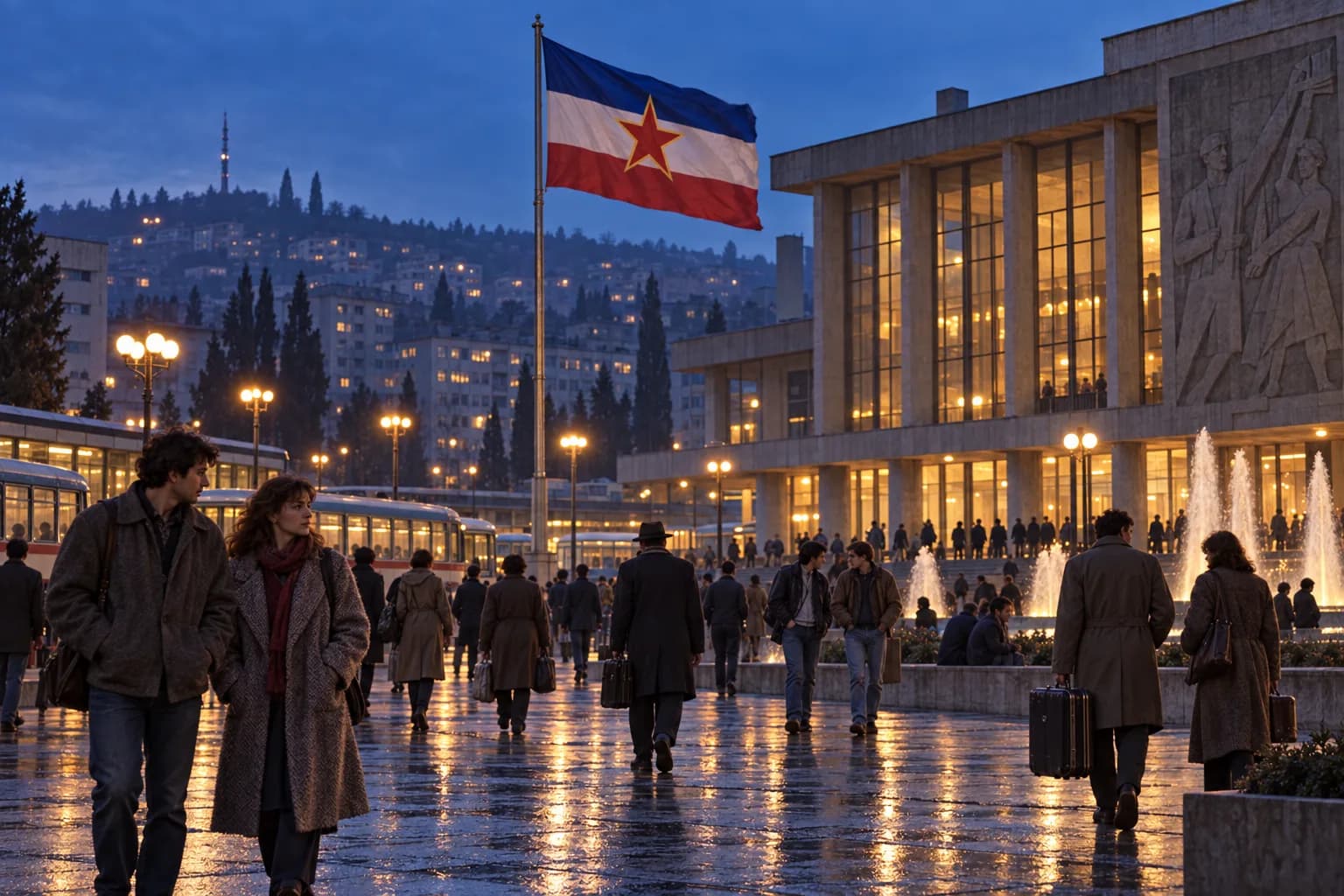
Ratko Mladic was born in Bosnia in 1942, during the Axis occupation and civil violence that scarred Yugoslav memory. He later entered the Yugoslav People's Army, the federal military institution meant to defend a shared socialist state. That background matters because Mladic's later career unfolded inside the collapse of the very army and country that had trained him. A force created for Yugoslav unity became one of the instruments through which Yugoslavia came apart.

1960s-1991

Yugoslav army officer

Mladic spent decades as a professional officer in the Yugoslav People's Army. The army presented itself as multiethnic and federal, but by the late 1980s and early 1990s its senior structure increasingly aligned with Serbian political interests. As Slovenia and Croatia moved toward independence, the army's claim to represent all Yugoslavs became harder to sustain. Mladic's military rise therefore belonged to a larger transformation: officers who had served a federation found themselves commanding in wars over its remains.

1992-1995

Bosnian War command

In 1992, Mladic became commander of the Main Staff of the Army of Republika Srpska. Bosnian Serb forces, backed by military resources inherited from the Yugoslav army and supported from Serbia, pursued territorial control in a republic where communities were deeply intermingled. The strategy depended not only on battlefield victory but on forcing non-Serb populations from areas claimed for a Serb entity. Mladic's command made him central to the violence that turned Bosnia into the most devastating war of Yugoslavia's breakup.

1992-1995

Sarajevo and Srebrenica

Mladic's forces were central to two defining crimes of the Bosnian War. Around Sarajevo, Bosnian Serb positions subjected civilians to years of shelling and sniper fire. In July 1995, after Bosnian Serb forces took Srebrenica, more than 8,000 Bosniak men and boys were murdered. International courts later ruled the massacre genocide. Mladic's role matters because these events became proof that Yugoslavia's collapse was not only a political failure, but a human catastrophe carried out through organized command.

2011-2026

Trial, conviction, and death

Mladic was indicted in 1995 but avoided arrest for years. Serbian authorities arrested him in 2011 and transferred him to The Hague. In 2017, the International Criminal Tribunal for the former Yugoslavia convicted him of genocide, crimes against humanity, and violations of the laws or customs of war, sentencing him to life imprisonment. The appeals judgement in 2021 upheld the life sentence. He died in 2026 while serving that sentence. His conviction did not undo the harm, but it placed command responsibility and mass atrocity at the centre of how the breakup of Yugoslavia is remembered.

Continue in context

Connected stories

Move from the profile into the wider events and settings this figure belongs to.

Keep exploring

Content note

This profile is written for educational use and connects to related Stories of History pages. The main portrait uses a real historical or editorial image, with source and licence details recorded for attribution review. Image policy Image attribution

References

Sources and historical notes

Sources used to check this page, selected recommendations and historical notes.

Sources used

  1. UN International Residual Mechanism for Criminal Tribunals, “Ratko Mladić: Case Record,”

    The trial and appeal outcomes, including the life sentence upheld in 2021.

    Open source
  2. UN International Residual Mechanism for Criminal Tribunals, “Further Update Following the Passing of Mr. Ratko Mladić,”

    Official confirmation that he died in hospital in The Hague on 27 August 2026.

    Open source
  3. Reuters, “Ratko Mladic, former general convicted of Bosnia genocide, dies,”

    Reporting on his wartime command, convictions and death in custody.

    Open source

Additional sources and notes

Loading reviewed claim sources...

Our editorial approach · Report a historical error

A monthly route through history

Find out first about the latest published stories, feature notes and occasional Premium offers in one monthly email.