← People

Margaret of Anjou

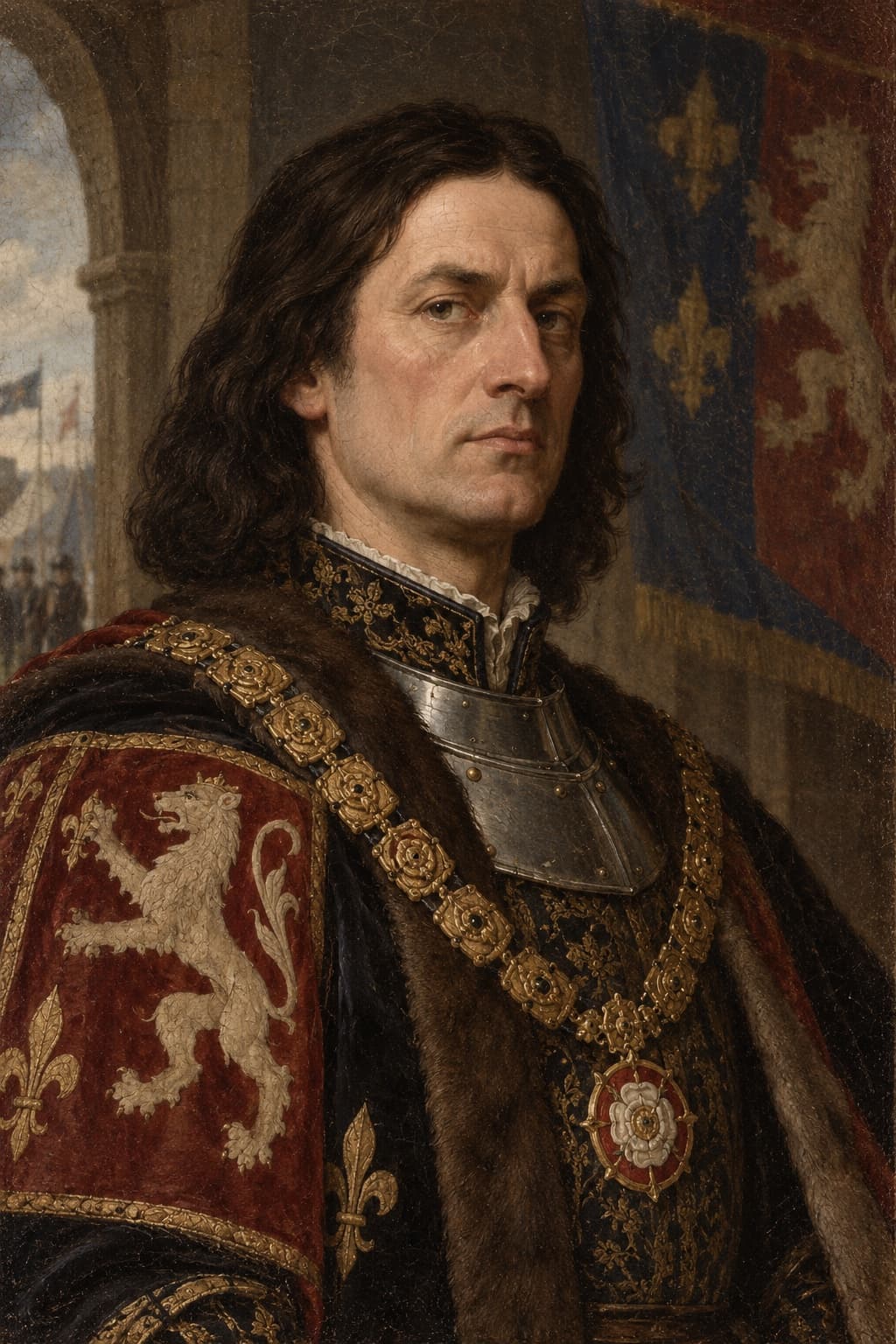
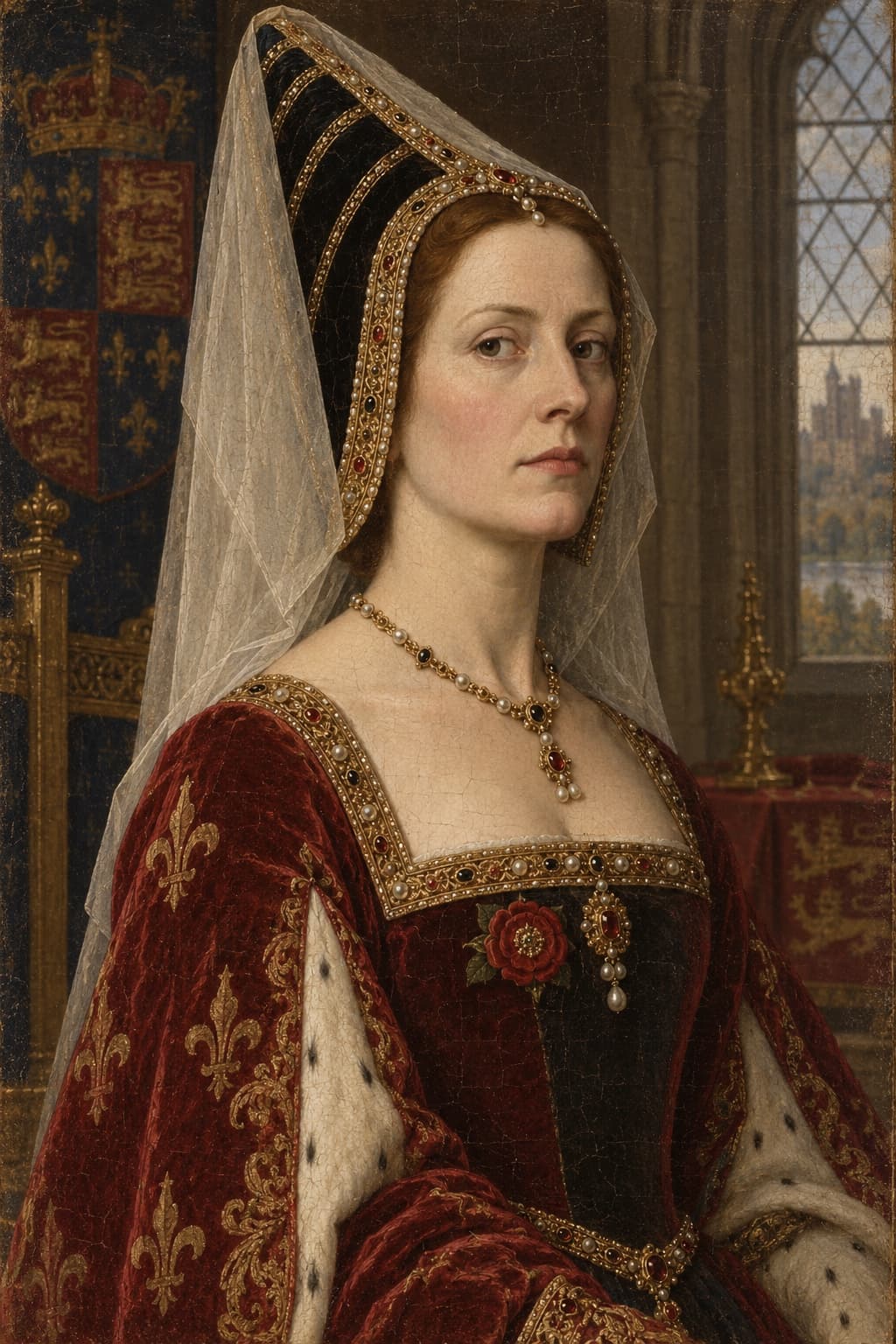
Margaret of Anjou was queen of England as the wife of Henry VI. She defended the Lancastrian succession during the Wars of the Roses, lost her son Edward at Tewkesbury, and spent her later years in France.

Born
1430 CE
Died
1482 CE
Role
Queen consort of England
Also known as
Queen Margaret

Queen of England and Lancastrian leader (1430–1482)

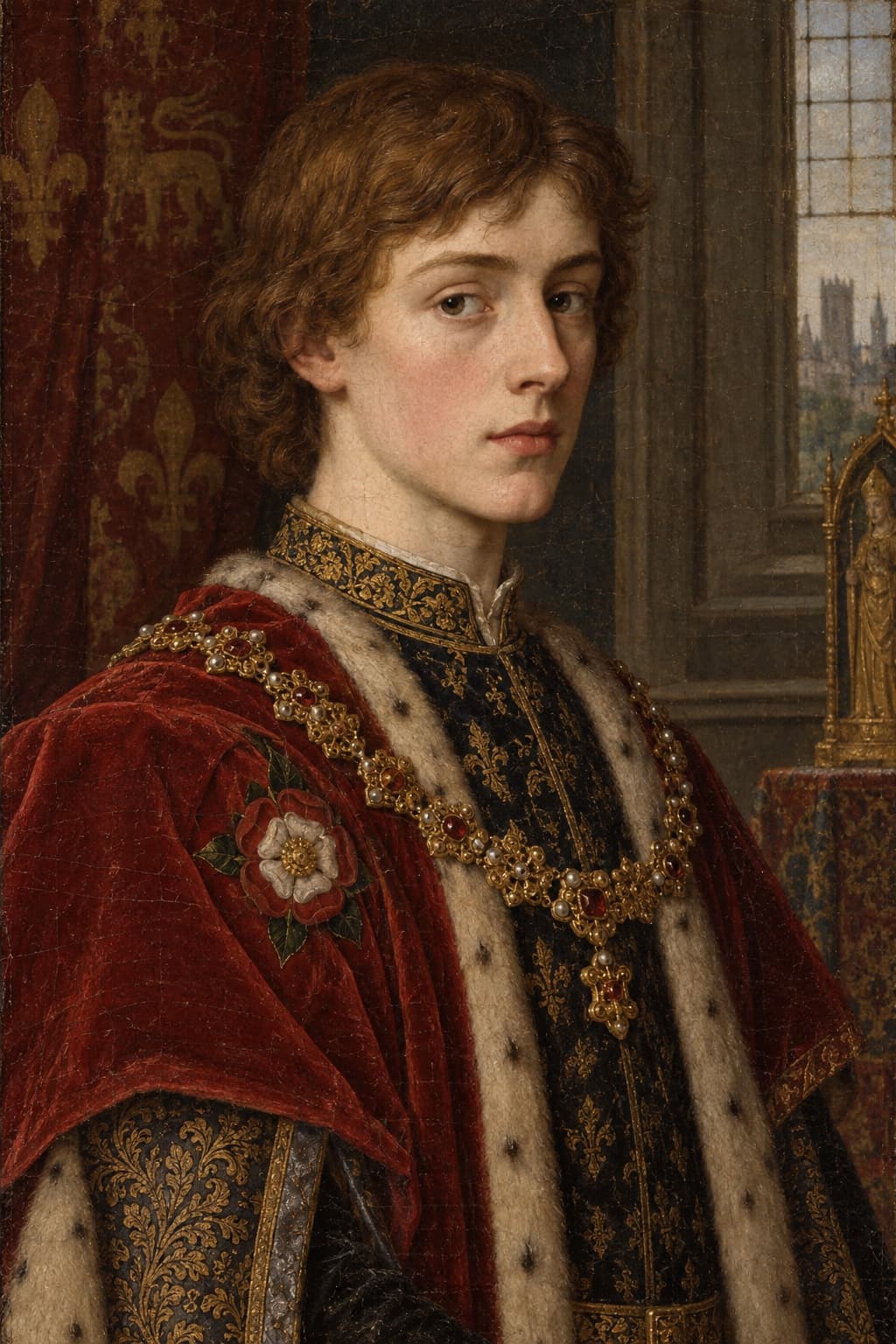
AI-generated late-medieval panel portrait of Margaret of Anjou
Life Journey

The queen who fought for Lancaster

Follow Margaret's life from a dynastic marriage to exile after the Lancastrian defeat.

Complete chronology

1430–1445

A Valois princess

Margaret was born in 1430, the daughter of René of Anjou and Isabella, Duchess of Lorraine. Her 1445 marriage to Henry VI was part of diplomacy during the Hundred Years' War. The settlement's concessions in France later became a source of criticism in England.
1445–1453

Queen in a fragile court

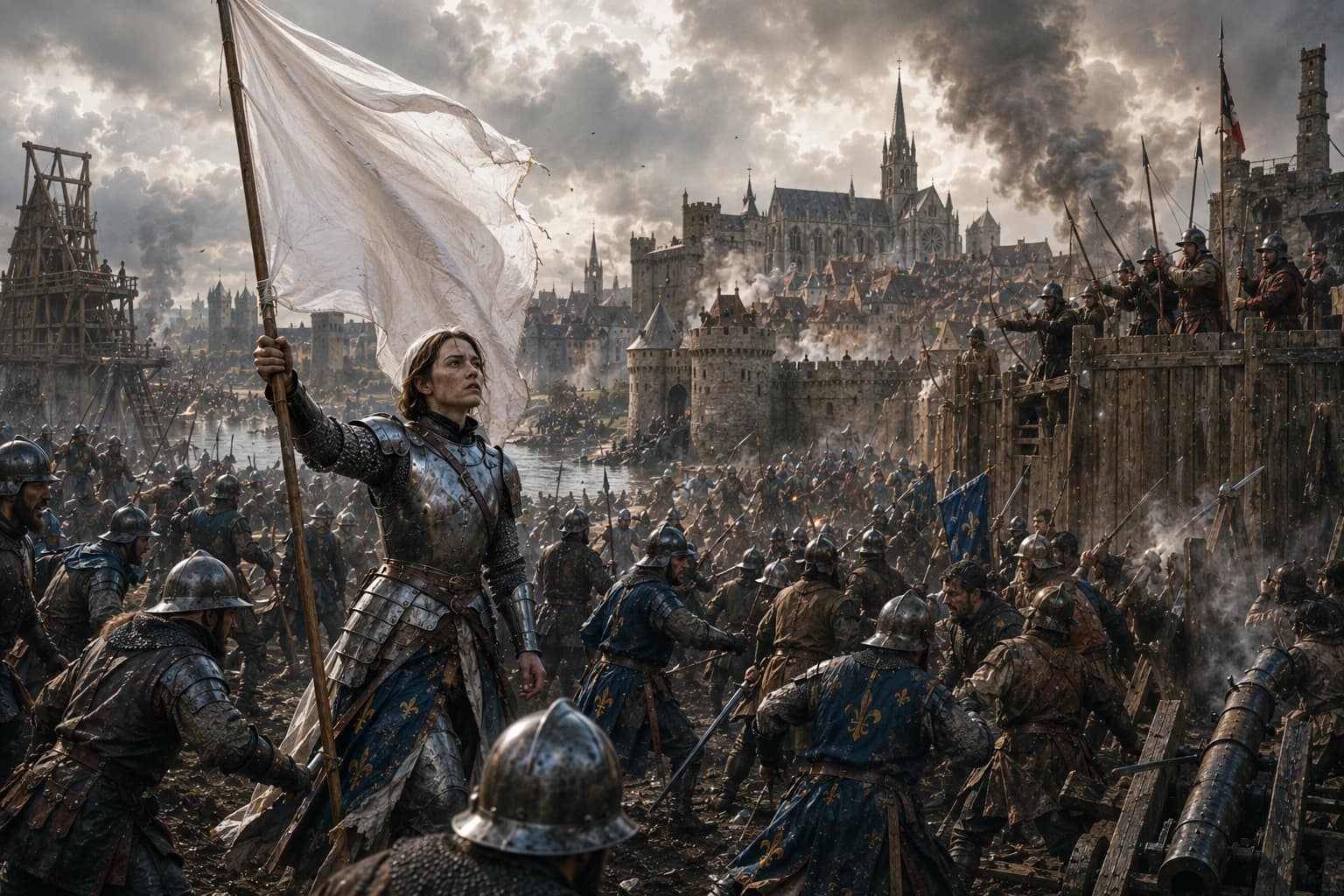
Henry's preference for peace and the collapse of English power in France damaged the standing of his government. Margaret became more politically active as factions competed for access to the king. Her determination was interpreted by supporters as necessary leadership and by opponents as evidence of foreign influence.

1453

Mother of an heir

Edward of Westminster was born in 1453 during Henry VI's prolonged incapacity. The prince gave the Lancastrian dynasty a direct heir and complicated Richard of York's position as protector and senior adult royal. Margaret's political priorities increasingly centred on safeguarding her son's inheritance.

1455–1461

Leading Lancastrian resistance

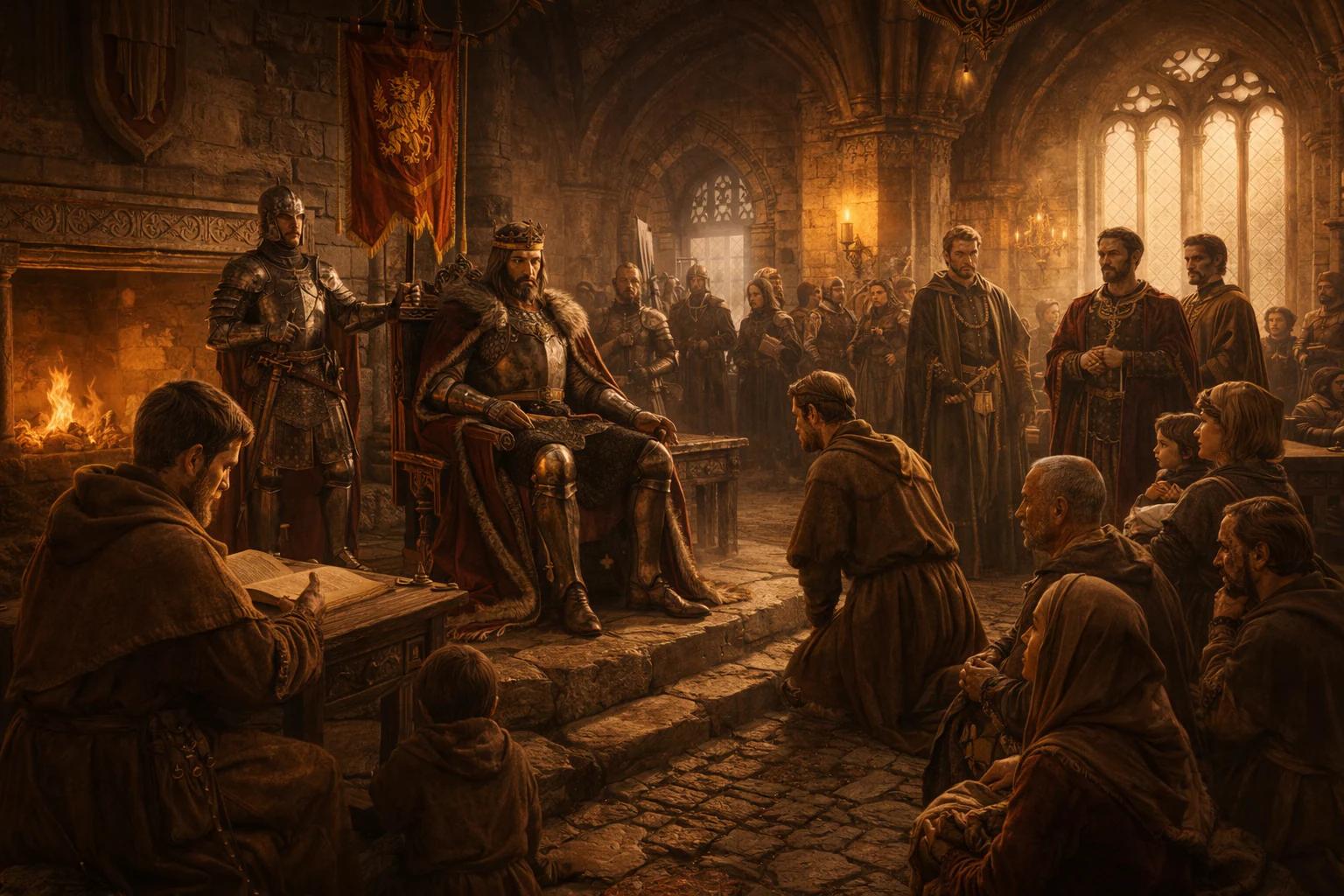
Margaret became the most persistent organiser of the Lancastrian cause. She built alliances in England and Scotland and sought military support as control of the king shifted between factions. The Yorkist victory at Towton in 1461 forced her, Henry and Edward into exile.

1461–1471

An unlikely alliance

Margaret sought support abroad while the Lancastrian claim remained under pressure. In 1470, Warwick and George, Duke of Clarence, joined her in an alliance against Edward IV. Henry VI was restored briefly, but Edward returned the next year. Margaret and Edward landed in England as the Lancastrian position collapsed.

1471–1482

Tewkesbury and captivity

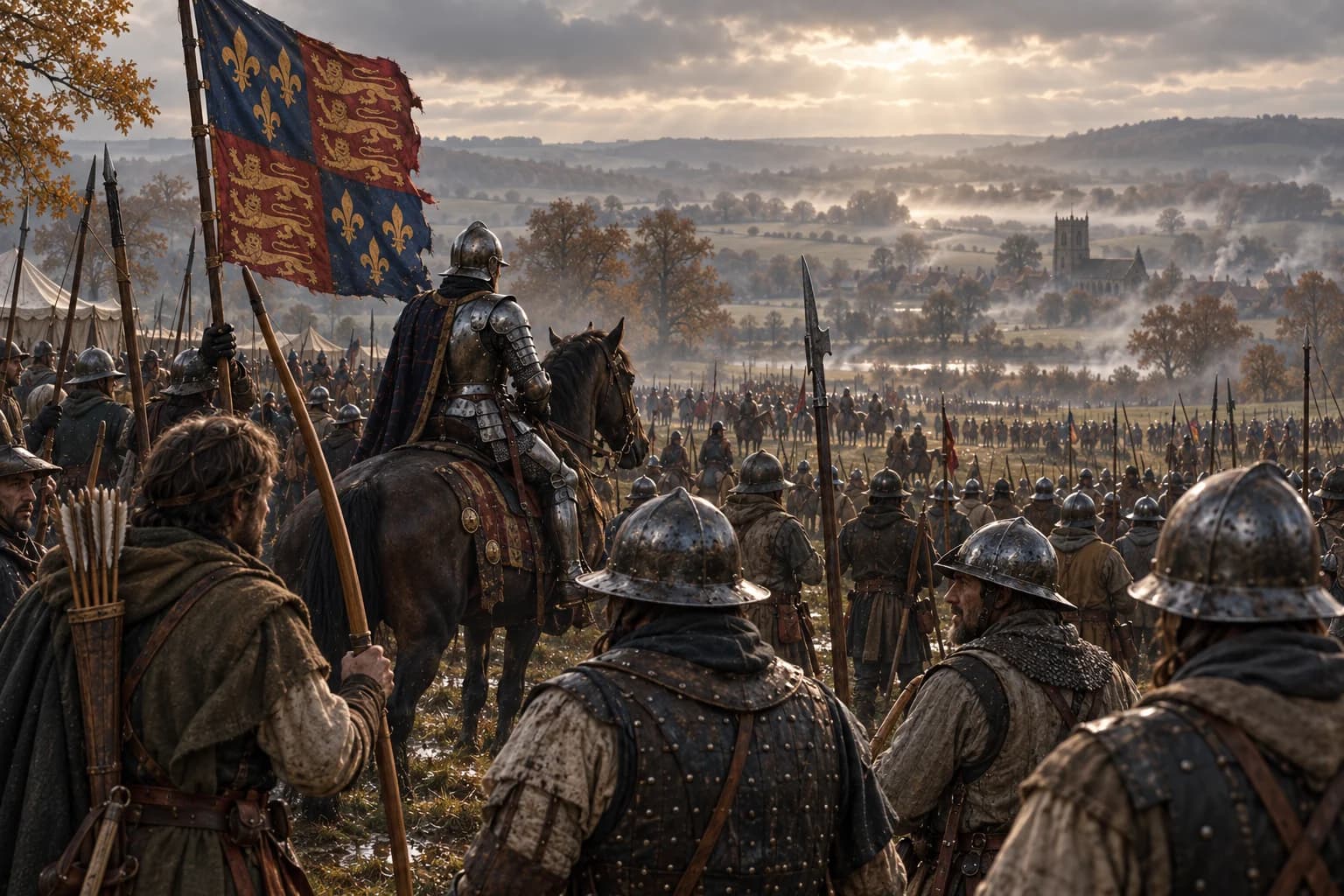
Edward of Westminster died during or soon after the Battle of Tewkesbury in May 1471. Margaret was captured, and Henry VI died in the Tower soon afterwards. She remained in English custody until Louis XI arranged her release in 1475. Margaret spent her final years in France, where she died in 1482.

Continue in context

Connected stories

Move from the profile into the wider events and settings this figure belongs to.

Keep exploring

Content note

This profile is written for educational use and connects to related Stories of History pages. Visuals are reviewed for educational context and may include historical images, archival material, or interpretive reconstructions. Image policy

References

Sources and historical notes

Sources used to check this page, selected recommendations and historical notes.

Sources used

  1. Queens’ College, Cambridge, “Margaret of Anjou,”

    Margaret’s marriage to Henry VI, political role and founding patronage of Queens’ College.

    Open source
  2. Historic Royal Palaces, “Henry VI: England’s Youngest Monarch,”

    Henry VI’s reign and Margaret’s defence of the Lancastrian cause.

    Open source
  3. Historic England, “Battle of Tewkesbury, 1471,”

    The defeat of Margaret’s army and the death of her son Edward.

    Open source

Additional sources and notes

Loading reviewed claim sources...

Our editorial approach · Report a historical error

A monthly route through history

Find out first about the latest published stories, feature notes and occasional Premium offers in one monthly email.