← People

Archimedes

Archimedes of Syracuse was a Greek mathematician, engineer, and inventor born around 287 BC. He advanced geometry, mechanics, hydrostatics, and siege engineering, and died during the Roman capture of Syracuse in 212 BC.

Born
c. 287 BCE
Died
212 BCE
Role
Mathematician and engineer
Full name
Archimedes of Syracuse
Region
Sicily, Greek world, Syracuse

Greek mathematician and engineer (c. 287 BC-212 BC)

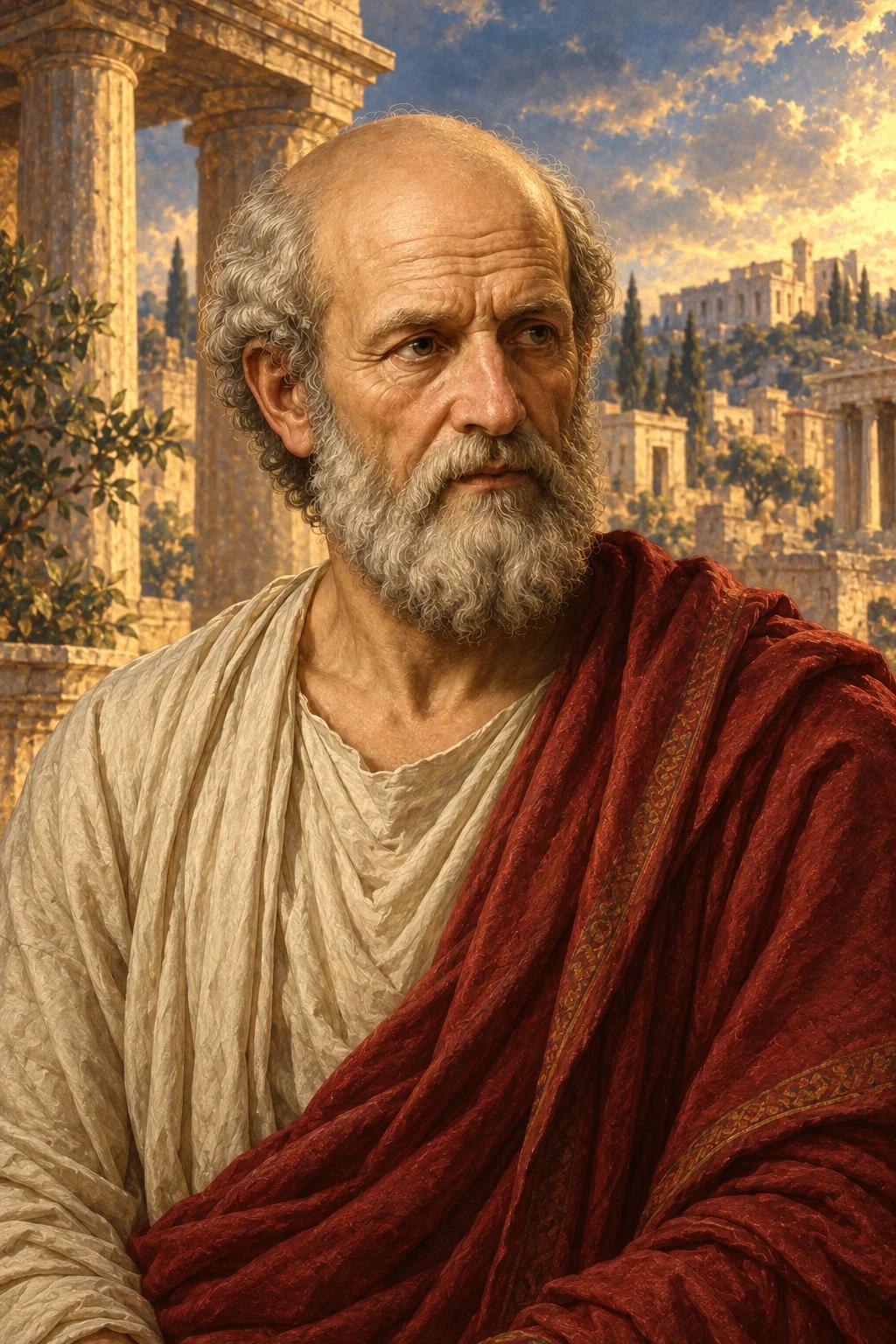
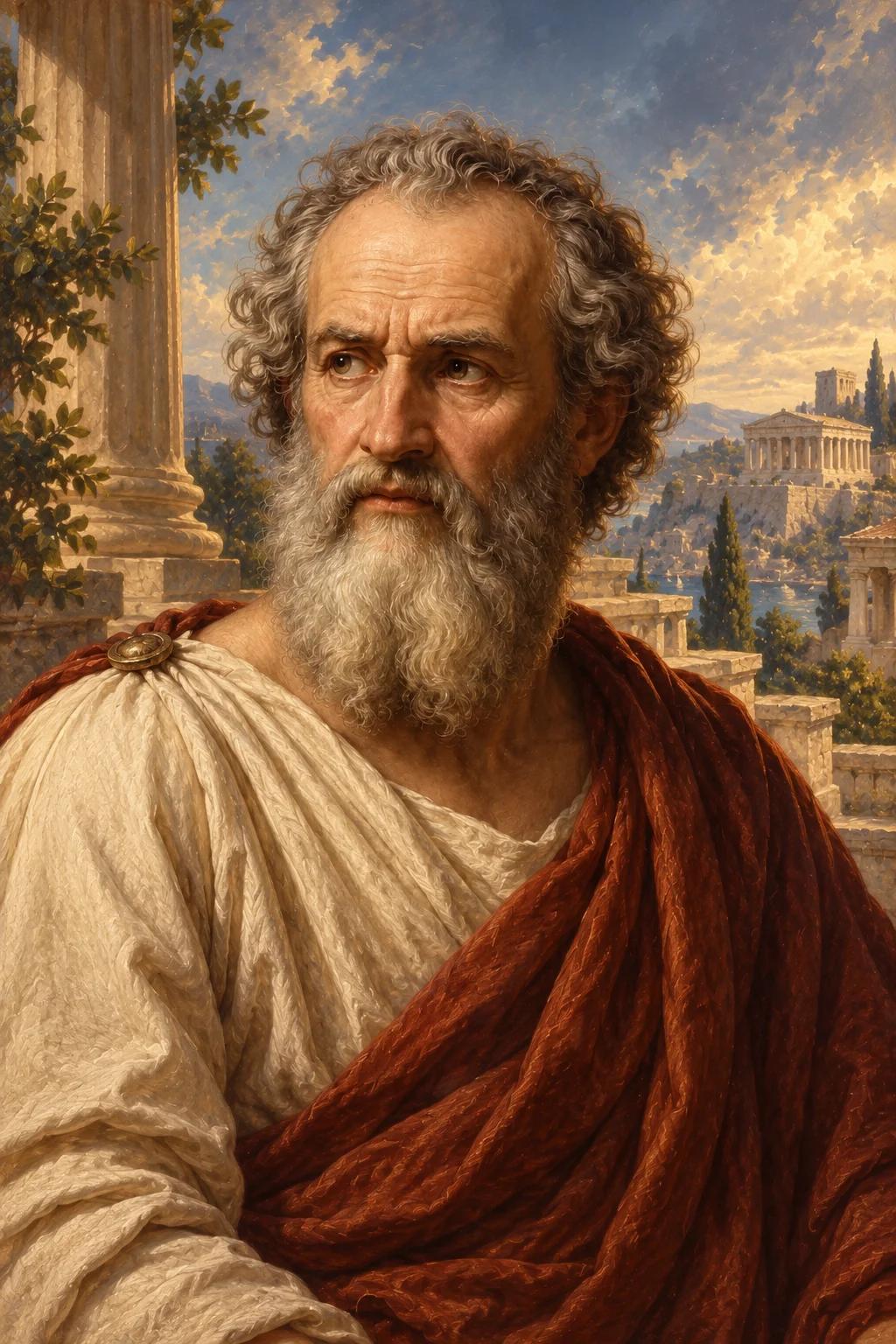
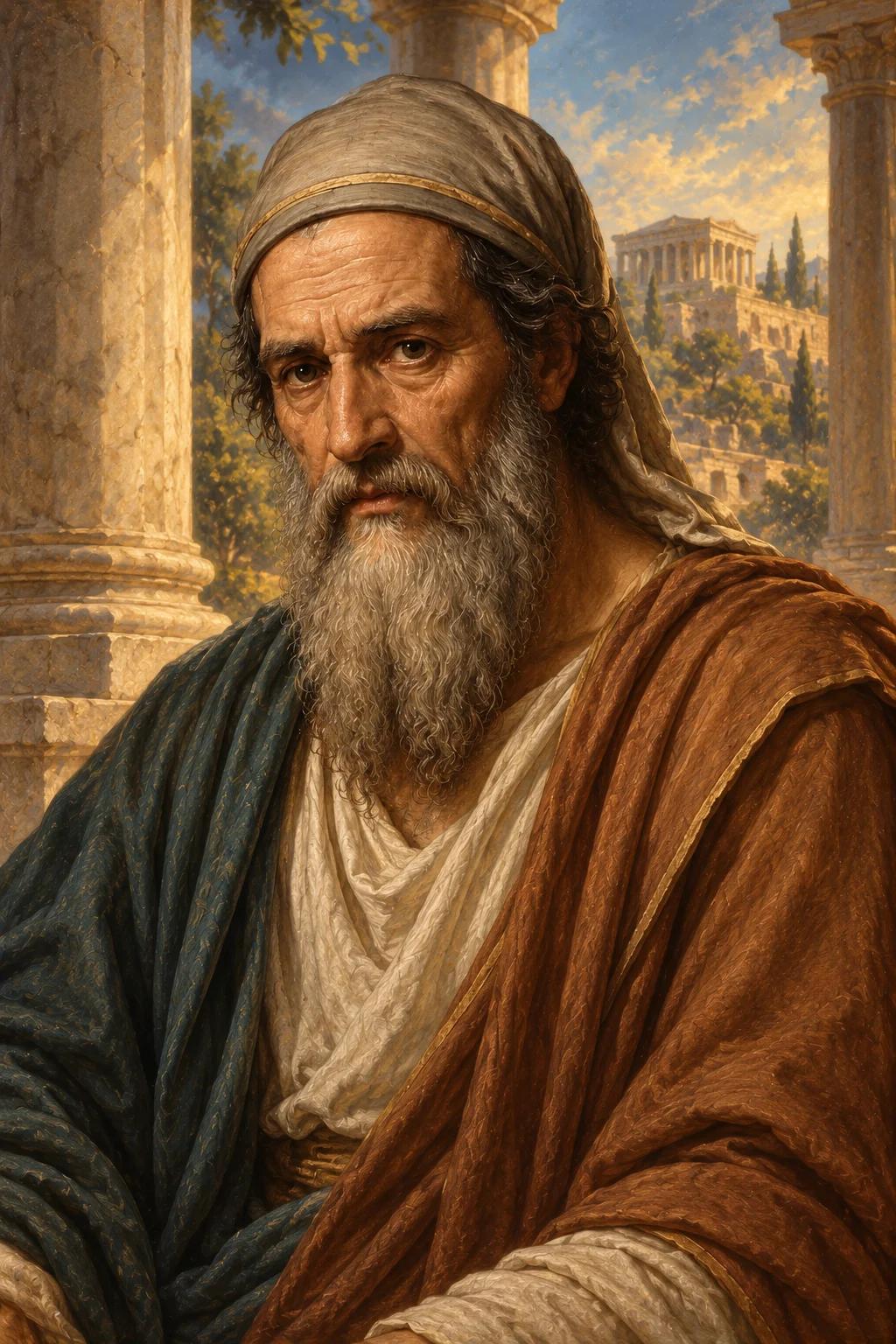
AI-assisted painted reconstruction of Archimedes
AI-assisted historical reconstruction

An illustrative reconstruction based on historical context. It is not a photograph or documentary likeness. Image policy Attribution

Life Journey

Mathematics, machines, and the defence of Syracuse

Follow Archimedes through geometry, mechanics, and the Roman siege of his city.

Complete chronology

c. 287 BC

Syracusan world

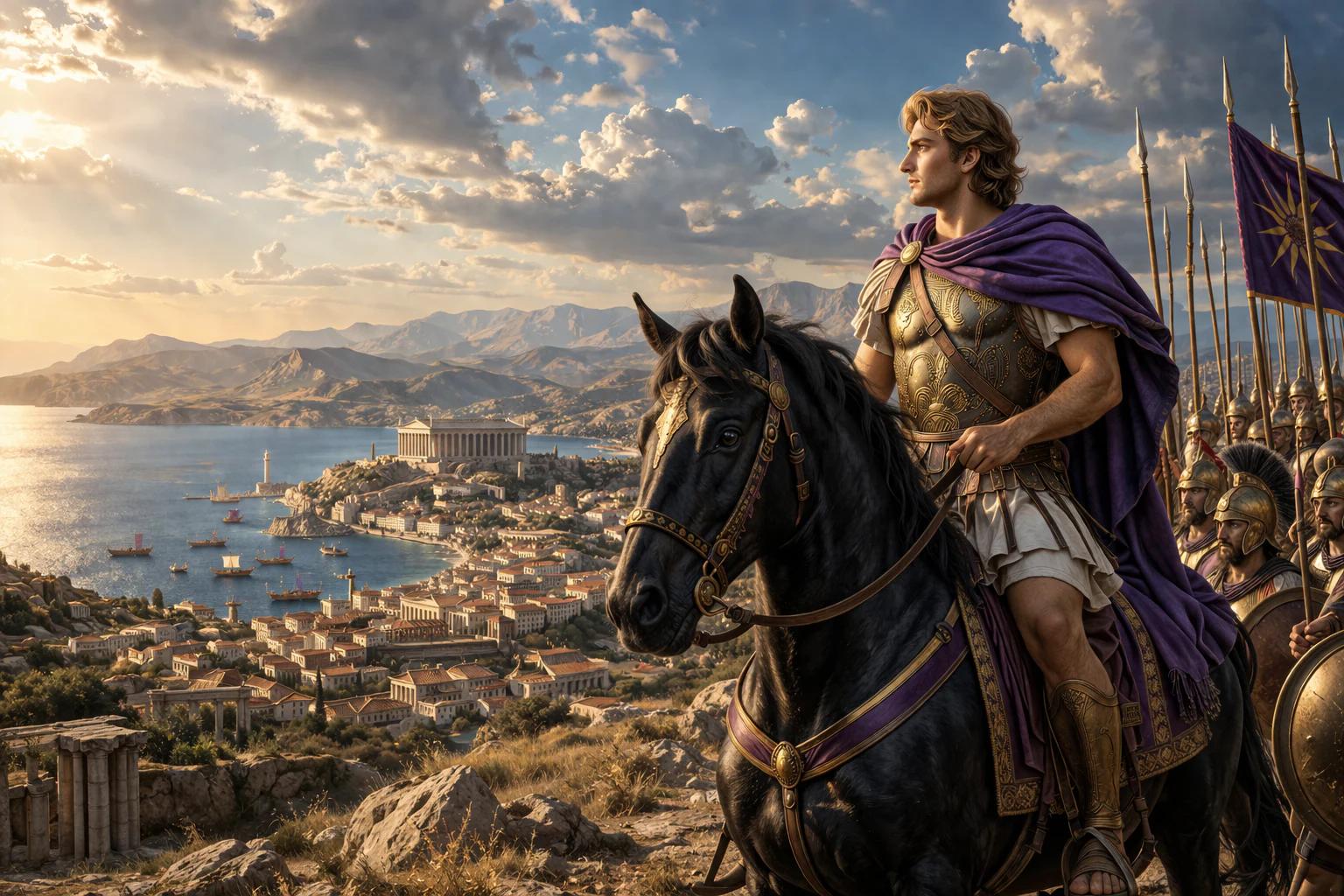
Archimedes lived in Syracuse, a powerful Greek city on Sicily. The city stood between Greek, Carthaginian, and Roman worlds, and its political position made technical skill useful as well as admired. Ancient tradition links Archimedes with study in Alexandria, though the details are uncertain. What is clear is that his work belonged to a Hellenistic culture where mathematics, mechanics, astronomy, and engineering could reinforce one another.
third century BC

Geometry and measurement

Archimedes's mathematical writings show extraordinary control of measurement and proof. He approximated pi, explored areas and volumes, and treated the sphere and cylinder with special pride. His methods sometimes anticipated later ideas about limits by comparing figures through exhaustion. He was not simply solving isolated puzzles. He was expanding what Greek geometry could measure.

third century BC

Mechanics and buoyancy

Archimedes became famous for applying mathematics to mechanics. His work on levers and centers of gravity helped turn physical problems into geometrical ones. The principle of buoyancy associated with him explained why objects float or sink according to displaced fluid. Later stories about a royal crown and a sudden discovery in the bath may be embellished, but they preserve a real memory: Archimedes made nature intelligible through measurement.

214-212 BC

Siege of Syracuse

When Rome besieged Syracuse during the Second Punic War, Archimedes became part of the city's defensive memory. Ancient accounts describe cranes, catapults, and devices that disrupted Roman attacks. Some details may be dramatized, but the broader point is credible: his engineering skill mattered in war. Syracuse eventually fell in 212 BC, and Archimedes was killed during the Roman sack despite orders that he be spared. His death became a symbol of fragile knowledge in a violent world.

Continue in context

Connected stories

Move from the profile into the wider events and settings this figure belongs to.

Keep exploring

Content note

This profile is written for educational use and connects to related Stories of History pages. The main portrait is an AI-assisted historical reconstruction, included as an illustrative aid rather than documentary evidence. Image policy Image attribution

References

Sources and historical notes

Sources used to check this page, selected recommendations and historical notes.

Sources used

  1. MacTutor, University of St Andrews, “Archimedes,”

    Surveys his surviving mathematical work, including geometry and the study of floating bodies.

    Open source
  2. PBS NOVA, “Inside the Archimedes Palimpsest,”

    Explains how researchers recovered mathematical writing preserved beneath a later manuscript.

    Open source
  3. Museo Galileo, “Archimedes,”

    Summarises his work on mechanics and hydrostatics and discusses the inventions attributed to him.

    Open source

Additional sources and notes

Loading reviewed claim sources...

Our editorial approach · Report a historical error

A monthly route through history

Find out first about the latest published stories, feature notes and occasional Premium offers in one monthly email.