This story discusses violence, persecution, mass death, and human suffering in an educational historical context.
Reading mode
Accessible gives a lighter overview. Deep Dive tells the fuller story.
Quick Answers
How did the United States change after 9/11?
After the September 11 attacks, the United States reshaped security, foreign policy, surveillance, immigration politics, and public life around the War on Terror. The invasions of and , new homeland security powers, and later withdrawal from defined the era.
At a glance
Date range: 2001 to 2021.
After 9/11, the United States launched the War on Terror, invaded and , expanded surveillance and homeland security, and entered a long era of costly war and deep political division.
The September 11 attacks shattered the belief that the United States was secure from major foreign attack on its own soil.
answered with a global War on Terror that combined military intervention, intelligence expansion, and new domestic security powers.
Common questions
What happened on September 11, 2001?
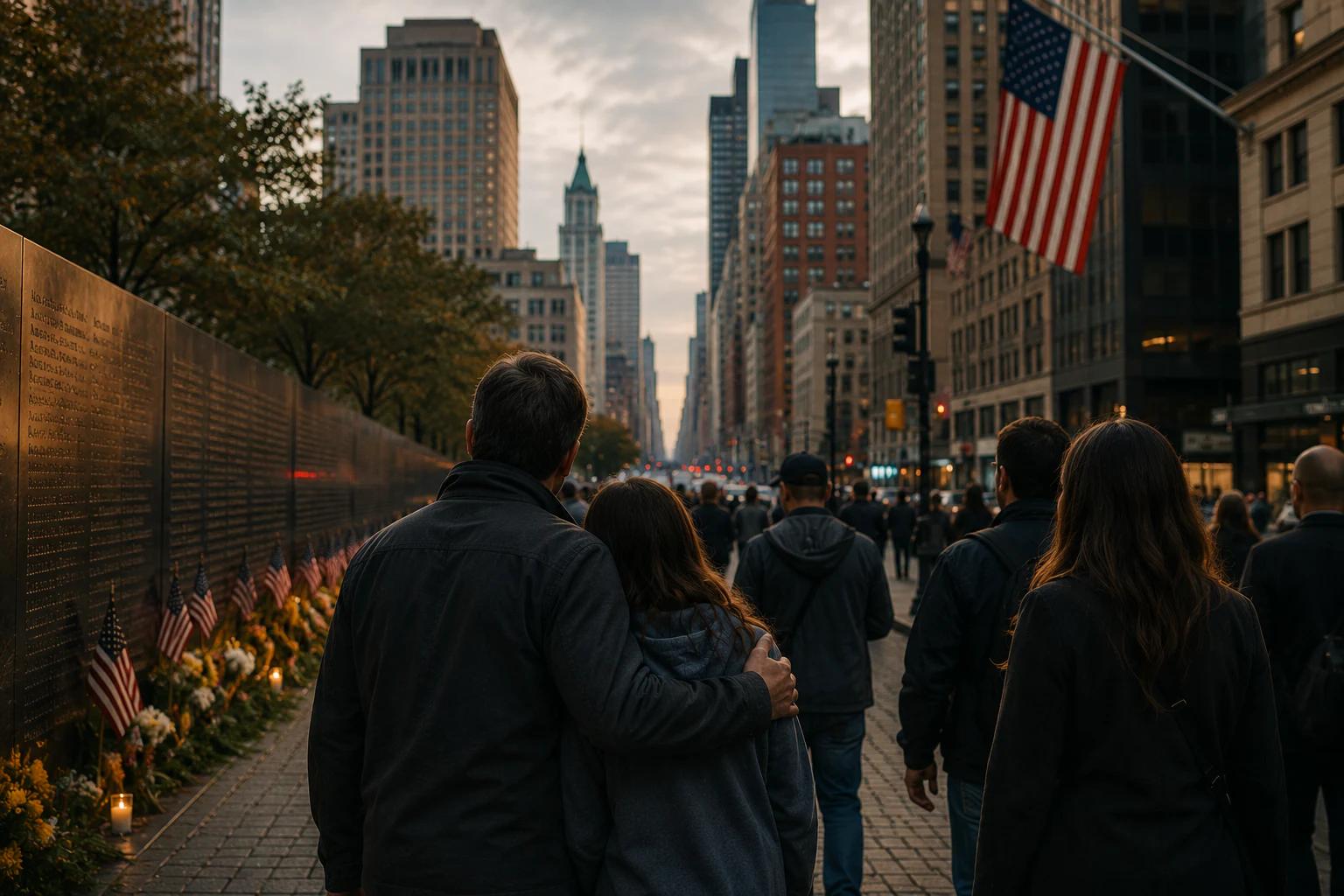
Al-Qaeda hijackers attacked and on 11 September 2001, destroying the World Trade Center towers, damaging the , and killing thousands.
What was the War on Terror?
The War on Terror was the US-led campaign after 9/11 against al-Qaeda,the Taliban, and later other militant groups, involving war, intelligence operations, detention, and security laws.
Why did the United States invade Iraq?
The Bush administration argued that possessed weapons of mass destruction and had ties to terrorism. The alleged stockpiles were not found, and the 9/11 Commission found no evidence that helped al-Qaeda carry out attacks against the United States. The invasion became one of the era’s central controversies.
How did the Afghanistan war end?
The Taliban entered on 15 August 2021 as the Afghan government collapsed. The United States completed its military withdrawal later that month, raising hard questions about twenty years of intervention and state-building.
Context
Introduction
Overview
The attacks of 11 September 2001 changed how the United States understood its security and its role abroad. Wars in and , expanded surveillance and new powers at home reached into everyday political life. Two decades later, withdrawal from exposed the limits and lasting costs of that response.
Key forces
The September 11 attacks shattered the belief that the United States was secure from major foreign attack on its own soil.
answered with a global War on Terror that combined military intervention, intelligence expansion, and new domestic security powers.
and exposed both the reach and the limits of American power, turning quick victories into long, costly conflicts.
Surveillance, homeland security, immigration politics, and Islamophobia changed life inside the United States as deeply as foreign policy did.
2001 CE
Step 1 of 102001 CEAccessible mode
The Attacks on September 11
On September 11, 2001, four hijacked passenger planes were used as weapons against the United States.
Two planes struck the World Trade Center in . The towers burned, then collapsed in front of the world.
Another plane hit the near , showing that even the center of American military power was vulnerable.
A fourth plane, Flight 93, crashed in after passengers fought back. It never reached its target.
Nearly three thousand people were killed, and the shock was immediate, raw, and deeply personal.
Americans suddenly understood that danger could arrive inside normal civilian life. That fear changed politics, war, and daily routines for decades.