← People

Valens

Valens was Eastern Roman emperor from 364 to 378. His mishandling of Gothic refugees near the Danube helped lead to revolt, and he was killed when the Roman army was defeated at Adrianople.

Born
328 CE
Died
378 CE
Role
Eastern Roman emperor
Full name
Flavius Valens
Also known as
Emperor Valens

Eastern Roman emperor (r. 364-378)

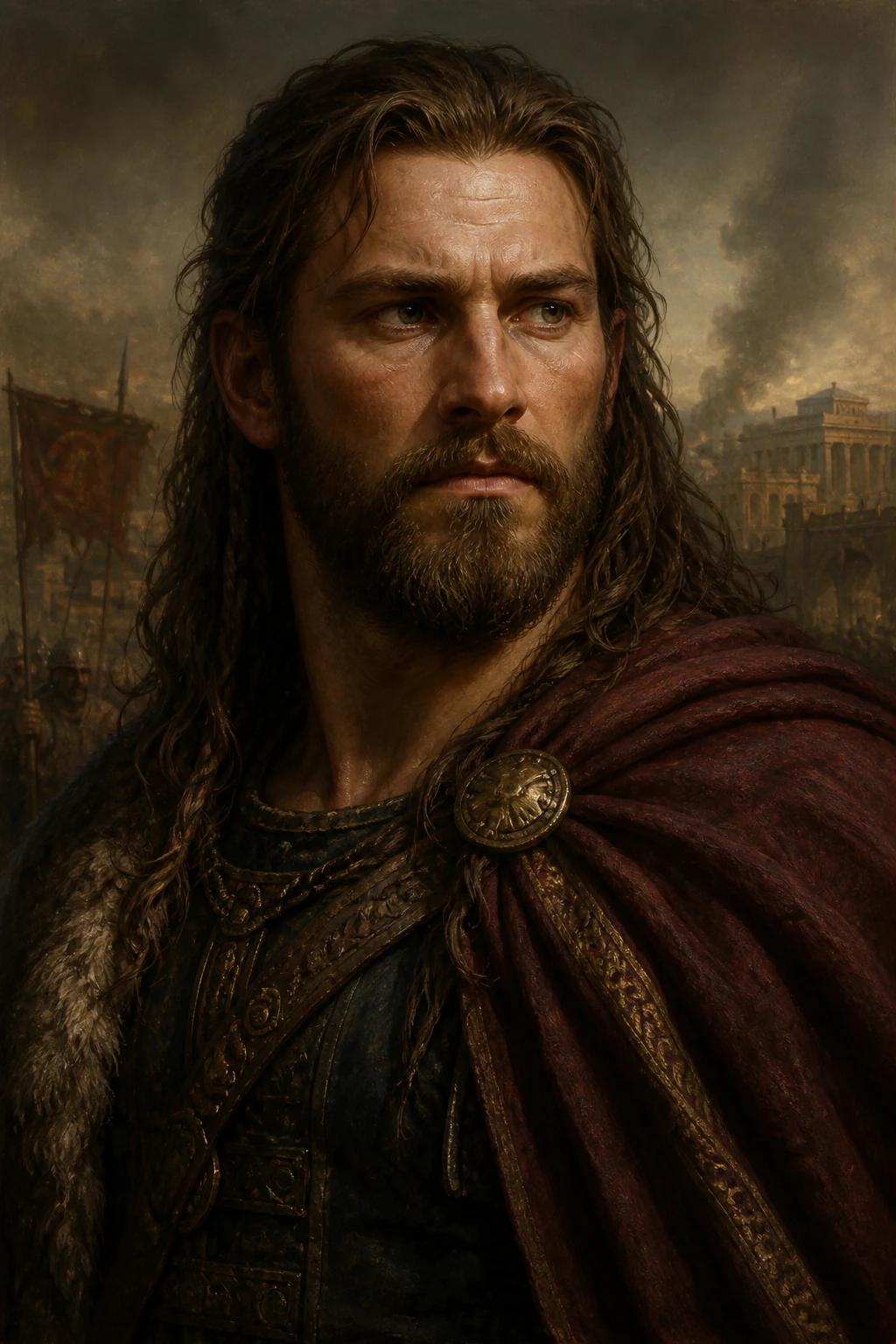
AI-assisted painted reconstruction of Valens
AI-assisted historical reconstruction

An illustrative reconstruction based on historical context. It is not a photograph or documentary likeness. Image policy Attribution

Life Journey

The emperor Adrianople made unforgettable

Follow Valens from imperial co-ruler to the battlefield disaster that reshaped the late Roman world.

Complete chronology

328

Pannonian origins

Valens was born in 328 at Cibalae, in Pannonia, roughly modern Vinkovci in Croatia. Like his brother Valentinian, he came from the hard military provinces rather than the old Roman aristocracy. That background mattered in the fourth-century empire, where emperors were expected to defend frontiers, manage armies, and hold together a state too large for one ruler to govern easily.
364

Made co-emperor

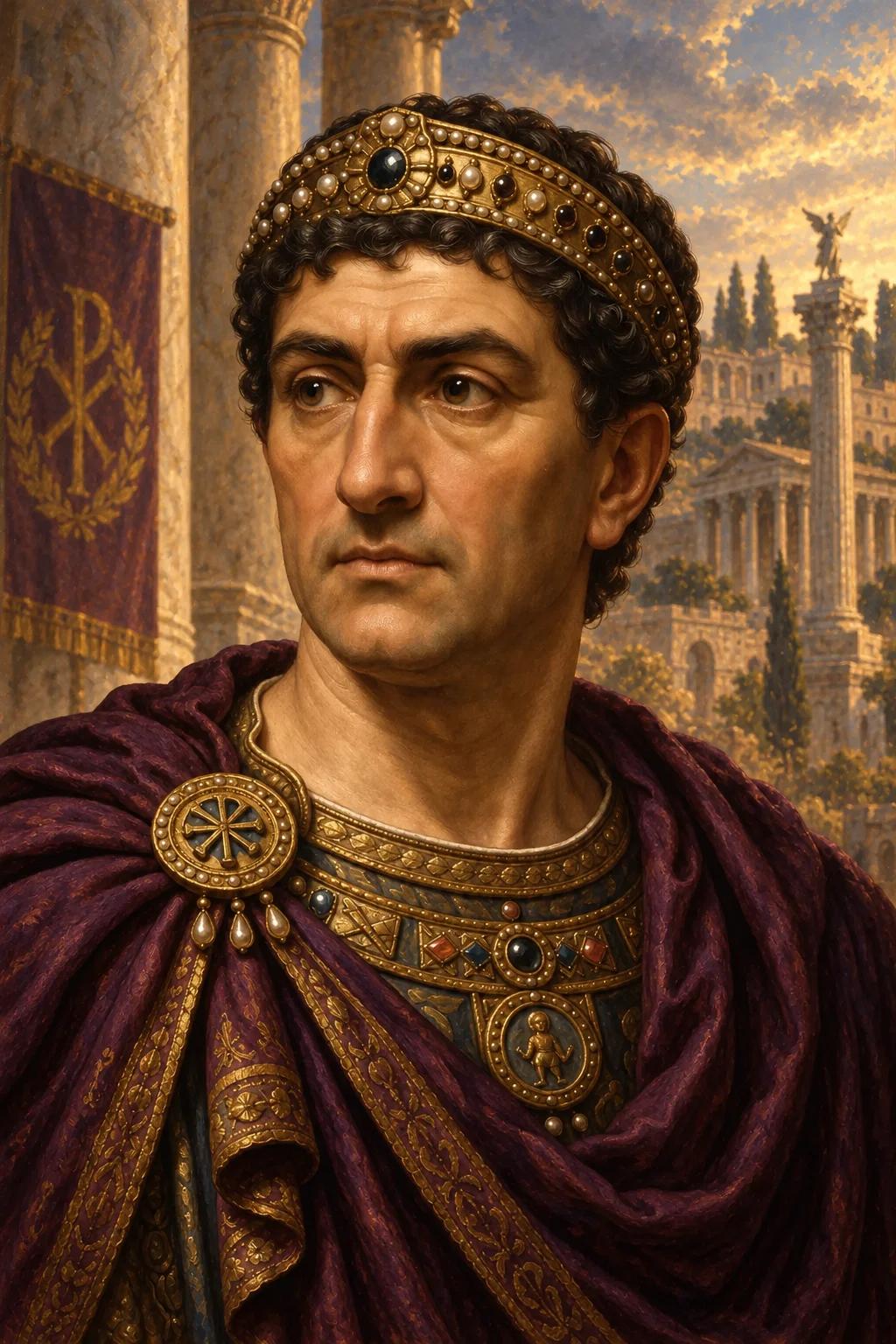
In 364, Valentinian I chose Valens as co-emperor and gave him responsibility for the eastern provinces. The arrangement was practical: the empire faced threats on too many frontiers for one ruler to be everywhere. Valens governed from the eastern court while Valentinian handled the west, making him central to the defense of the Balkans, Asia Minor, Syria, and the Danube frontier.

365-366

A contested throne

Valens' authority was tested almost immediately by Procopius, a relative of the Constantinian dynasty who claimed the purple in Constantinople. The revolt showed how fragile legitimacy could be when imperial memory, army loyalty, and court politics overlapped. Valens defeated Procopius in 366, but the crisis left him suspicious and aware that an emperor could be challenged from within as well as beyond the frontier.

376

The Danube crisis

In 376, Gothic groups asked to cross the Danube and settle inside Roman territory while fleeing pressure from the Huns. Valens allowed the crossing, hoping the newcomers could become taxpayers and soldiers. The plan collapsed when Roman officials failed to feed, disarm, and manage the refugees fairly. Hunger, exploitation, and fear turned an emergency settlement into open revolt.

378

Adrianople

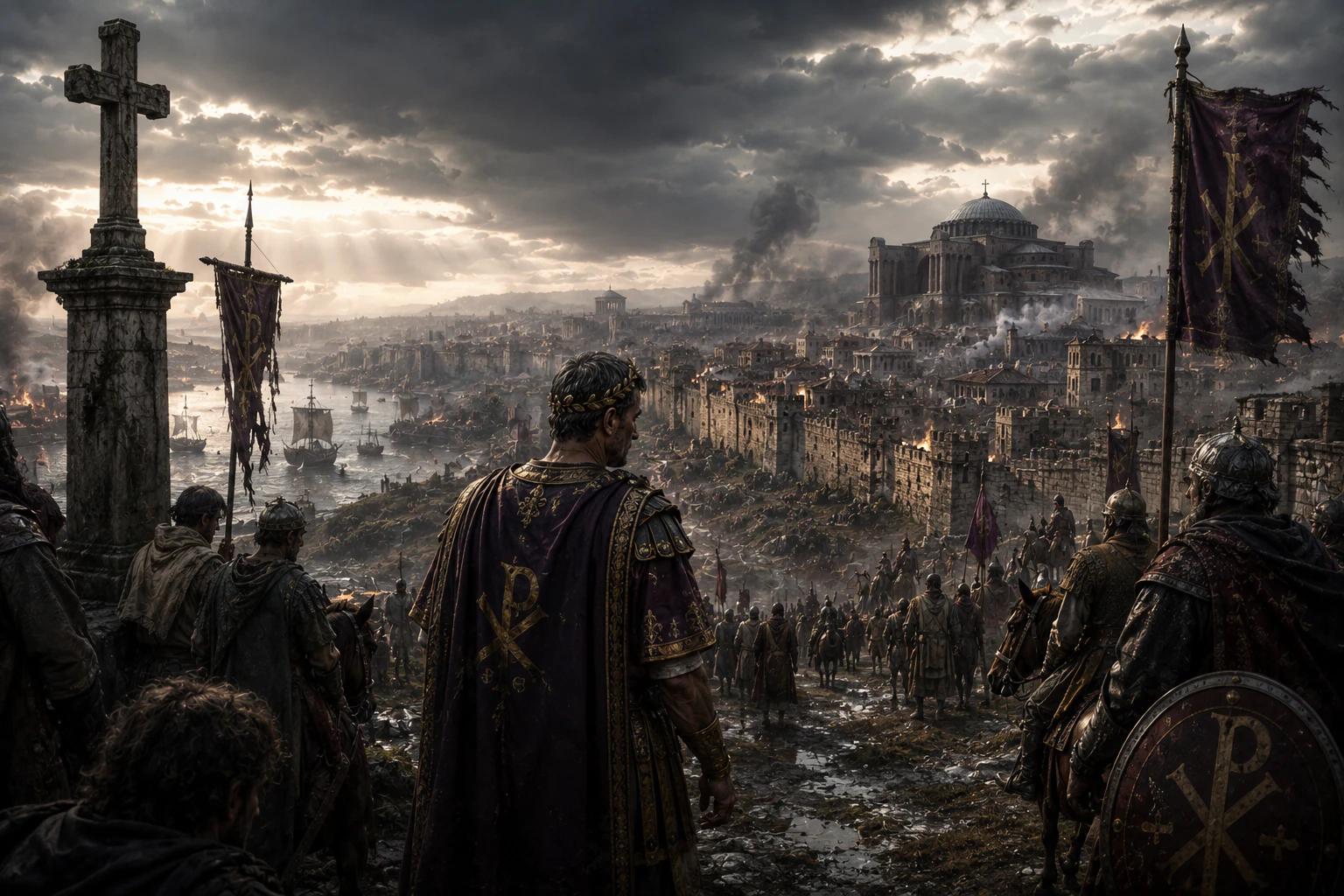
In August 378, Valens moved against the Gothic forces near Adrianople before the western emperor Gratian arrived with reinforcements. The decision may have reflected urgency, confidence, or fear that Gratian would claim too much credit. The battle became a disaster. Gothic cavalry struck the Roman army with devastating force, Valens was killed, and his body was never recovered.

After 378

A warning from defeat

Adrianople did not cause the fall of the Western Roman Empire by itself. The eastern empire survived, and Theodosius I eventually negotiated a settlement with the Goths. But Valens' defeat showed that Roman armies could be destroyed on imperial soil and that large armed groups inside the frontier could not simply be absorbed by command. His legacy is therefore bound to a warning: Rome still had power, but its old assumptions about control were breaking down.

Continue in context

Connected stories

Move from the profile into the wider events and settings this figure belongs to.

Keep exploring

Content note

This profile is written for educational use and connects to related Stories of History pages. The main portrait is an AI-assisted historical reconstruction, included as an illustrative aid rather than documentary evidence. Image policy Image attribution

References

Sources and historical notes

Sources used to check this page, selected recommendations and historical notes.

Sources used

  1. University of California Press, “Failure of Empire: Valens and the Roman State in the Fourth Century A.D.,”

    Introduces Noel Lenski’s study of Valens’s reign and the pressures facing the eastern empire.

    Open source
  2. Fordham University, “Ammianus Marcellinus: The Battle of Adrianople, 378 CE,”

    Presents the late Roman historian’s account of the battle that killed Valens.

    Open source
  3. London Museum, “Copper-Alloy Nummus of Valens,”

    Catalogues a coin bearing Valens’s portrait and an image of the emperor with a captive.

    Open source

Additional sources and notes

Loading reviewed claim sources...

Our editorial approach · Report a historical error

A monthly route through history

Find out first about the latest published stories, feature notes and occasional Premium offers in one monthly email.