← People

K’inich Janaab’ Pakal

K’inich Janaab’ Pakal ruled the Maya city of Palenque from 615 to 683 CE. Explore his accession, the Oval Palace Tablet and the Temple of the Inscriptions.

Born
603 CE
Died
683 CE
Role
King of Palenque
Also known as
Pakal, Pakal the Great, Pacal the Great
Region
Mesoamerica, Maya lowlands, Palenque

King of Palenque (615–683 CE)

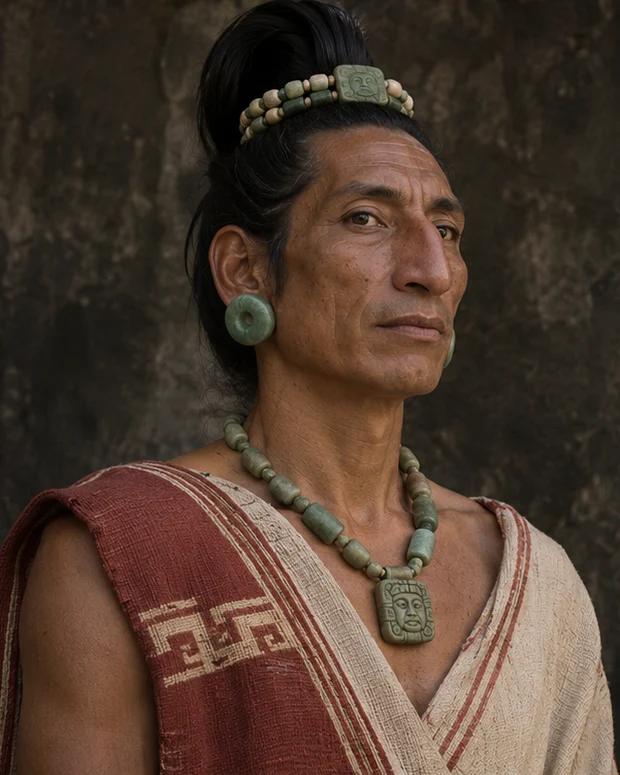
Interpretive AI-generated portrait of Pakal in a woven red and cream court wrap with jade ornaments.
Licensed archival image

A real historical or editorial image is used here. Source, licence and transformation details are publicly recorded. Image policy Attribution

Life Journey

A young king rebuilds Palenque

Follow Pakal from his accession at twelve to the temple that was built to hold his tomb.

Complete chronology

603–615 CE

A kingdom under pressure

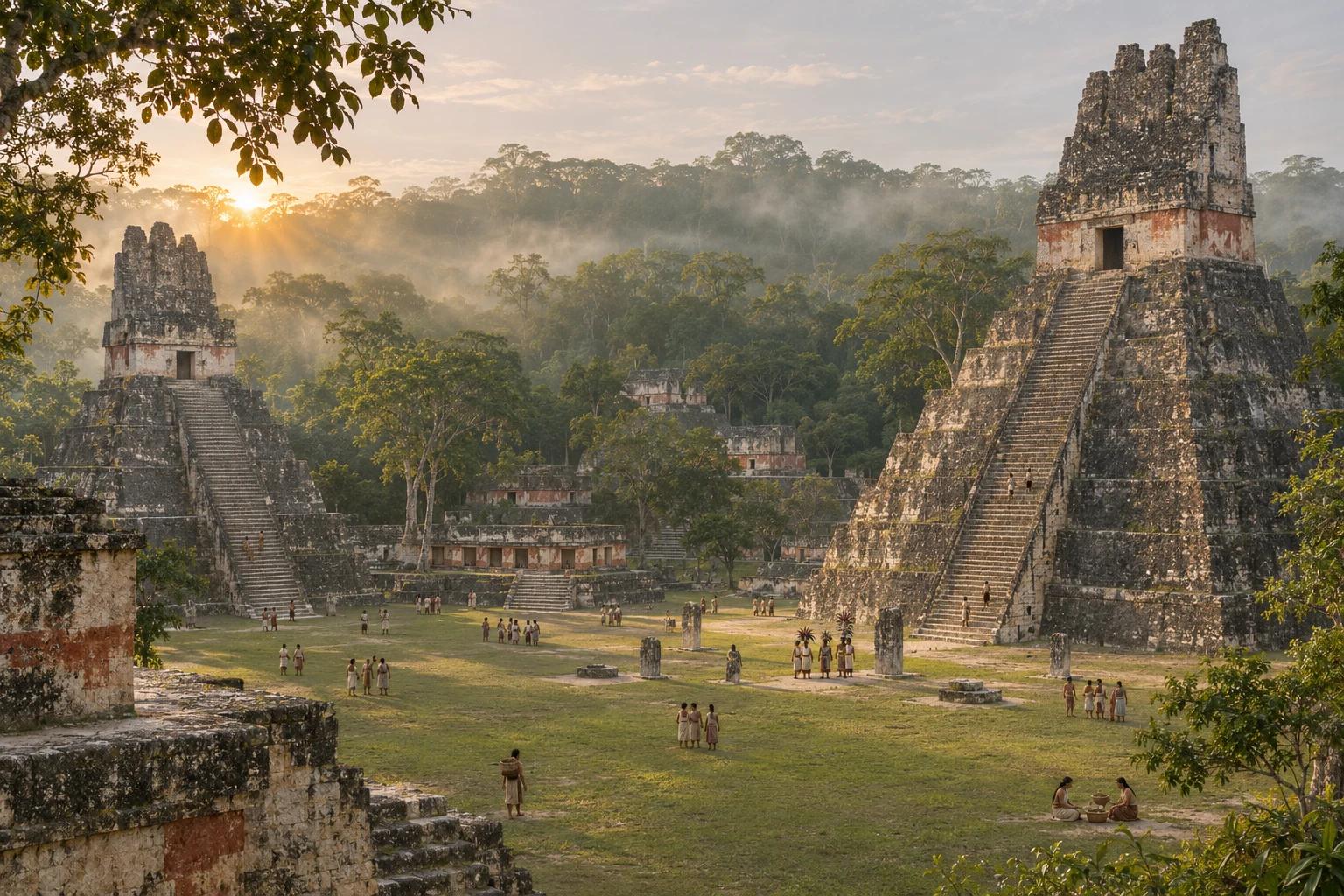
The attack of 611 came in Pakal’s childhood. Later texts at Palenque remember a breakdown of court ritual during these years. They were written by people with a stake in the dynasty’s reputation, and their account helps explain why the young king’s supporters made continuity so visible.
615 CE

The accession at twelve

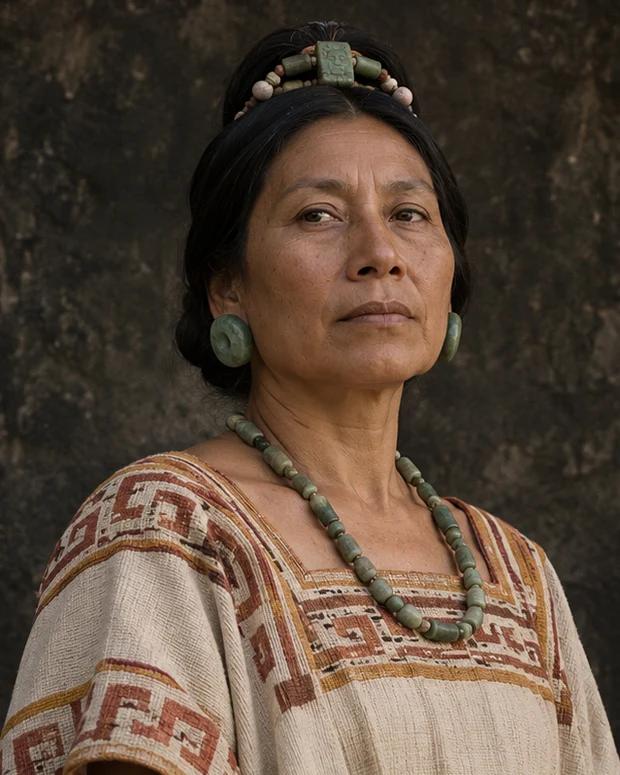
The oval carving was made after the event for a room in the Palace. Its version of the accession places Pakal and his mother opposite one another and gives the regalia the centre of the scene. It shows how the dynasty chose to present his claim years later.

Mid-7th century CE

Rebuilding the Palace

Buildings and sculpture made different parts of the court’s history visible. House E housed the Oval Palace Tablet, and texts elsewhere in the Palace preserved dates and names. The complex offered settings where a visitor could encounter the dynasty’s account of its recovery.

683 CE

The Temple of the Inscriptions

The temple joined a public monument to a chamber reached by a stairway inside the pyramid. Texts on the building recorded reigns and ritual events, while the sarcophagus brought Pakal’s own story into a wider tradition about ancestors and renewal. His successors continued the dynasty and built monuments of their own.

Continue in context

Connected stories

Move from the profile into the wider events and settings this figure belongs to.

Keep exploring

Content note

This profile is written for educational use and connects to related Stories of History pages. The main portrait uses a real historical or editorial image, with source and licence details recorded for attribution review. Image policy Image attribution

References

Sources and historical notes

Sources used to check this page, selected recommendations and historical notes.

Sources used

  1. Pre-Columbian Art Research Institute, “The Oval Palace Tablet,”

    Figure 112 reproduces Linda Schele’s drawing of the carved tablet showing Sak K’uk’ handing the royal headdress to Pakal.

    Open source
  2. Pre-Columbian Art Research Institute, “The Inscription on the Sarcophagus Lid at Palenque,”

    Floyd Lounsbury’s study reproduces and discusses the dates inscribed on Pakal’s sarcophagus.

    Open source
  3. The Metropolitan Museum of Art, “A Maya Game of Thrones and Artistic Innovation in Golden Kingdoms,”

    Discusses Palenque’s conflict with the Snake dynasty and the artistic renewal under Pakal.

    Open source
  4. UNESCO World Heritage Centre, “Pre-Hispanic City and National Park of Palenque,”

    Describes the palace, temple precincts and inscriptions at Palenque.

    Open source

Additional sources and notes

Loading reviewed claim sources...

Our editorial approach · Report a historical error

A monthly route through history

Find out first about the latest published stories, feature notes and occasional Premium offers in one monthly email.