← People

George, Duke of Clarence

George Plantagenet, Duke of Clarence, was a younger brother of Edward IV and Richard III. He joined Warwick's rebellion against Edward IV, returned to his brother's side in 1471, and was executed in 1478.

Born
1449 CE
Died
1478 CE
Role
Duke of Clarence
Full name
George Plantagenet, Duke of Clarence
Also known as
George Plantagenet, Duke of Clarence

Yorkist prince and duke (1449–1478)

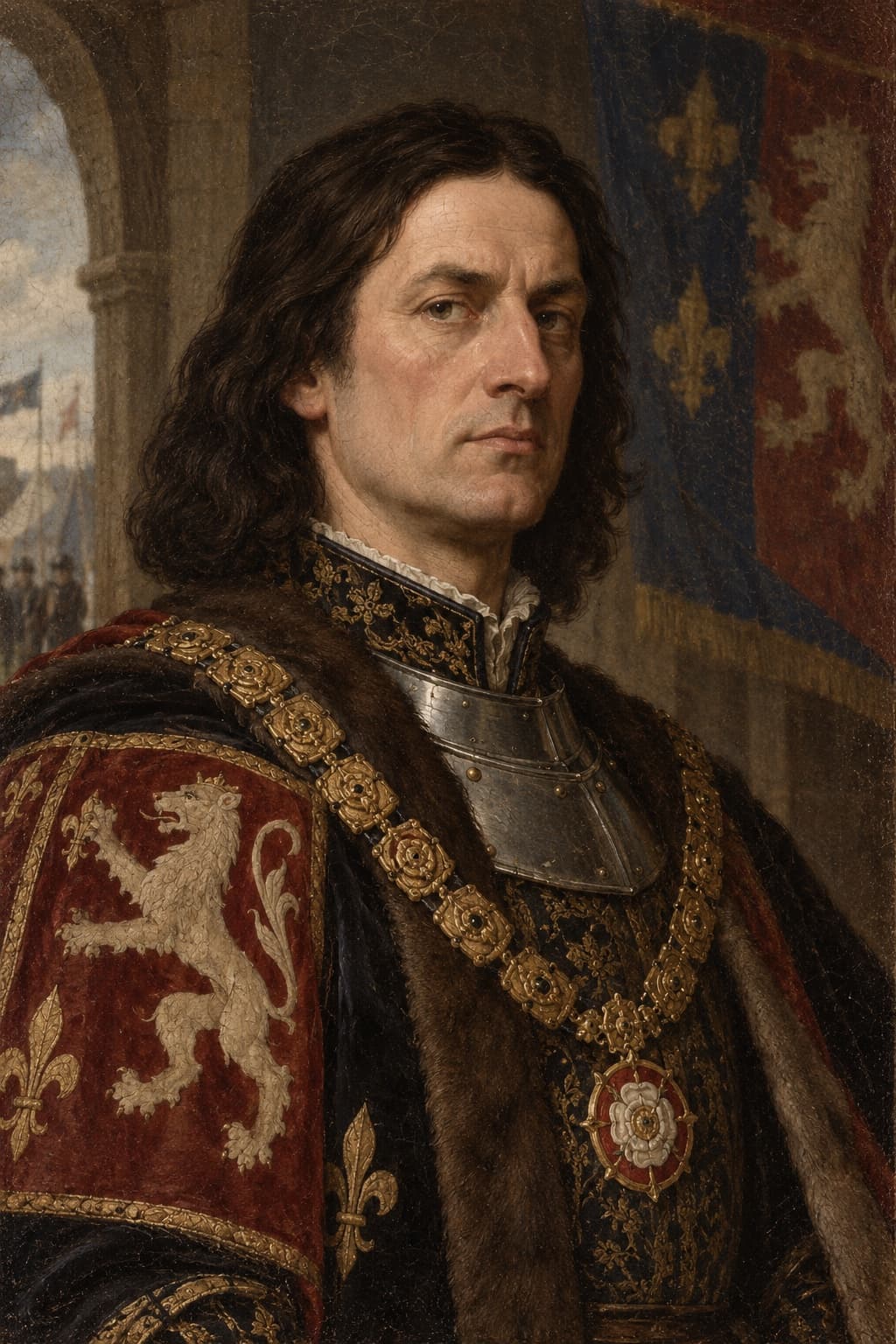
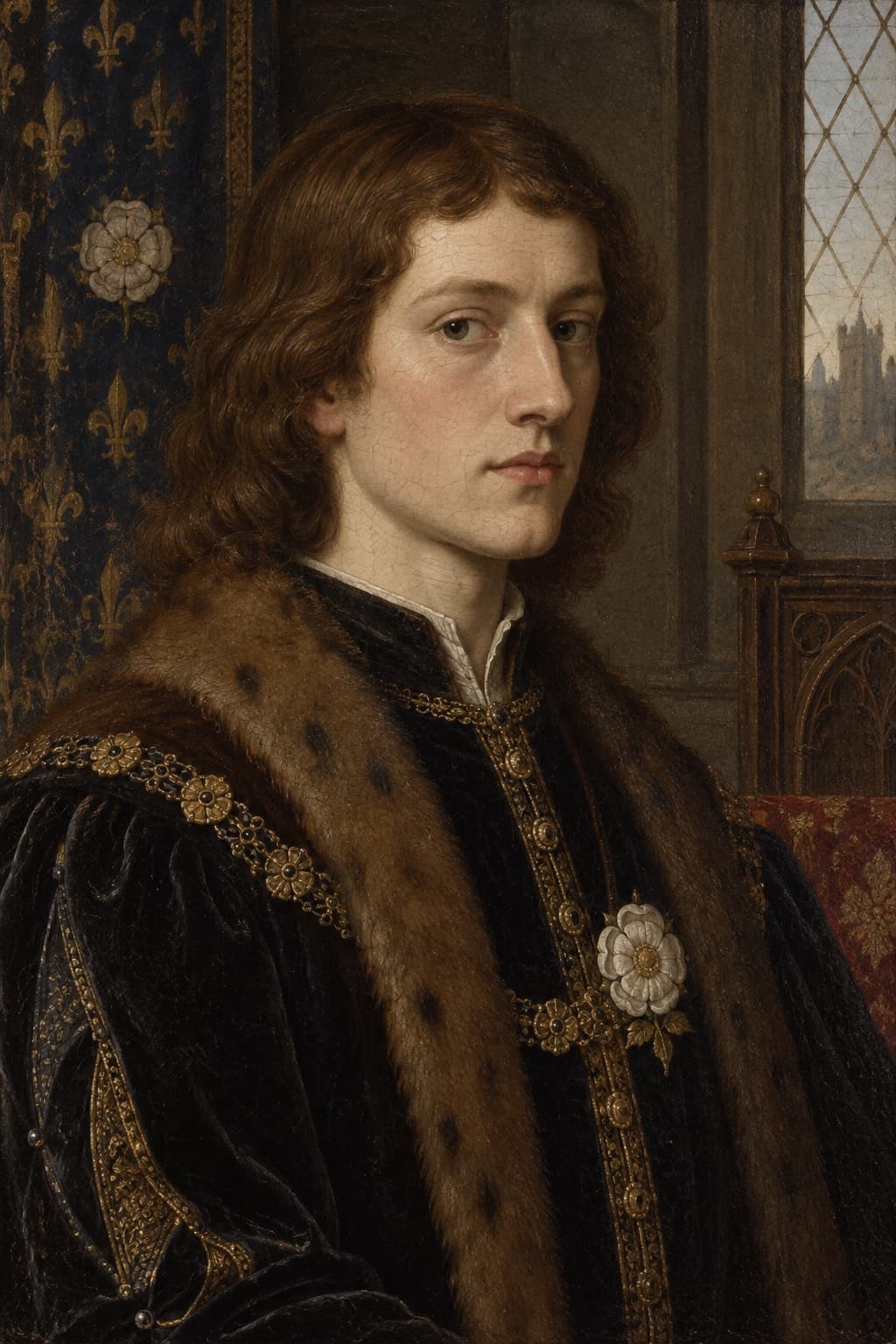
AI-generated late-medieval panel portrait of George, Duke of Clarence
Life Journey

A prince caught in Yorkist rivalries

Follow Clarence's shifting loyalties from his brother's accession to his execution.

Complete chronology

1449–1461

Born into the Yorkist claim

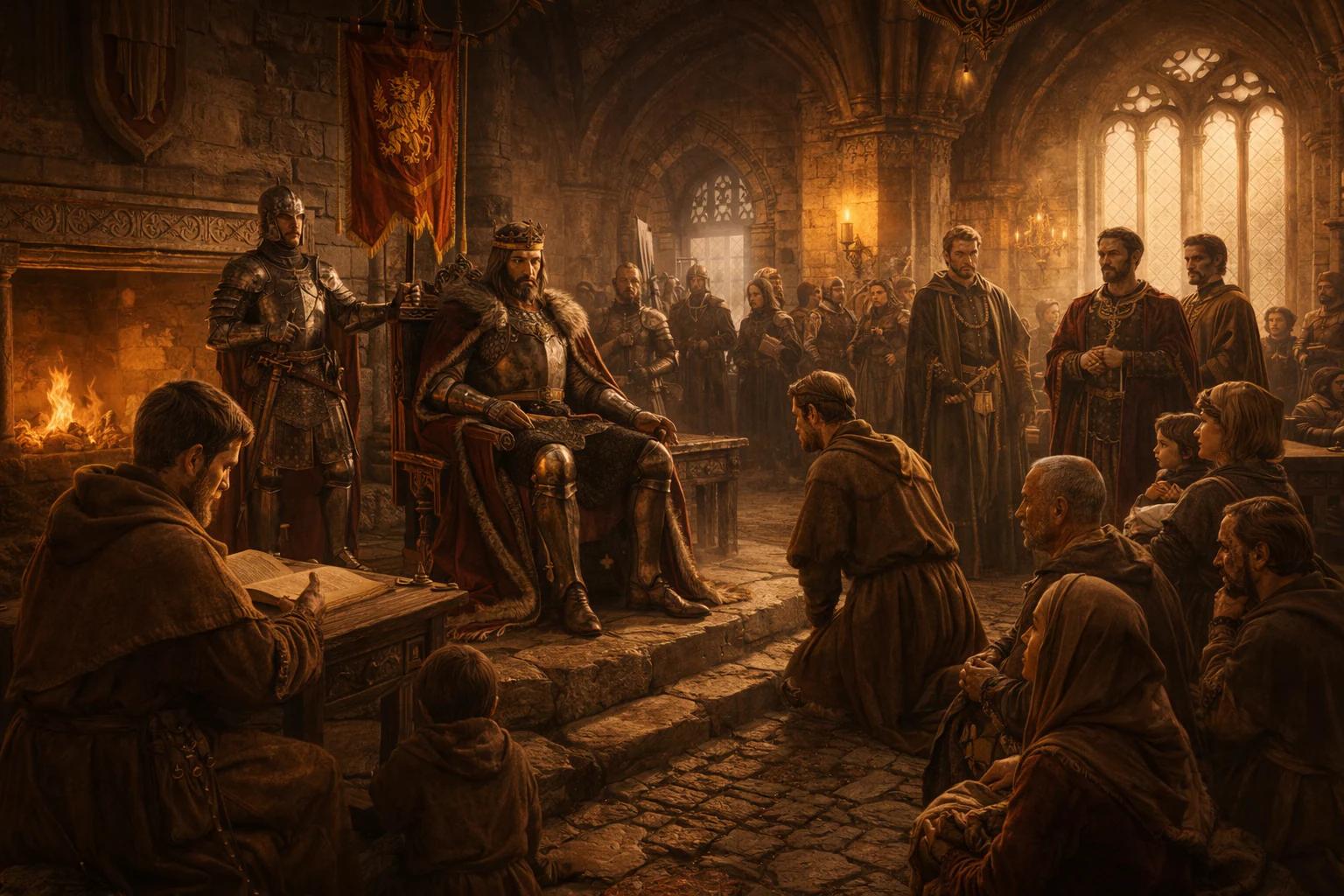
George was born in Dublin during his father's service in Ireland. His family possessed a strong claim to the English throne. When Edward became king in 1461, George was created Duke of Clarence, a title that marked his place in the new royal house.

1461–1469

Warwick's son-in-law

Clarence married Isabel Neville in 1469, despite Edward IV's concerns about the match. The marriage connected him to Warwick, whose influence and ambitions were increasingly at odds with the king's government. Family alliance and political allegiance became closely linked.

1469–1470

Rebellion against Edward

Clarence joined Warwick in opposition to Edward IV, including the rising that briefly placed the king in their custody. The rebellion failed to create a stable alternative government. Clarence and Warwick fled abroad, where Warwick negotiated with Margaret of Anjou.

1470–1471

The failed restoration

Warwick and Margaret's alliance restored Henry VI in 1470, but Clarence's dynastic interests did not sit comfortably with the Lancastrian succession. When Edward IV returned in 1471, Clarence reconciled with his brother and helped undermine the coalition that had restored Henry.

1471–1478

A prince under suspicion

Clarence survived the Yorkist restoration but continued to cause concern at court. His wealth, royal descent and independent following gave him political weight. Disputes over inheritance and accusations of treason deepened his estrangement from Edward IV.

1478

Execution in the Tower

Clarence was condemned for treason and executed in the Tower of London in February 1478. Later stories claimed he was drowned in a butt of malmsey wine, but the details are not securely established. His death removed a rival prince, while his children remained potential dynastic claimants.

Continue in context

Connected stories

Move from the profile into the wider events and settings this figure belongs to.

Keep exploring

Content note

This profile is written for educational use and connects to related Stories of History pages. Visuals are reviewed for educational context and may include historical images, archival material, or interpretive reconstructions. Image policy

References

Sources and historical notes

Sources used to check this page, selected recommendations and historical notes.

Sources used

  1. The Royal Household, “Edward IV (r. 1461–1470 and 1471–1483),”

    Clarence’s role in Edward IV’s reign and the power struggles among the Yorkists.

    Open source
  2. Historic Royal Palaces, “The Tower of London as a Historic Environment,”

    The Tower as a royal prison and the site of Clarence’s execution.

    Open source
  3. World History Encyclopedia, “Edward IV of England,”

    Clarence’s alliance with Warwick and his eventual imprisonment and death.

    Open source

Additional sources and notes

Loading reviewed claim sources...

Our editorial approach · Report a historical error

A monthly route through history

Find out first about the latest published stories, feature notes and occasional Premium offers in one monthly email.