← People

Alija Izetbegovic

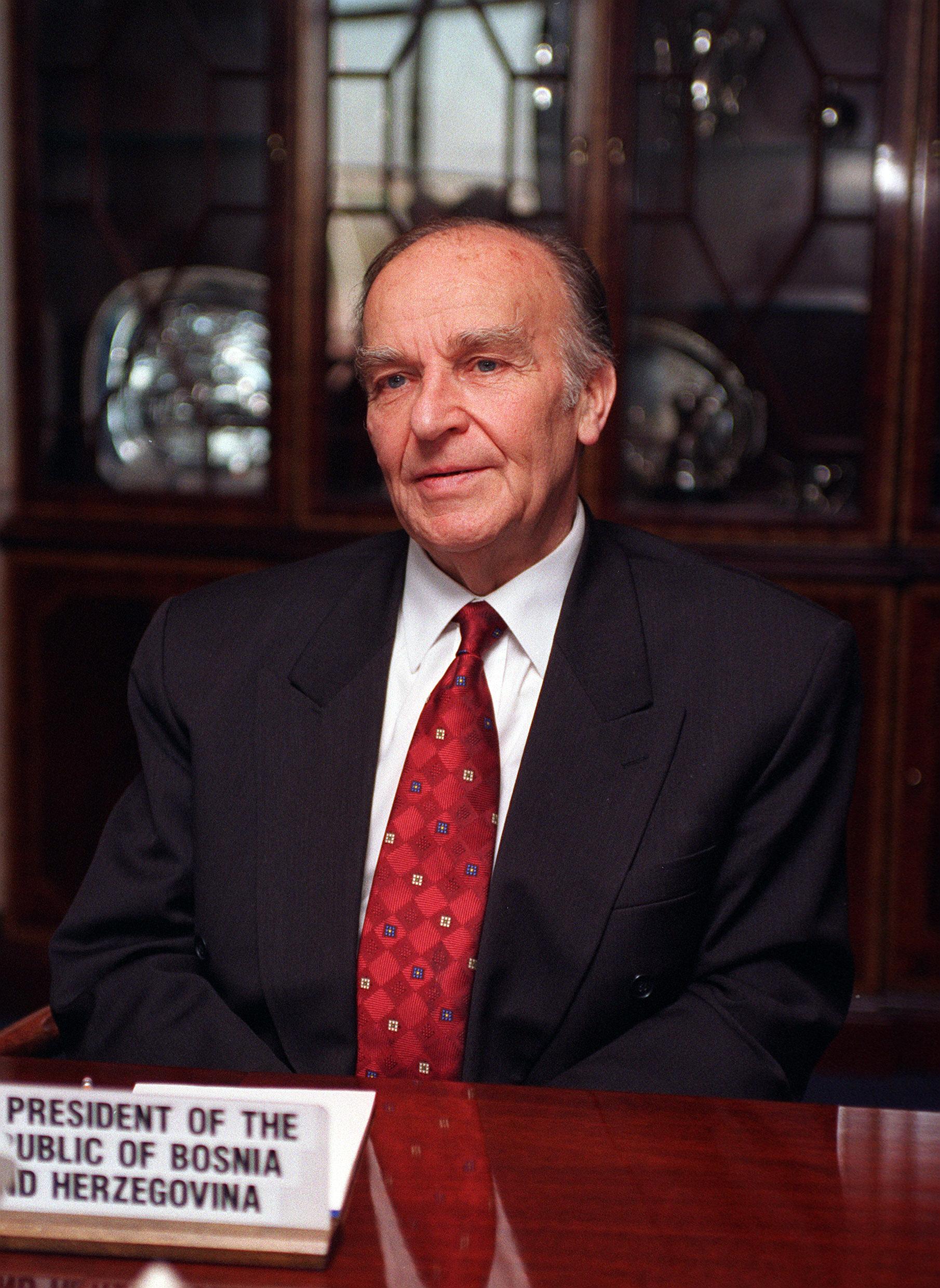
Alija Izetbegovic was Bosnia and Herzegovina's wartime president and a signatory to the Dayton peace agreement. He led the country through independence and the Bosnian War, then worked to implement the peace settlement before leaving the presidency in 2000.

Born
1925 CE
Died
2003 CE
Role
President of the Presidency of Bosnia and Herzegovina
Also known as
Alija Izetbegović, Izetbegovic, Izetbegović

Bosnian wartime president (1925-2003)

Portrait photograph of Alija Izetbegovic in 1997
Historical photograph

A real historical or editorial image is used here. Source, licence and transformation details are publicly recorded. Image policy Attribution

Life Journey

Bosnia's survival and the price of peace

Follow his path from Yugoslav dissident to wartime leader and peace negotiator.

Complete chronology

1925-1956

A life shaped by Yugoslavia

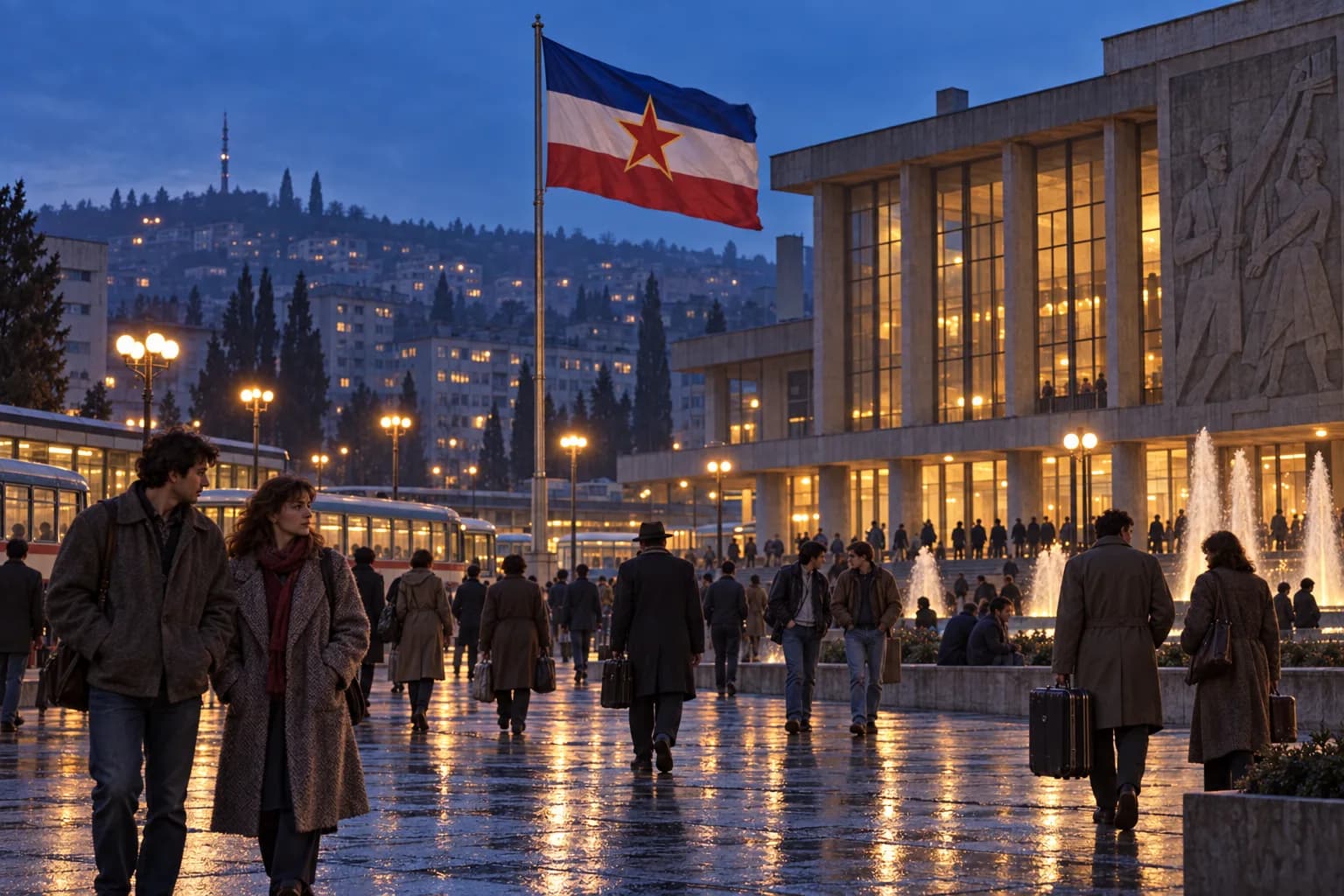
Born in 1925, Izetbegovic grew up in Sarajevo. He joined the Young Muslims movement and was imprisoned by Yugoslavia's communist authorities from 1946 to 1949. After his release, he continued his education and earned a law degree in 1956.

1970-1988

Writing and imprisonment

Izetbegovic published the Islamic Declaration in 1970. In 1983 he was sentenced to fourteen years in prison on charges including seeking to overthrow the constitutional order. His sentence was reduced on appeal, and he was released in 1988. His book Islam between East and West appeared in English while he was imprisoned.

1990-1995

Independence and war

Izetbegovic helped found the Party of Democratic Action in 1990. After that year's elections, he became president of the republic's collective presidency. Bosnia and Herzegovina gained international recognition in 1992 as war engulfed the country. He worked in besieged Sarajevo and sought international support and a negotiated settlement.

1995-1996

Accepting the Dayton settlement

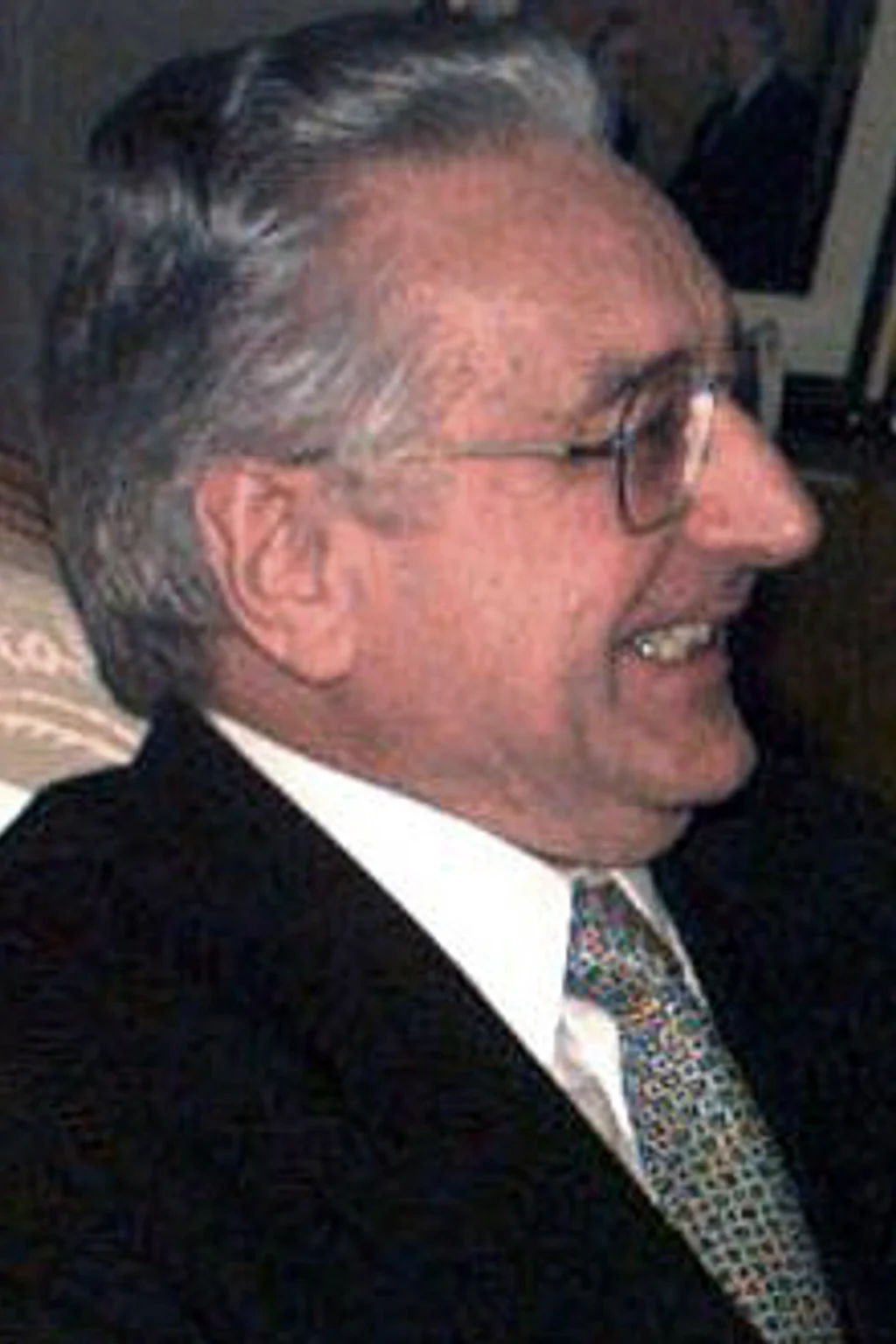
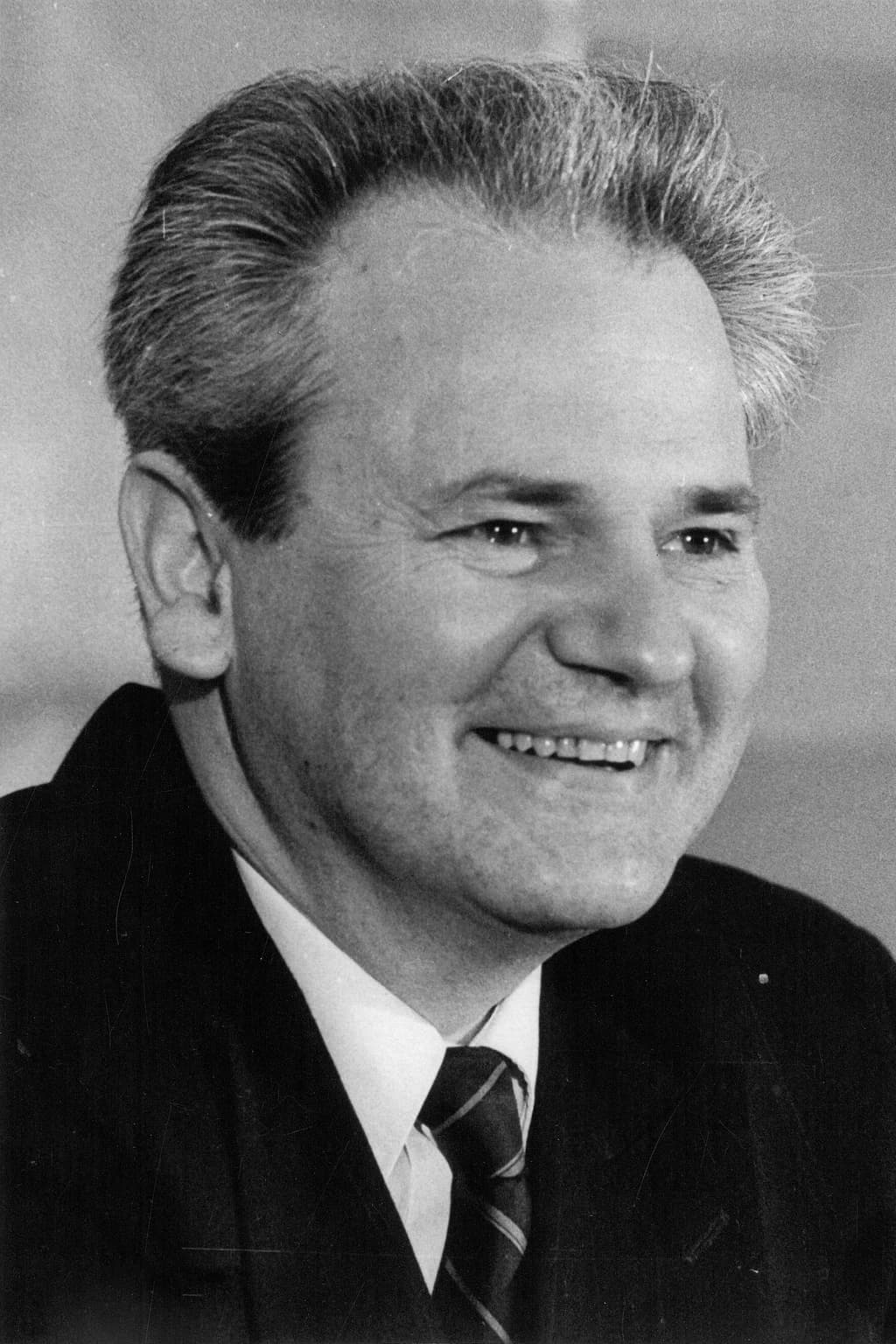
Izetbegovic was a signatory to the agreement that ended the Bosnian War in 1995. Peace required more than signatures. At Geneva in August 1996, he met Tudjman and Milosevic to discuss implementation, common institutions, elections and refugee return. Their commitments show how ending the fighting left difficult questions of security and political cooperation unresolved.

2000-2003

Retirement and remembrance

Izetbegovic left the presidency in October 2000 after years of postwar political work. He died on 19 October 2003. His career connects the collapse of socialist Yugoslavia with Bosnia's struggle for independence, the experience of war and the continuing challenge of making peace work.

Continue in context

Connected stories

Move from the profile into the wider events and settings this figure belongs to.

Keep exploring

Content note

This profile is written for educational use and connects to related Stories of History pages. The main portrait uses a real historical or editorial image, with source and licence details recorded for attribution review. Image policy Image attribution

References

Sources and historical notes

Sources used to check this page, selected recommendations and historical notes.

Sources used

  1. Alija Izetbegovic Foundation, “Alija Izetbegovic's Biography,” accessed 16 November 2026.

    A commemorative institutional account, used for biographical dates and career milestones.

    Open source
  2. Alija Izetbegovic Museum, “Biography,” accessed 16 November 2026.

    A commemorative account, used for his education, imprisonment and political career.

    Open source
  3. Office of the High Representative, “Agreed measures, Geneva, 14 August 1996,” accessed 16 November 2026.Open source

Additional sources and notes

Loading reviewed claim sources...

Our editorial approach · Report a historical error

A monthly route through history

Find out first about the latest published stories, feature notes and occasional Premium offers in one monthly email.

If you are under the age of 18, please ensure you have the permission of your parent or guardian before subscribing.