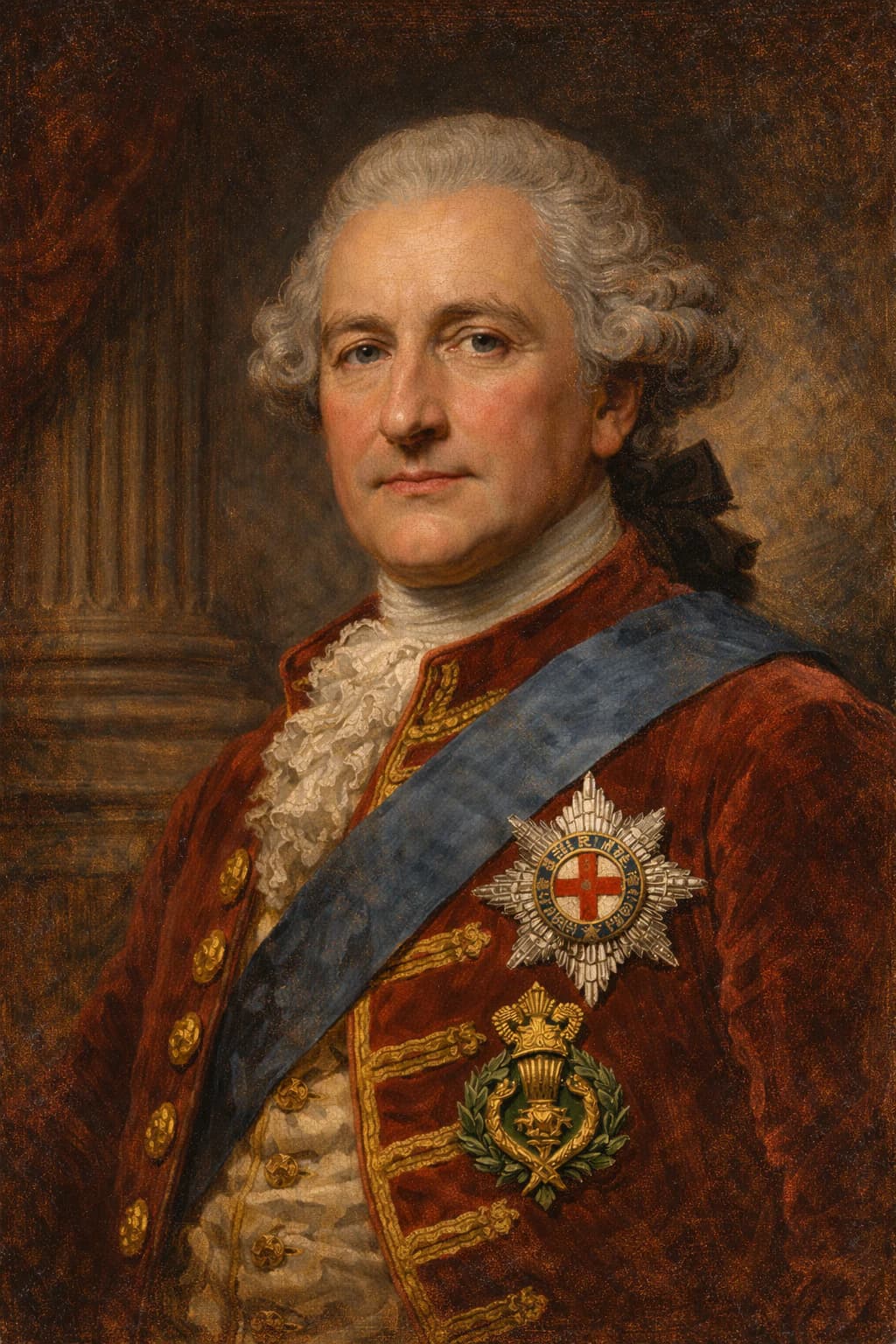
Lineage
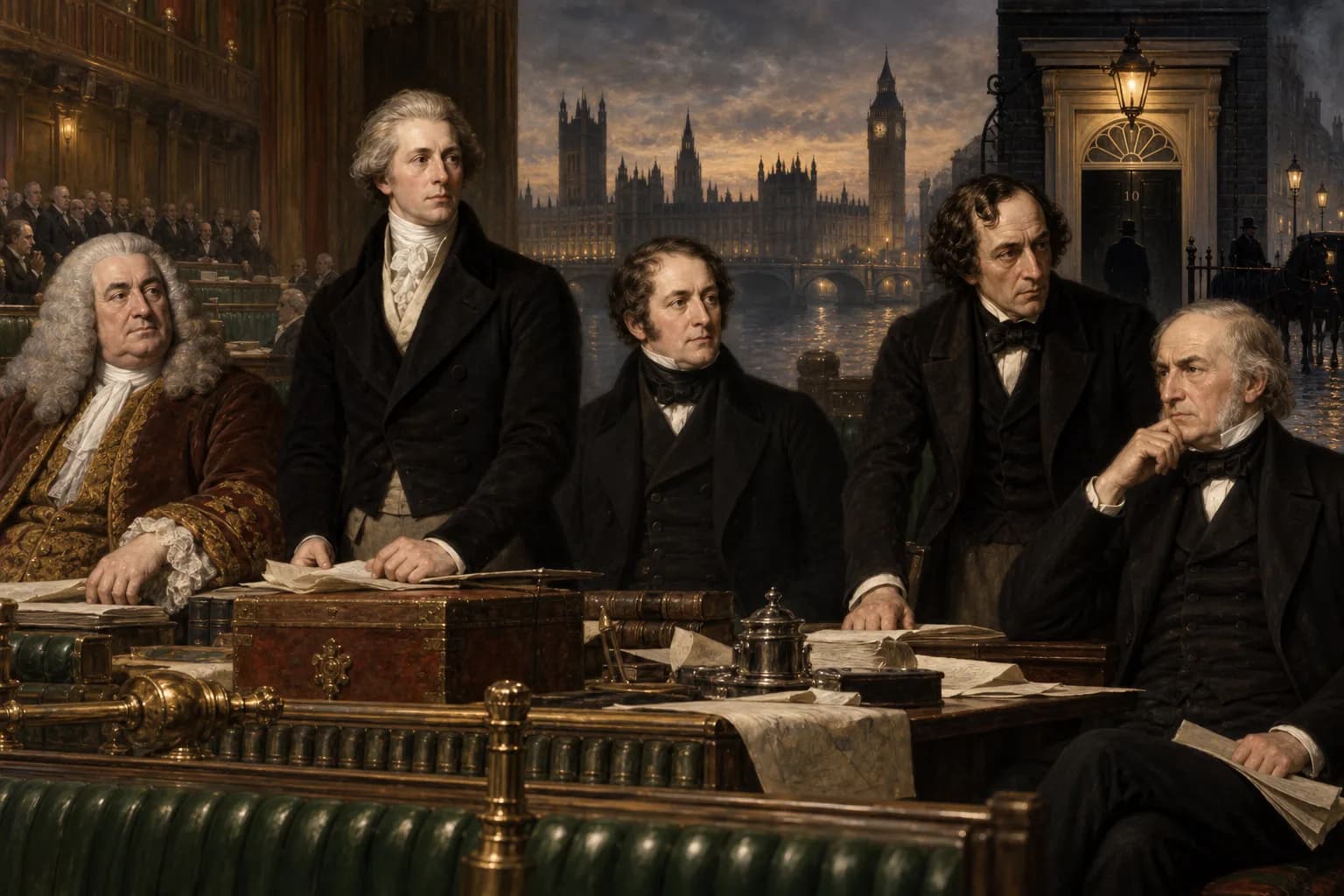
List of British Prime Ministers in Order
Explore all British prime ministers in chronological order, from Sir Robert Walpole in 1721 to the present day.
This timeline shows every premiership, including repeat terms, with party affiliation, key dates, and concise summaries. Switch between a visual timeline and a structured party view to understand how leadership in Britain has evolved over time.
Tory
10 prime ministers · 12 premierships
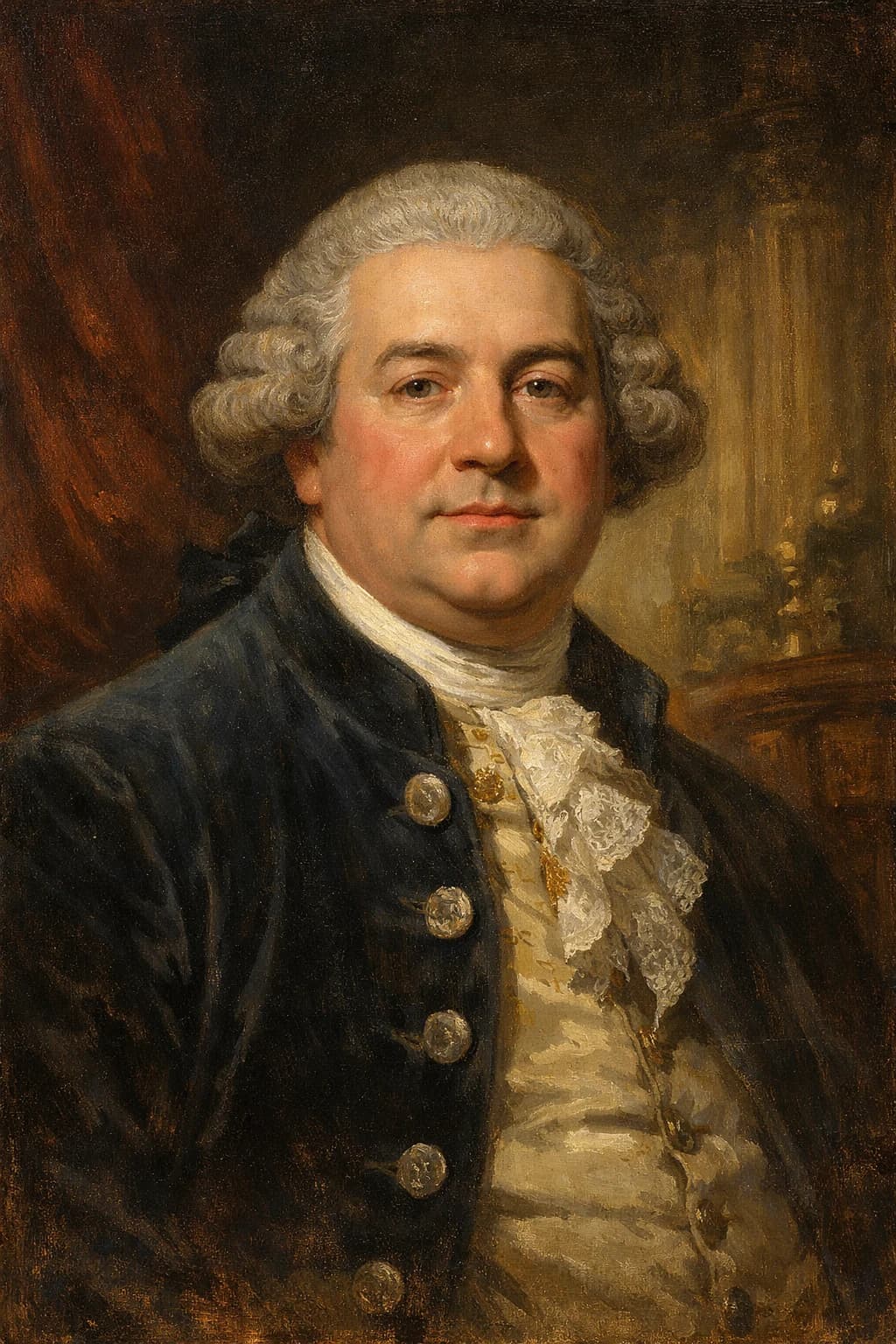
Lord North
1770–1782North led Britain through most of the American War of Independence and fell after defeat reshaped imperial politics.View profile →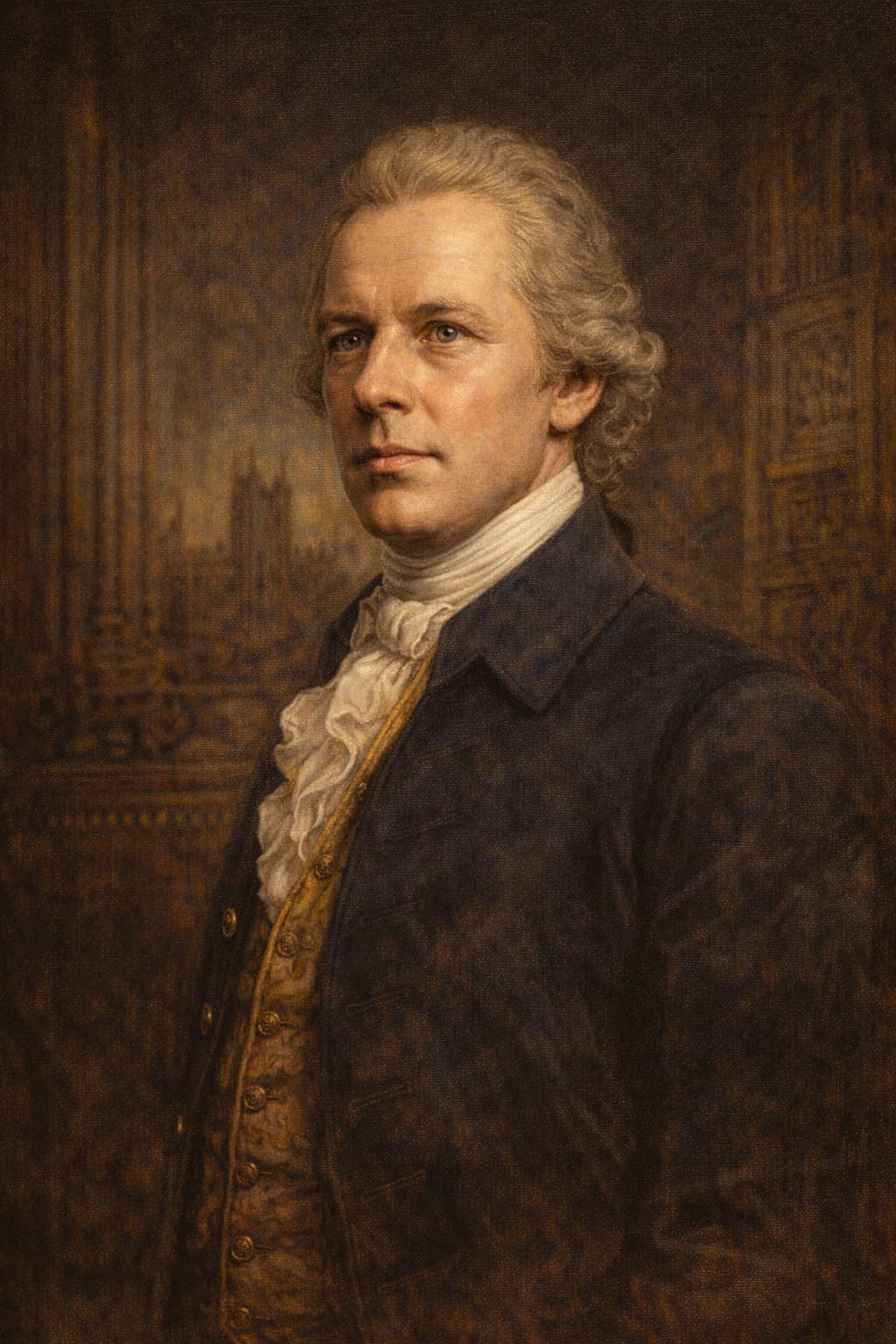
William Pitt the Younger
1783–1801 · 1804–1806Pitt reshaped finance and executive government, and led Britain into the upheavals of the French Revolutionary era.View profile →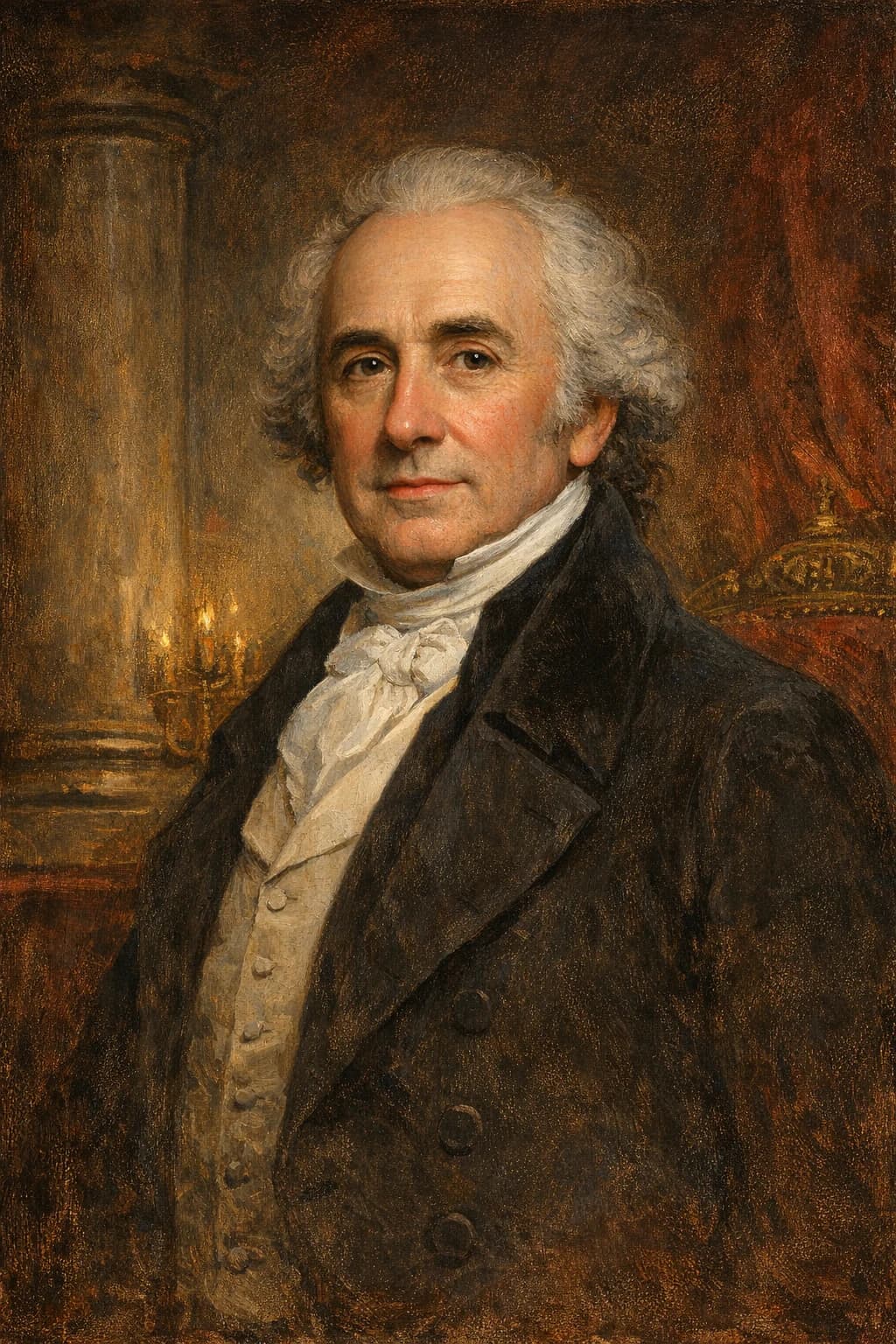
Henry Addington
1801–1804Addington governed during a brief peace in the Napoleonic era, but his ministry was overshadowed by renewed war.View profile →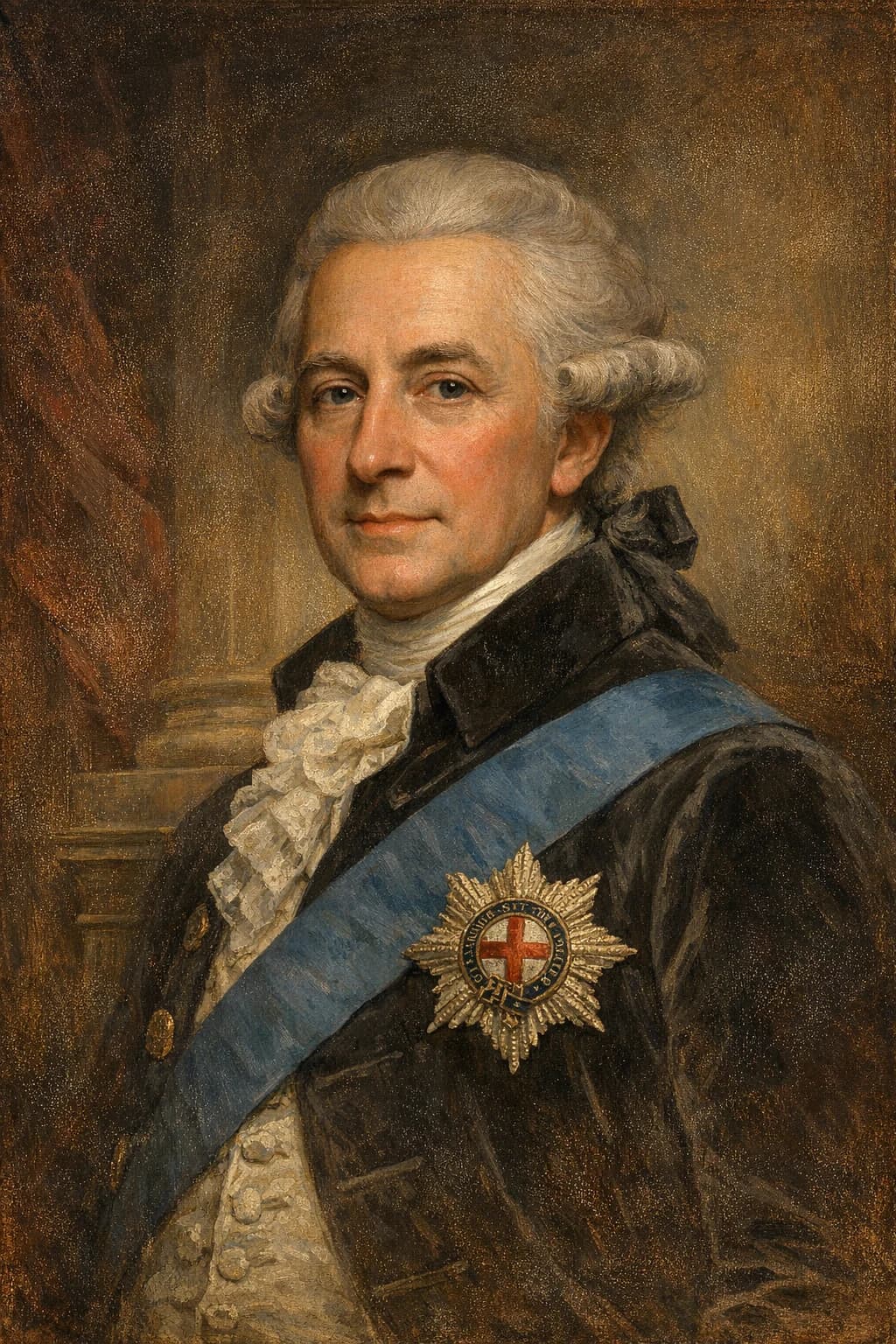
William Cavendish-Bentinck, 3rd Duke of Portland
1807–1809Portland’s second ministry was marked by wartime strain and internal conflict between leading ministers.View profile →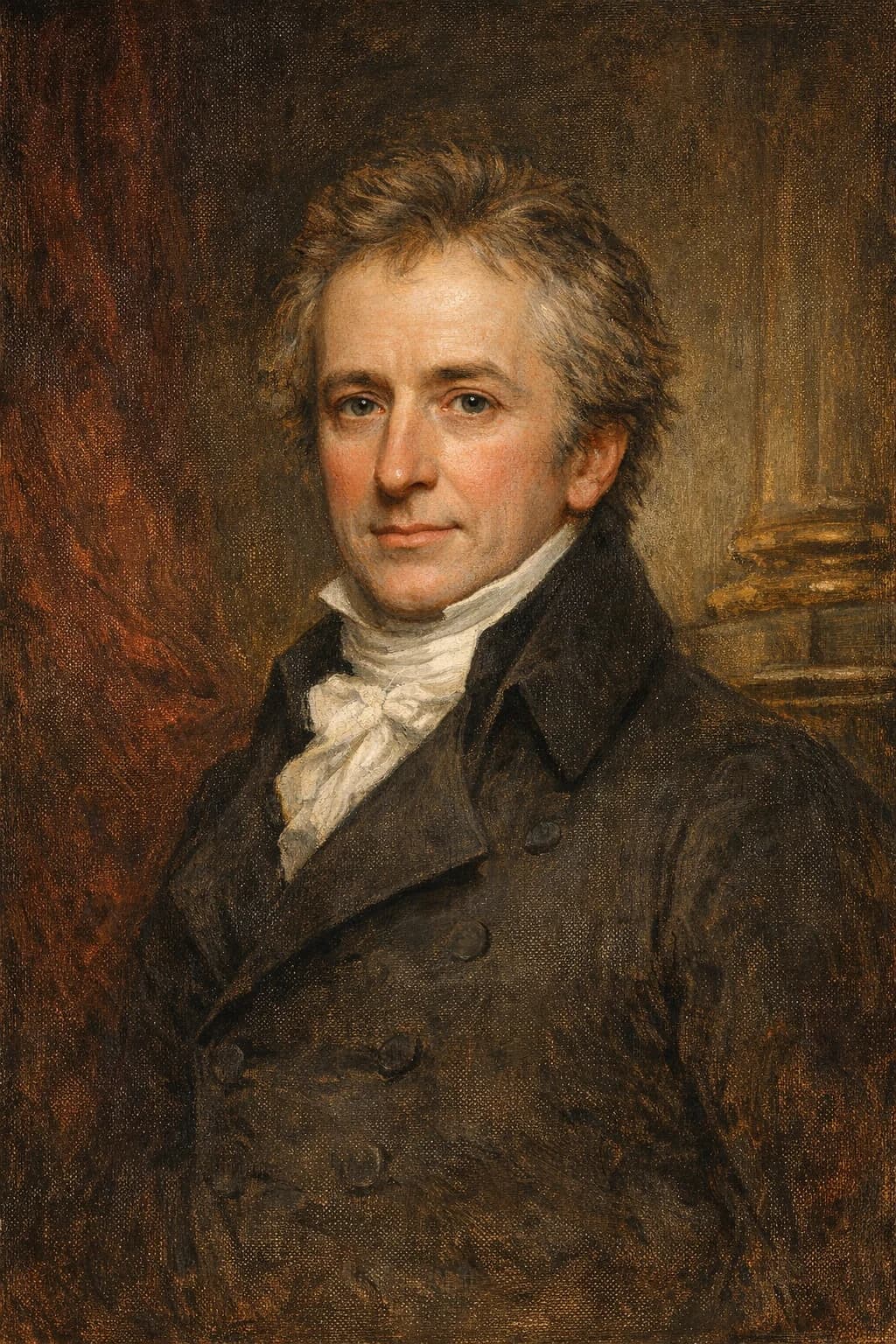
Spencer Perceval
1809–1812Perceval led Britain through the Napoleonic Wars until he was assassinated in the House of Commons lobby.View profile →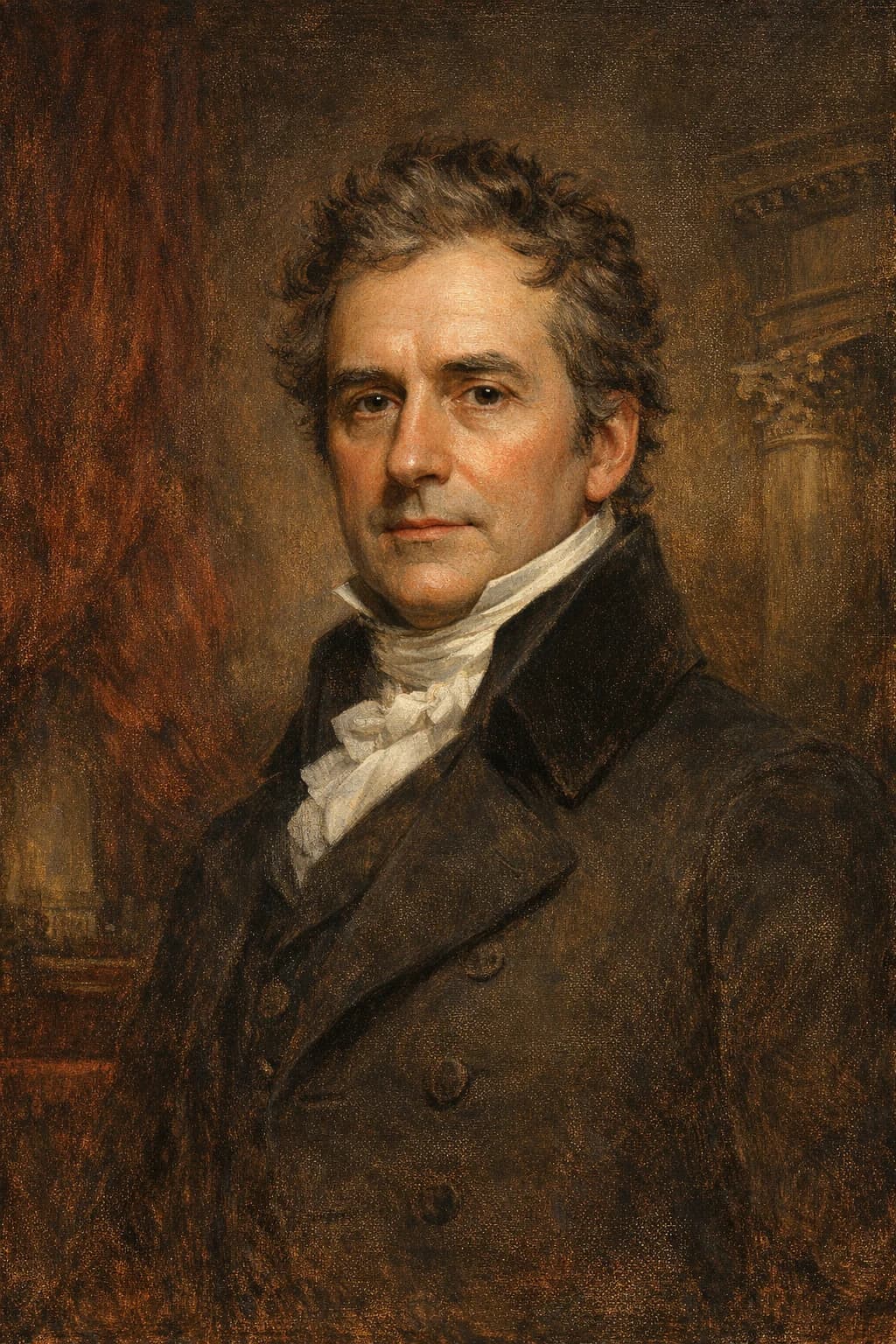
Lord Liverpool
1812–1827Liverpool oversaw victory over Napoleon and then the difficult politics of postwar unrest, reform pressure, and recovery.View profile →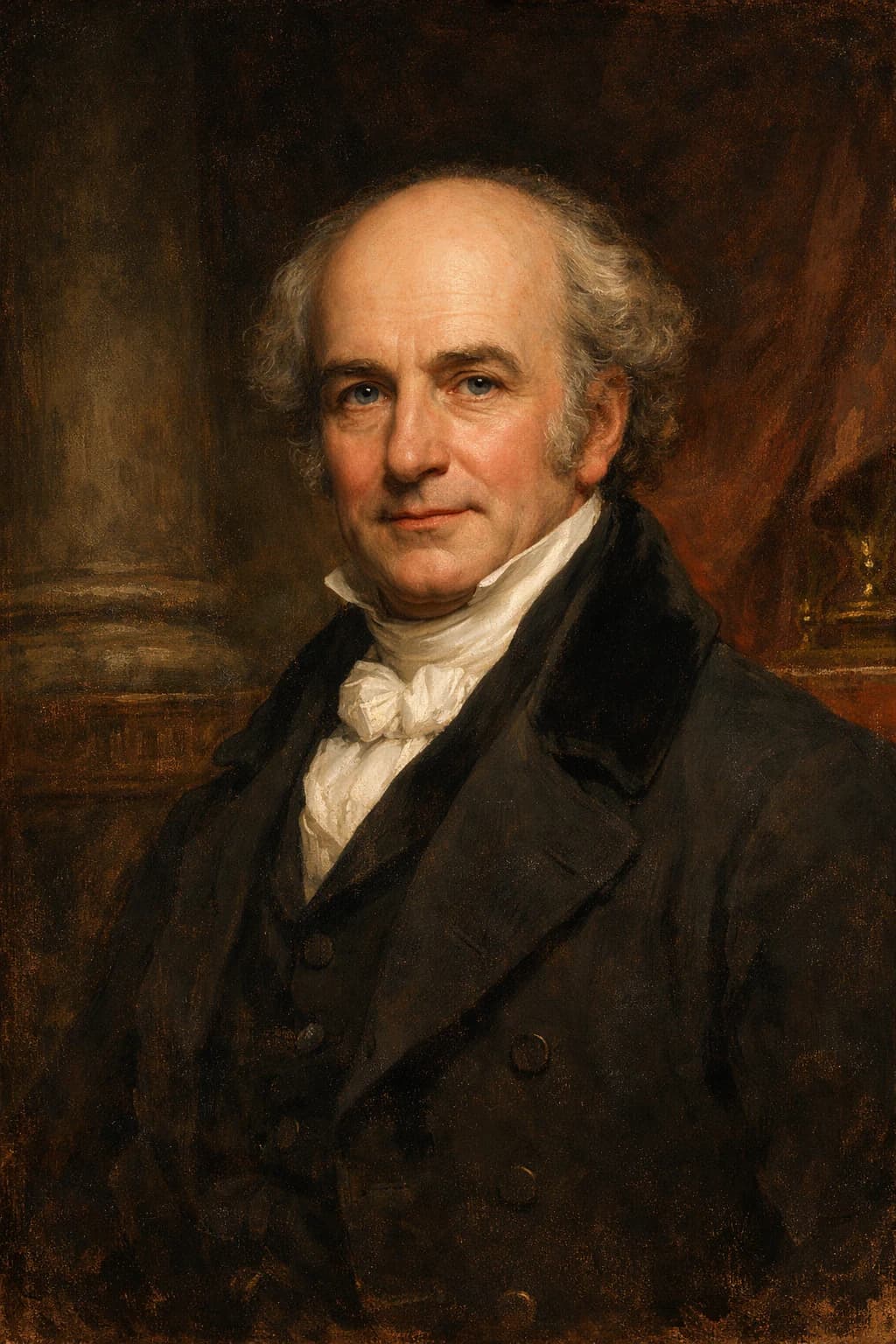
George Canning
1827Canning’s short premiership revealed the fragmentation of old Tory unity, but his death cut short any broader realignment.View profile →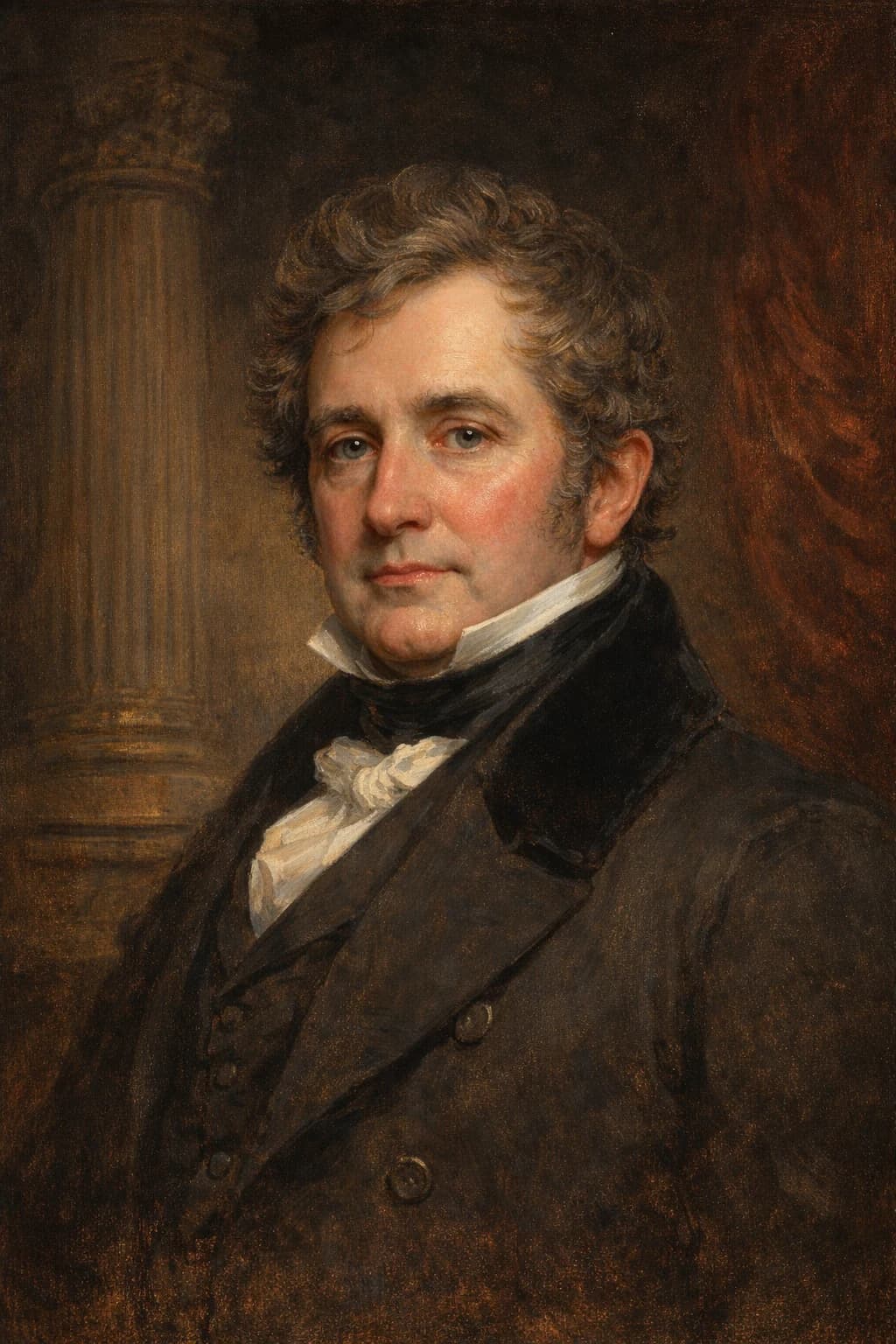
Frederick Robinson, Viscount Goderich
1827–1828Goderich proved unable to hold together a coherent ministry and resigned after only a few months.View profile →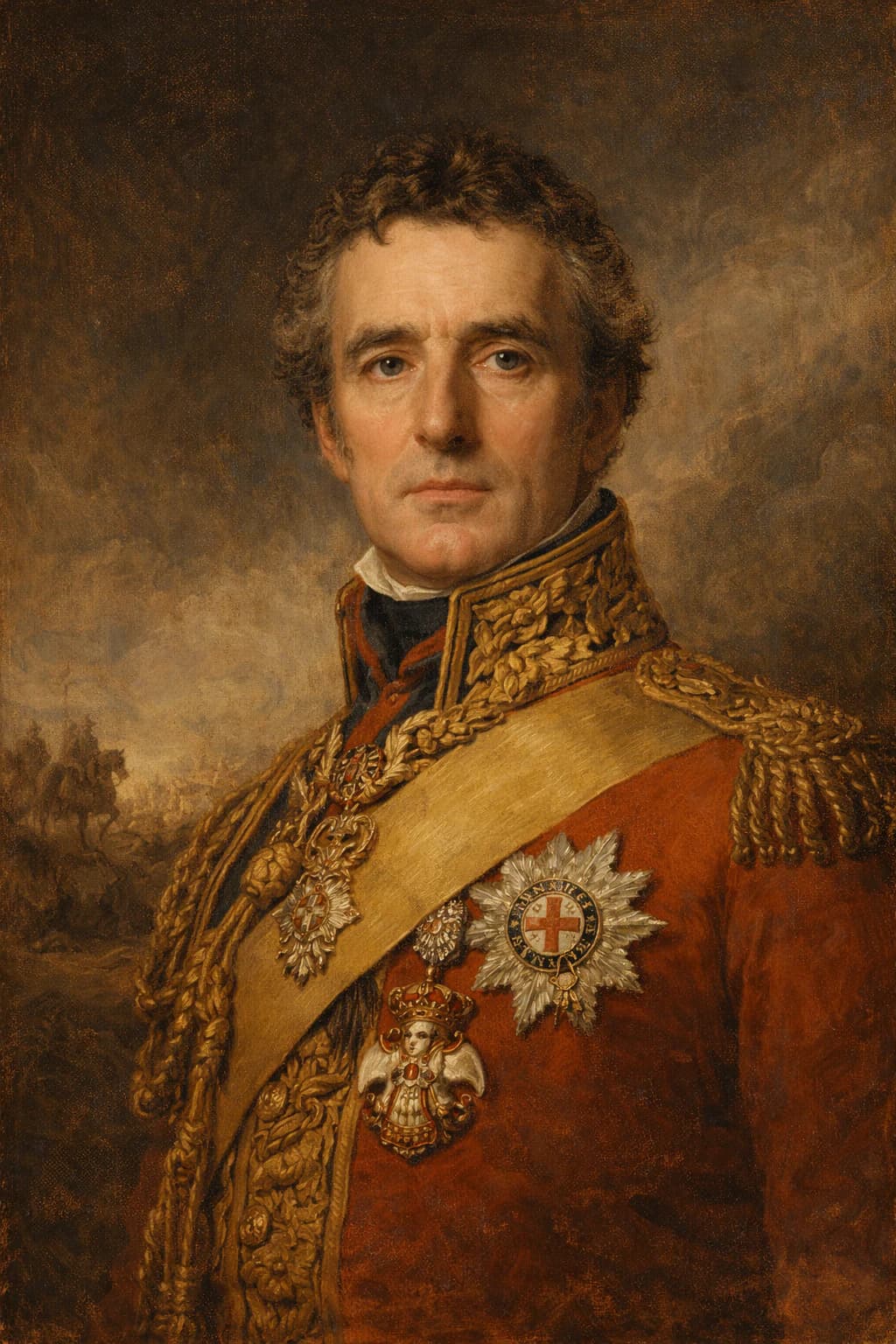
Arthur Wellesley, Duke of Wellington
1828–1830 · 1834The hero of Waterloo passed Catholic Emancipation but struggled with rising pressure for political reform.View profile →Key facts about British prime ministers
- First prime minister: Sir Robert Walpole (1721–1742)
- Current prime minister: Andy Burnham (2026–present)
- Longest-serving: Sir Robert Walpole (over 20 years)
- Total premierships listed: 82
How the role of prime minister developed
The role of prime minister was not formally defined at first. Sir Robert Walpole is generally considered the first holder of the office, though the position evolved gradually from senior ministers advising the monarch.
Over time, power shifted from the Crown to Parliament, and the prime minister became the central figure in British government. The rise of organised political parties, electoral reform in the nineteenth century, and the expansion of democracy all reshaped the office into its modern form.
This page lists every premiership in order, including multiple terms served by the same individual, to give a complete picture of political leadership in Britain.
Frequently asked questions
Who was the first British prime minister?
Robert Walpole is generally treated as the first British prime minister. He took office in 1721 and set the pattern for the role as it developed in the eighteenth century.
Who is the current British prime minister?
Andy Burnham became prime minister on 20 July 2026, succeeding Sir Keir Starmer after Labour’s leadership transition.
Why do some prime ministers appear more than once?
Several prime ministers returned to office after losing power, resigning, or heading a new ministry later on. This page lists each separate premiership in chronological order.
Which party has produced the most prime ministers?
Historically, Whig, Tory, Conservative, and Liberal traditions have dominated, with Labour emerging in the twentieth century as a major governing party.
Who served the longest as prime minister?
Sir Robert Walpole is usually counted as the longest-serving British prime minister, with a tenure of more than twenty years.
