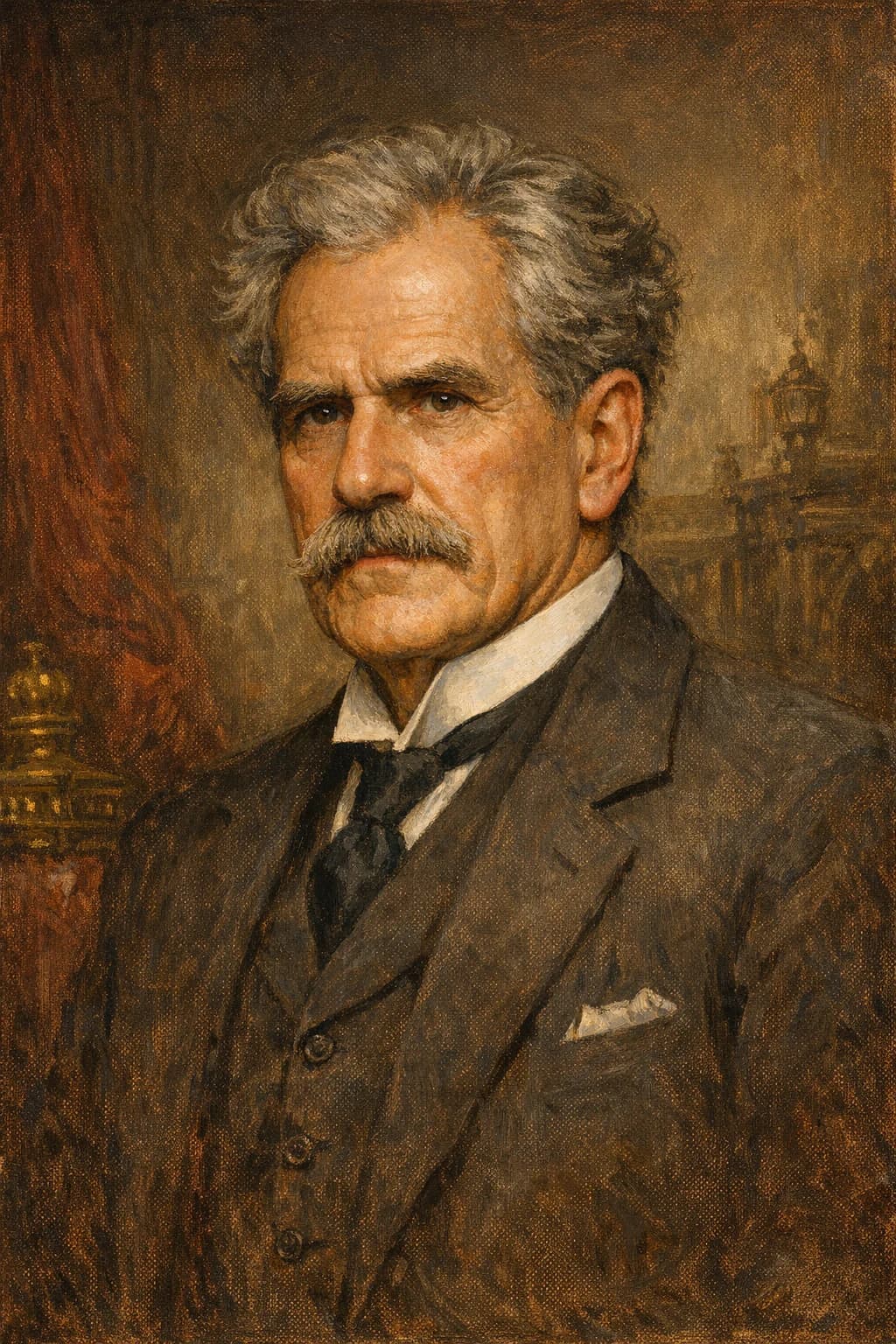
Lineage
List of British Prime Ministers in Order
Explore all British prime ministers in chronological order, from Sir Robert Walpole in 1721 to the present day.
This timeline shows every premiership, including repeat terms, with party affiliation, key dates, and concise summaries. Switch between a visual timeline and a structured party view to understand how leadership in Britain has evolved over time.
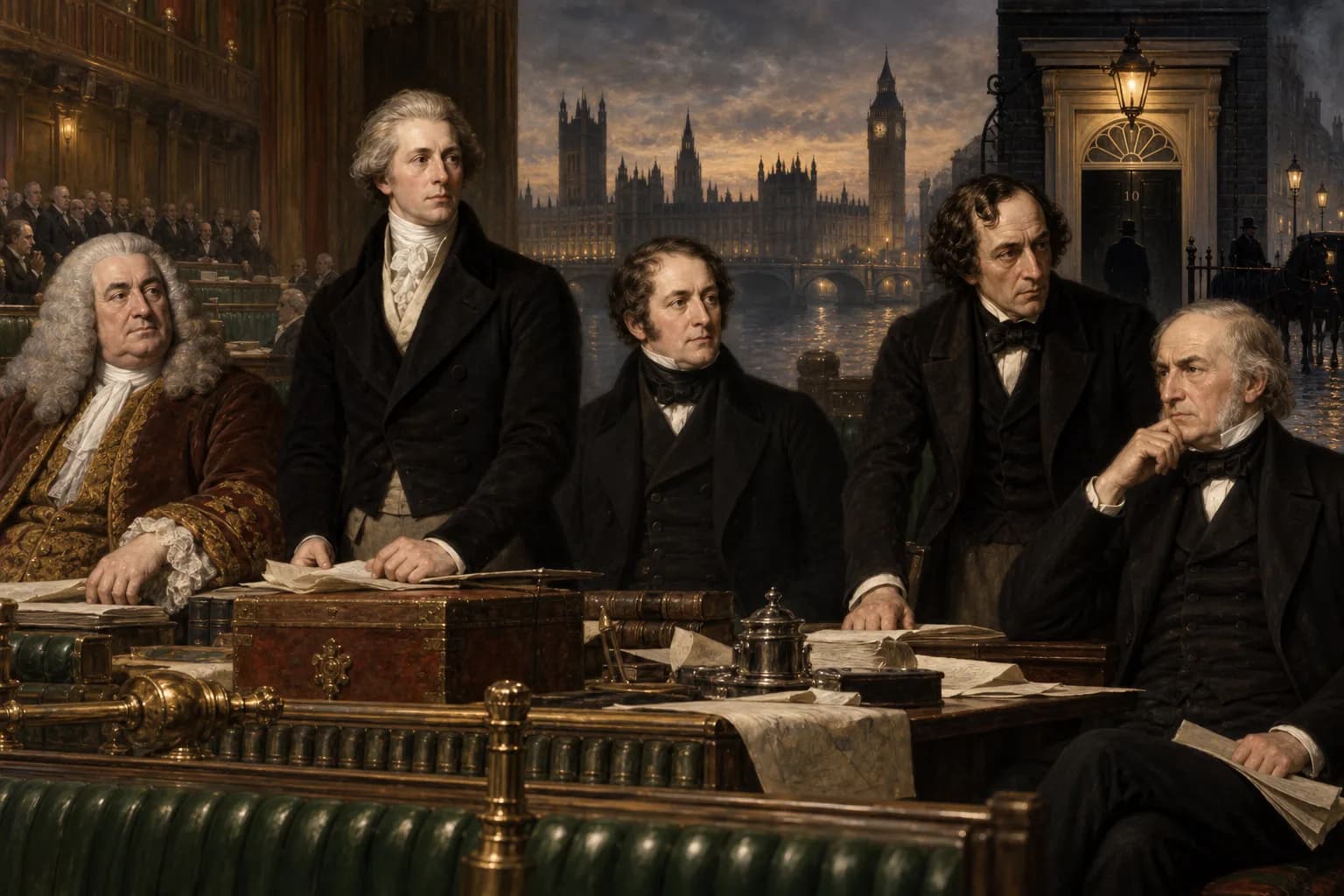
Labour
8 prime ministers · 10 premierships
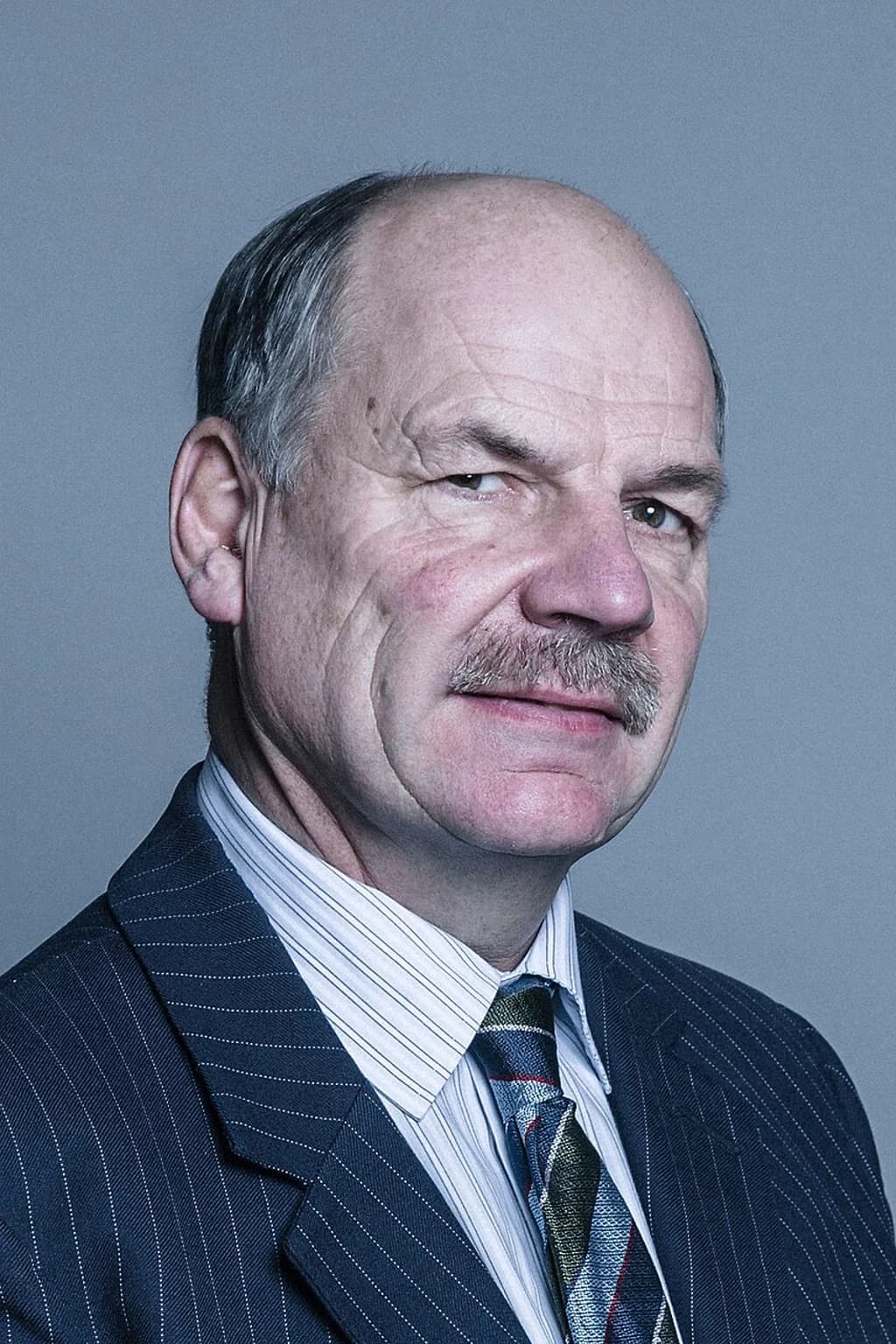
Clement Attlee
1945–1951Attlee’s government built the postwar welfare state, founded the NHS, and oversaw reconstruction and decolonisation.View profile →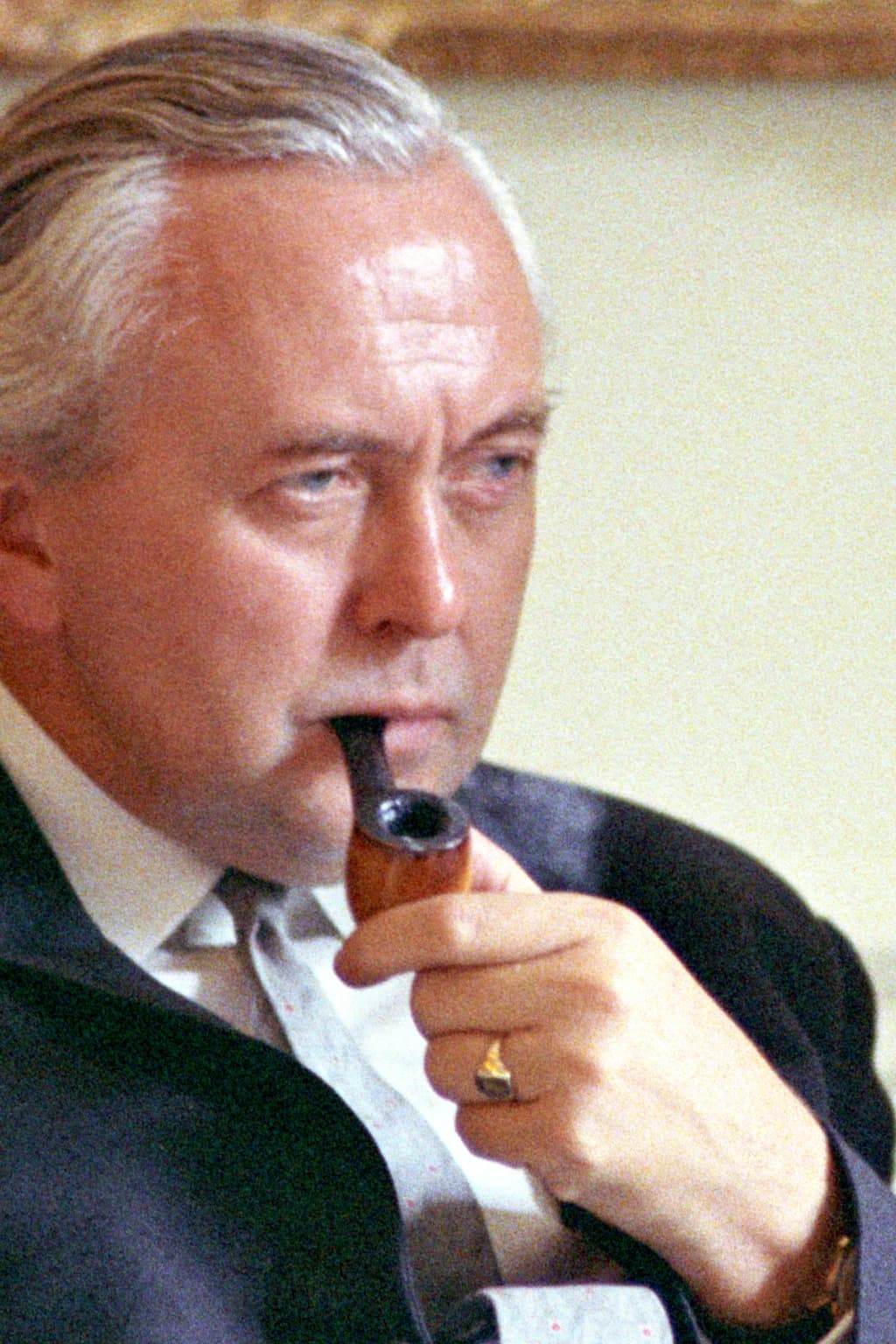
Harold Wilson
1964–1970 · 1974–1976Wilson presented Labour as the party of modernisation, technology, and social change in the 1960s.View profile →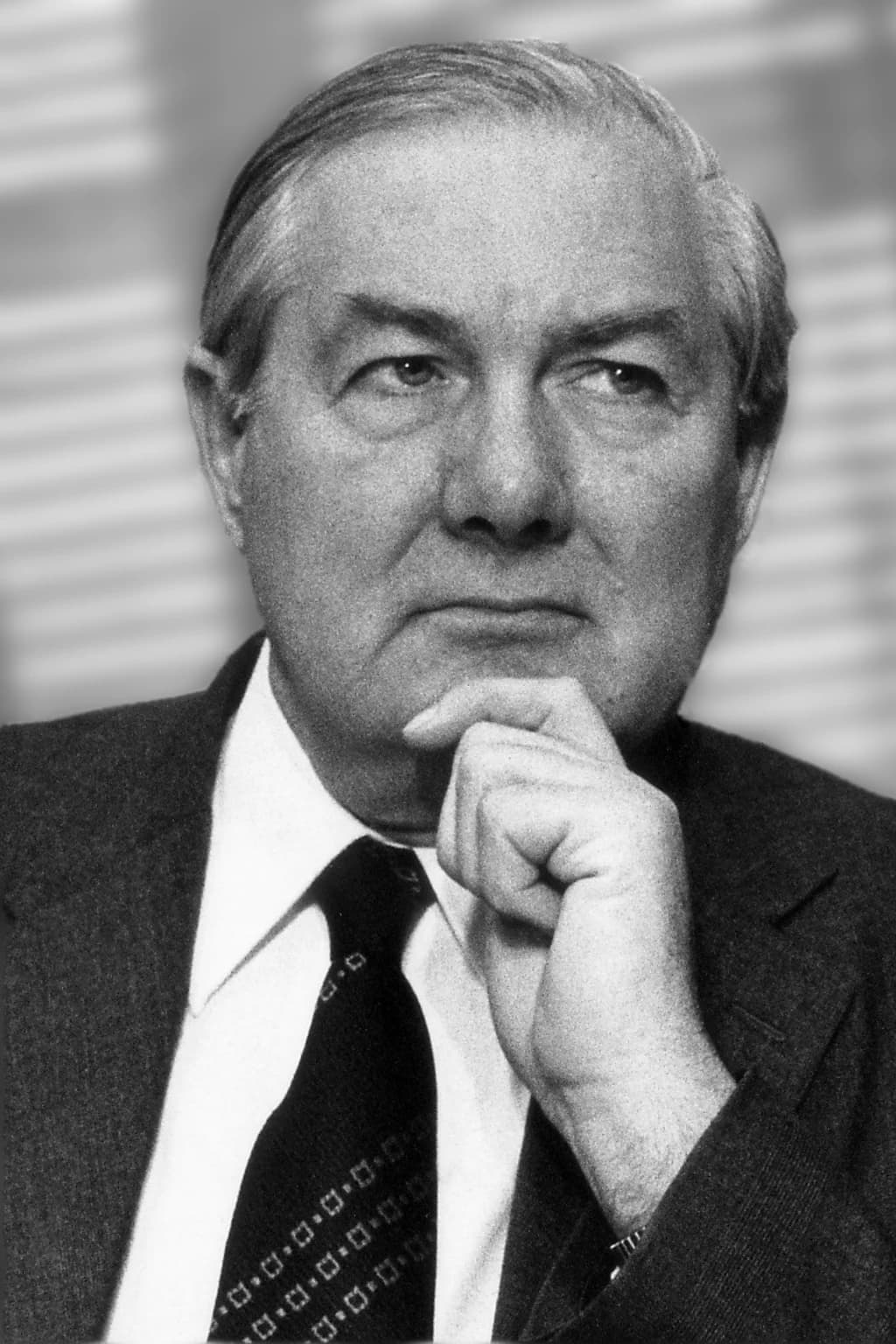
James Callaghan
1976–1979Callaghan struggled through austerity and unrest, ending with the Winter of Discontent and Labour’s defeat.View profile →
Sir Tony Blair
1997–2007Blair led New Labour to three election victories, pairing domestic reform with the divisive Iraq War.View profile →
Gordon Brown
2007–2010Brown’s premiership was dominated by the global financial crisis and the politics of recession and recovery.View profile →
Sir Keir Starmer
2024–2026Starmer entered Downing Street after Labour’s 2024 victory, but resigned in 2026 after a rapid loss of authority.View profile →
Andy Burnham
2026–presentBurnham succeeded Starmer after returning from the Greater Manchester mayoralty to Parliament and Labour leadership.View profile →Key facts about British prime ministers
- First prime minister: Sir Robert Walpole (1721–1742)
- Current prime minister: Andy Burnham (2026–present)
- Longest-serving: Sir Robert Walpole (over 20 years)
- Total premierships listed: 82
How the role of prime minister developed
The role of prime minister was not formally defined at first. Sir Robert Walpole is generally considered the first holder of the office, though the position evolved gradually from senior ministers advising the monarch.
Over time, power shifted from the Crown to Parliament, and the prime minister became the central figure in British government. The rise of organised political parties, electoral reform in the nineteenth century, and the expansion of democracy all reshaped the office into its modern form.
This page lists every premiership in order, including multiple terms served by the same individual, to give a complete picture of political leadership in Britain.
Frequently asked questions
Who was the first British prime minister?
Robert Walpole is generally treated as the first British prime minister. He took office in 1721 and set the pattern for the role as it developed in the eighteenth century.
Who is the current British prime minister?
Andy Burnham became prime minister on 20 July 2026, succeeding Sir Keir Starmer after Labour’s leadership transition.
Why do some prime ministers appear more than once?
Several prime ministers returned to office after losing power, resigning, or heading a new ministry later on. This page lists each separate premiership in chronological order.
Which party has produced the most prime ministers?
Historically, Whig, Tory, Conservative, and Liberal traditions have dominated, with Labour emerging in the twentieth century as a major governing party.
Who served the longest as prime minister?
Sir Robert Walpole is usually counted as the longest-serving British prime minister, with a tenure of more than twenty years.
