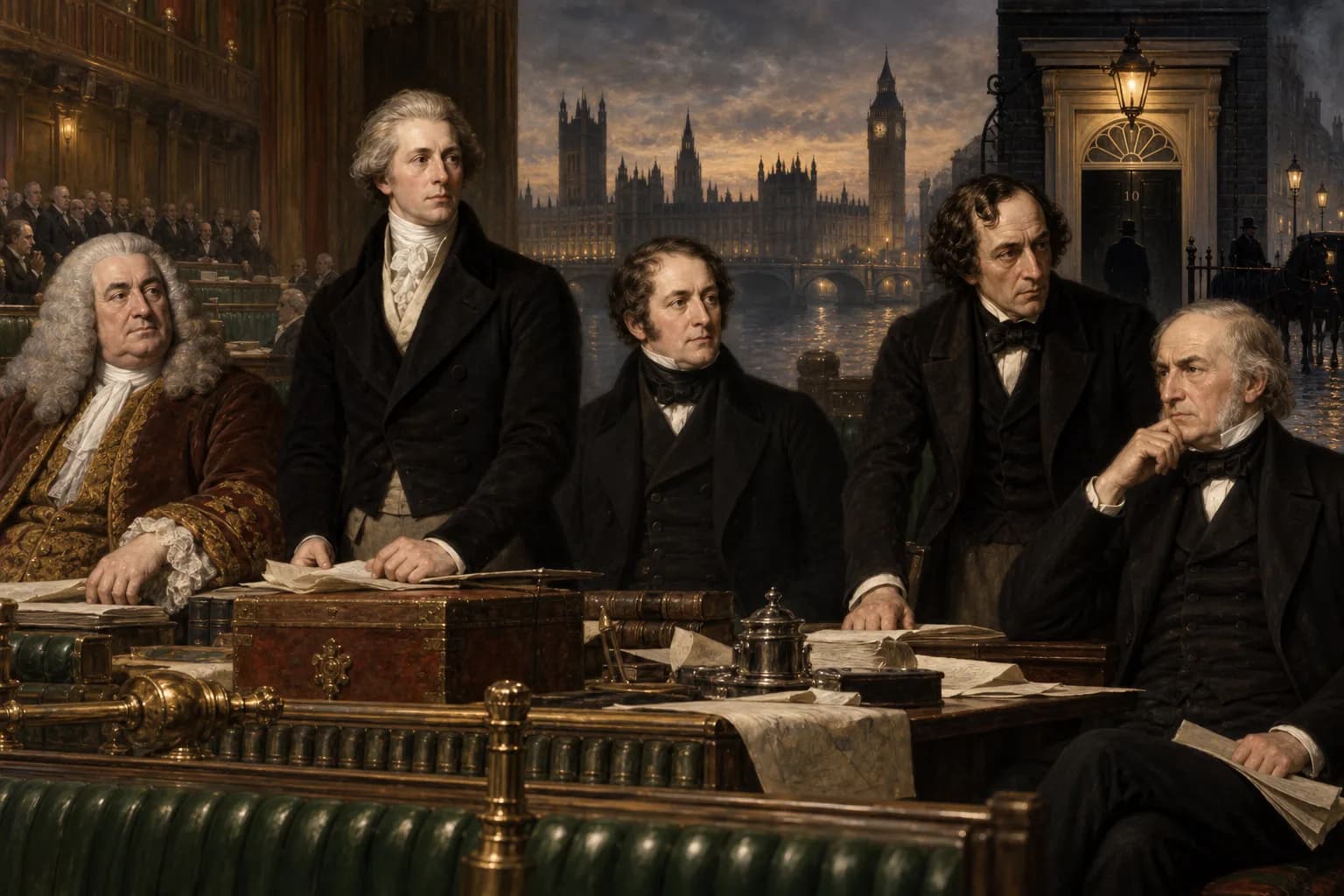
Lineage
List of British Prime Ministers in Order
Explore all British prime ministers in chronological order, from Sir Robert Walpole in 1721 to the present day.
This timeline shows every premiership, including repeat terms, with party affiliation, key dates, and concise summaries. Switch between a visual timeline and a structured party view to understand how leadership in Britain has evolved over time.
Conservative
20 prime ministers · 28 premierships
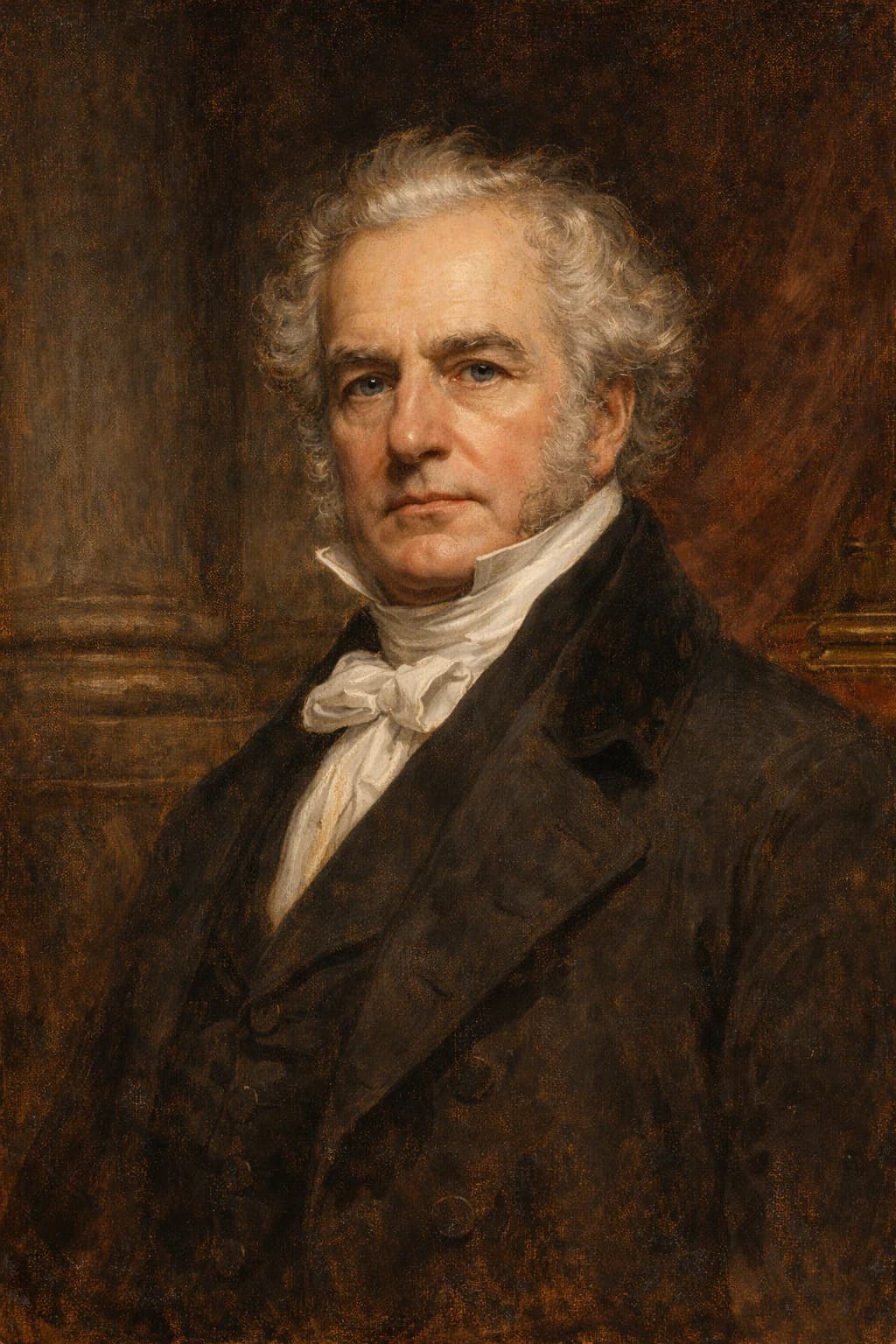
Edward Smith-Stanley, 14th Earl of Derby
1852 · 1858–1859 · 1866–1868Derby’s first government was brief, but he remained central to Conservative politics across a turbulent generation.View profile →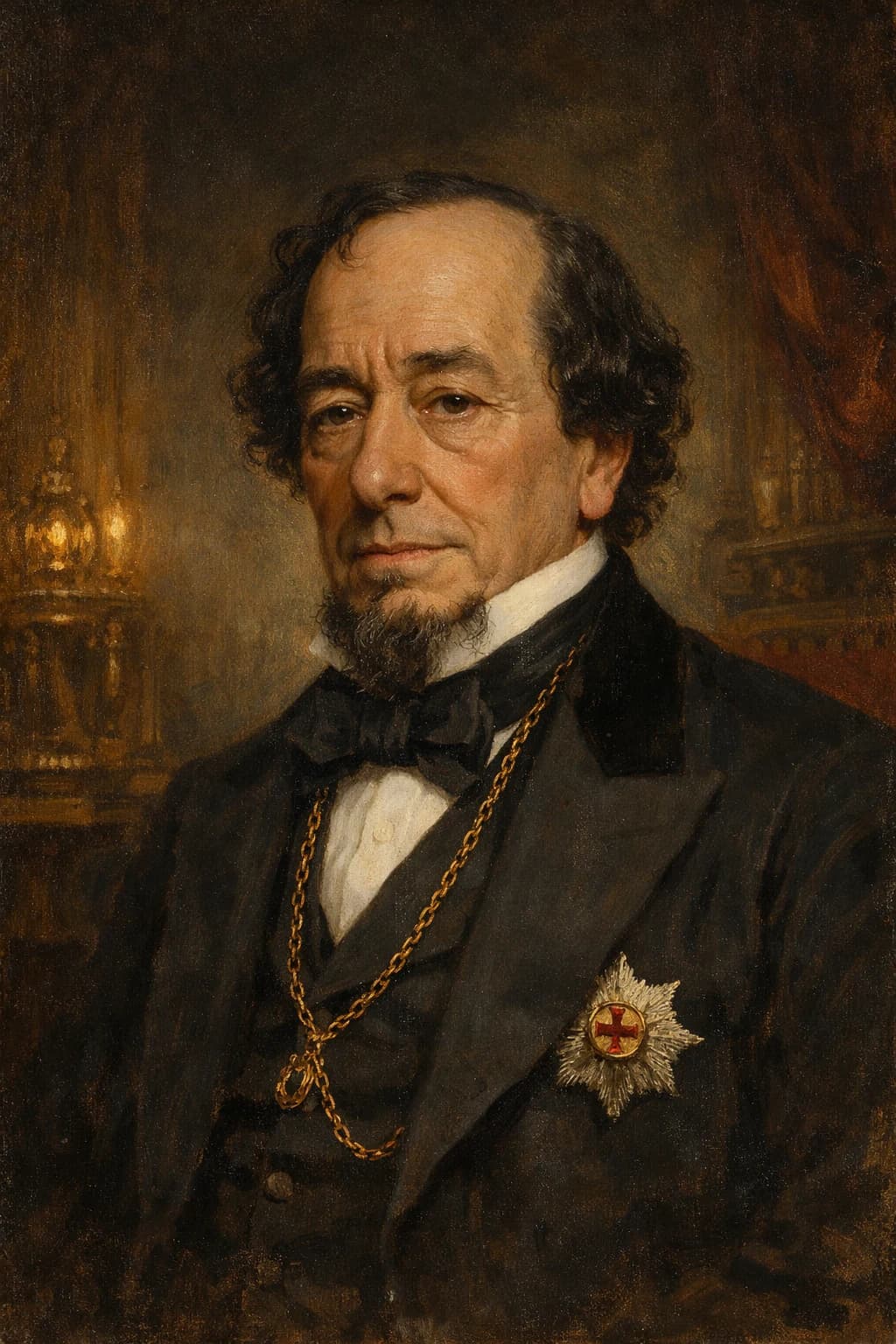
Benjamin Disraeli
1868 · 1874–1880Disraeli’s first spell was brief, but he soon emerged as one of the defining Conservative leaders of the century.View profile →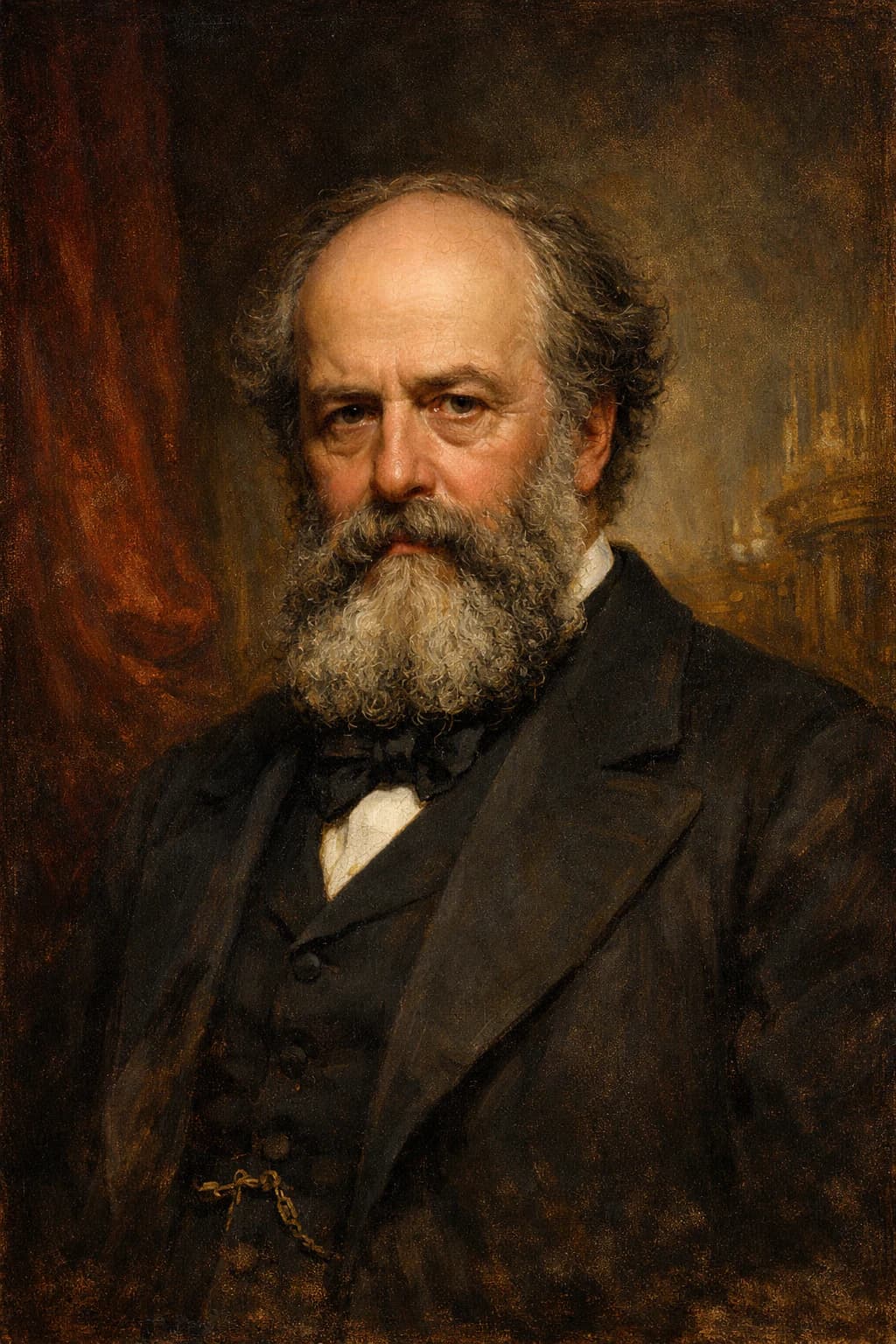
Robert Gascoyne-Cecil, 3rd Marquess of Salisbury
1885–1886 · 1886–1892 · 1895–1902Salisbury’s first government began a long Conservative ascendancy in late Victorian politics.View profile →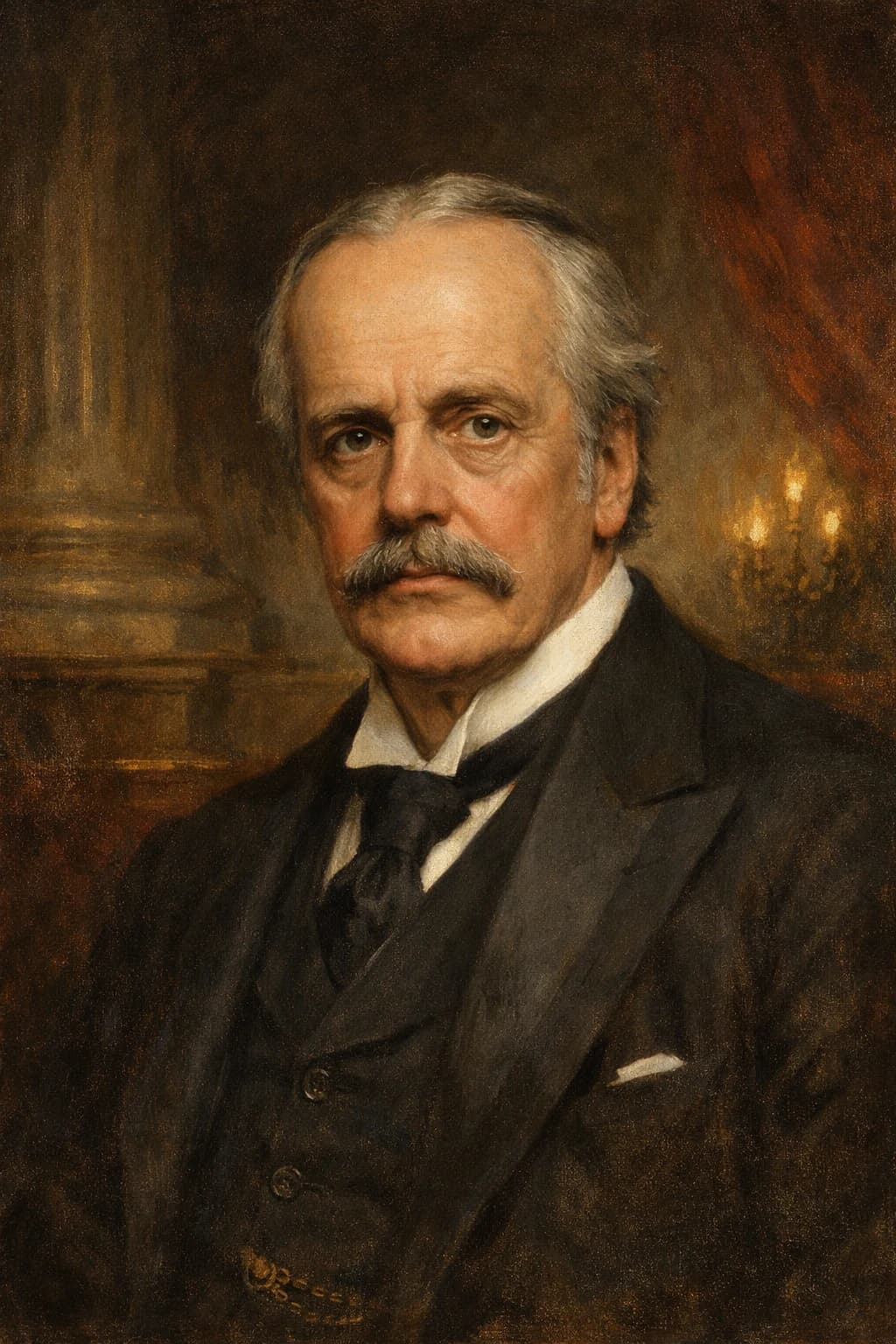
Arthur Balfour
1902–1905Balfour inherited office from Salisbury but saw his party weakened by education, tariff, and imperial controversies.View profile →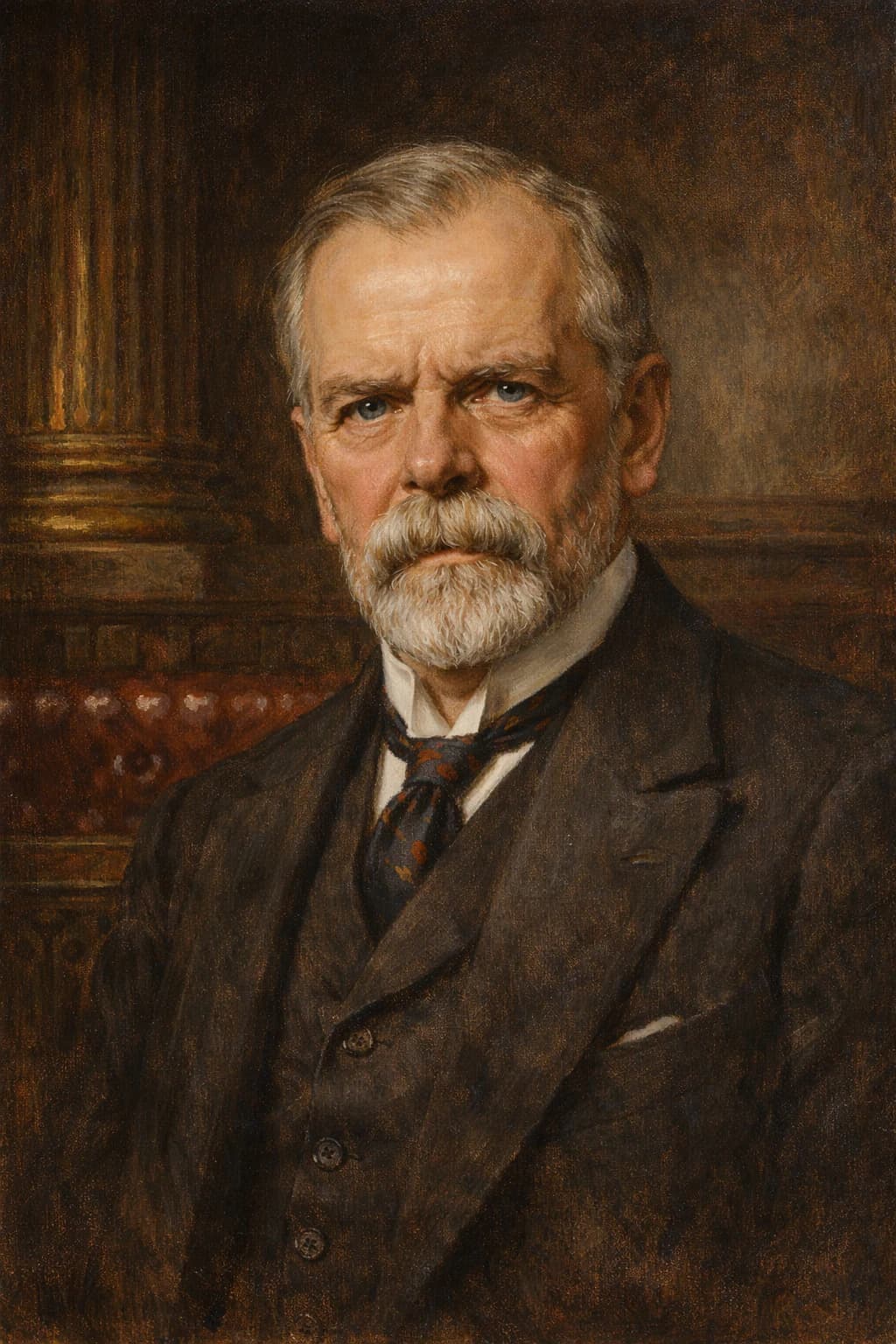
Bonar Law
1922–1923Bonar Law ended the wartime coalition era, but ill health meant his premiership lasted only a short time.View profile →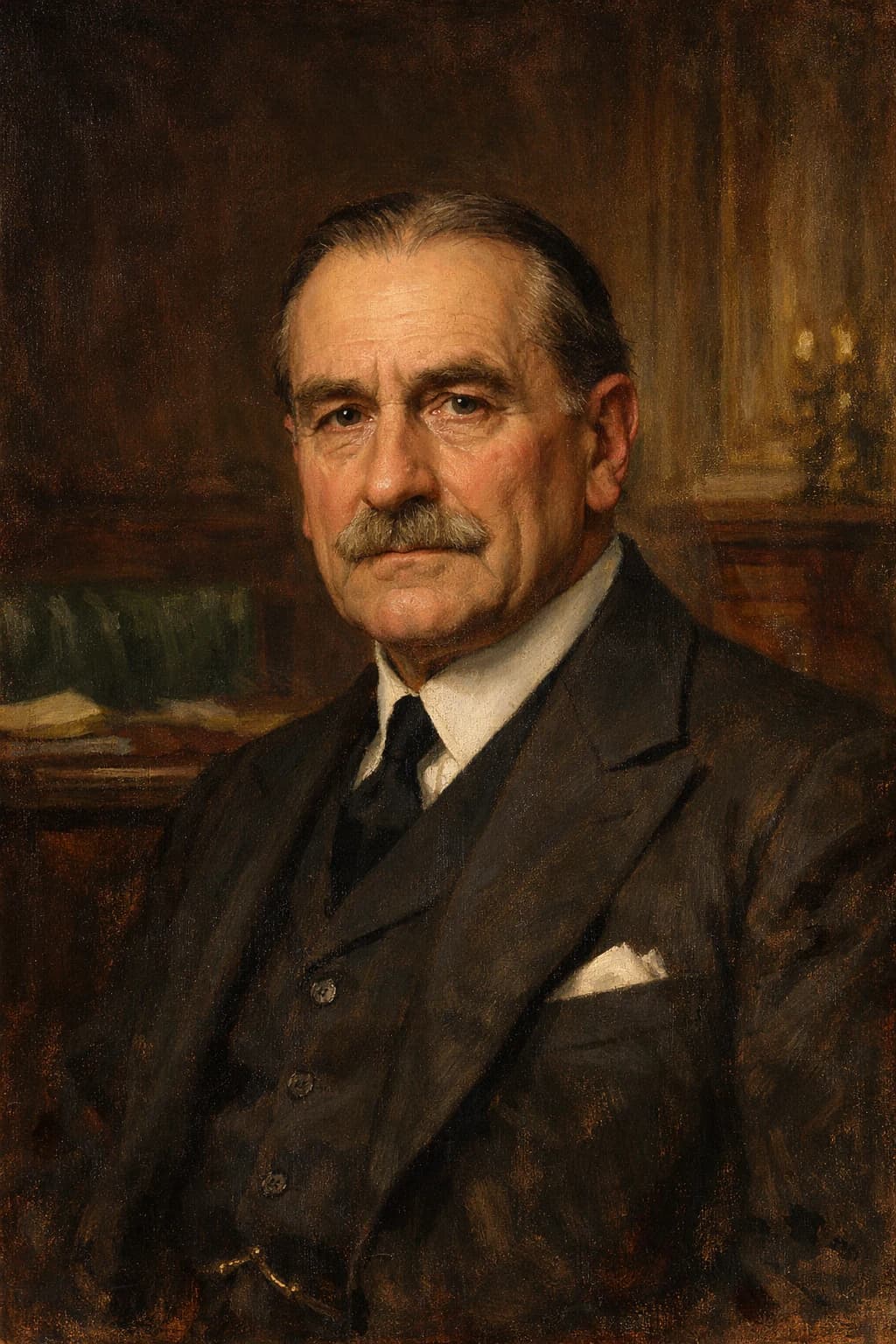
Stanley Baldwin
1923–1924 · 1924–1929 · 1935–1937Baldwin’s first ministry fell after seeking a tariff mandate, opening the way for Labour’s first government.View profile →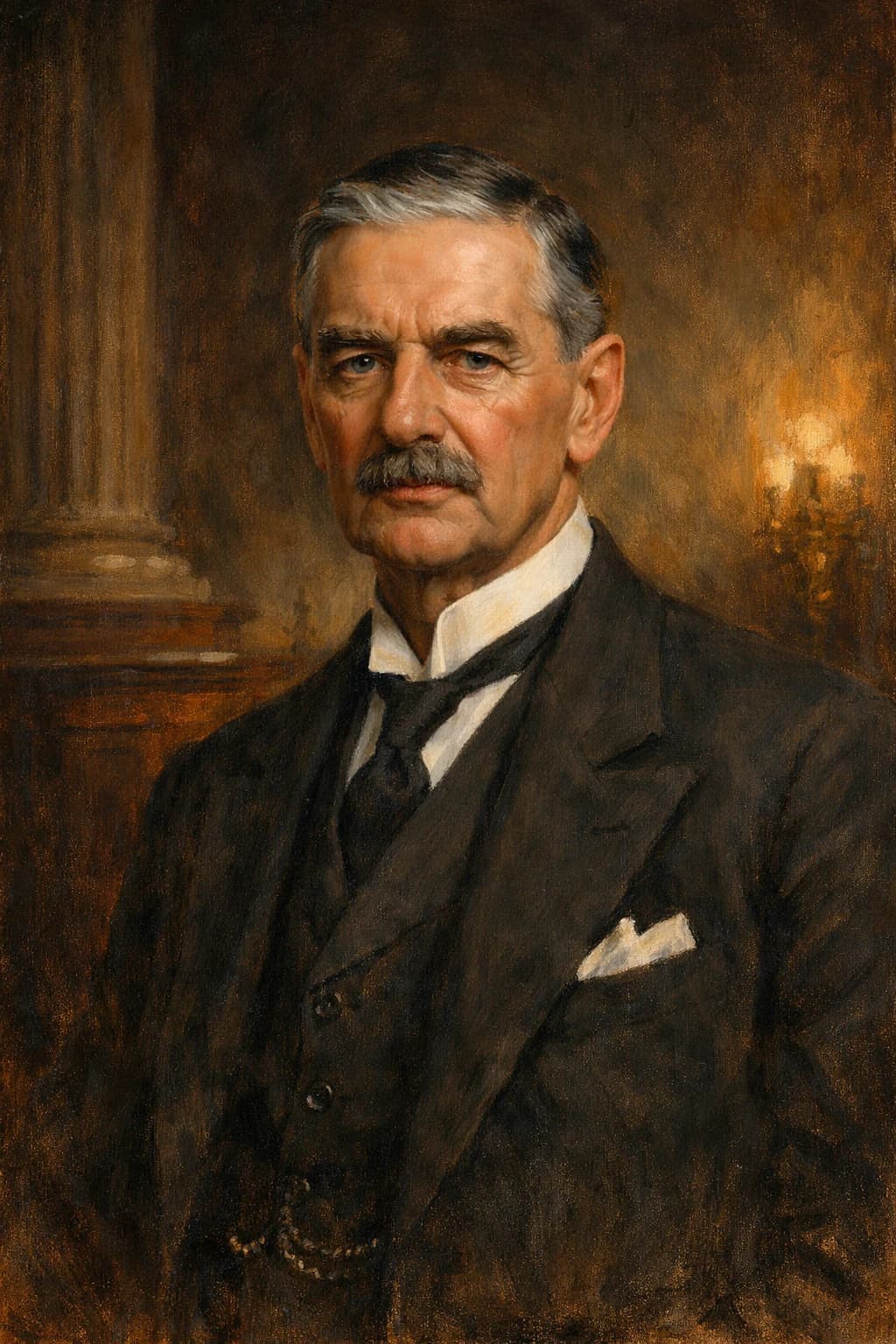
Neville Chamberlain
1937–1940Chamberlain is inseparable from appeasement, though his fall came in the first desperate phase of the Second World War.View profile →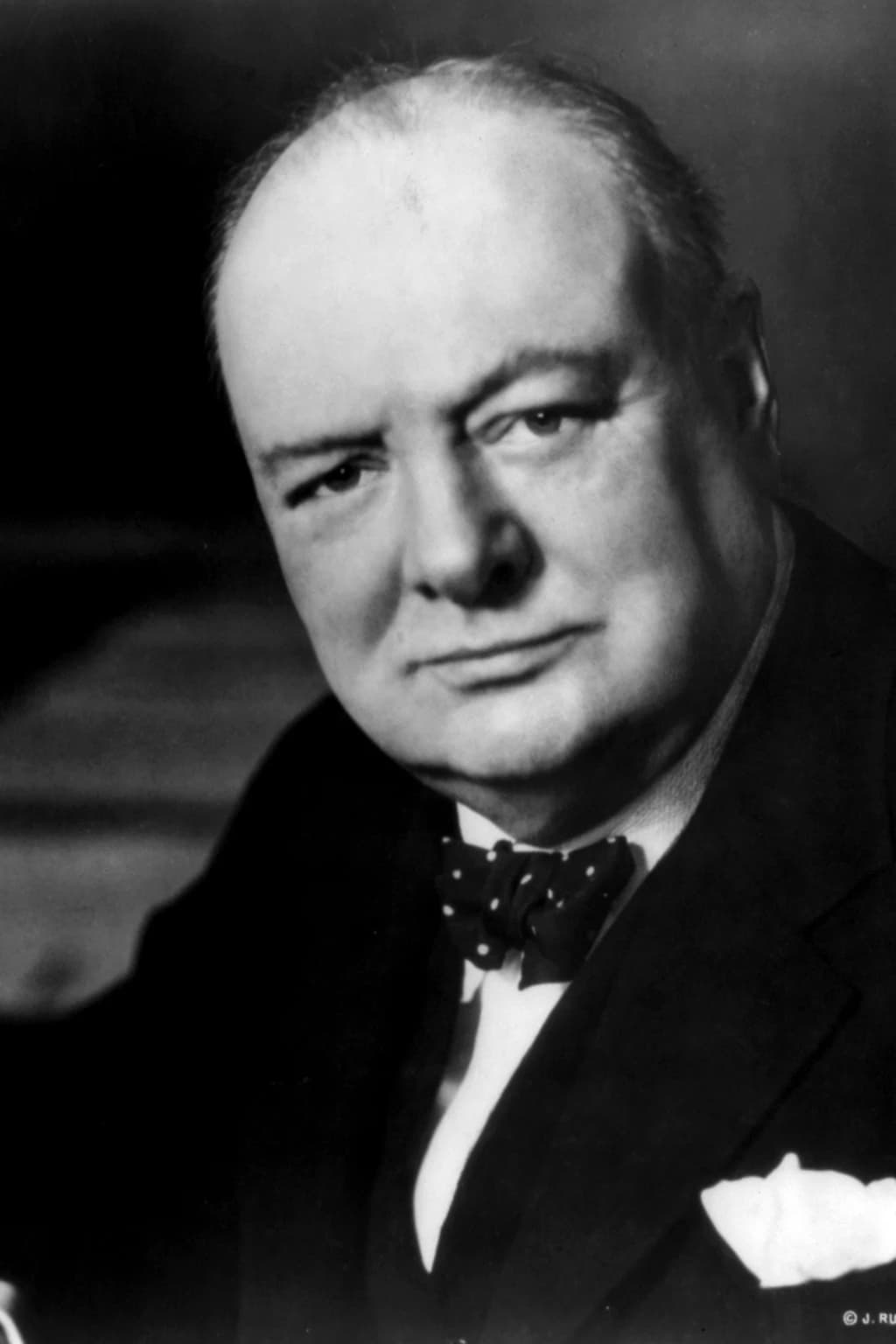
Sir Winston Churchill
1951–1955Churchill returned in old age, symbolising continuity and prestige in the early Cold War era.View profile →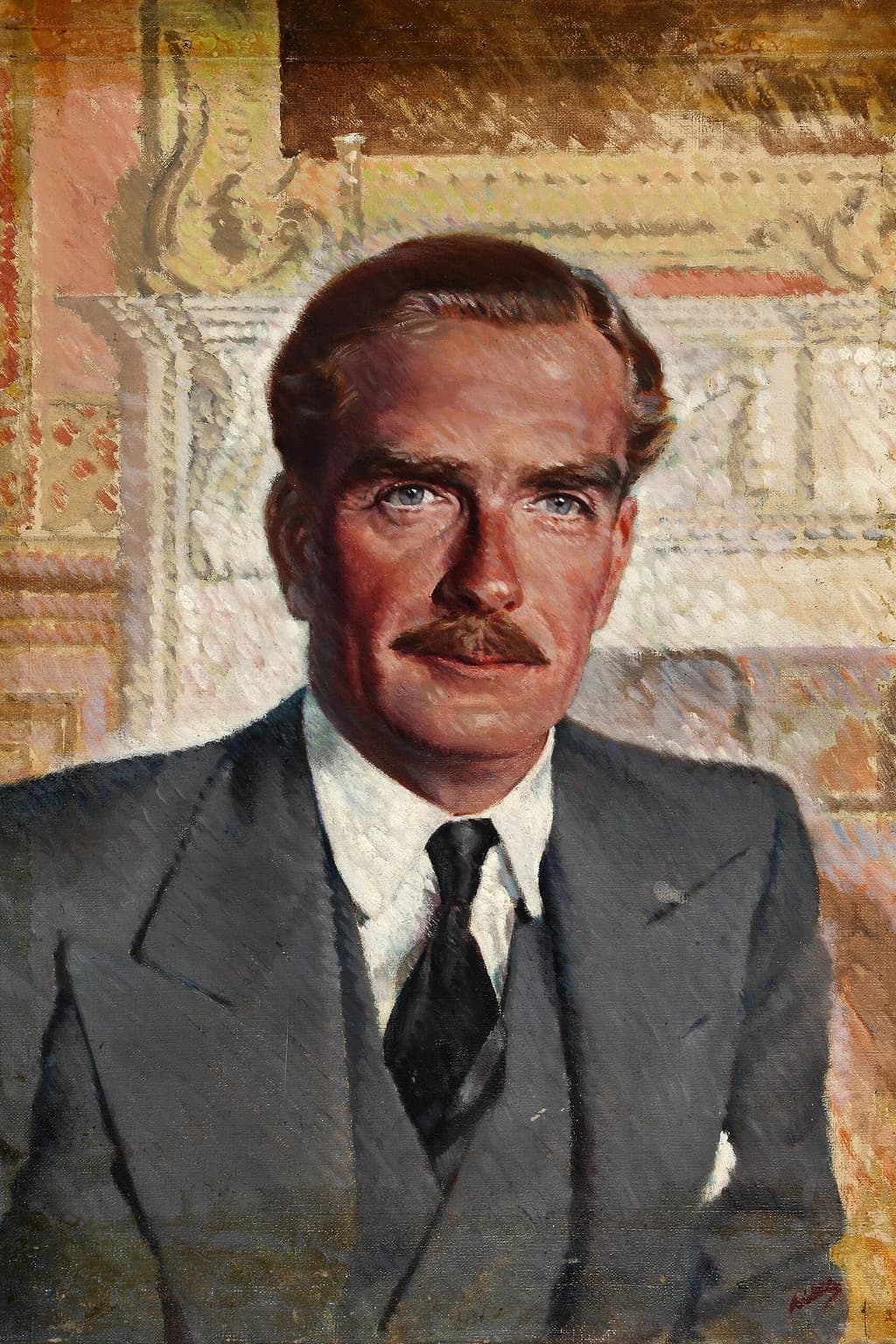
Sir Anthony Eden
1955–1957Eden’s reputation was badly damaged by the Suez Crisis, which exposed the limits of Britain’s postwar power.View profile →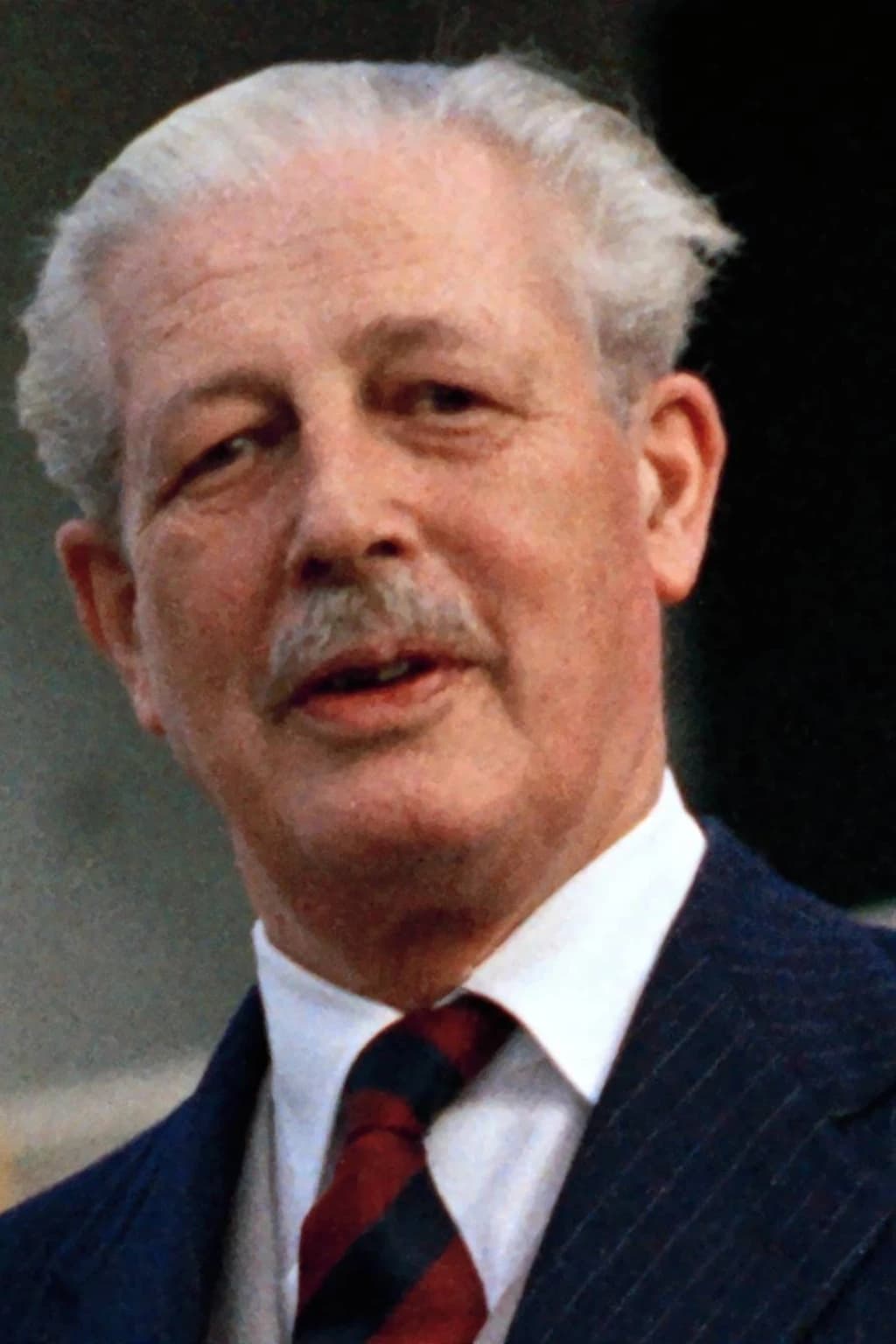
Harold Macmillan
1957–1963Macmillan projected calm prosperity at home while steering Britain through decolonisation and strategic change abroad.View profile →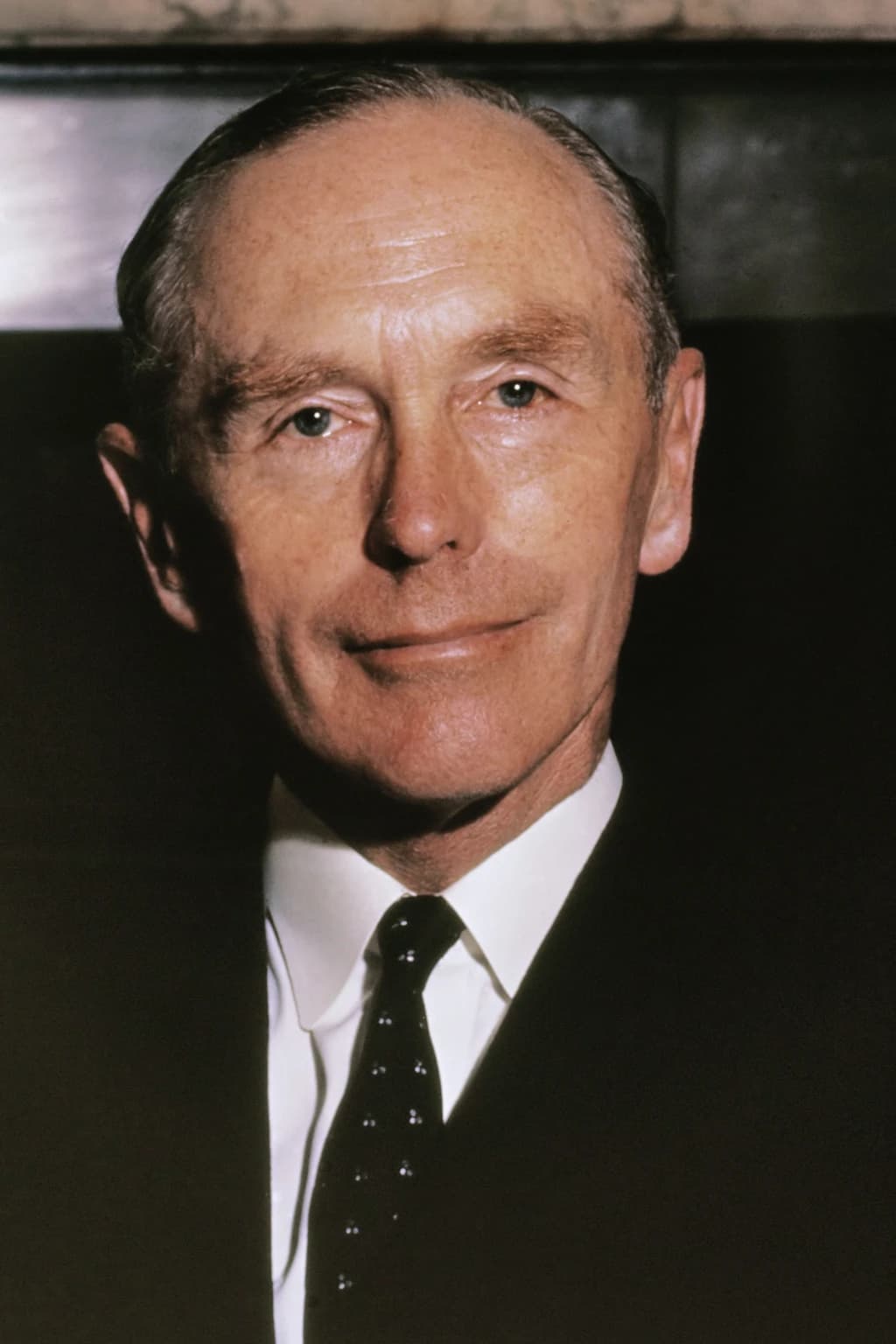
Sir Alec Douglas-Home
1963–1964Douglas-Home renounced his peerage to sit in the Commons, but could not stop Conservative decline.View profile →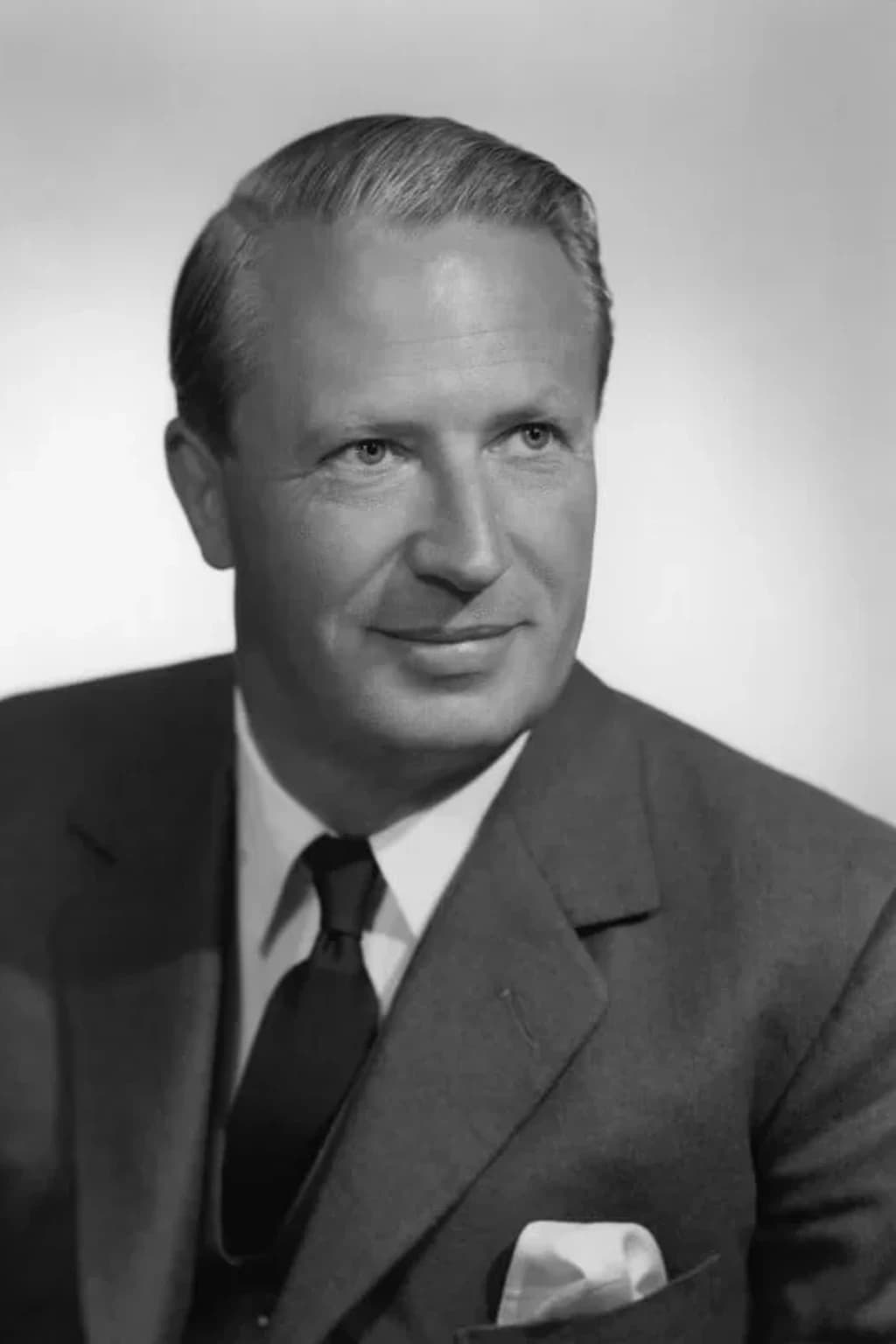
Sir Edward Heath
1970–1974Heath took Britain into the European Economic Community but was weakened by industrial conflict and economic crisis.View profile →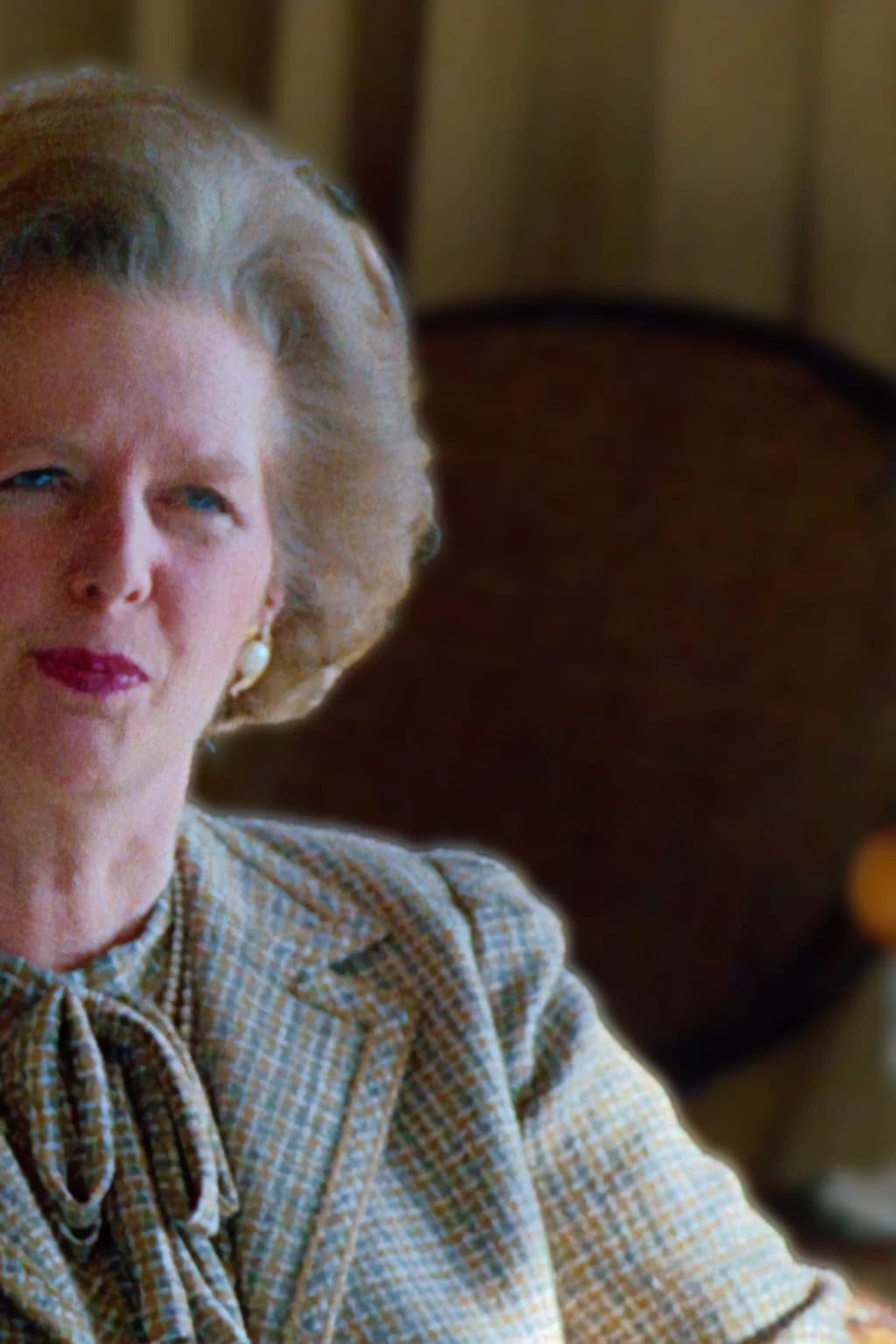
Margaret Thatcher
1979–1990Thatcher transformed the economy, the state, and the tone of British politics more radically than any postwar prime minister.View profile →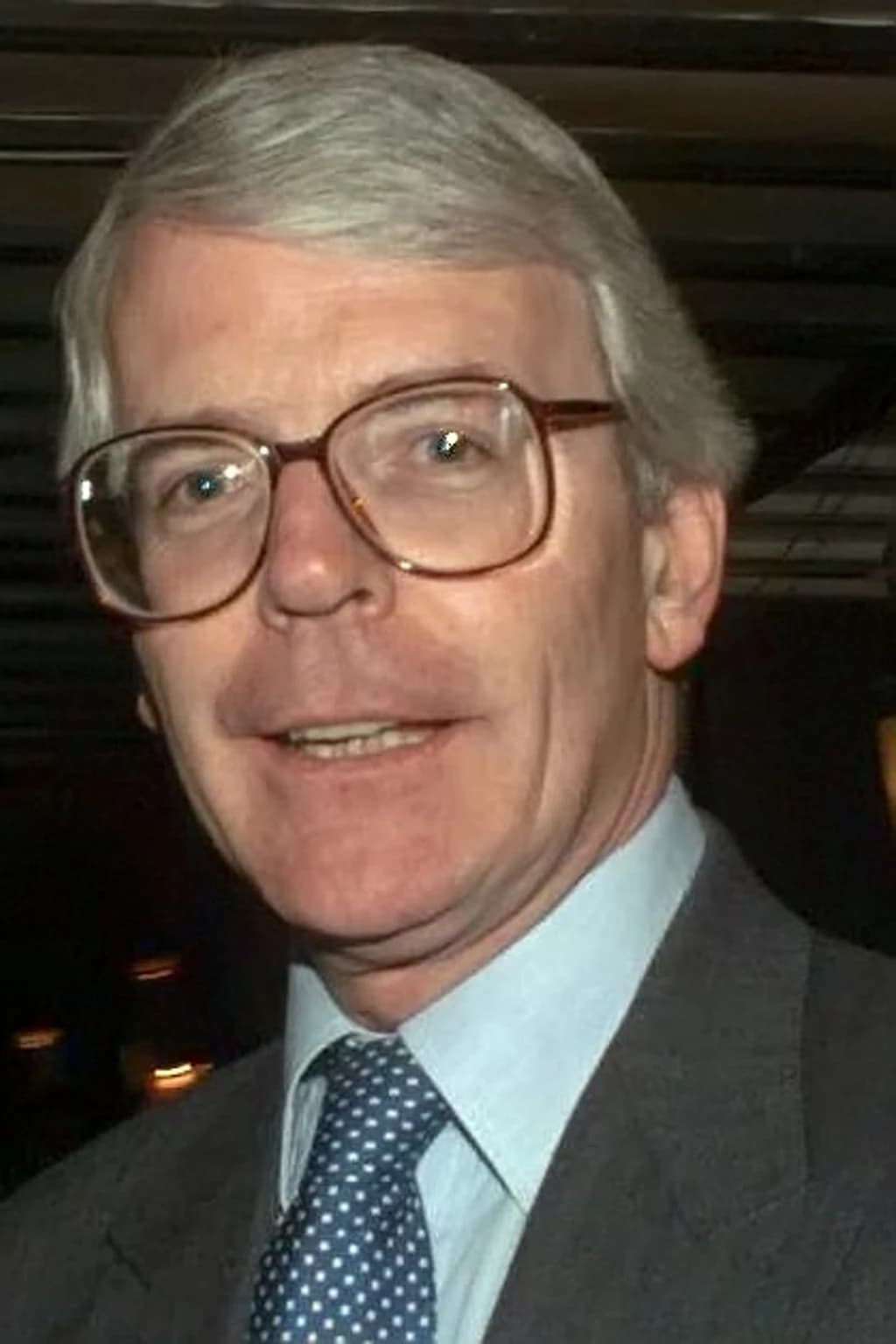
Sir John Major
1990–1997Major combined unexpected electoral success with deep party division over Europe and the strains of a long Conservative era.View profile →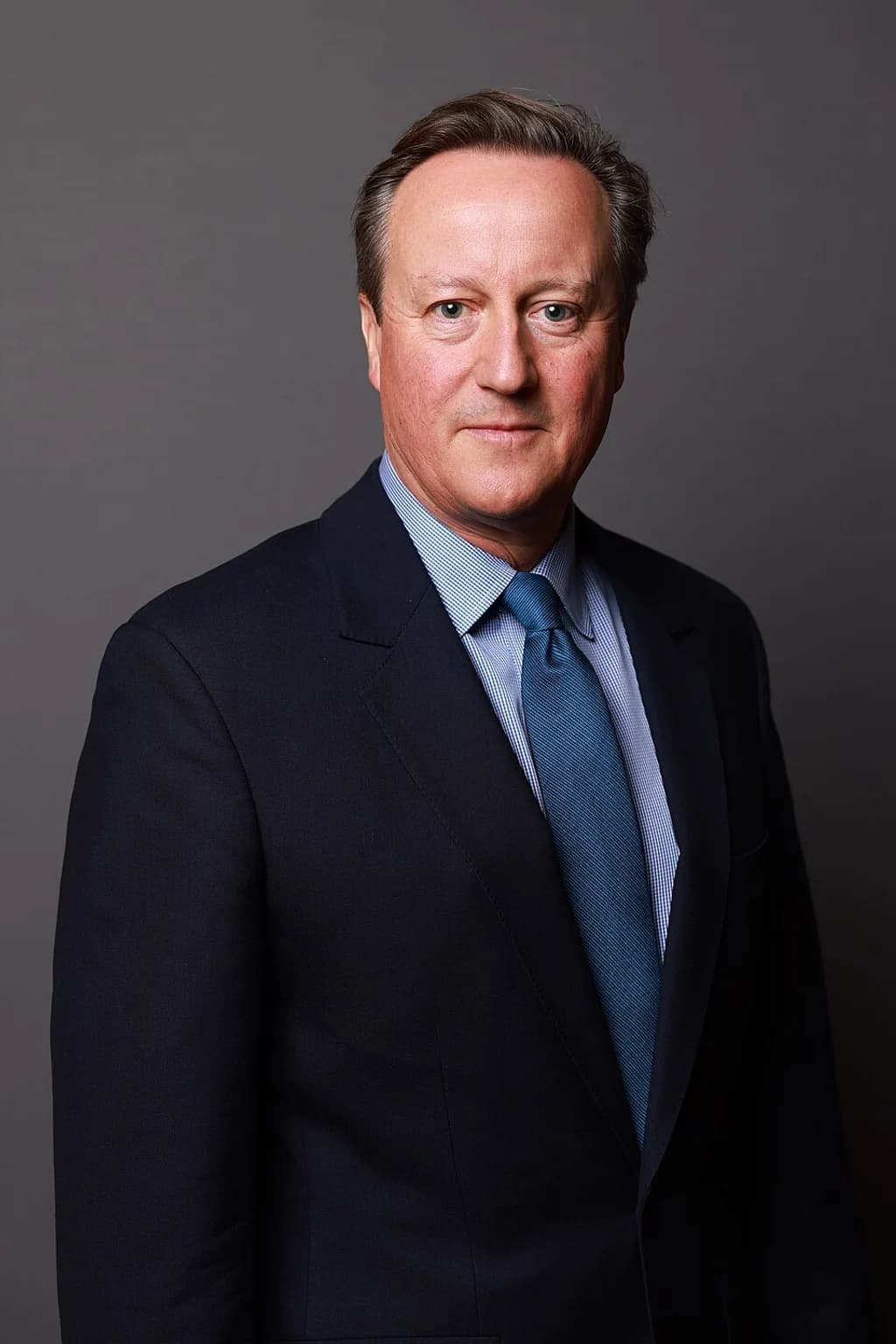
David Cameron
2010–2016Cameron governed first in coalition and then alone, but his legacy was transformed by the Brexit referendum.View profile →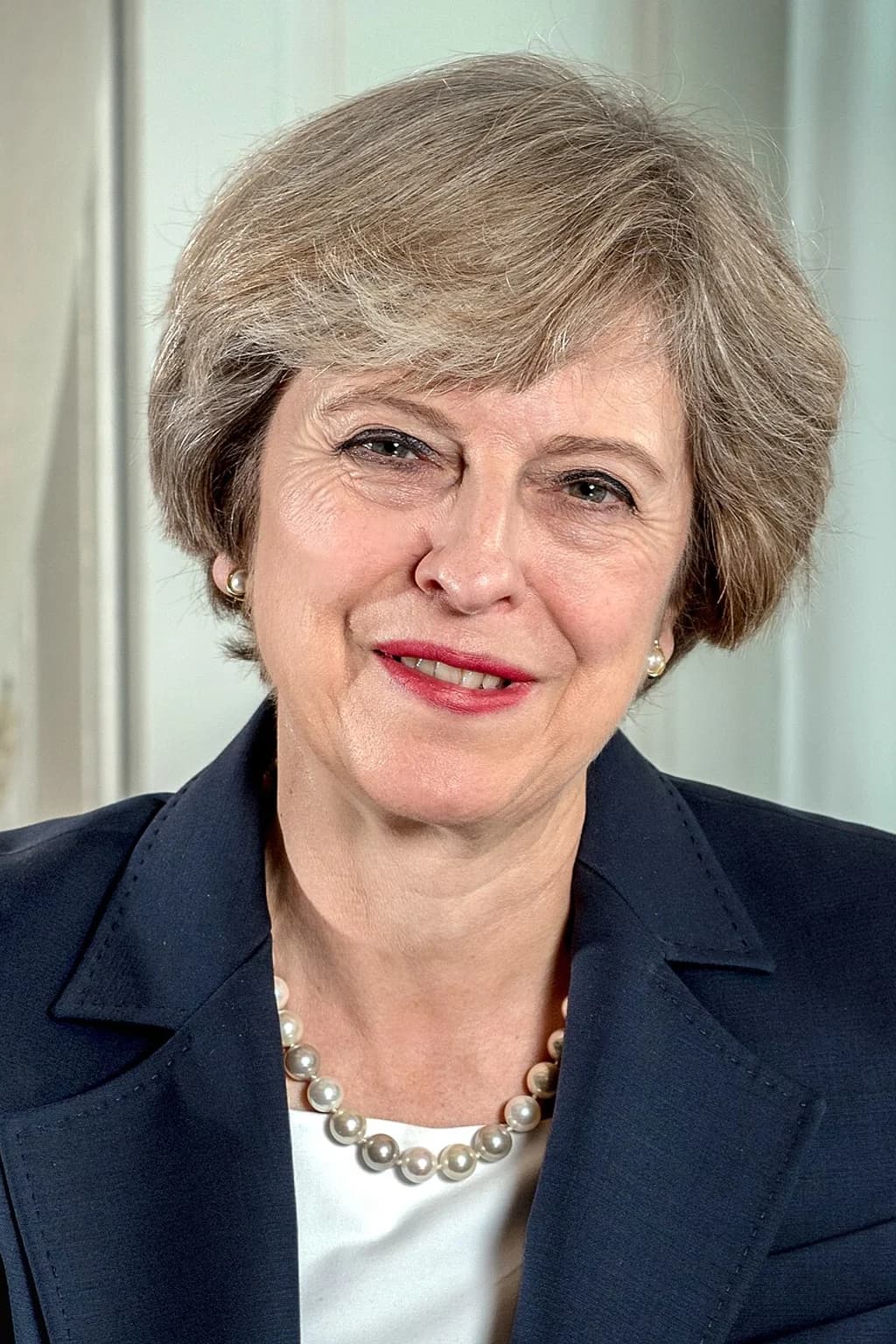
Theresa May
2016–2019May tried to deliver Brexit while managing a divided parliament, but could not secure support for her withdrawal deal.View profile →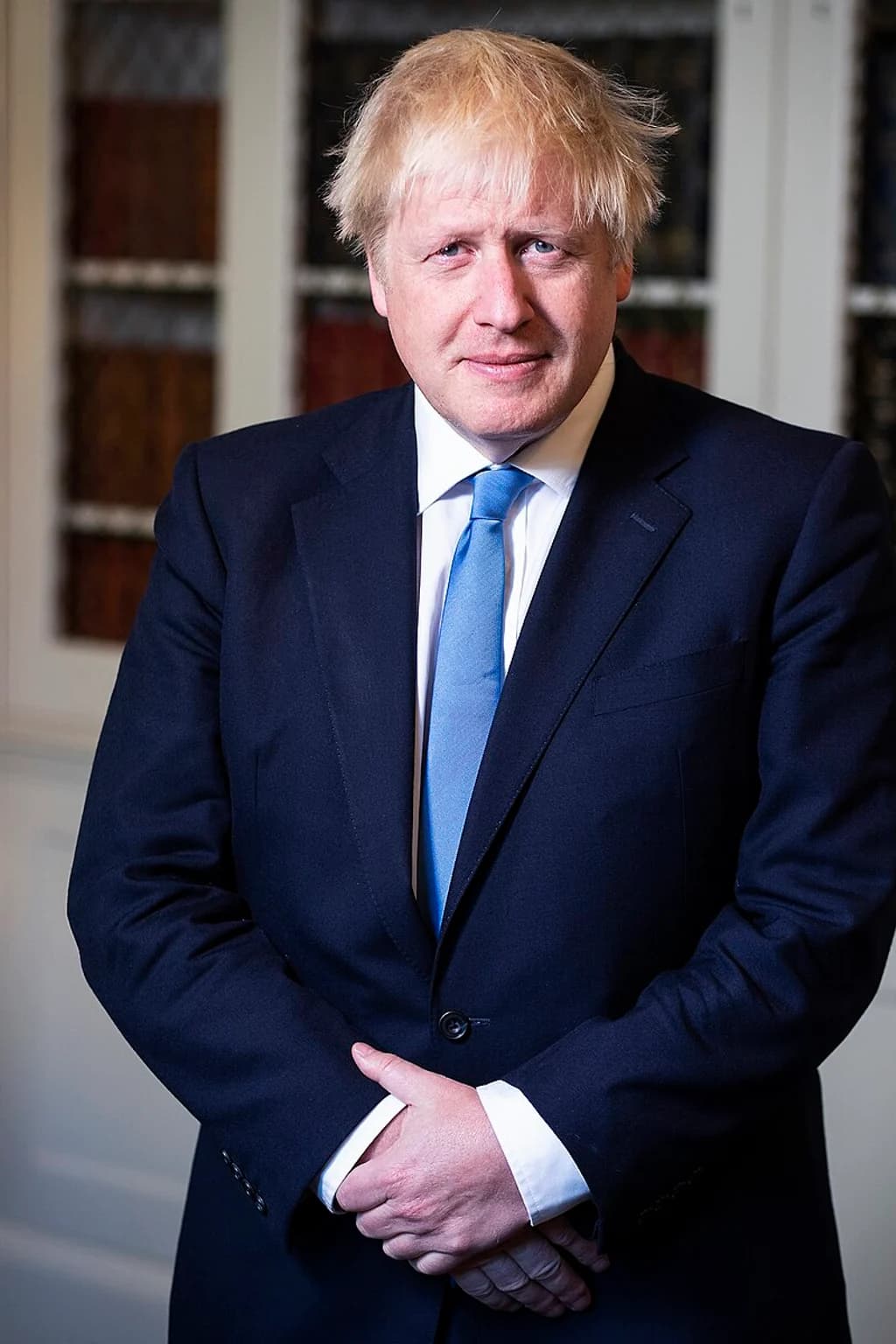
Boris Johnson
2019–2022Johnson won a large majority, completed Brexit, and led through the pandemic before scandal drove him from office.View profile →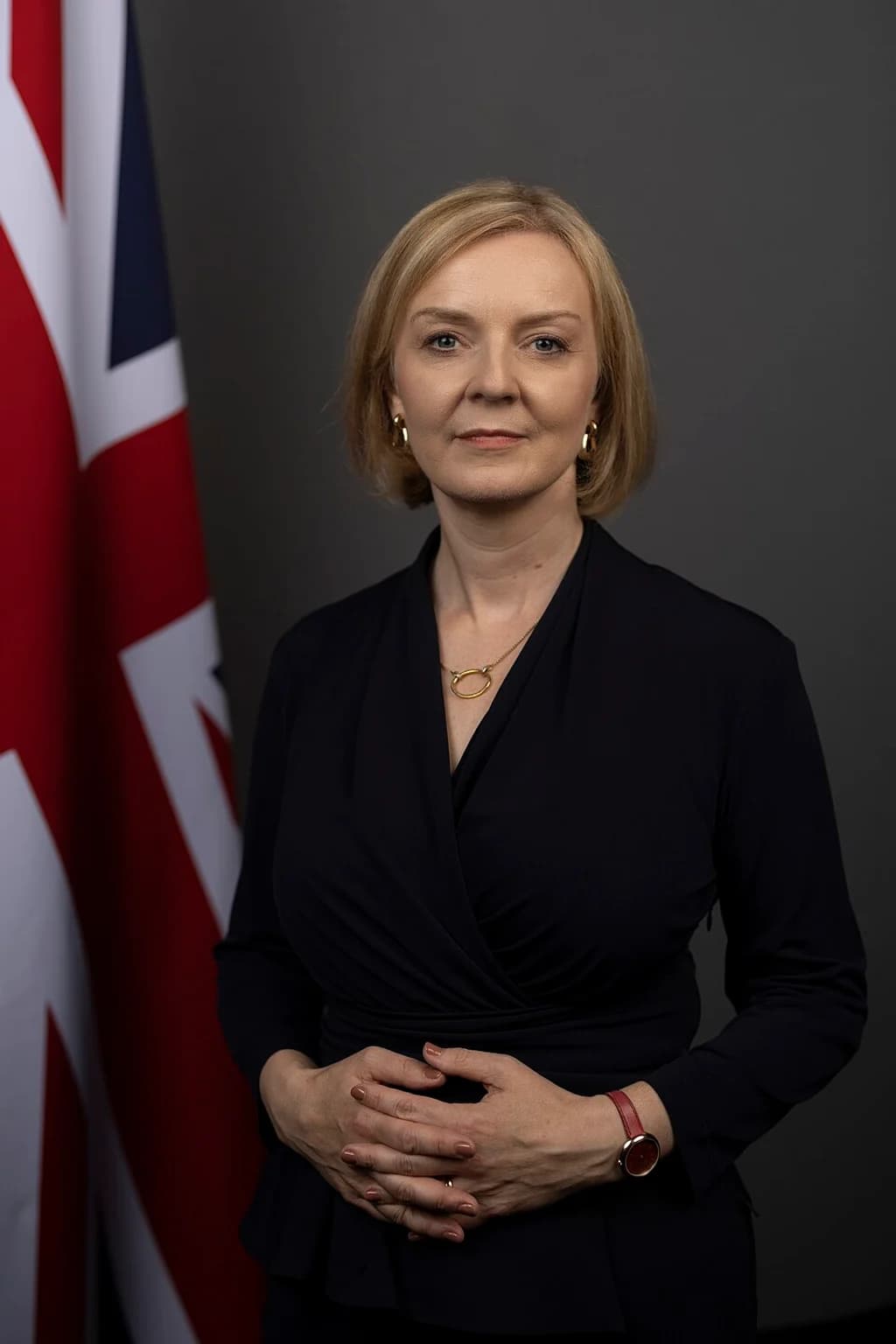
Liz Truss
2022Truss’s premiership collapsed with extraordinary speed after market turmoil followed her government’s mini-budget.View profile →
Rishi Sunak
2022–2024Sunak sought to restore stability after Truss, but the Conservatives suffered a heavy defeat at the 2024 general election.View profile →Key facts about British prime ministers
- First prime minister: Sir Robert Walpole (1721–1742)
- Current prime minister: Andy Burnham (2026–present)
- Longest-serving: Sir Robert Walpole (over 20 years)
- Total premierships listed: 82
How the role of prime minister developed
The role of prime minister was not formally defined at first. Sir Robert Walpole is generally considered the first holder of the office, though the position evolved gradually from senior ministers advising the monarch.
Over time, power shifted from the Crown to Parliament, and the prime minister became the central figure in British government. The rise of organised political parties, electoral reform in the nineteenth century, and the expansion of democracy all reshaped the office into its modern form.
This page lists every premiership in order, including multiple terms served by the same individual, to give a complete picture of political leadership in Britain.
Frequently asked questions
Who was the first British prime minister?
Robert Walpole is generally treated as the first British prime minister. He took office in 1721 and set the pattern for the role as it developed in the eighteenth century.
Who is the current British prime minister?
Andy Burnham became prime minister on 20 July 2026, succeeding Sir Keir Starmer after Labour’s leadership transition.
Why do some prime ministers appear more than once?
Several prime ministers returned to office after losing power, resigning, or heading a new ministry later on. This page lists each separate premiership in chronological order.
Which party has produced the most prime ministers?
Historically, Whig, Tory, Conservative, and Liberal traditions have dominated, with Labour emerging in the twentieth century as a major governing party.
Who served the longest as prime minister?
Sir Robert Walpole is usually counted as the longest-serving British prime minister, with a tenure of more than twenty years.
