1903
The WSPU begins
The new union emerged in a city where suffrage campaigners already had networks. It grew out of frustration at the distance between political promises and parliamentary action.
Emmeline Pankhurst helped found the WSPU in Manchester, led its campaign for women’s suffrage and supported the British war effort after 1914.
WSPU co-founder
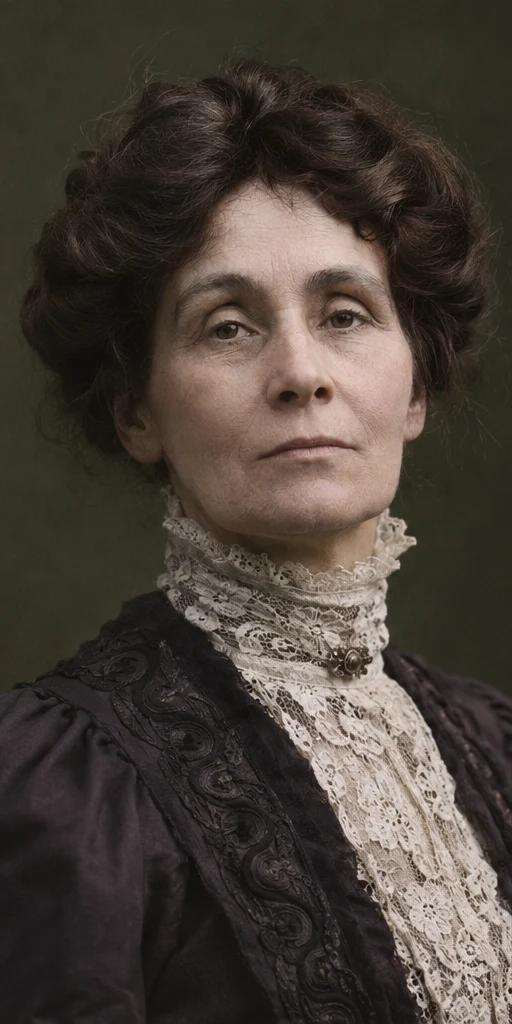
A real historical or editorial image is used here. Source, licence and transformation details are publicly recorded. Image policy Attribution
Emmeline Pankhurst helped found the WSPU in Manchester, led its campaign for women’s suffrage and supported the British war effort after 1914.
The new union emerged in a city where suffrage campaigners already had networks. It grew out of frustration at the distance between political promises and parliamentary action.
The arrests after the Free Trade Hall protest showed how a small action could draw national attention. The WSPU would use campaign newspapers, meetings and branches to build on that attention.
Police stopped the deputation on what became known as Black Friday. Statements by suffragettes describe violence in the streets. The confrontation added to a growing dispute over how the police dealt with the WSPU.
The wartime shift divided the suffrage movement. A limited parliamentary vote became law in 1918. Pankhurst lived to see eligible women vote, but died before the Equal Franchise Act became law in July 1928.
Move from the profile into the wider events and settings this figure belongs to.
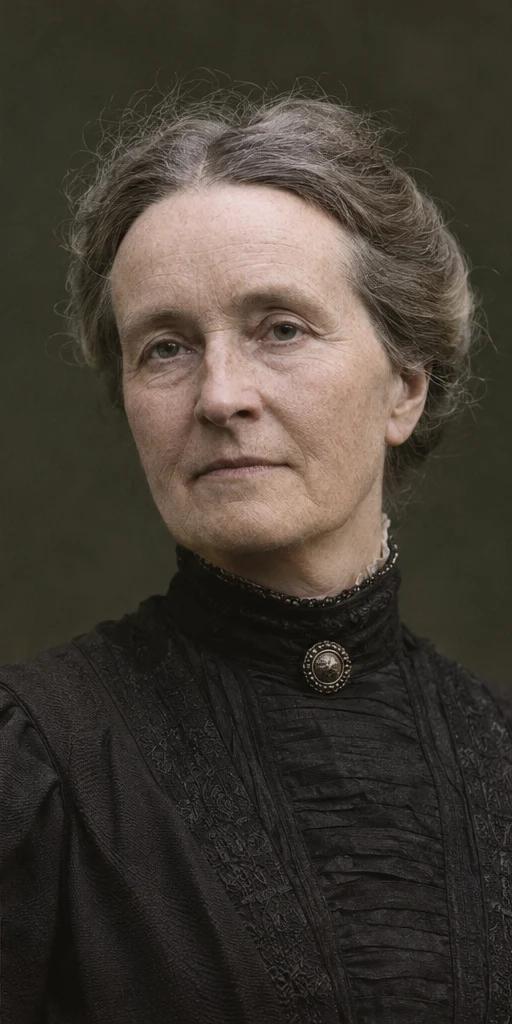
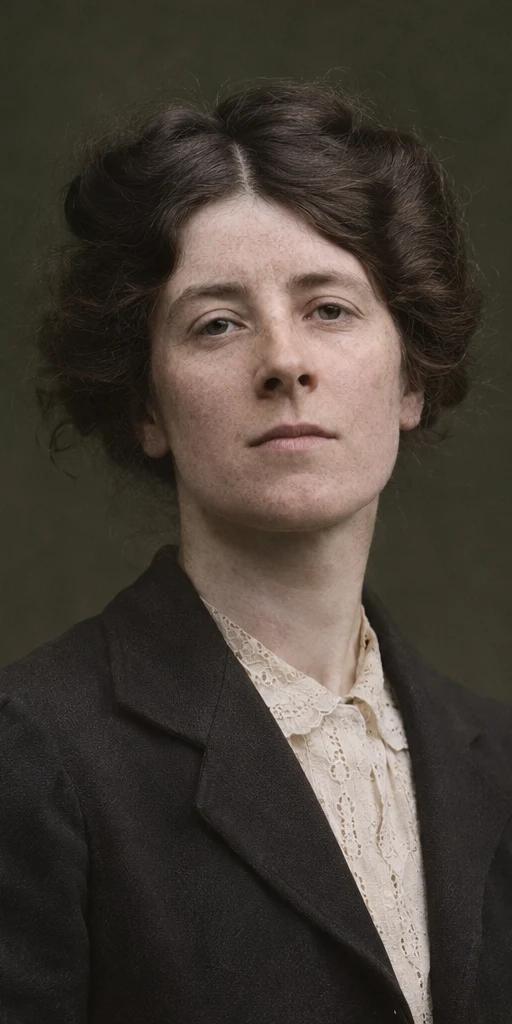
This profile is written for educational use and connects to related Stories of History pages. The main portrait uses a real historical or editorial image, with source and licence details recorded for attribution review. Image policy Image attribution
Find out first about the latest published stories, feature notes and occasional Premium offers in one monthly email.